In the fashion e-commerce industry, AI Virtual Try-On is disrupting traditional model photography workflows at an astonishing pace. However, after the initial excitement, many apparel sellers and designers quickly run into two stubborn “invisible killers”: severe color shifts caused by environmental lighting (color deviation), and the cheap plastic-like appearance created by excessive repainting of autumn and winter fabrics such as cashmere coats, wool garments, and fluffy outerwear.
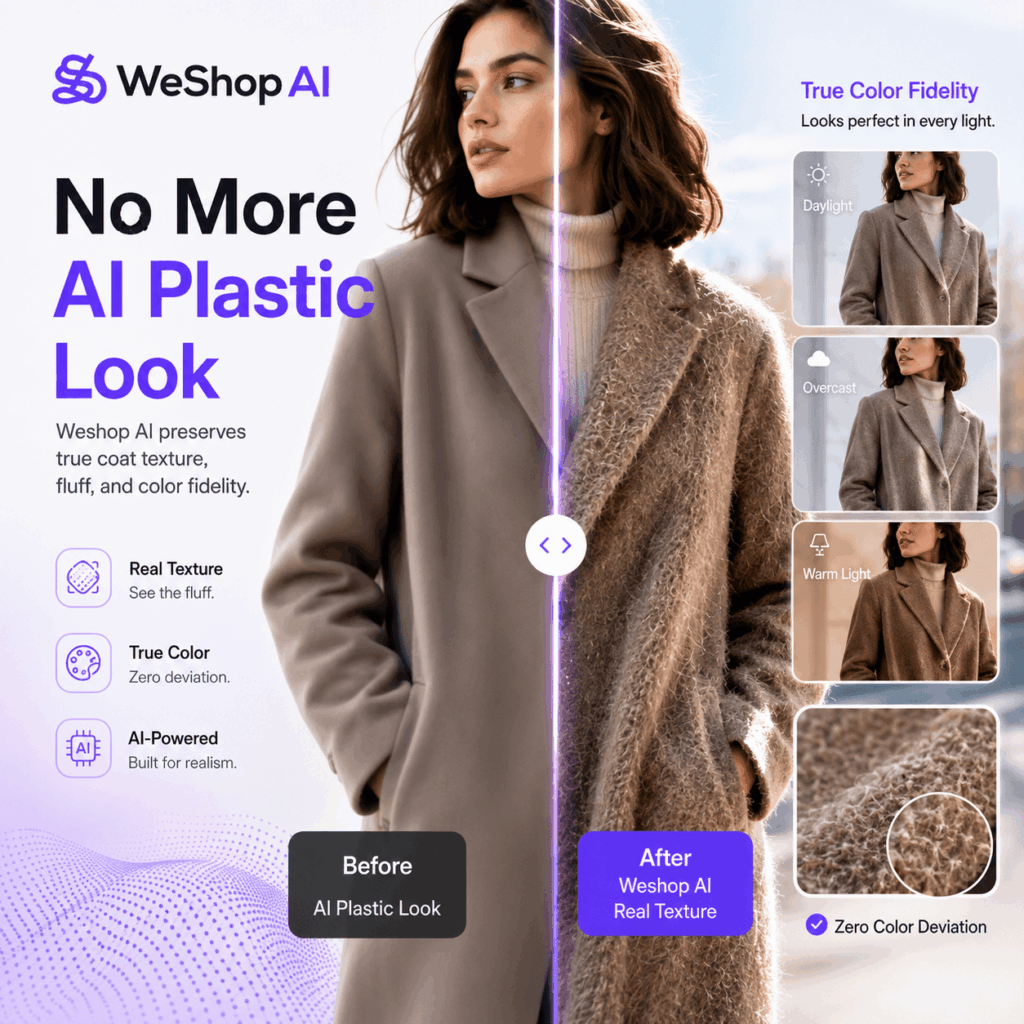
In e-commerce, even a 1% color deviation or material distortion can easily translate into a return rate increase of over 20% for a store.
To completely solve this industry pain point, the Weshop team has recently carried out a cross-generation upgrade of its image generation pipeline. We don’t chase vague concepts—we focus on foundational breakthroughs in specialized vertical capabilities, helping merchants maximize the value of every dollar spent.
By the end of this tutorial, you’ll learn how to leverage Weshop’s newly upgraded engine to effortlessly and cost-effectively create fashion visuals that meet 4K commercial product page standards with zero barriers to entry.
The Evolution of Virtual Try-On Technology and Industry Bottlenecks
To understand Weshop’s latest technological breakthrough, we first need to take a look at the evolution history of Virtual Try-On.
Early virtual try-on systems primarily relied on 3D modeling and traditional geometric deformation algorithms, such as Thin Plate Spline (TPS) transformations. While these methods could ensure that garment colors remained strictly consistent without distortion, the results were extremely rigid. Clothing often appeared flat and paper-like, tightly “stuck” onto the model’s body, lacking any realistic lighting, shadows, or natural folds—making them entirely unsuitable for commercial advertising use.。
With the rapid rise of generative AI, the industry has quickly evolved from early plug-in feature injection methods such as ControlNet and IP-Adapter to a new era dominated by native image editing models. Today, mainstream approaches like image-to-image local editing (inpainting) and semantically aligned large models—such as GPT-Image-2 and Nano Banana 2—have become the preferred tech stack for virtual try-on.
These models no longer “paste” garments in a mechanical way. Instead, they truly understand garment structure, human form, and lighting conditions, enabling seamless and coherent integration between clothing and model appearance.
However, even the most advanced image editing models still encounter an unavoidable bottleneck when pushed toward industrial-grade deployment—the fundamental issue of excessive repainting during pixel denoising in large models, often referred to as “over-denoising.”:
- Severe color deviation issues: In order to make garments blend perfectly and naturally into new scenes (such as sunset or outdoor environments), editing models often perform local repainting and lighting harmonization on high-frequency regions of the clothing. As a result, true red can shift into orange-red, and deep blue can turn into royal blue, creating commercial-grade color discrepancies that are extremely difficult to eliminate.
- “Plasticization” of premium materials: Autumn and winter fabrics—such as cashmere coats and wool outerwear—contain rich high-frequency fiber details and fine surface fuzz. During pixel denoising and image re-rendering, large models often mistakenly interpret these delicate fibers as visual “noise” and aggressively smooth them out. This results in garments losing their natural texture, producing an overly glossy, cheap plastic-like appearance in the final output.
Core breakthrough technology: Weshop’s proprietary Latent Space Regularization combined with a precision reconstruction framework.
To overcome the two major industry challenges—color deviation and the degradation of outerwear materials—the Weshop algorithm team has completely abandoned conventional patchwork approaches at the pixel level. Instead, it goes deeper into the latent space of diffusion models, introducing a proprietary “Latent Space Regularization and Precision Reconstruction” pipeline.
Latent Space Regularization: making virtual try-on more realistic and color-accurate
In Flow Matching–based image editing models, the core task is to predict the target image representation in latent space. Traditional training relies solely on pixel-wise noise prediction with an MSE loss, which, in virtual try-on scenarios, easily leads to two key issues: insufficient material realism in the generated clothing (loss of high-frequency details), and color deviation from the original garment due to distribution shifts in latent channels.
To address this, we introduce two complementary latent space regularization losses.
1. Latent Statistics Loss — Color Distribution Calibration
This loss operates at the channel granularity, where it computes the mean and variance of the predicted latent ( x_0 ) and the target latent respectively. It then applies an MSE constraint to enforce consistency between their statistical properties:

Intuitively, each channel in the latent space corresponds to different components of color and brightness. If the predicted latent’s channel-wise mean and variance match those of the target, then the RGB image decoded by the VAE decoder will have a color distribution much closer to the real garment.
Rather than enforcing pixel-level alignment, this approach constrains the overall tone and contrast from a statistical perspective, effectively reducing systematic color bias.
2. Latent Degradation Loss — Enhancing Low-Frequency Structure
This loss first applies a degradation operation to the latent representation, and then computes an MSE loss in the degraded space. In our experiments, we use a low-pass operation—downsampling the latent by a factor of 2 and then upsampling it back to the original resolution—which is effectively equivalent to extracting its low-frequency components:

Low-frequency components correspond to the large-scale structure of an image, including lighting, shading, and the base tone of materials. By imposing additional constraints on these low-frequency signals, the model is forced to accurately capture key perceptual factors such as the overall fabric texture, gloss direction, and smoothness of light–dark transitions, rather than merely fitting high-frequency details. This leads to try-on results that appear more realistic, natural, and materially coherent.
Through this lightweight, vertically optimized pipeline, Weshop not only imposes an “absolute color fidelity” constraint on the AI but also avoids the computational waste of general-purpose large models with billions of idle parameters. This efficiency is what allows us to reduce generation costs to an extremely low baseline.
Breakthrough Raw Image Results Comparison
Thanks to the comprehensive guidance of the Latent Degradation algorithm in latent space, Weshop’s newly upgraded engine delivers industry-leading commercial-quality visual results.
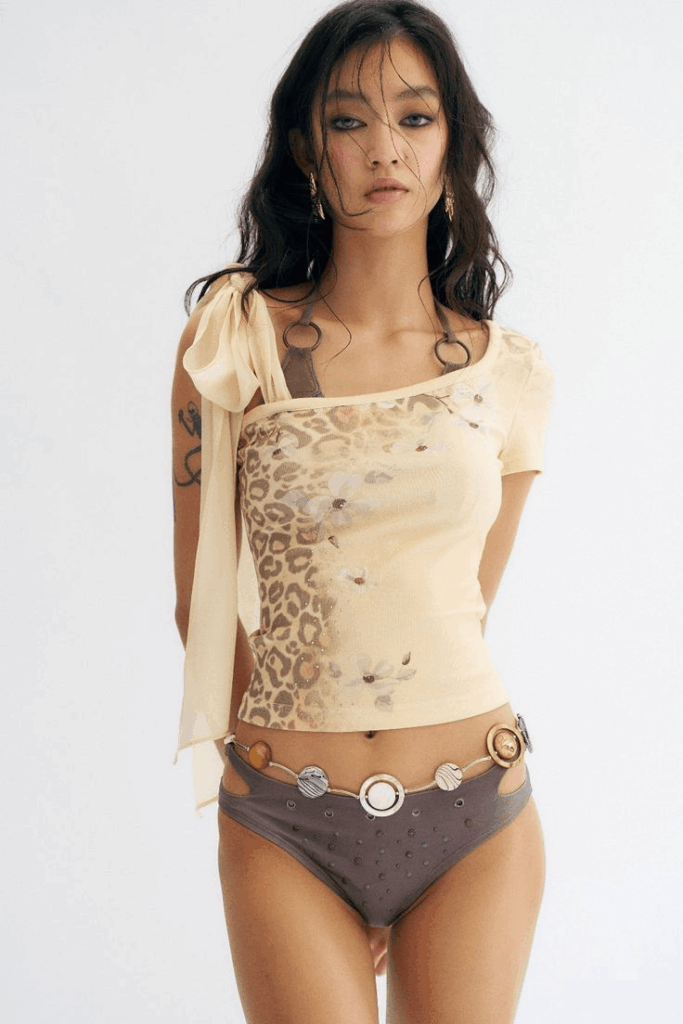
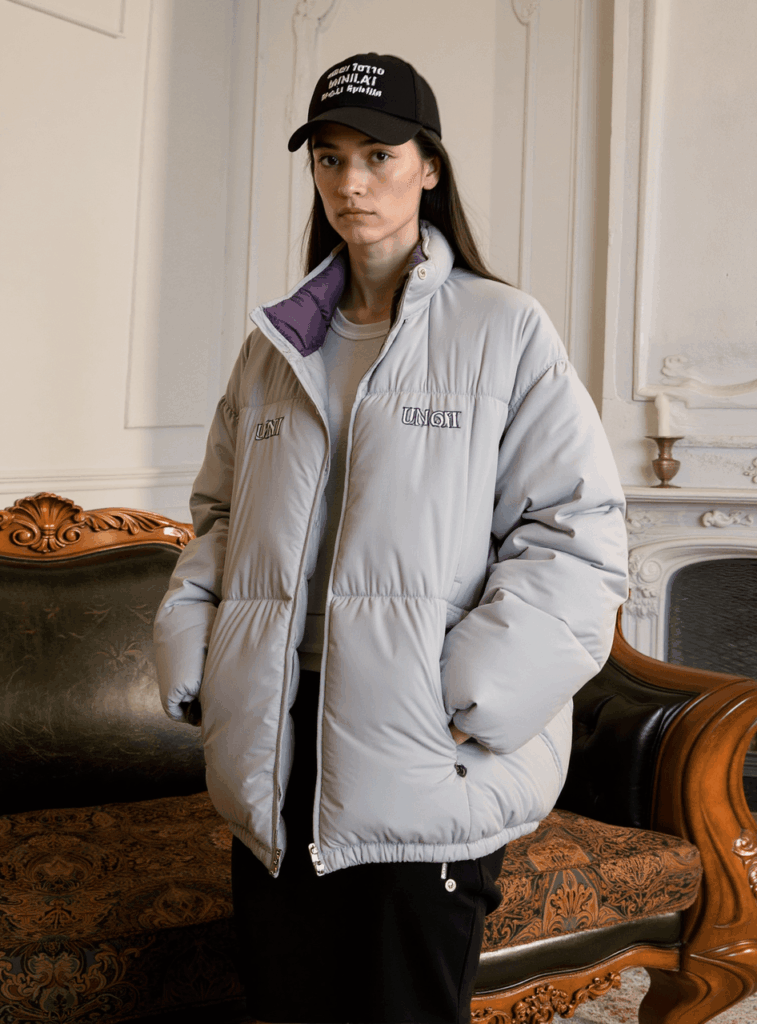
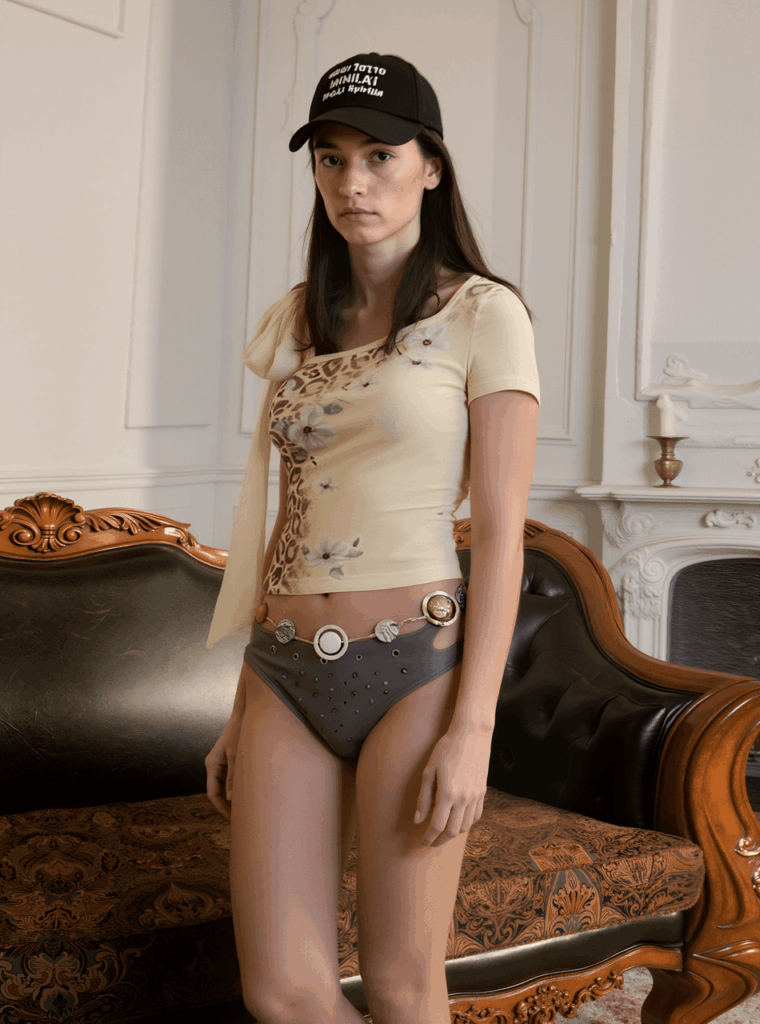
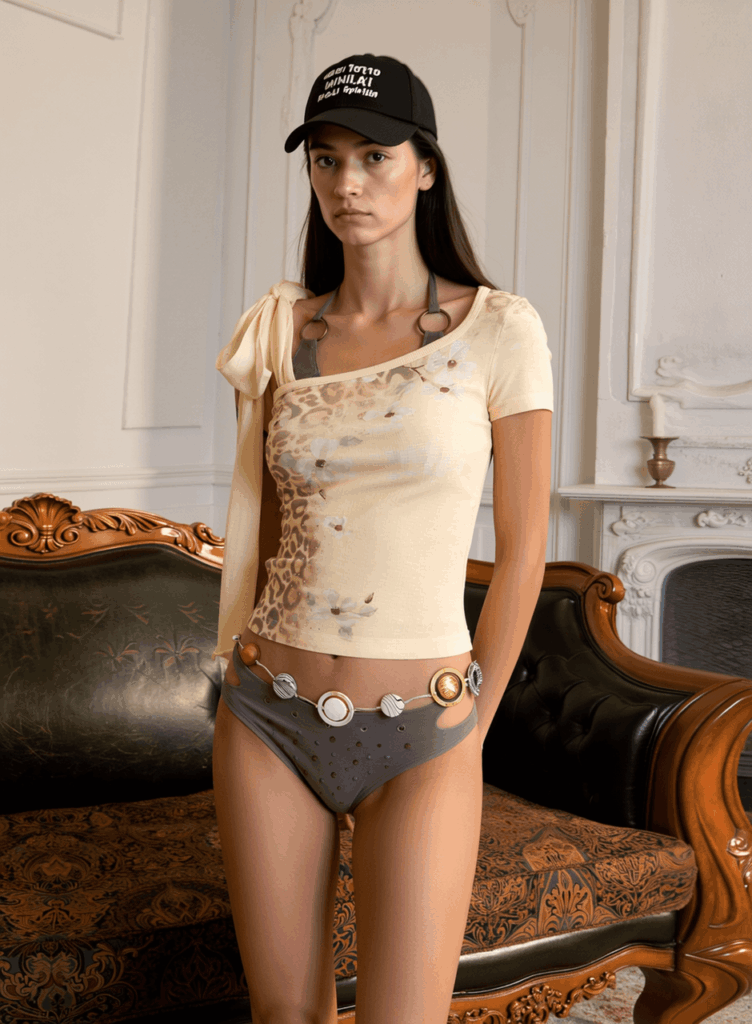
In color-control tests, whether the model’s background is switched to a brightly sunlit outdoor scene or a cool-toned indoor studio, the garment’s true RGB colors remain unaffected by environmental lighting. This achieves genuine “what you see is what you get,” allowing merchants to significantly reduce return rates caused by color deviations right from the source.
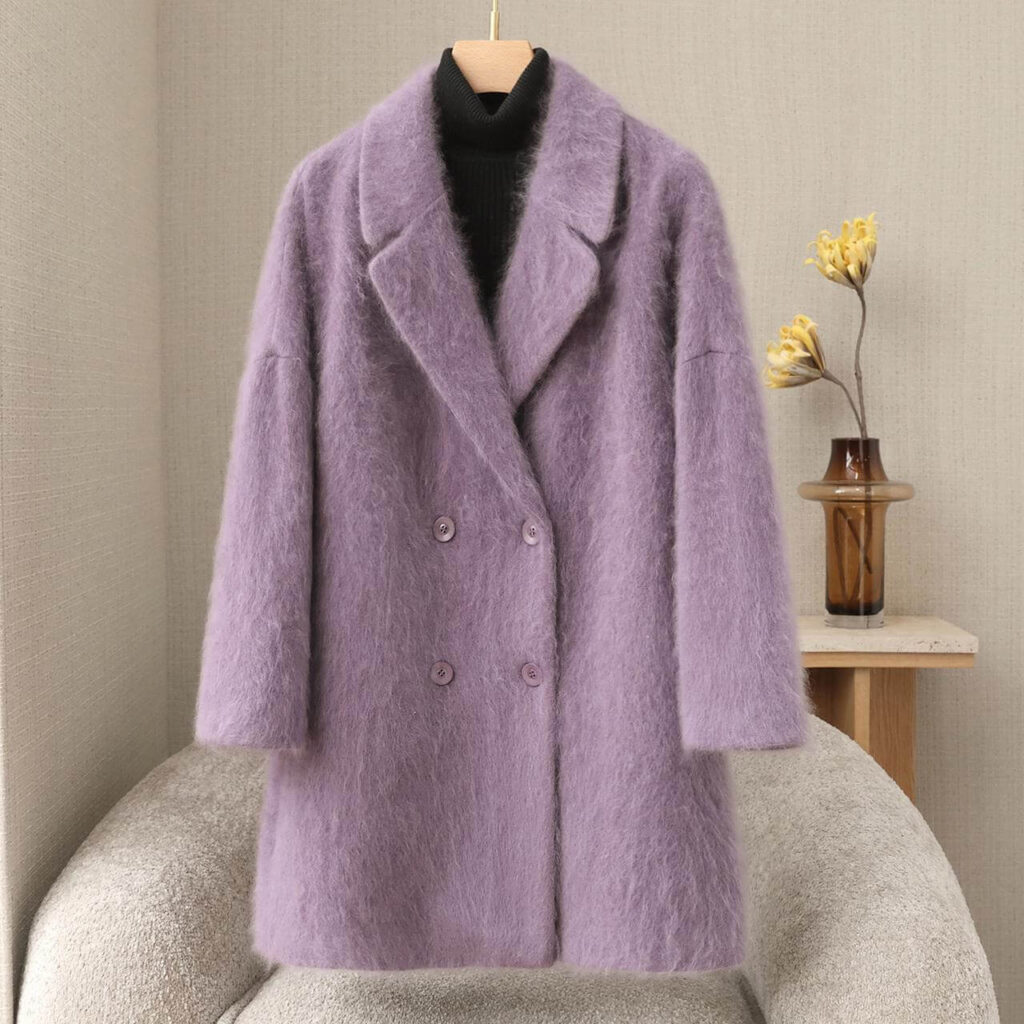
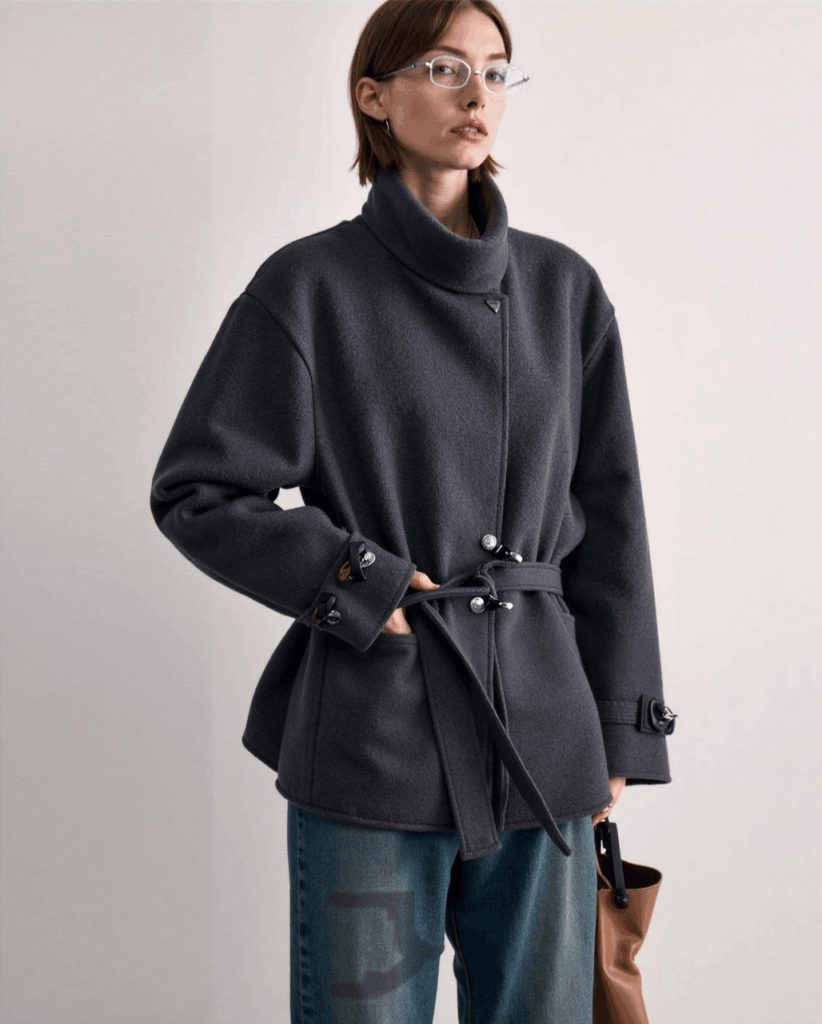
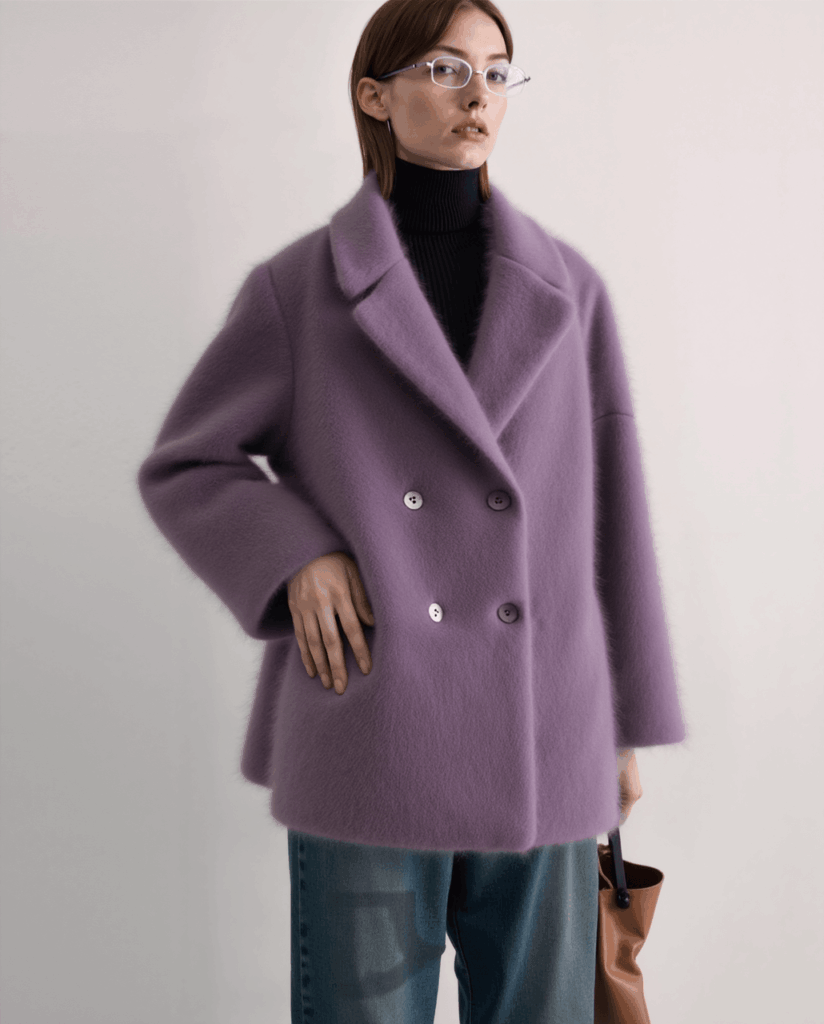
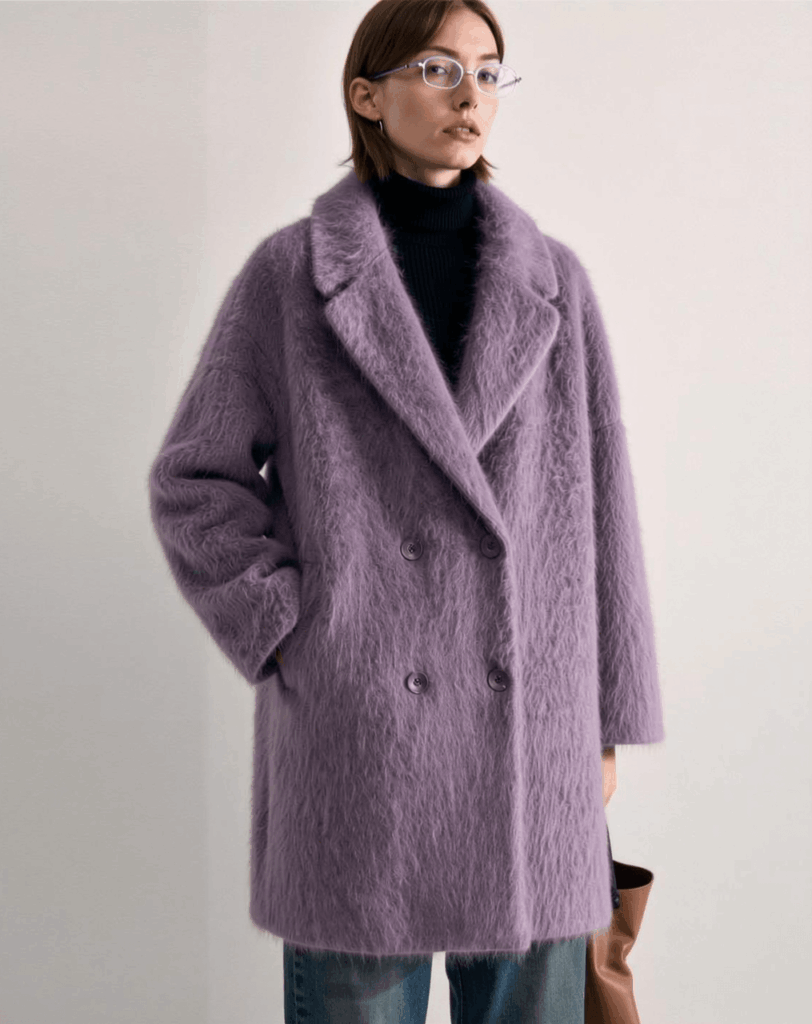
In material-focused tests, Weshop 2.0 clearly preserves fine details even under magnification: the fluffy microfibers along the edges of cashmere coats are individually defined, and the characteristic weight and subtle sheen of wool fabrics are perfectly maintained. This completely eliminates the cheap, plastic-like appearance typical of traditional AI outputs, fully supporting the high-end visual standards required for premium brand products.
Everyone, don’t wait—go experience the AI model try-on now!
Advanced Tips / Frequently Asked Questions (FAQ)
- Q::Why does Weshop render coat materials so realistically while keeping generation costs lower than directly using top-tier international general-purpose models?
- A: Large models from tech giants (such as GPT-Image-2 and Nano Banana 2) are designed to handle “everything under the sun,” making them extremely large and resource-intensive. When used for pure virtual try-on, much of this massive network idly spins, driving up per-instance computational costs. Weshop, on the other hand, follows a vertically optimized approach for specific scenarios. Through our proprietary lightweight algorithms, we eliminate wasted general-purpose computation, and by reconstructing the workflow algorithmically, we pass the computational efficiency savings directly to merchants.
- Q: If my garments feature highly intricate details like sequins, embroidery, or specific brand logos, will they get distorted?
- A: No. The upgraded feature-control pipeline not only locks in color and material fidelity but also optimizes spatial topology. Thanks to the precise latent-space reconstruction at the core, when the model makes large turns or arm movements, prints and logos naturally deform along with the body’s physical folds—without ever producing the absurd distortions, blurring, or melting effects typical of traditional AI.
Conclusion & Call to Action
E-commerce is, at its core, a game of efficiency versus cost. Weshop’s latest technological upgrade—focusing on “color accuracy” and “coat material fidelity”—is designed to help apparel merchants get the most value out of every dollar, leveraging cutting-edge technology to deliver the ultimate cost-to-quality ratio.
This brand-new engine, offering low-cost, high-fidelity, zero color deviation rendering, is now fully deployed on Weshop.ai . Say goodbye to sky-high model photography expenses and unpredictable color-related return rates.
If you have any questions about material reproduction or parameter tuning during your use, feel free to leave a comment. Our algorithm and product experts are ready to provide one-on-one guidance online!
Go to WeShop AI For Exploration: