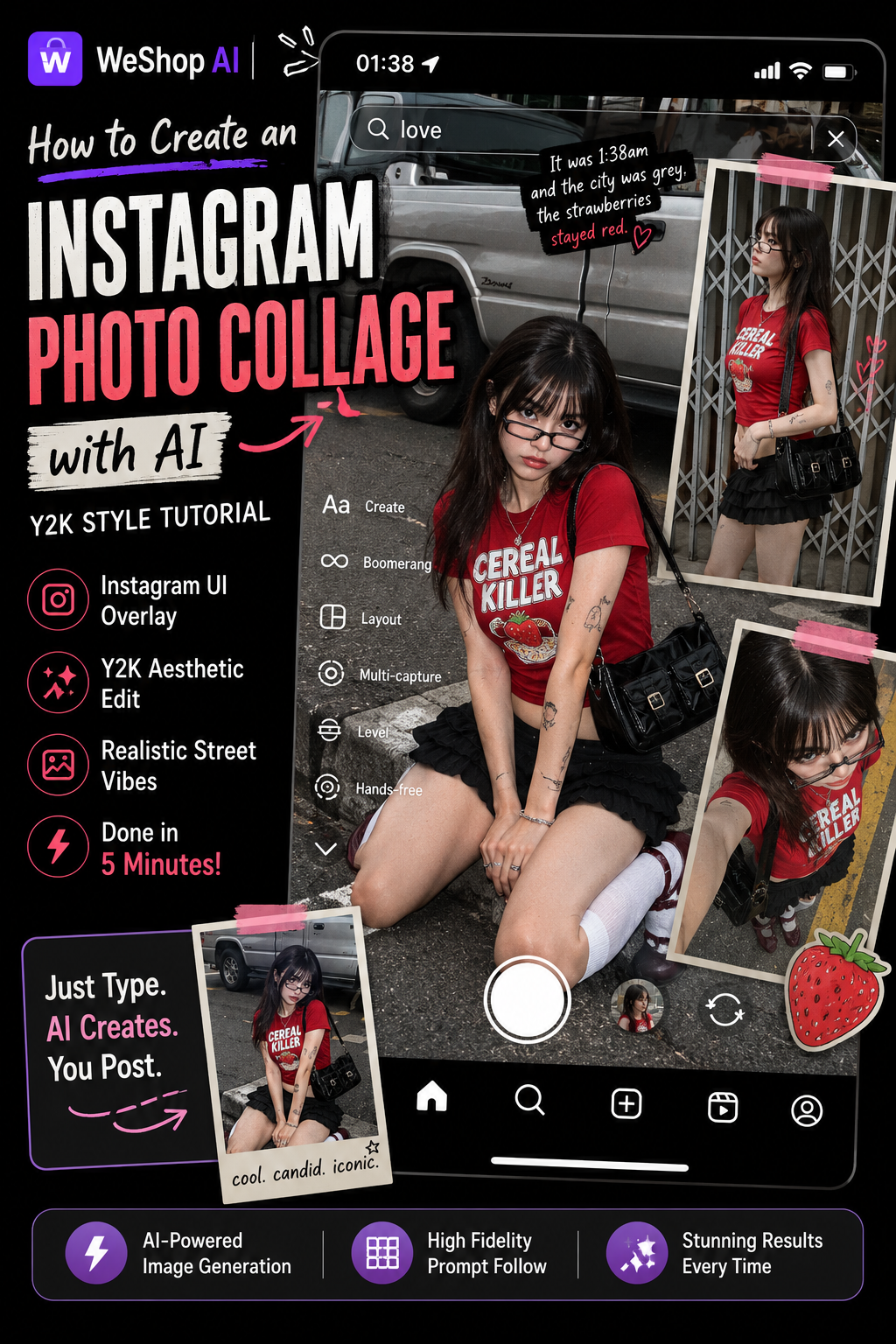
Social media influencers do not just need attractive visuals. They need an AI Image Generator that can keep up with a fast posting schedule, maintain a recognizable brand style, and still produce polished content that stands out in crowded feeds. That is why the real question is not “Which model creates the prettiest image?” but “Which AI Image Generator actually fits the daily workflow of a creator?”
In this review, I compare the leading AI image models from an influencer’s perspective: speed, style control, editability, brand consistency, and real-world usability across modern social platforms.
What Social Media Influencers Actually Need From an AI Image Generator
For creators, the best tool is rarely the most artistic one. It is the one that helps them publish faster, stay visually recognizable, and make quick revisions without breaking the whole workflow. A strong influencer-focused AI image generator should do three things well: create on-brand visuals, support fast iteration, and make editing painless. That is an inference from how these products are positioned, especially because the official documentation for these tools emphasizes editing, commercial workflows, personalization, and professional branding rather than one-off “art for art’s sake.”
It should also handle different content formats. A creator might need a bold cover image today, a polished product shot tomorrow, and a stylized lifestyle visual next week. That means the most useful model is often the one that is flexible, not just the one that looks impressive in a single demo. OpenAI explicitly documents multi-turn editing and flexible image inputs for GPT image workflows, which is useful in exactly this kind of iterative creator process.
How I Evaluated These AI Image Models
Instead of judging these tools only by realism, I looked at them through a creator workflow lens. The key questions were:
Can the model follow creative direction reliably?
Can it support editing and iteration?
Can it help a creator keep a consistent visual identity?
Can it work for commercial or sponsored content?
Can it produce images that feel ready for social platforms?
That framework matters, because influencers are not usually creating one-off art pieces. They are building a repeatable visual system. OpenAI’s own image eval guidance says that good image evaluation is about quality, controllability, and usability for real prompts, not just visual appeal, which is a useful way to think about creator workflows too.
The Best AI Image Models for Social Media Influencers
Best Overall for Most Influencers: GPT Image 2
OpenAI says GPT Image 2 is a state-of-the-art image generation model for fast, high-quality image generation and editing, and that it supports flexible image sizes and high-fidelity image inputs. OpenAI also documents multi-turn editing and the ability to work with image inputs inside conversational or multi-step flows.
For influencers, that combination is powerful. It means one model can handle both creation and revision, which is exactly what content workflows need. If a creator wants to start from a concept, refine a draft, or adjust an existing visual for a new post format, GPT Image 2 is a strong all-around choice. OpenAI’s guidance also points new work toward GPT Image 2 when quality, editing reliability, or flexible sizing matter.
Best for Brand-Safe Commercial Workflows: Adobe Firefly
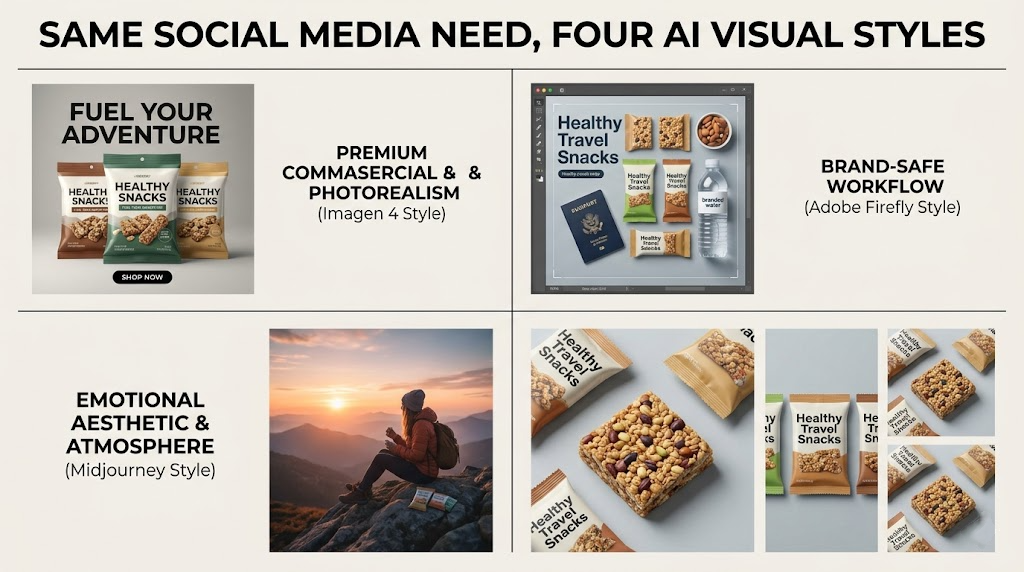
Adobe says Firefly is trained on licensed content such as Adobe Stock and public domain content, and that it is designed as a commercially safe family of generative AI models. Adobe also says Firefly is built for creative needs and workflows, and that it integrates with Creative Cloud tools.
That matters a lot for influencers who work with brands, sell products, or manage sponsored posts. Firefly is less about surprise and more about control. If your content process already includes Adobe tools, Firefly fits naturally into that ecosystem. It is a strong choice for creators who care about workflow continuity, asset reuse, and a cleaner commercial path. Adobe also highlights Firefly Services for scaling creative production workflows.
Best for Aesthetic and Artistic Content: Midjourney
Midjourney’s documentation says Personalization learns your aesthetic preferences from images you like, and Moodboards let you curate sets of images to create a unique look for your projects. Midjourney also says these tools help you define custom aesthetics across a wider creative range.
For influencers whose feeds depend on a strong visual identity, that is a big advantage. Midjourney is often the most appealing option when the goal is not generic realism but a distinct look that people recognize immediately. If the content strategy is built around mood, atmosphere, and style consistency, Midjourney is a natural fit.
Best for Photorealism and Text-Heavy Graphics: Imagen 4
Google describes Imagen 4 as a high-performance engine for advanced visual synthesis, offering sophisticated creative control and photorealistic output. Google specifically says to use Imagen 4 for professional branding, intricate scene composition, and high-fidelity design tasks that require precise text rendering and complex lighting.
That makes Imagen 4 especially useful for creators who need clean promotional visuals, polished brand assets, or image compositions that include readable text. For social media work, that can be a real advantage when the image has to function as both a visual and a message carrier. Google also documents text-generation examples and prompt guidance for placement and font style, which reinforces its usefulness for layout-oriented visuals.
Which Model Is Best for Different Types of Influencers?
Beauty and Fashion Creators
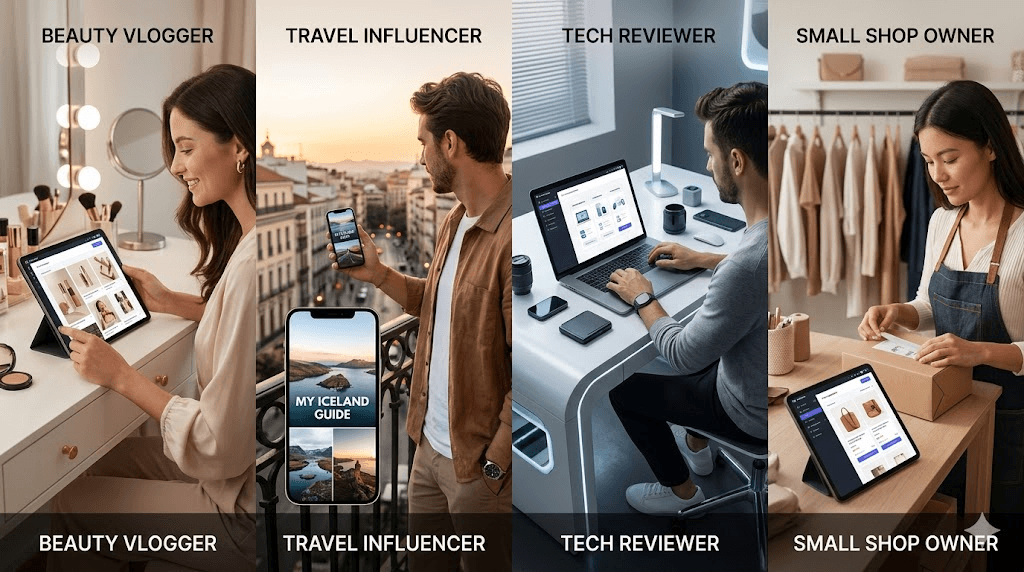
Beauty and fashion creators usually need polished visuals, a clear aesthetic, and frequent refinement. Midjourney is strong when the feed depends on a recognizable mood, while Firefly is a better fit when the content needs to move through a brand-safe production pipeline.
Travel Creators
Travel content often benefits from atmosphere and visual storytelling. Midjourney can be a strong choice for dreamy, editorial-style imagery, while GPT Image 2 is useful when the creator wants to iterate quickly on a travel concept and adjust the result for different post formats. GPT image workflows are explicitly built around editing and flexible sizing, which helps with platform-specific reuse.
Tech and Gadget Reviewers
Tech creators often need visuals that feel clean, structured, and text-friendly. Imagen 4 is a good fit here because Google specifically calls out precise text rendering and professional branding use cases. GPT Image 2 is also useful when the creator needs flexible editing or quick adjustments to a review graphic.
Sponsored Content and Small Business Creators
If your content includes products, sponsorships, or e-commerce, Firefly is the safest default because Adobe emphasizes commercial use, licensed training data, and Creative Cloud compatibility. That makes it especially attractive for people who already work inside Photoshop, Illustrator, or the broader Creative Cloud stack.
Meme Pages and Trend Accounts
Trend-driven accounts usually care more about speed and iteration than deep aesthetic control. GPT Image 2 stands out here because OpenAI positions it as both a generation and editing model, which makes rapid content cycles easier to manage.
Final Verdict
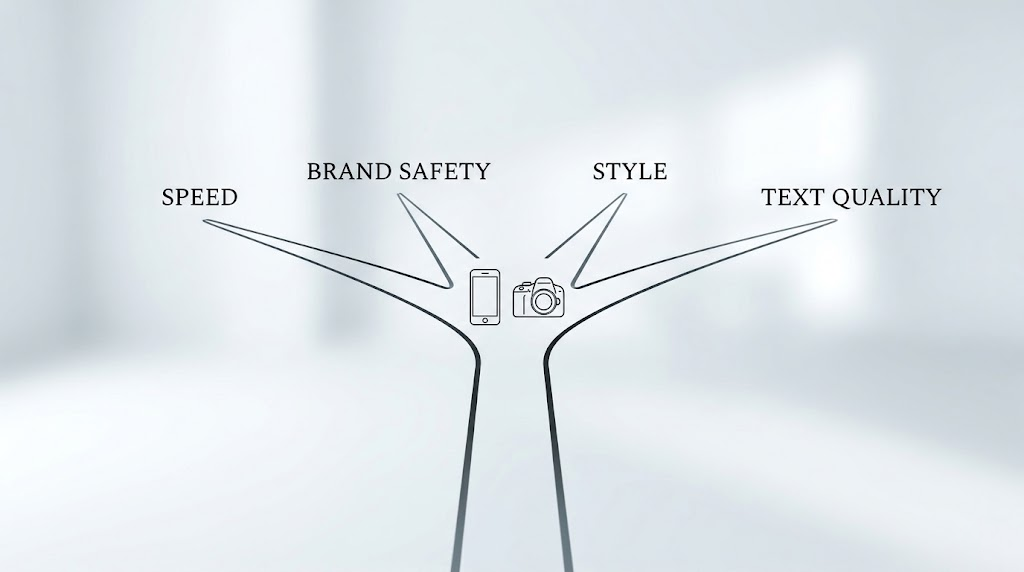
There is no single best model for every influencer, because the best choice depends on the creator’s workflow.
If you want the most balanced all-around option, GPT Image 2 is the easiest recommendation. OpenAI’s own documentation highlights fast generation, strong editing, flexible sizes, and high-fidelity image inputs, which makes it a practical general-purpose tool.
If your work depends on commercial safety and Adobe compatibility, Firefly is the strongest production-oriented choice. Adobe’s positioning around licensed training data, commercial use, and Creative Cloud integration makes that clear.
If your brand lives or dies by a distinctive visual identity, Midjourney is still one of the most compelling options because of its personalization and moodboard system.
If your content needs crisp branding, readable text, and polished promotional composition, Imagen 4 deserves a close look. Google explicitly frames it around professional branding, intricate scene composition, and precise text rendering.
The real winner is not the model with the loudest marketing. It is the one that makes your content easier to produce, easier to refine, and easier to recognize.
Closing Thoughts
For social media influencers, the best AI image generator is not just the one that creates the most impressive standalone image. It is the one that fits the way creators actually work: fast, repetitive, brand-aware, and platform-specific. Once you choose based on workflow instead of hype, the decision becomes much clearer.
Go to WeShop AI For Exploration: