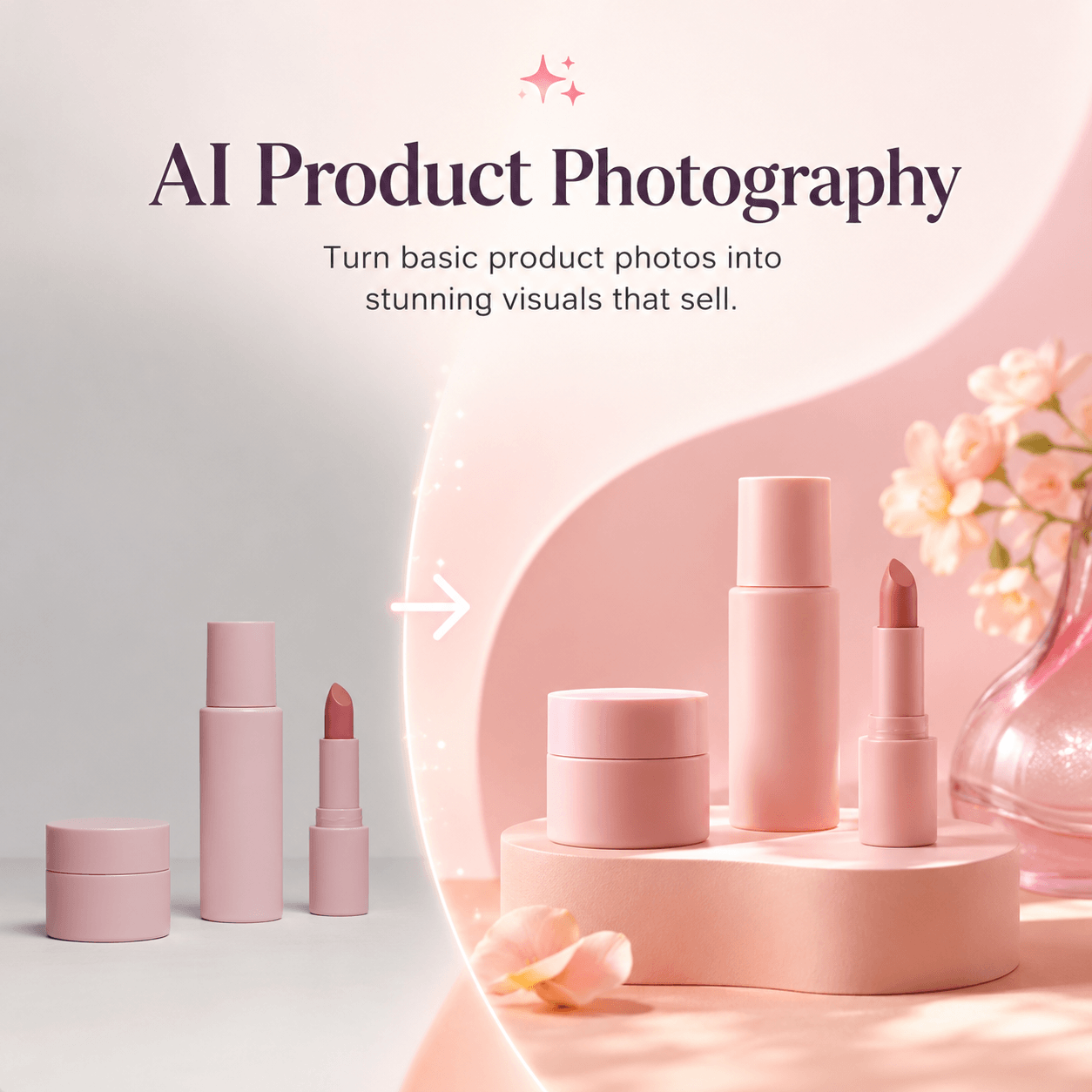
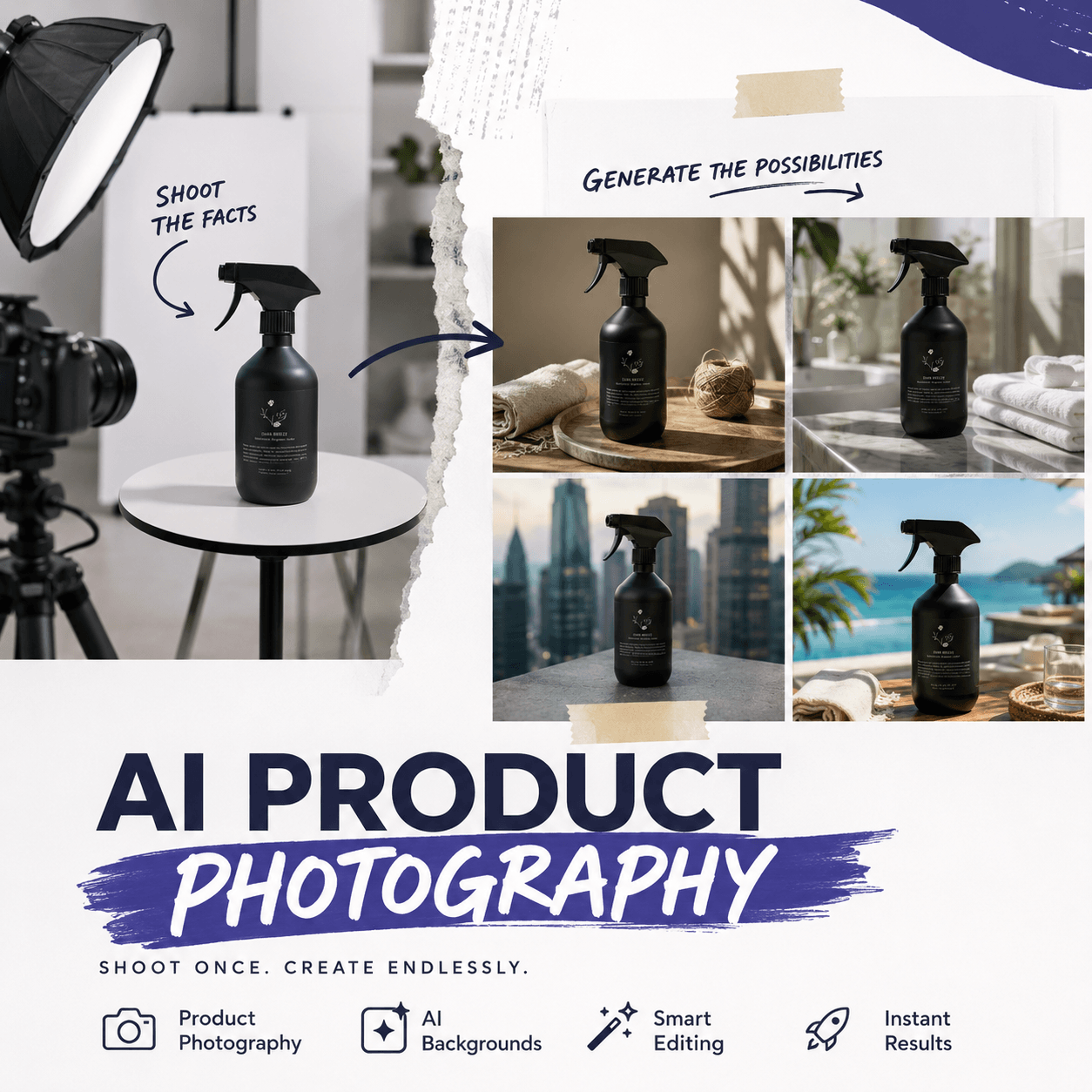
AI Product Photography is changing the way ecommerce brands create product visuals. Today, product images play a bigger role than ever. In fact, before shoppers read your description or compare prices, they already form an opinion about your product. Therefore, creating better product visuals has become an important part of ecommerce success.
This is why AI Product Photography is becoming a powerful solution for modern ecommerce brands. Instead of arranging expensive photoshoots for every campaign, brands can now transform simple product images into professional visuals with realistic scenes, lighting, and commercial atmosphere.
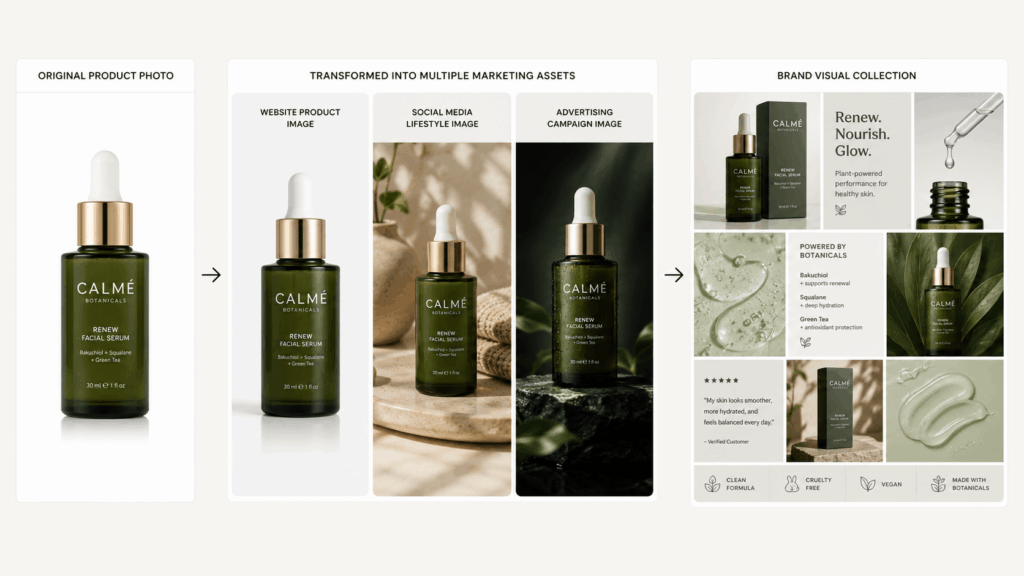
With the right workflow, one product photo can become multiple marketing assets for websites, advertisements, and social media without slowing down the creative process.
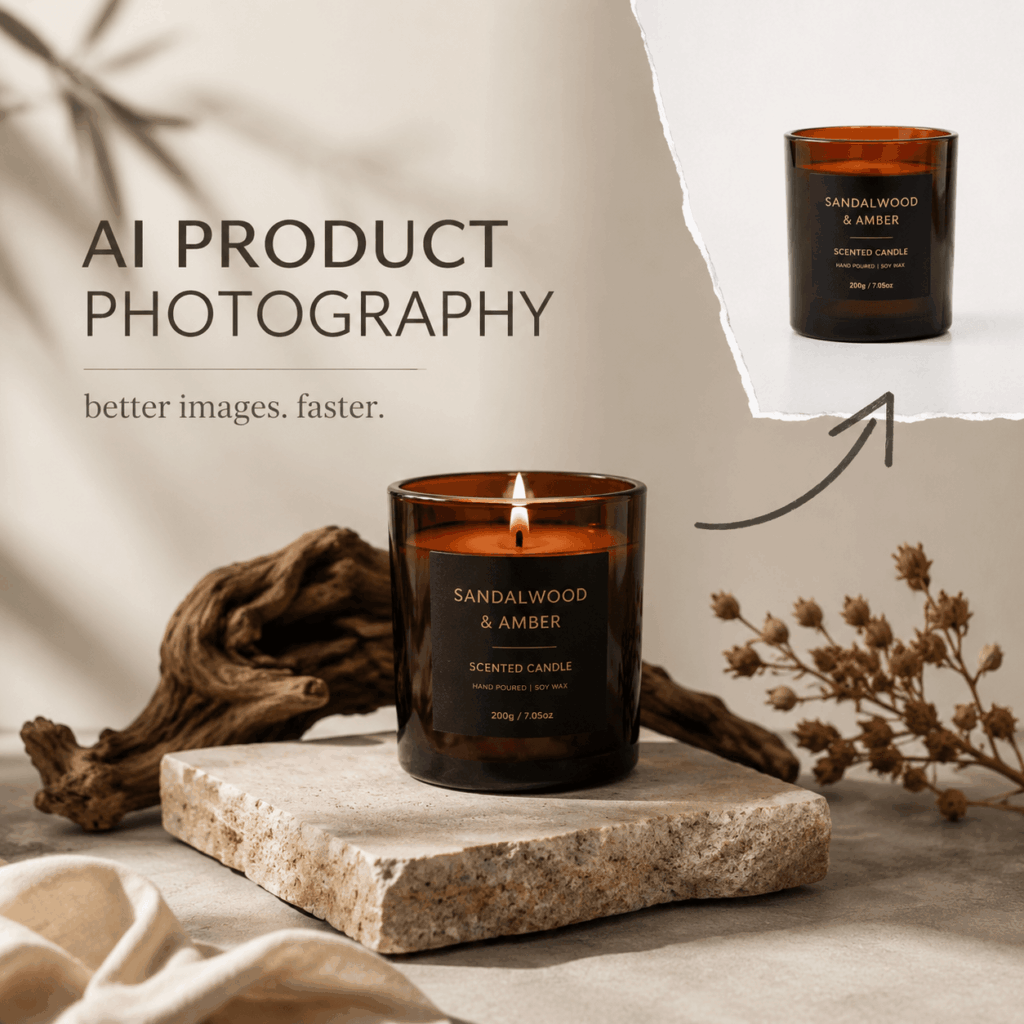
Why AI Product Photography Is Becoming Essential for Ecommerce Brands
Traditional product photography still creates high-quality results. However, ecommerce has changed.
Today, brands need more than one perfect product image. A single product may need different visuals for:
- Product pages
- Social media posts
- Paid advertisements
- Seasonal campaigns
- Email marketing
For example, a skincare product may require a clean studio image for an online store, a natural bathroom scene for social media, and a luxury campaign image for advertisements.
Previously, creating these variations meant organizing new locations, photographers, props, and editing processes. As a result, producing enough content could become expensive and time-consuming.
However, customers now expect brands to create fresh and engaging visuals constantly. This is where AI Product Photography provides a more flexible approach.
What Is AI Product Photography?
Simply put, AI Product Photography uses artificial intelligence to transform existing product photos into realistic commercial images.
Instead, it improves how the product is shown while keeping the original details.
A good AI product workflow can help brands:
- Create realistic backgrounds
- Generate different product environments
- Improve lighting and shadows
- Build consistent visual styles
- Produce more marketing variations
Most importantly, the product itself should remain recognizable. The shape, material, colors, and important details should stay accurate while the surrounding scene becomes more engaging.
In other words, AI Product Photography does not simply create a new image. It helps brands tell a stronger visual story.
How AI Product Photography Turns One Image Into Multiple Marketing Assets
One of the biggest advantages of AI Product Photography is flexibility.
A simple product photo can become different types of content depending on the marketing goal.
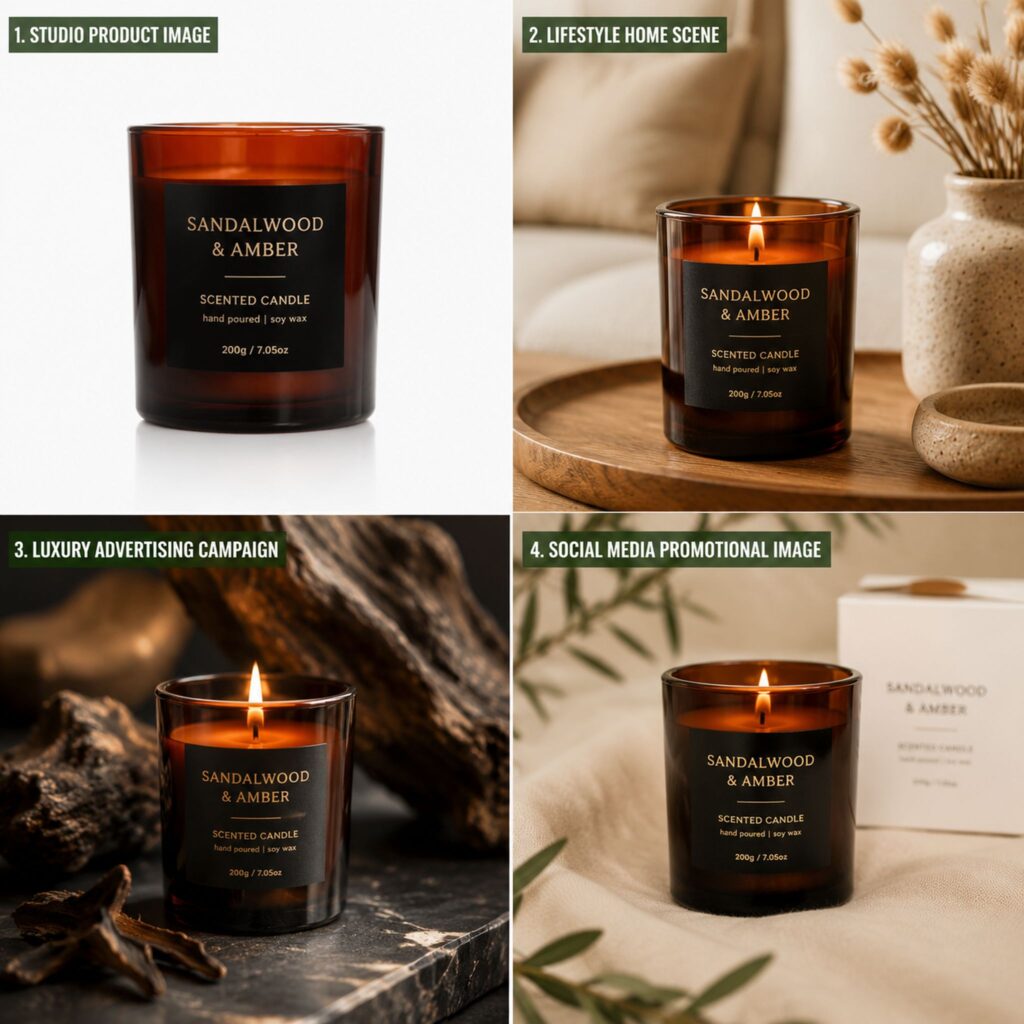
For example, imagine uploading a basic candle product image.
The same product can be transformed into:
A Clean Ecommerce Image
A minimal background with balanced lighting helps customers clearly see the product.
A Lifestyle Campaign Image
A warm home setting can show the feeling and atmosphere behind the product.
A Social Media Creative
A more emotional scene can help the product stand out while scrolling.
A Seasonal Promotion
Holiday decorations or special environments can support limited campaigns.
Therefore, brands no longer need to create every image from the beginning. Instead, they can build more content from one reliable product source.
How AI Product Photography Helps Ecommerce Brands Grow
1. Create Professional Visuals Faster
High-quality product images usually require careful planning. In addition, they need equipment and editing.
However, smaller brands often do not have access to a full creative team.
AI Product Photography helps reduce the production process. Brands can quickly explore different visual directions without preparing a complete photoshoot.
As a result, teams can spend more time on marketing strategies instead of repeated image production.
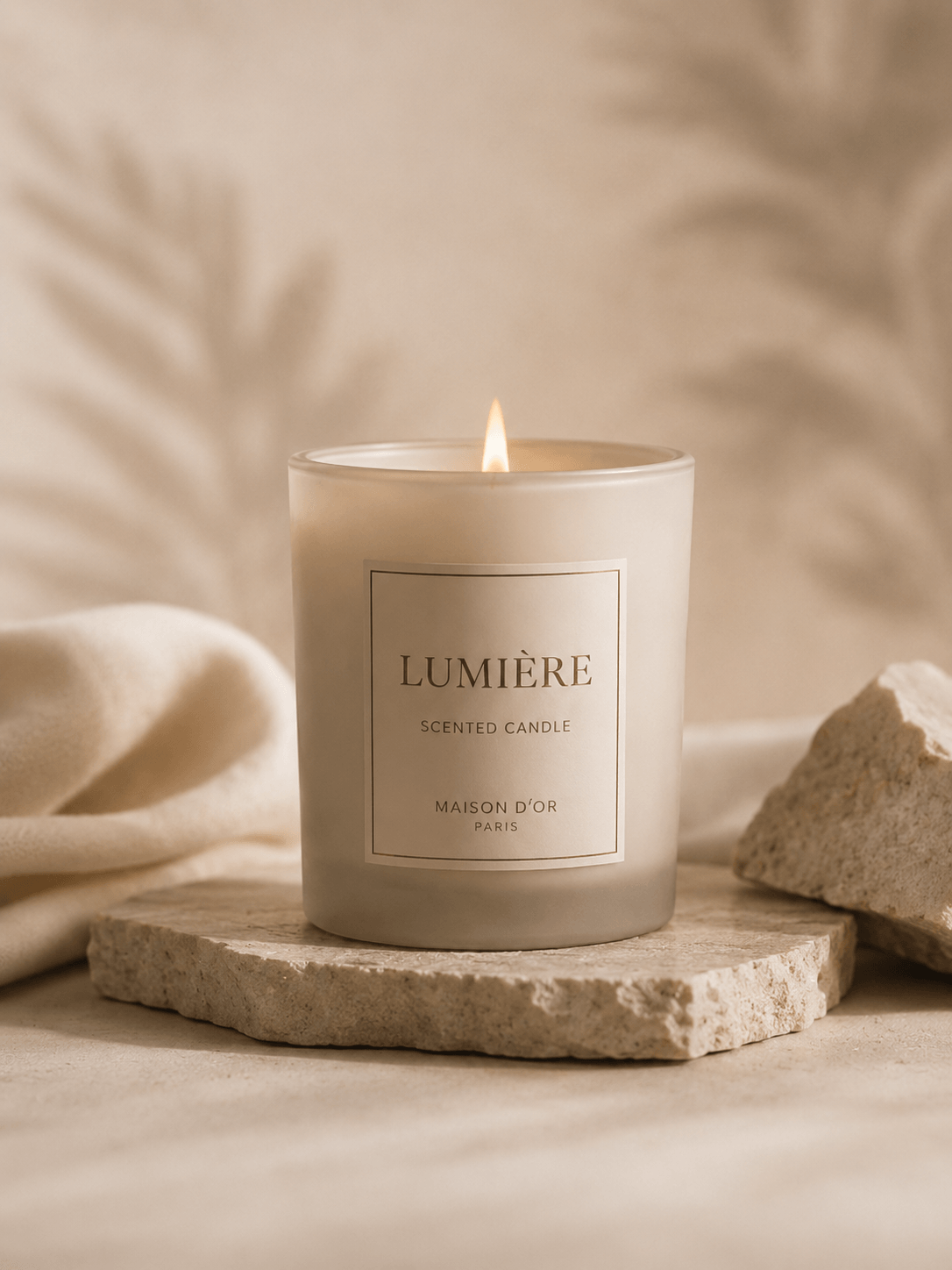
2. Build Consistent Brand Styles
A common challenge for ecommerce brands is maintaining visual consistency.
However, different photographers, locations, and lighting conditions can make product images feel disconnected.
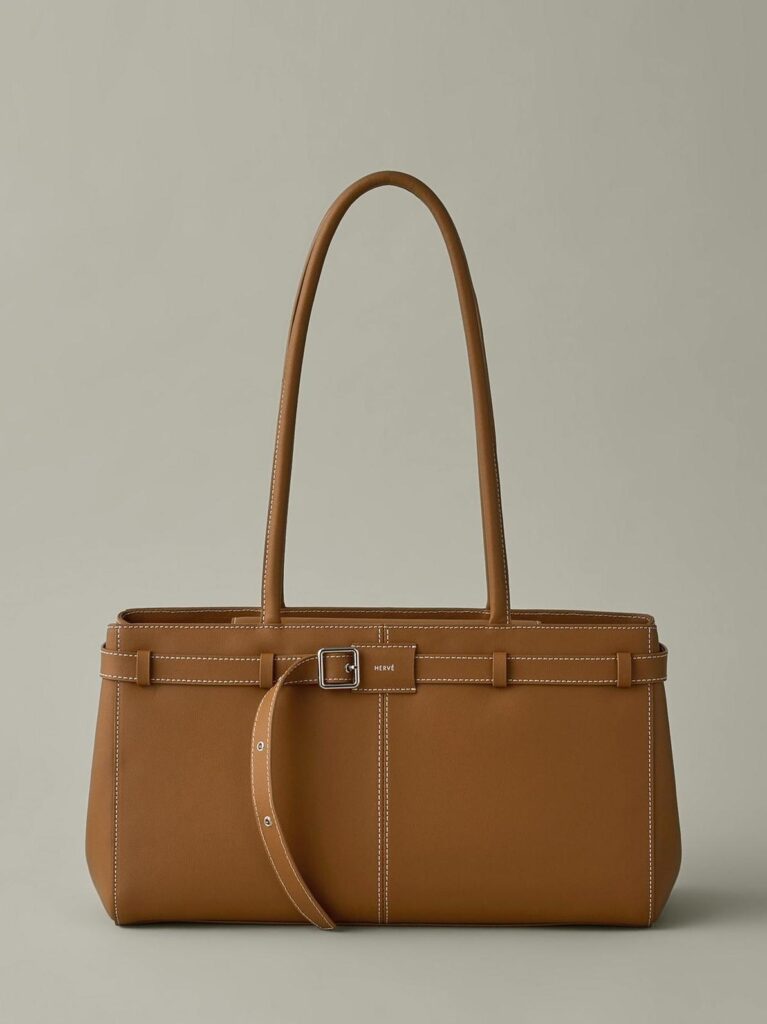
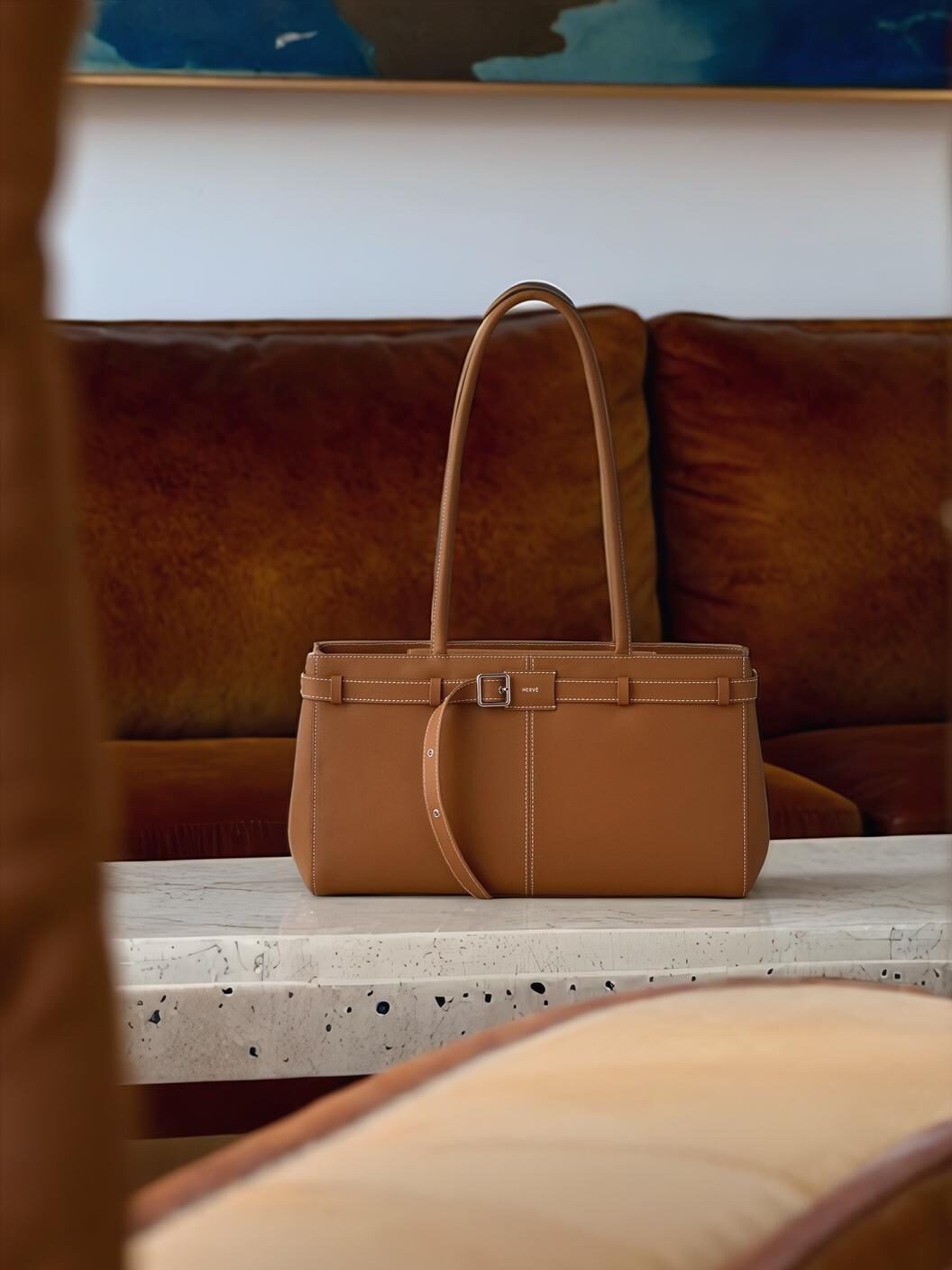
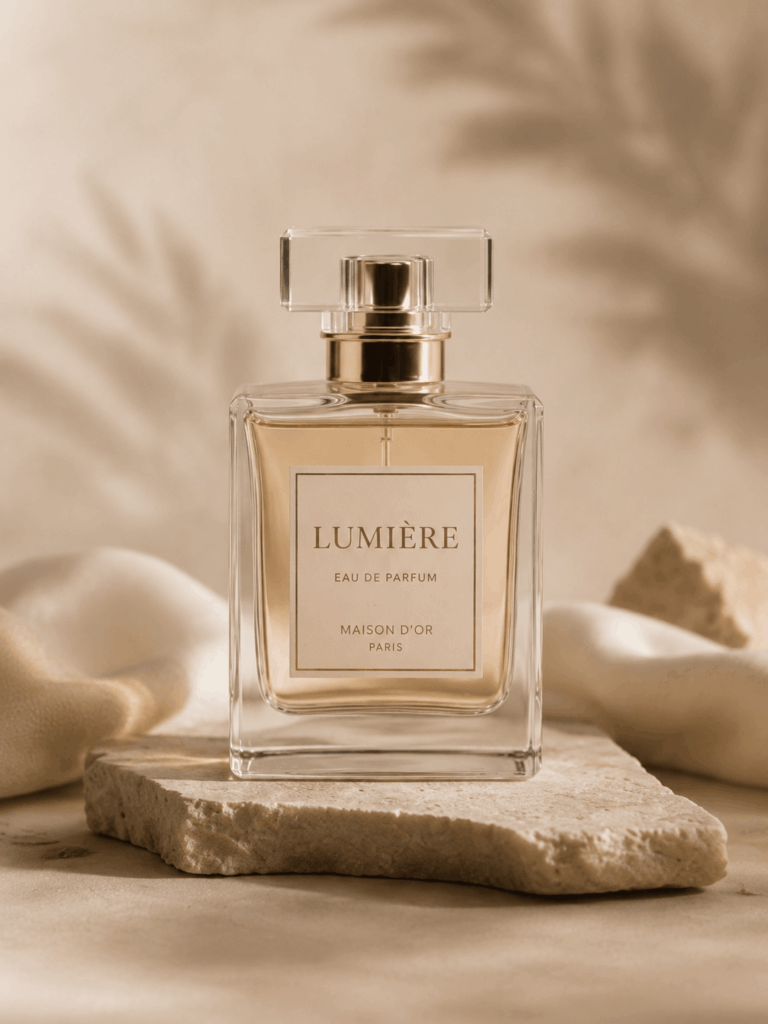
Therefore, with AI-generated scenes, brands can create a unified visual style across multiple products.
For example, a fashion brand can maintain the same luxury atmosphere across an entire collection, while a beauty brand can keep the same clean and elegant look for every product.
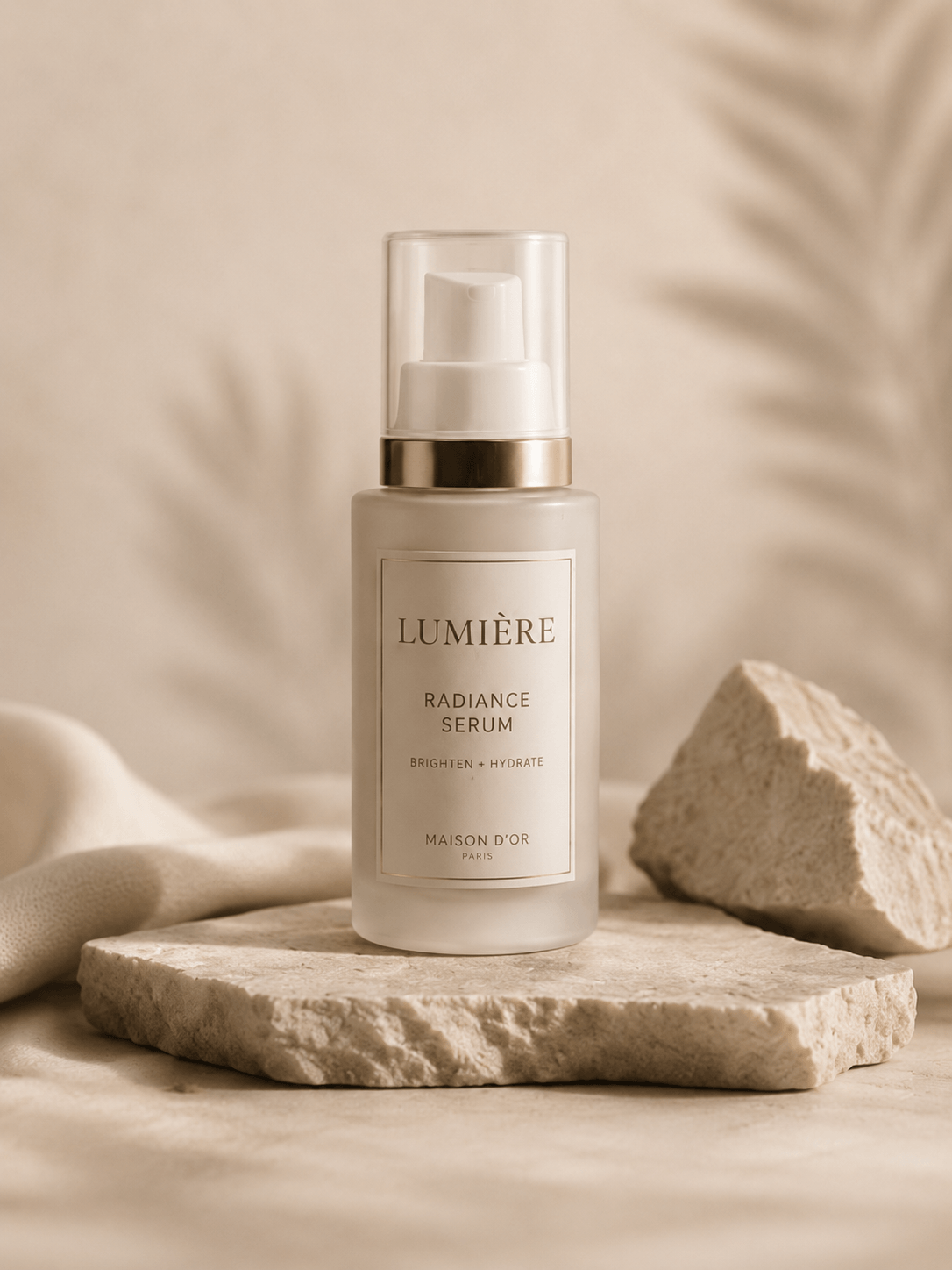
Consistent Brand Style
3. Create More Engaging Product Stories
Customers do not only buy products. They imagine how those products fit into their lives.
A coffee machine placed in a beautiful kitchen creates a different feeling from a simple white-background image.
Similarly, a perfume shown in an elegant evening setting communicates a different emotion than a basic product shot.
AI Product Photography helps brands move from simply showing products to creating experiences.
4. Reduce the Cost of Creating New Campaigns
Launching a new campaign often requires many image variations.
Previously, every new concept could mean additional photography costs.
Now, brands can test different creative ideas more efficiently. They can experiment with new styles, backgrounds, and moods before investing heavily in production.
How To Create AI Product Photography With WeShop AI Product
Creating professional product visuals does not need a complicated workflow.
With WeShop AI Product, brands can transform ordinary product photos into commercial-ready images through a simple process.
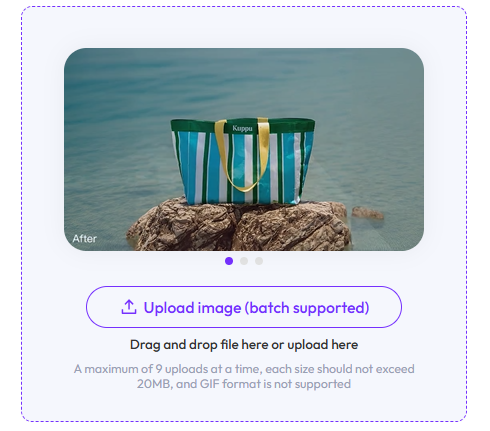
Step 1: Upload Your Product Image
First, start with a clear product photo. The image should show important details such as shape, color, and texture.
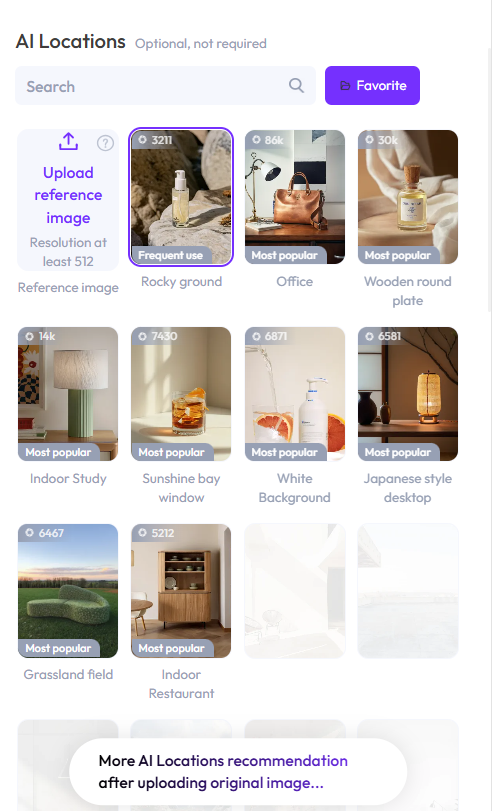
Step 2: Pick a Product Scene
Next, select an AI Location that matches your product style.
You can choose from different environments, such as indoor spaces, outdoor scenes, or premium lifestyle settings.
Step 3: Generate Your Product Scene
After choosing an AI Location, generate your new product image.
The tool creates a realistic scene while keeping important product details, such as shape, color, and texture.
Meanwhile, AI adjusts elements like lighting, background, and composition to make the image look more professional.
Step 4: Export Your Marketing Images
Once the image is ready, you can use it for different ecommerce needs.
For example, your AI-generated product images can be used for:
- Product pages
- Social media posts
- Online advertisements
- Marketing campaigns
As a result, one product photo can become multiple high-quality visuals for your brand.
Who Can Benefit From AI Product Photography?
AI Product Photography is useful for many types of businesses, including:
- Ecommerce brands
- Small online sellers
- Fashion businesses
- Beauty companies
- Product designers
- Marketing teams
Whether you are launching a new product or refreshing existing content, AI-powered visuals can help you create more possibilities from the images you already have.
FAQ About AI Product Photography
Can AI Product Photography replace traditional photography?
AI Product Photography does not completely replace professional photography. Instead, it helps brands create more variations and reduce the need for repeated photoshoots.
Do I need professional photography skills to create AI product images?
No. Most workflows are designed for everyday users. A clear product image is usually enough to start creating new visuals.
Are AI product images suitable for ecommerce stores?
Yes. When product details remain accurate and the generated scenes look realistic, AI product images can be valuable assets for ecommerce websites and marketing campaigns.
Create More Product Visuals From Every Image
Modern ecommerce requires more visual content than before. However, creating every image from scratch is not always practical. That is why AI Product Photography provides a more flexible solution.
AI Product Photography gives brands a smarter way to transform simple product photos into engaging visual experiences.
Instead of creating more photos from scratch, brands can create more possibilities from the products they already have.
Turn your product photos into professional marketing visuals with WeShop AI Product.
Go to WeShop AI For Exploration: