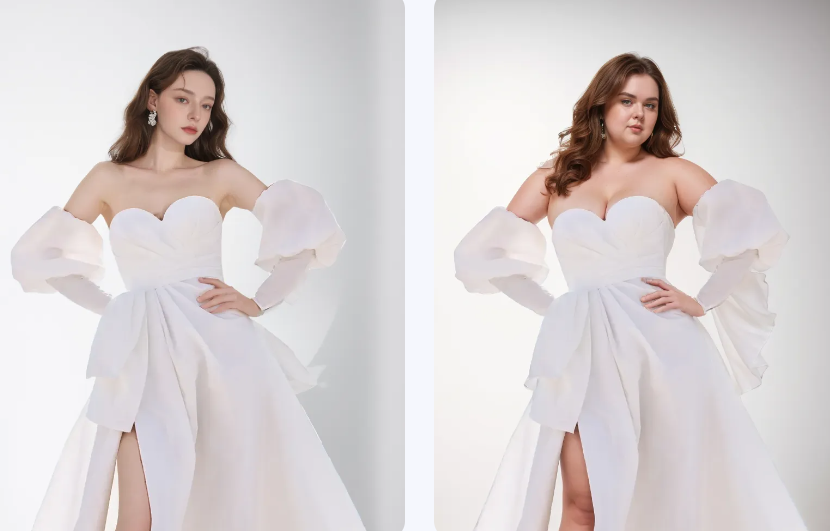
For clothing brands, visuals do more than fill a product page. They shape trust, style perception, and click-through rate. That is why the AI model trend is getting so much attention. It gives fashion teams a faster way to create polished, studio-quality model images without relying on traditional photoshoots. With WeShop AI, brands can generate diverse, realistic, and on-brand human models for campaigns, product showcases, and ads in a much simpler workflow.
Why AI Model Matters for Fashion Brands
Traditional fashion photography is expensive, slow, and hard to scale. You need models, locations, lighting, retouching, and scheduling. By contrast, WeShop AI positions its AI Model tool as a digital alternative that removes the need for physical photoshoots while still aiming for studio-quality results. That matters especially for merchants who launch new collections often or need fresh visuals for multiple channels.
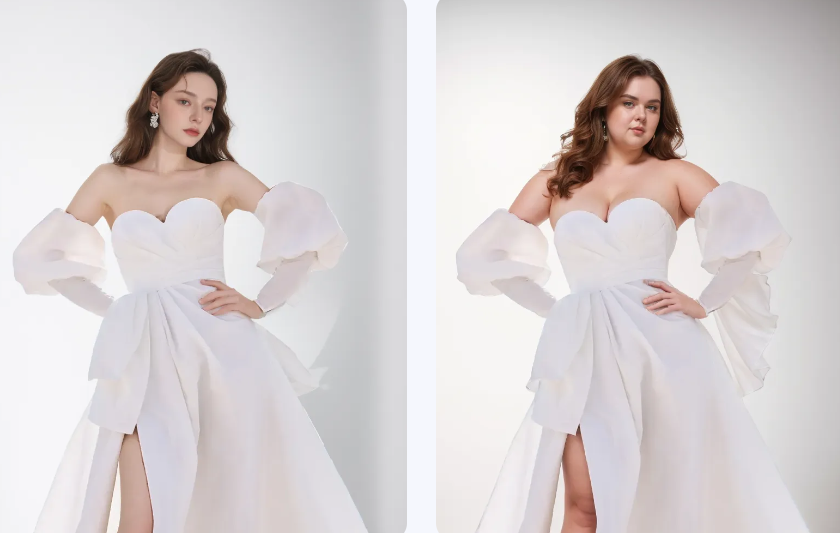
The real appeal is not just speed. It is flexibility. A clothing brand can test different body types, ethnicities, poses, and styling directions without restarting the whole production process. That makes the AI model approach especially useful for brands that sell across markets and need visuals that feel relevant to different audiences.
How it Works in WeShop AI
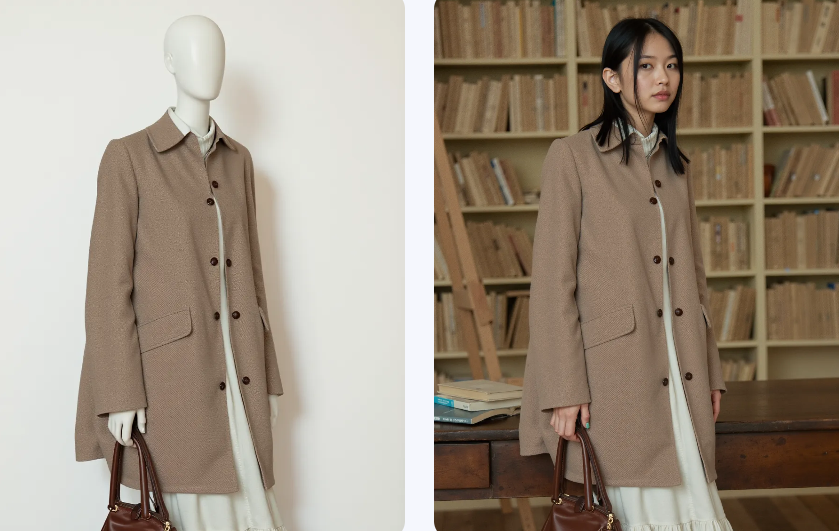
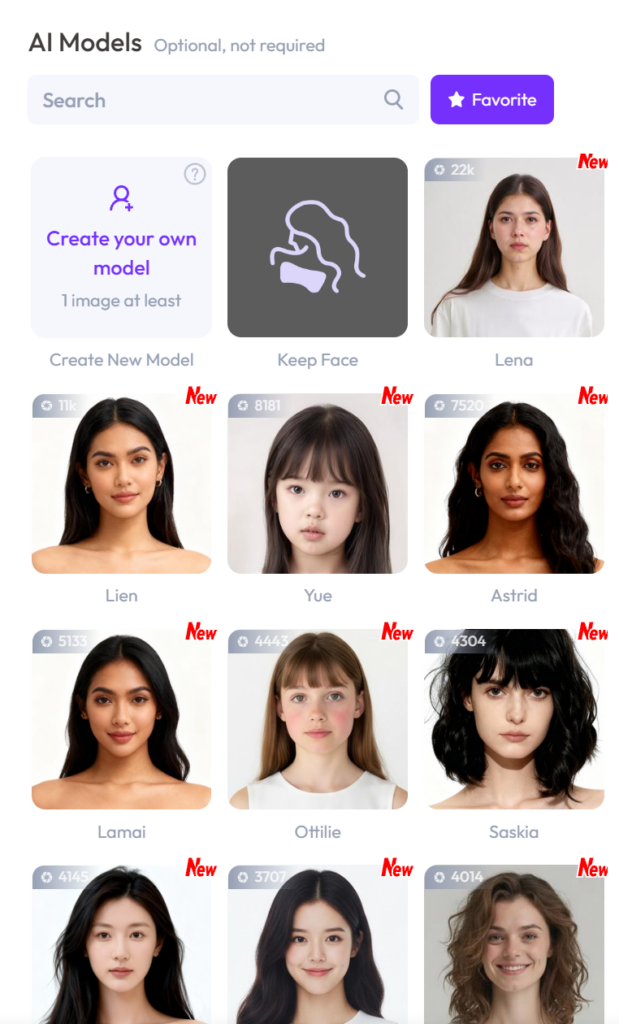
WeShop AI describes the AI Model workflow in a straightforward way: upload your assets, select a model or scene, generate, and download. The tool can work with product imagery or a model library, and it is designed to place garments onto virtual models with realistic lighting, poses, and backgrounds. In practice, that means less manual setup and a much faster path from product photo to campaign-ready image.
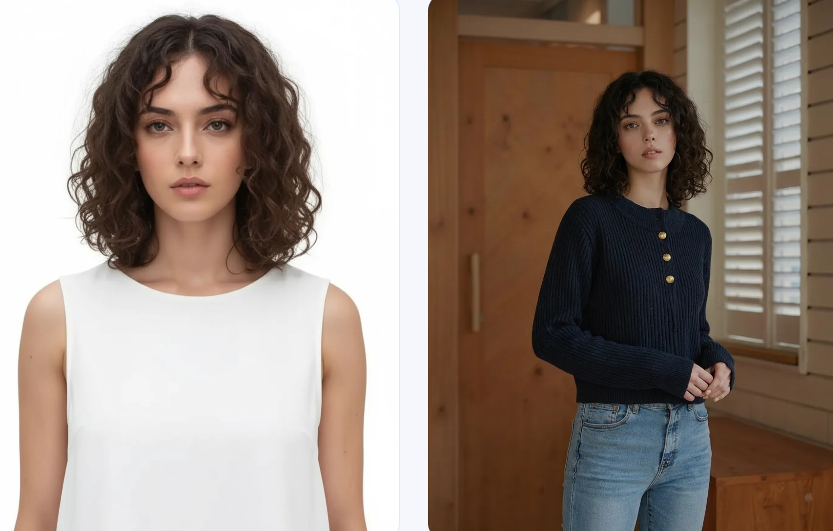
AI Model for Clothing Brands Starts With Better Inputs
The tool supports flat-lay shots, mannequin images, and photos of real models wearing garments. Higher-resolution uploads perform better, and the platform notes that clearer garment masking and careful output review can improve realism. So while the workflow is fast, the best results still come from clean source images.
Where AI Model Content Creates the Most Value
AI model visuals are especially useful when a brand needs to publish quickly and often. WeShop AI highlights several commercial use cases, including seasonal launches, product pages, social media content, A/B testing, marketplace listings, and ads. It also lists major commerce platforms such as Amazon, Etsy, Shopify, TikTok Shop, Shopee, and Lazada as strong fit scenarios.
For Product Pages
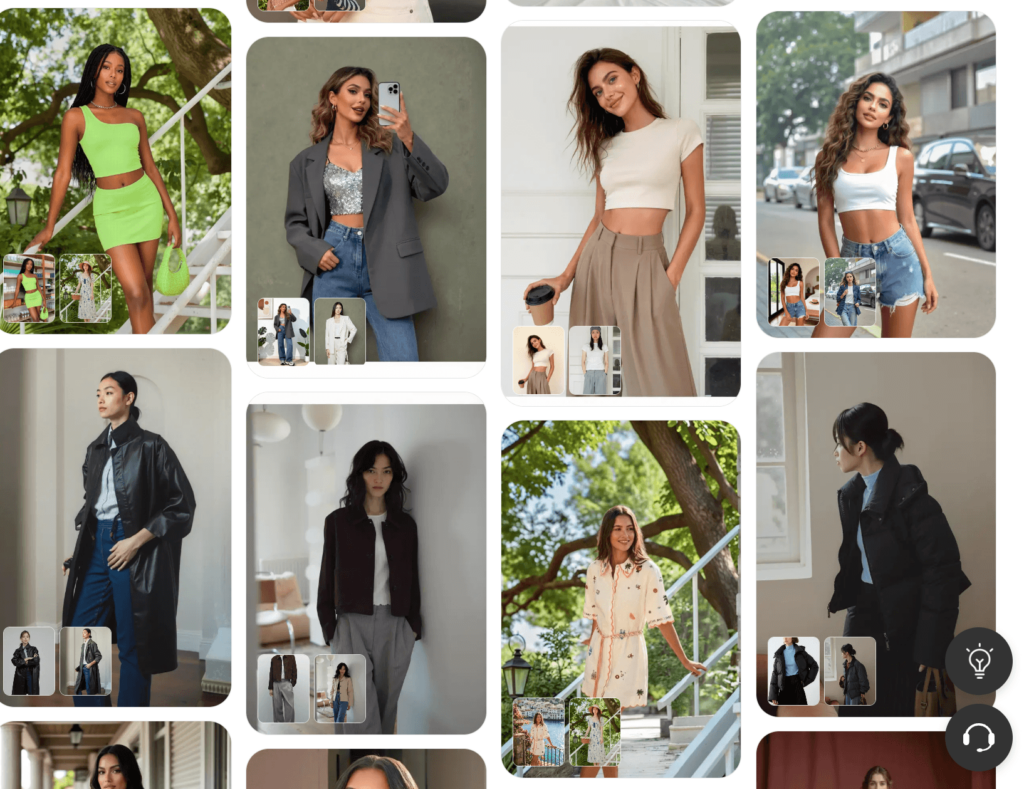
If a store only has flat-lay or hanger shots, the AI model workflow can turn those into on–model visuals that feel more complete and easier to shop from. That matters because customers often understand fit and style faster when they see clothing on a person rather than on a background alone. WeShop AI explicitly positions this as a way to improve product-page conversion.
For Ads and Campaign Testing
For performance marketing, variety is a real advantage. WeShop AI says brands can generate multiple model looks, poses, and lifestyle styles, then test which combinations work best in ads. That makes AI model content useful not only for design teams, but also for merchants who care about CTR, ROAS, and creative fatigue.
For Global and Inclusive Branding
Fashion buyers respond to representation. WeShop AI states that users can generate models across different body types, ethnicities, and aesthetics, which helps brands tailor visuals to different regions and customer segments. For clothing brands, that means one product can be presented in a more inclusive and commercially adaptable way.
Why WeShop AI Is a Strong AI Model Choice
There are many tools that promise speed. The difference here is that WeShop AI pairs speed with commercial use cases that are easy for merchants to understand. Its AI Model tool is described as creating high-quality, commercially usable model images for e-commerce, marketing, and social media, while maintaining a consistent brand feel across outputs.
It is also worth noting the onboarding angle. WeShop AI’s own blog says new users can claim 200 free points, which gives brands a low-friction way to test the platform before committing further. That makes the CTA easier to justify for cautious shoppers who want to see real output first.
AI Model vs Traditional Photoshoots
The biggest shift is not that AI replaces taste. It is that AI removes bottlenecks. Traditional photography still has a place, but for many clothing brands, it is no longer the only way to get polished model imagery. WeShop AI frames its AI Model tool as a faster, lower-cost, and scalable alternative that still aims for professional, brand-ready results.
That is why this format works so well for lean teams. A small store can launch new arrivals faster, refresh old inventory, and create more content without turning every product update into a production project. In a market where speed matters, that is a serious advantage.
Final Takeaway
If your brand sells clothing, the AI model workflow is more than a trend. It is a practical way to create stronger visuals, move faster, and keep your creative output consistent. For merchants who want modern fashion imagery without the overhead of a full shoot, WeShop AI offers a clear starting point.


Ready to explore more? Discover our full suite of innovative AI-powered tools to elevate your lifestyle and professional creativity: