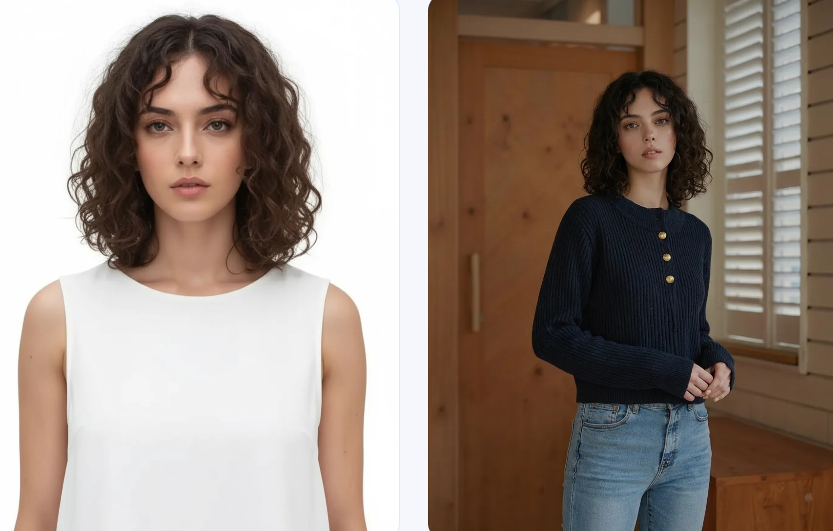
Something has changed in fashion content, but the shift is easy to overlook if everything still gets labeled as a “tool.”
The word feels safe. It suggests control, simplicity, and a familiar workflow. You use a tool, you get a result, and you move on. For a long time, that description worked.
It does not quite hold anymore.
What we are seeing now is not just faster production or cleaner edits. Systems like WeShop AI are beginning to reshape how visuals are imagined from the start. The difference is subtle at first, but once it becomes clear, it is difficult to unsee.
A tool improves a process.
An AI model quietly rewrites it.
That is where this conversation really begins.
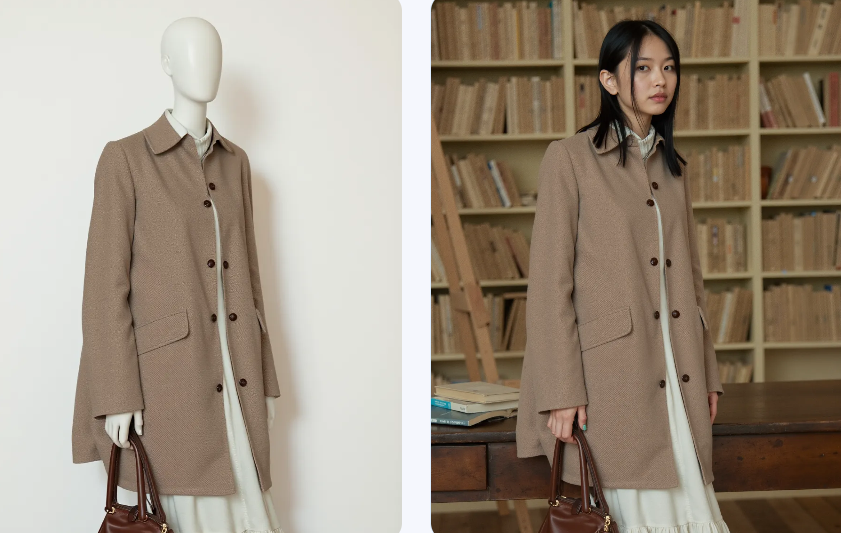
From Production Burden to AI Model–Driven Possibility
When traditional workflows start to feel too rigid
Fashion imagery has always depended on coordination. A single shoot requires timing, budget, and alignment across multiple moving parts. Even small adjustments can trigger a chain reaction of delays.
For years, this was simply accepted as part of the craft.
But acceptance does not mean efficiency.
How the AI model changes the starting point
An AI model does not begin with logistics. It begins with possibility.
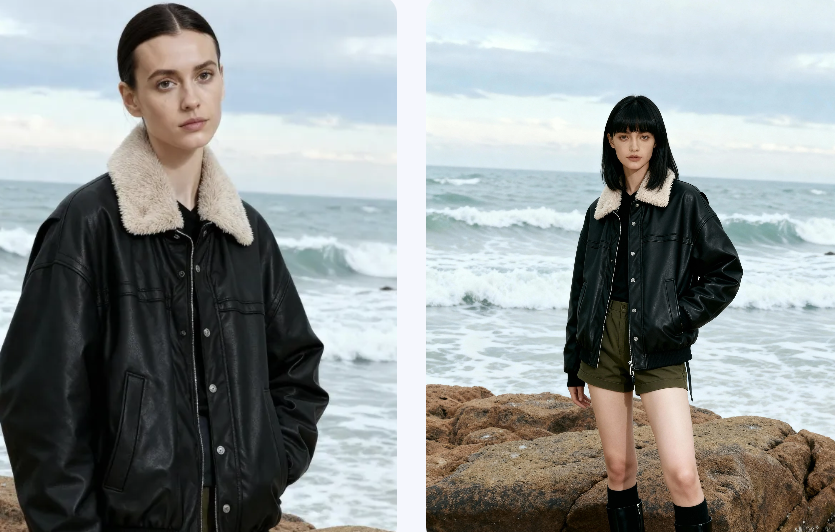
Instead of asking what can be captured in a scheduled shoot, brands can explore what could exist visually before anything is fixed. Different identities, different moods, different environments can all be tested without rebuilding the entire process each time.
The model becomes part of the creative foundation, not just a step along the way.
And once that shift happens, the workflow starts to feel lighter, more open, and far less constrained by physical limits.
Why the AI Model Matters More Than the Tool
A tool executes. An AI model defines the outcome
The distinction may sound small, but it changes how people think.
A tool suggests function. It answers the question: what can this do?
An AI model suggests structure. It answers a deeper question: what kind of image can exist?
The focus starts to move away from execution and toward expression. It shifts focus from clicking through features to shaping visual meaning.
What this shift unlocks for visual storytelling
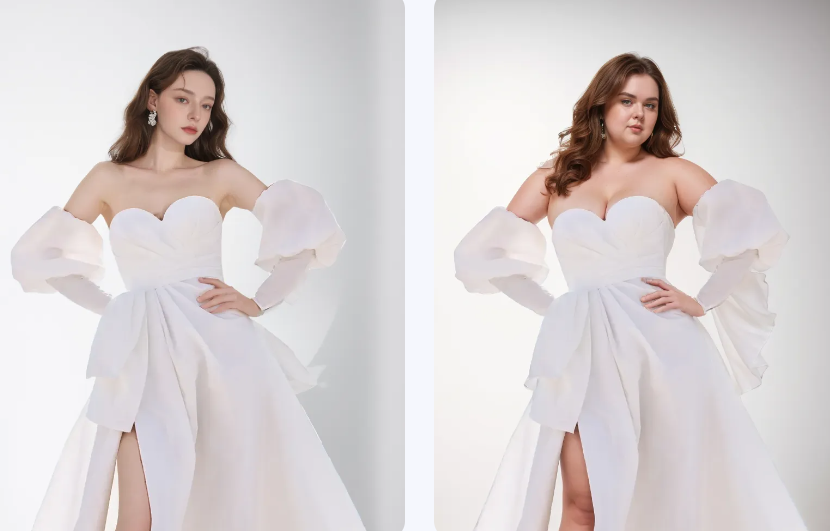
With a model-based system, the output is no longer limited to a fixed interpretation of a product. A single piece can appear across multiple identities and visual contexts without losing coherence.

The same product can feel refined in one setting, relaxed in another, and expressive in a third. These are not minor variations. They are different narratives built around the same object.
Over time, this creates a more flexible and responsive visual language for the brand.
The Old Workflow Was Linear. The AI Model Workflow Is Exploratory
Why traditional production narrows creative options
A typical production process follows a straight line. Once a concept is chosen and a shoot is completed, most of the decisions are already locked in. Changes become incremental rather than directional.
That structure works, but it limits discovery.
How an AI model expands the creative space
An AI model introduces a different rhythm.
Instead of committing early, brands can explore broadly and refine later. Multiple visual directions can coexist, evolve, and compete before one becomes final. The process becomes less about executing a plan and more about discovering the strongest version of an idea.
This matters because fashion is not only about presenting a product. It is about shaping how that product is perceived.
And perception is rarely linear.
What Makes AI Model–Based Content Feel Different
It is not just about realism anymore
Many discussions around AI still revolve around visual quality. Resolution, lighting, texture—all of these matter, but they are no longer the main attraction.
Realism is expected. It is not enough on its own.
Range and adaptability define the new standard

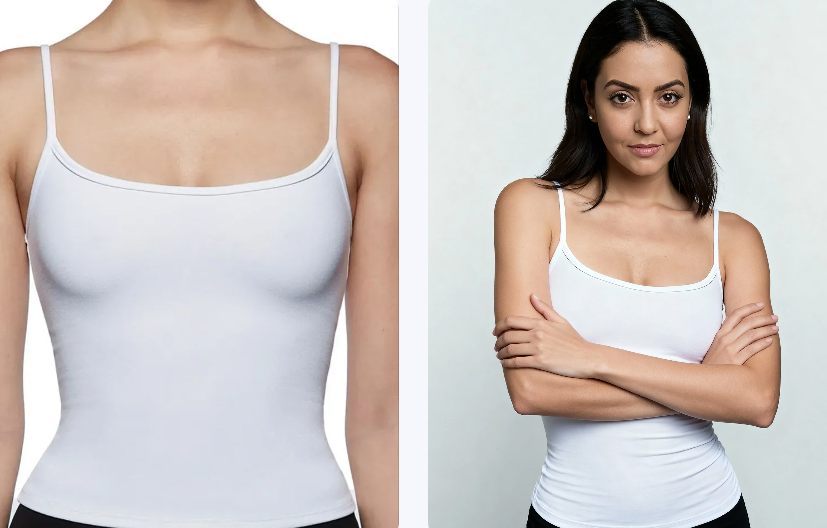
What stands out now is the ability to create variation with intention.
A product can move across different body types, cultural contexts, and stylistic directions without losing its identity. Content becomes less static and more adaptive. It responds to audience, platform, and purpose in a way that traditional workflows struggle to match.
That sense of movement is what makes the content feel alive.
Why AI Models Are Reshaping Fashion Content Strategy
The first impression carries more weight than ever
In fashion, the visual does not support the product. It introduces it.
Before any details are read or compared, the image has already shaped expectation and trust. If that first impression feels generic or outdated, the rest of the message has to work harder to recover attention.
AI models help brands stay visually responsive
An AI model allows brands to adjust faster. Not just in production speed, but in visual direction.
Campaigns can adapt to different markets. New ideas can be tested without large commitments. Older assets can be reinterpreted instead of discarded.
This flexibility does not replace strategy. It strengthens it.
Because a brand that can respond visually in real time has a distinct advantage over one that must wait for the next production cycle.
The Limits of AI Models—and Why They Matter
Where the AI model still struggles
No system is without friction.
Certain garments remain difficult to interpret. Fine styling details can shift unexpectedly. Consistency across a large set of outputs still requires attention and adjustment.
These are not minor issues, especially for brands with a strong visual identity.
Why these limits do not reduce the value
At the same time, these limitations highlight something important.
The model expands what is possible, but it does not replace judgment. It still relies on human direction to refine, select, and guide the outcome.
That balance is what keeps the process grounded.
The goal is not perfection on the first try. It is a broader field of exploration, guided by a clearer creative eye.
Rethinking How We Talk About AI Models
Moving beyond feature lists
When content focuses only on features, it tends to flatten the experience. Everything becomes a checklist, and nothing stands out.
That approach may explain functionality, but it rarely creates interest.
Framing AI models as creative systems
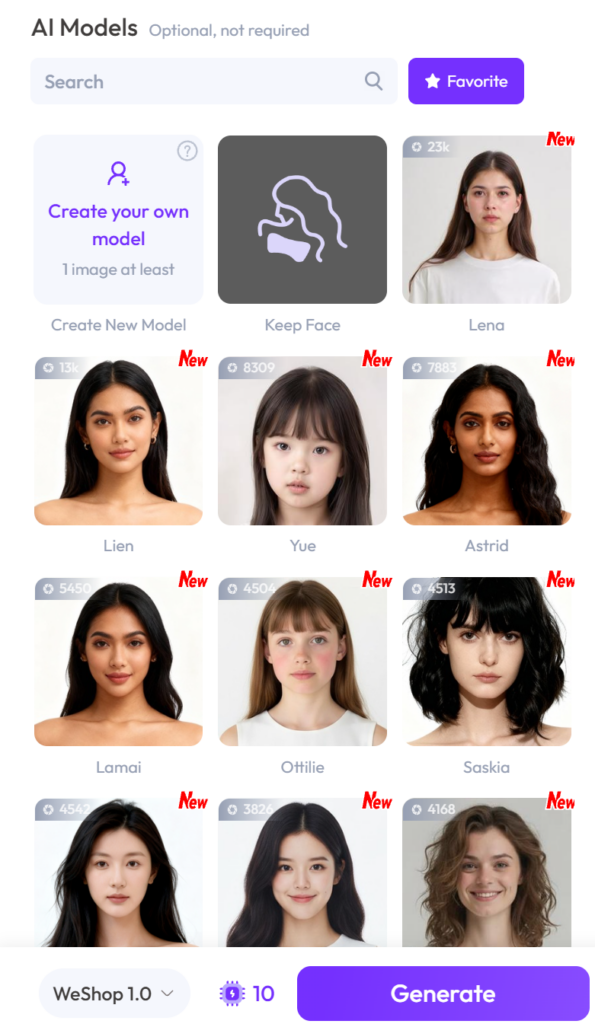
A more effective way to present systems like WeShop AI is to treat them as part of a creative ecosystem.
Instead of asking what the tool does, it becomes more meaningful to ask what kind of visual world it enables.
That shift in framing brings depth to the content and gives readers a clearer sense of why it matters.
The Real Opportunity Behind AI Models
Beyond efficiency, toward creative freedom
Faster production is only the beginning.
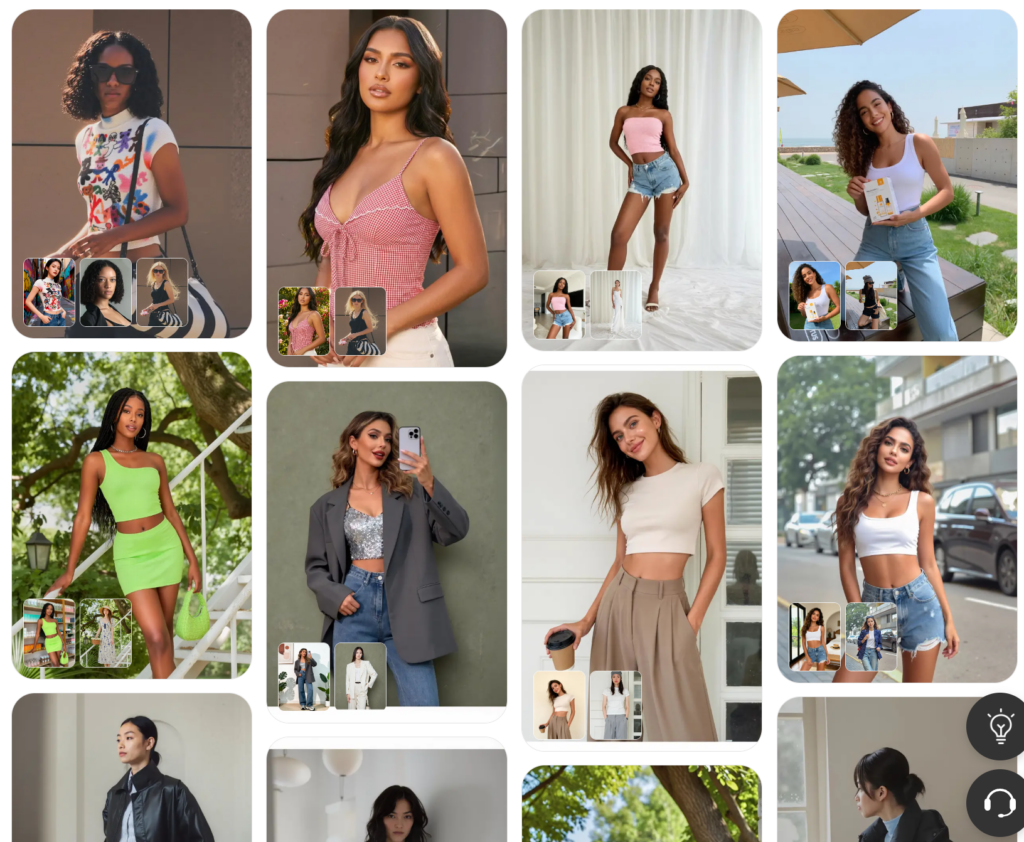
The larger opportunity lies in how brands can think differently. With fewer constraints, ideas can develop more freely. Campaigns can evolve instead of remaining fixed. Visual identity can adapt without losing coherence.
The AI model as a long-term advantage
Over time, this flexibility becomes strategic.
Brands that can explore more directions, test more variations, and respond more quickly will not just produce more content. They will build stronger visual instincts.
And that advantage compounds.
Closing Thought
The shift is not about replacing one tool with another.
It is about moving from a workflow built on limitation to one shaped by possibility.
AI models are not simply speeding things up. They are redefining how fashion content is created, tested, and experienced.
Once that perspective settles in, the old way of thinking starts to feel smaller.
And the question is no longer how to use the tool.
It becomes something more open, and more interesting:
What should exist next?