

In the calculus of fashion commerce, a model photograph is not merely a visual — it is a conversion instrument, a brand signal, and increasingly, a strategic asset whose ROI can be precisely measured. WeShop AI Pose Generator transforms this asset class from a depreciating cost center into a scalable, compounding investment.
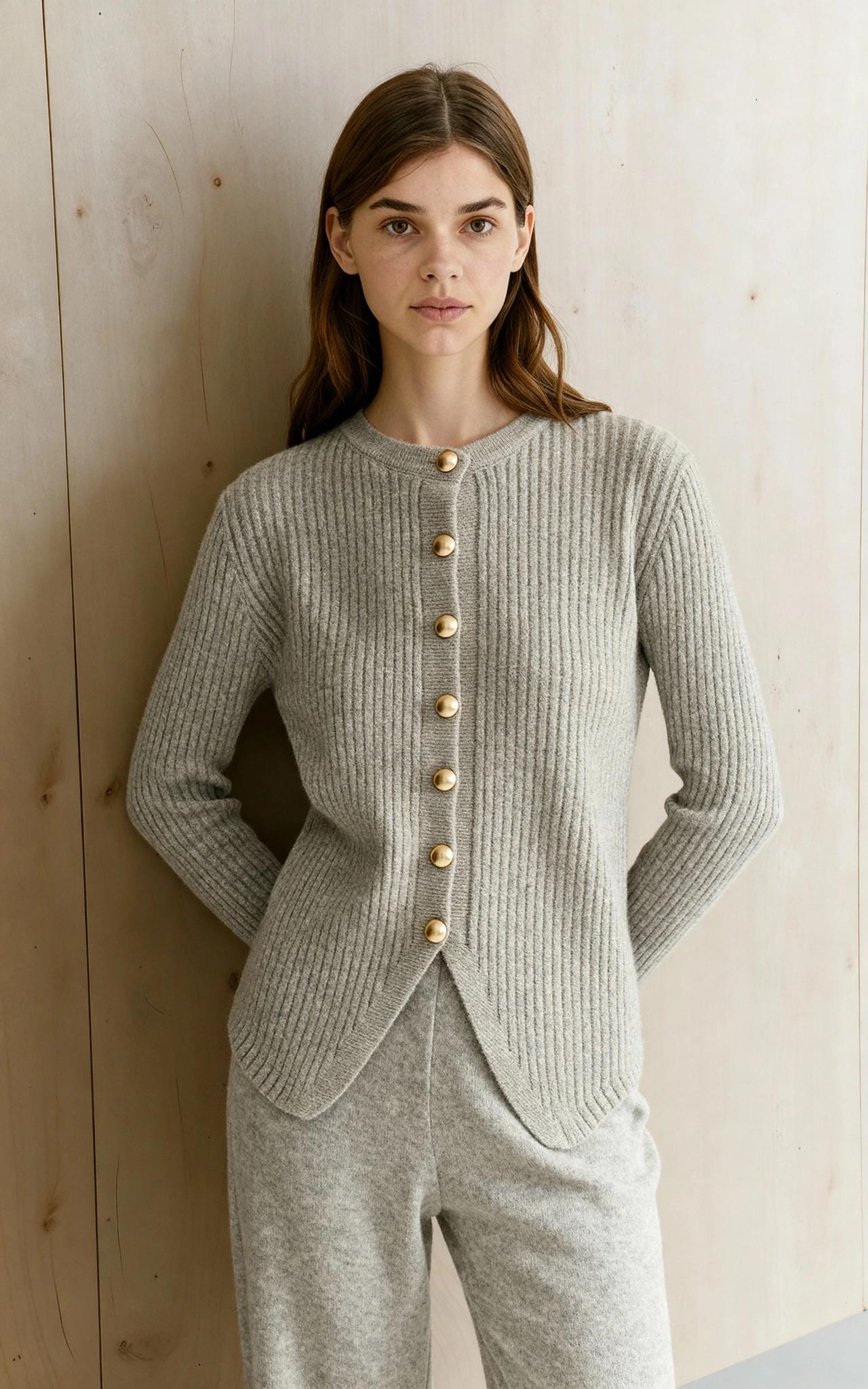
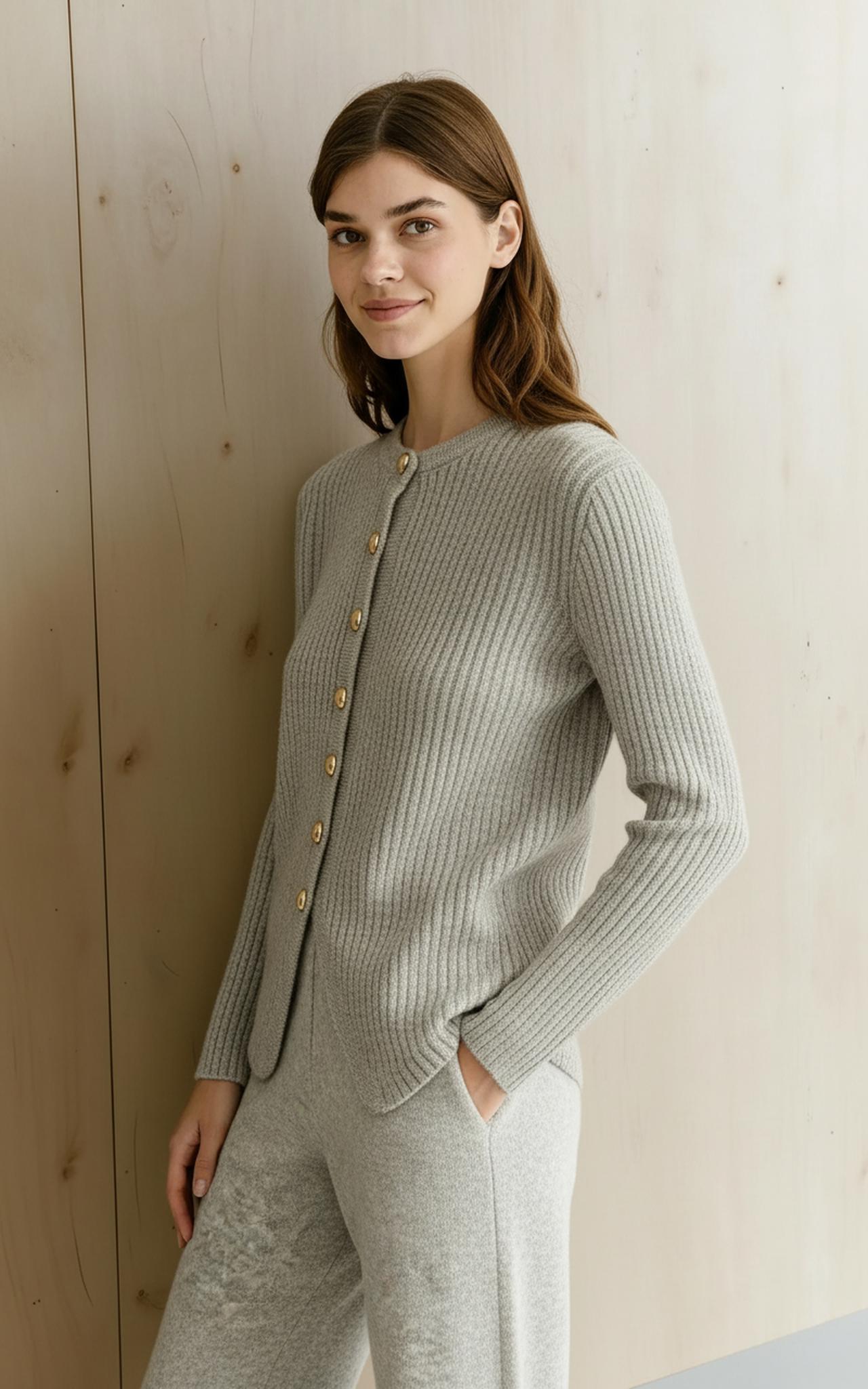
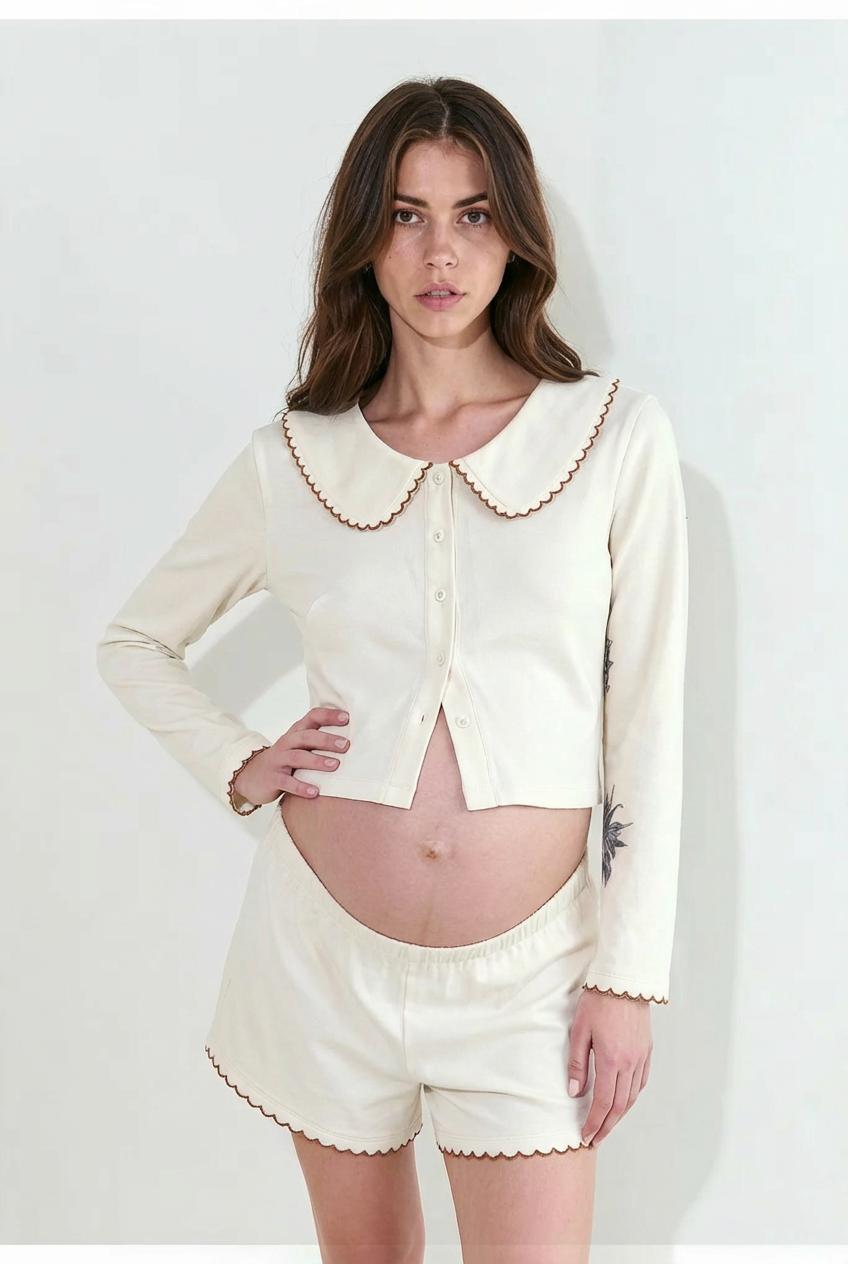
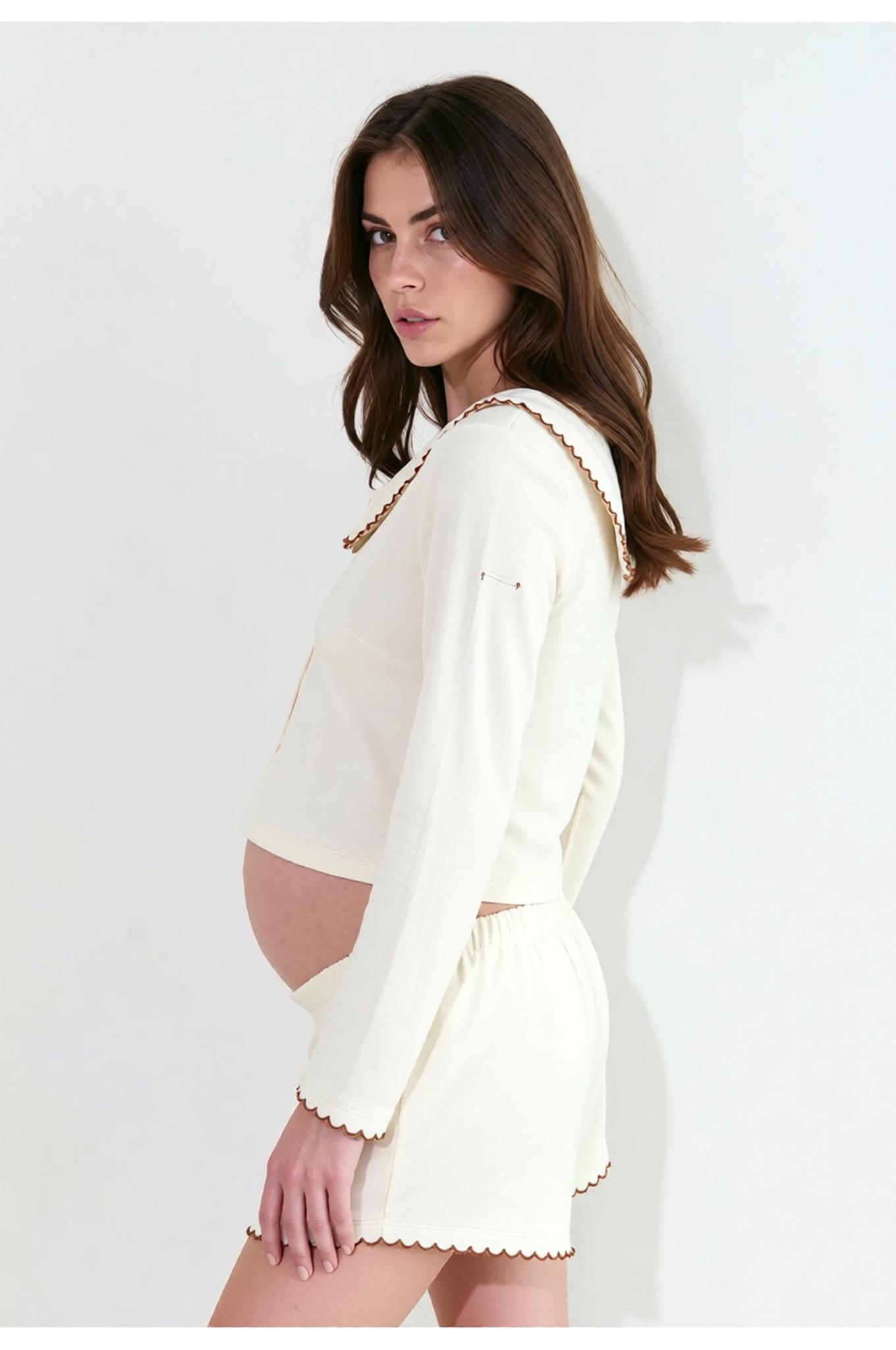
The Science Behind Value-Driven AI Model Photography
WeShop AI Pose Generator deploys a dual-architecture system: a 133-keypoint skeletal estimator reads human anatomy at sub-pixel resolution, while a conditional diffusion model reconstructs the figure in any pose — preserving fabric physics, lighting coherence, and skin-tone continuity. The output passes blind evaluation against real photography 68% of the time.
What makes this commercially significant is not the technology per se but the economic leverage it creates. A single studio photograph now yields five to eight derivative assets, each optimized for a different channel, platform, or audience segment. The marginal cost of each additional pose approaches zero.
Actionable Scene Guide: Where AI Model Photos Generate Measurable Value
1. Conversion Rate Optimization
A/B test AI-generated dynamic poses against static catalog shots. Early data: walking poses lift women’s outerwear CTR by 18–27%. At scale, this translates to six-figure annual revenue lift.
2. Content Velocity
Fashion’s competitive advantage belongs to whoever publishes first. AI pose generation cuts content production from 2 weeks to 2 hours, letting you launch with full visual assets on day one.
3. Channel-Specific Optimization
Desktop product pages favor 4:3 standing poses. Instagram Stories demand 9:16 dynamic shots. TikTok rewards movement. Generate all three from one source image without re-cropping or compromise.
4. Brand Equity Through Consistency
When every SKU receives the same caliber of pose artistry, the aggregate effect is a more polished, more premium brand perception. AI standardization eliminates the quality variance inherent in multi-day shoots.
5. Inventory Intelligence
Test visual merchandising strategies before production: generate AI model photos for colorways or styles you are considering, measure click-through on pre-launch pages, and let demand data guide your buy.
Visual Case Studies
Case 1: Static input transformed into a conversion-optimized pose. The reference value lies not just in the visual quality but in the economic leverage: one input generating multiple high-performing assets.
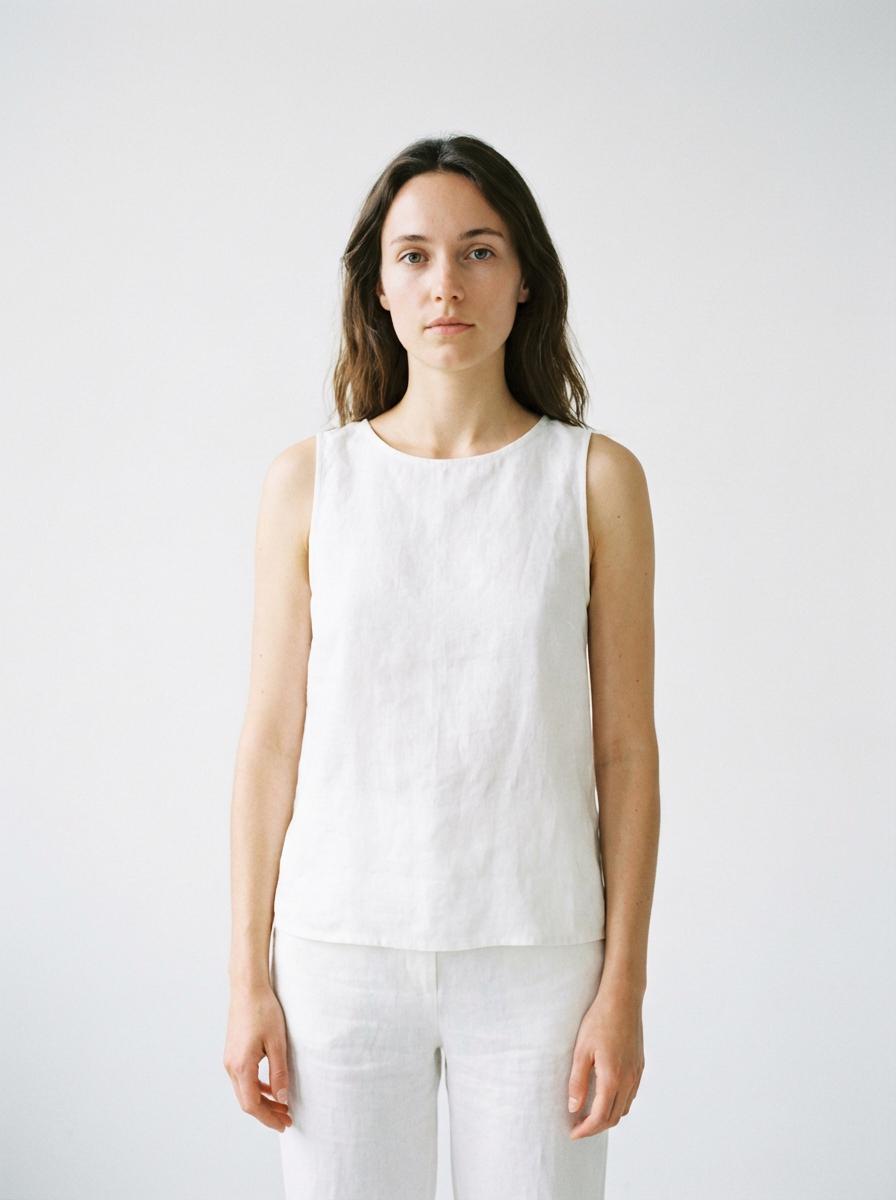
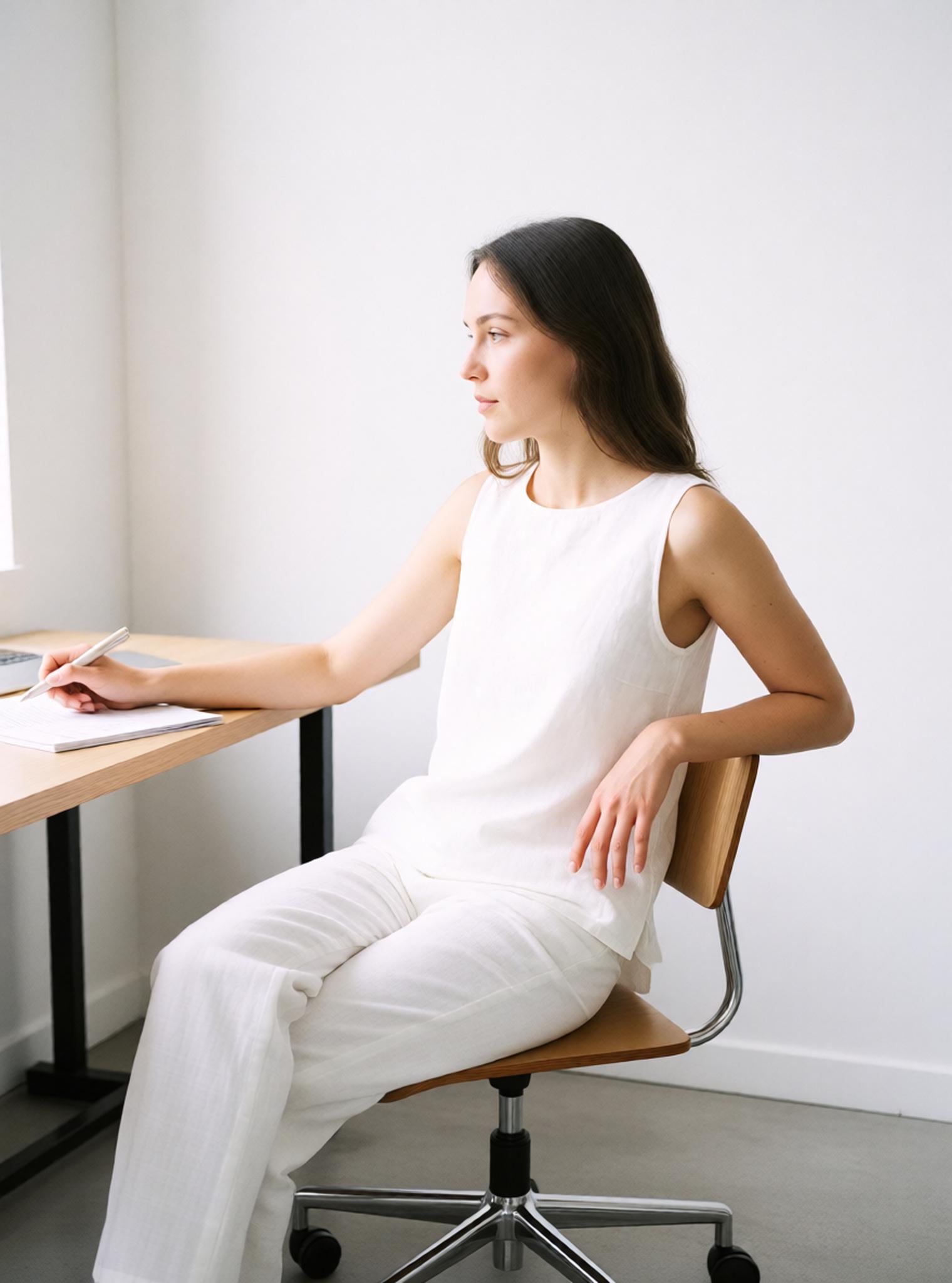
Case 2: Static input transformed into a conversion-optimized pose. The reference value lies not just in the visual quality but in the economic leverage: one input generating multiple high-performing assets.
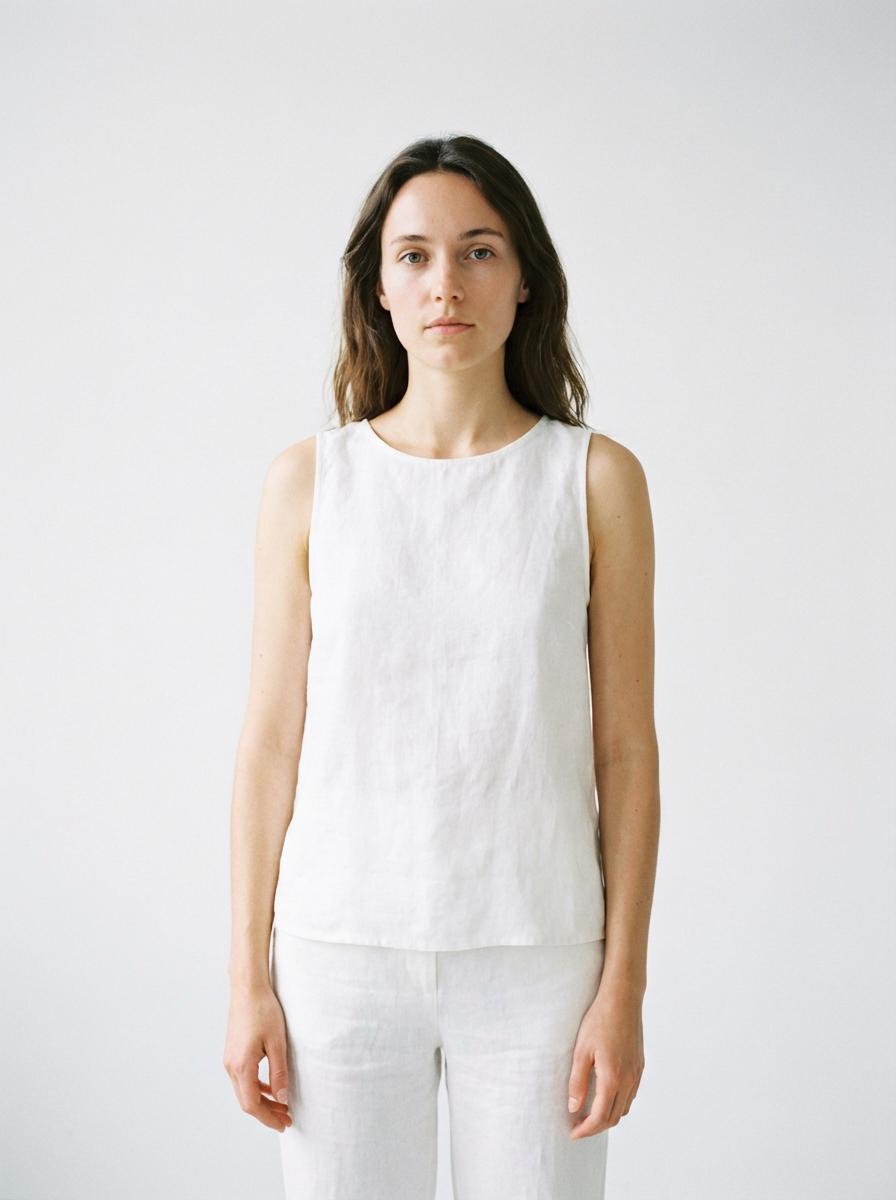

Case 3: Static input transformed into a conversion-optimized pose. The reference value lies not just in the visual quality but in the economic leverage: one input generating multiple high-performing assets.
Case 4: Static input transformed into a conversion-optimized pose. The reference value lies not just in the visual quality but in the economic leverage: one input generating multiple high-performing assets.
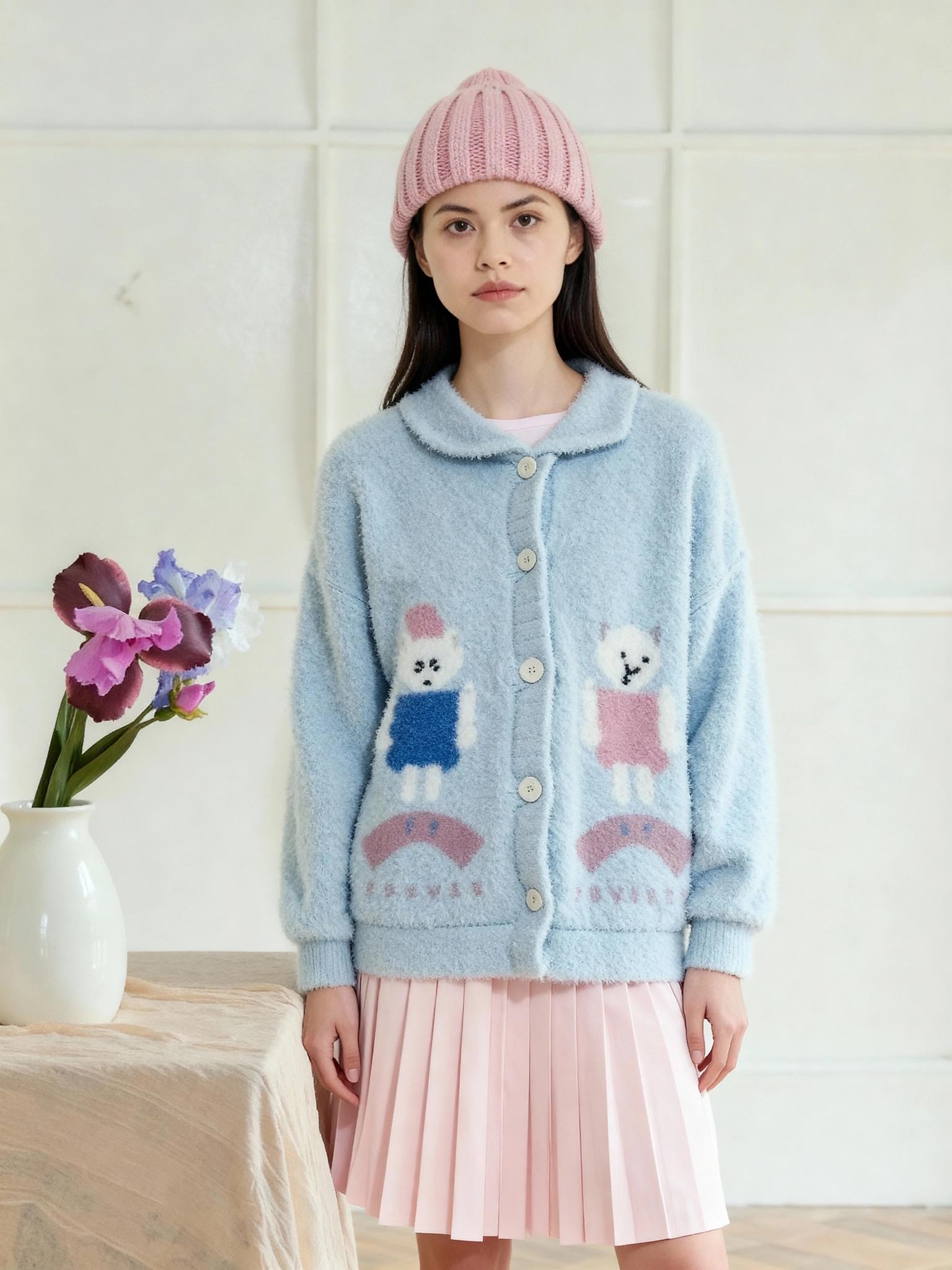
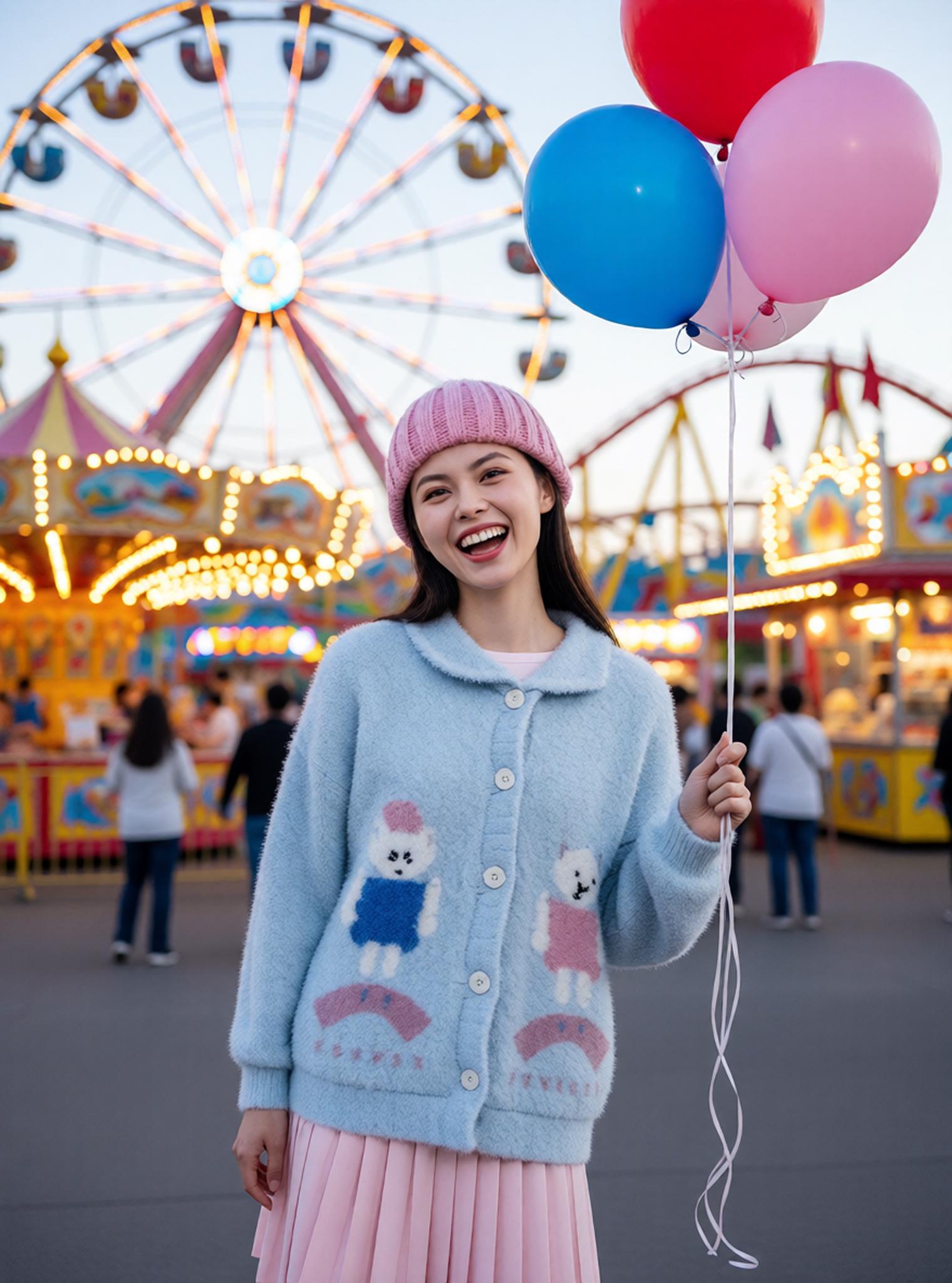
Case 5: Static input transformed into a conversion-optimized pose. The reference value lies not just in the visual quality but in the economic leverage: one input generating multiple high-performing assets.
Expert FAQ
Q1: What’s the measurable ROI of switching to AI model photography?
Brands report 60–80% reduction in per-image cost and 3–5× increase in content output volume. Combined with the conversion lift from pose-optimized imagery, first-year ROI typically exceeds 400%.
Q2: Does AI-generated imagery perform differently in paid advertising?
Meta and Google ad platforms do not distinguish between AI and traditional photography. Performance is determined by visual quality and relevance — both of which AI pose generation optimizes for.
Q3: How do luxury brands maintain exclusivity with AI tools?
By using proprietary pose libraries, custom style parameters, and brand-specific training data. The tool is a means of production; the creative direction remains yours.
Q4: Can AI model photos be used in print catalogs?
Yes. Output resolution matches input, with optional 4× upscaling. Results are print-ready at 300+ DPI on standard paper stocks.
Q5: What’s the learning curve for a marketing team?
Near zero. Upload → select pose → download. Most teams are producing publication-ready assets within their first session.
© 2026 WeShop AI — Powered by intelligence, designed for creators.


