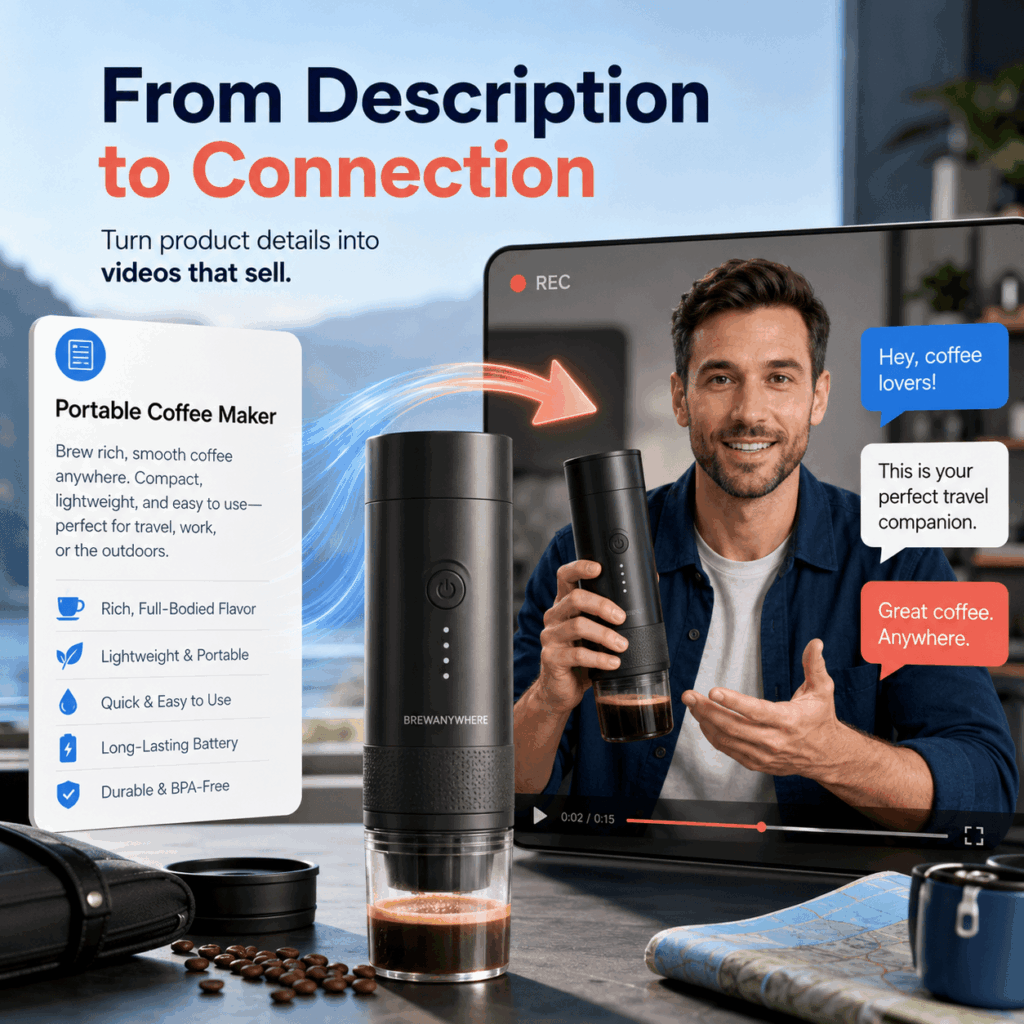
A product description can explain what an item does. However, it cannot always hold a shopper’s attention. AI Spokesperson Video offers another way to present the same information. It turns written product details into clear, presenter-led sales videos.
This approach is useful for ecommerce brands. After all, many stores already have product titles, benefits, features, and FAQs. The information exists, but it often stays inside long blocks of text.
With the right script, that content can become a short product video. A digital presenter can introduce the item, explain its value, and guide the viewer toward the next step. Therefore, brands can create more video content without planning a full shoot.
Why Product Descriptions Often Lose Shoppers
Product descriptions still matter. They provide details that images cannot always show. However, many online shoppers scan a page instead of reading every line.
Long paragraphs can make simple products feel difficult to understand. In addition, technical terms may hide the real benefit. A shopper may see the features but still ask, “Why should I buy this?”
Video can make that answer clearer.
A presenter can highlight the main benefit first. Then, product images can support the message. As a result, the shopper receives the same information in a faster and easier format.
For example, a product page may say:
“Made with a lightweight, water-resistant outer material.”
A short sales video could say:
“Need a bag for busy travel days? This lightweight design helps protect your essentials without adding extra weight.”
The second version does more than list a feature. Instead, it connects that feature to a real customer need.

How AI Spokesperson Video Changes Product Content
Traditional video production can require a presenter, a camera, lighting, and editing. It may also need several rounds of review. Therefore, creating a separate video for every product can become expensive.
AI Spokesperson Video uses a simpler workflow. First, the brand prepares a short script. Next, it selects a suitable presenter and voice. Then, it combines the presentation with product visuals.
Because the script drives the video, updates are easier. A brand can change a benefit, add a new offer, or create another language version without arranging another shoot.
This flexibility is valuable for stores with many products. It is also useful for seasonal campaigns, product launches, and fast social content.
Turn Features Into Customer Benefits
A strong sales video should not read a list of specifications. Instead, it should explain why those details matter.
Consider these two lines:
“Battery capacity: 10,000 mAh.”
“Stay connected during long travel days with enough backup power for your phone and other small devices.”
The first line gives a fact. Meanwhile, the second line explains the value behind that fact.
Before creating a video, brands should review each feature and ask one question:
What does this help the customer do?
That simple step can make the script sound more useful and less like a product catalog.
Make the Product Feel Easier to Understand
Some products need more explanation than others. Skincare items may need usage steps. Electronics may need setup guidance. Fashion products may need fit or styling advice.
In these cases, a presenter can guide the viewer through the key information. At the same time, close-up product visuals can show important details.
For instance, a skincare video could explain when to use a serum. A product shot could then show its texture and packaging. Together, these elements create a clearer message.
Where Ecommerce Brands Can Use These Videos
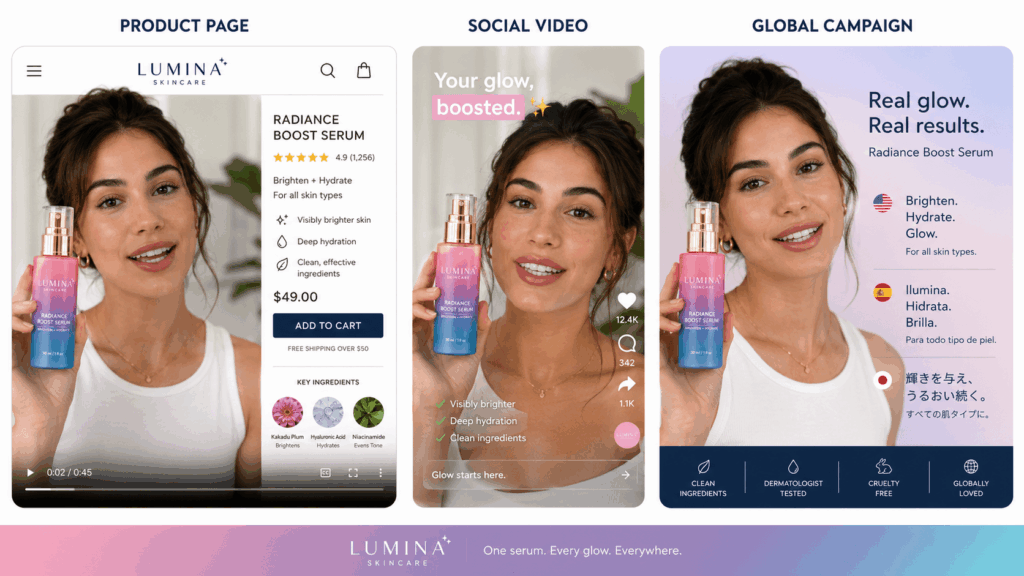
One product description can support several types of sales content. Therefore, brands do not need to create a completely new idea for every platform.
Product Page Videos
A product page video can answer the questions that stop a shopper from buying.
It may explain:
- What the product does
- Who it is for
- How to use it
- Which benefit matters most
- What makes it different
However, the video should stay focused. One short and clear message is usually more useful than a full reading of the page.
For a simple item, 20 to 40 seconds may be enough. Meanwhile, products with several steps may need a longer explanation.
Social Media Sales Content
A product description can also become a short social video. However, the opening needs to change.
On a product page, the viewer already knows the product category. On social media, the first line must create interest.
For example:
“Still carrying three chargers when you travel?”
This opening introduces a problem. Next, the presenter can show how one compact charger offers a simpler option.
The same idea can work for short videos on TikTok, Instagram Reels, or YouTube Shorts. In addition, brands can test several openings while keeping the main product message the same.
Multilingual Product Promotion
Selling in several markets often creates extra work. A brand may need new voice recordings, new presenters, and new edits.
With AI Spokesperson Video, the core script can be adapted for different audiences. Therefore, one product message can support several language versions.
Still, direct translation is not always enough. Local phrases, shopping habits, and product concerns may differ. For that reason, each script should be reviewed before publication.
How to Turn a Description Into a Sales Video
A good result starts before video generation. The original product copy needs to be simplified and shaped for speech.
Step 1: Choose One Main Promise
First, decide what the viewer should remember.
A product may have ten features. However, a short video cannot explain all of them well. Choose the strongest promise and build the script around it.
For example, the main promise could be:
- Faster morning skincare
- Easier packing for short trips
- Better lighting for desk videos
- More comfortable all-day wear
Once the promise is clear, the rest of the script becomes easier to write.
Step 2: Start With a Customer Need
Next, open with a problem, question, or familiar situation.
Avoid starting with the full product name and a long company introduction. Instead, show why the viewer should care.
A useful opening might be:
“Need better light for video calls, but have little desk space?”
This sentence is short. It also gives the viewer a reason to continue.
Step 3: Rewrite the Copy for Speech
Written product copy can sound stiff when spoken aloud. Therefore, sentences should be shorter and more direct.
Written copy:
“Our advanced storage solution features a modular interior structure designed to support flexible organization.”
Spoken script:
“Keep your daily essentials in order with adjustable sections that fit your routine.”
The spoken version is easier to follow. It also focuses on the customer rather than the product structure.
Step 4: Match the Presenter to the Brand
The presenter should support the product message, not distract from it.
A casual lifestyle product may need a warm and friendly tone. In contrast, a business service may need a calmer and more direct style.
Clothing, background, voice, and pace should also feel consistent. Otherwise, the presenter may look separate from the brand.
Step 5: Add Product Visuals at the Right Time
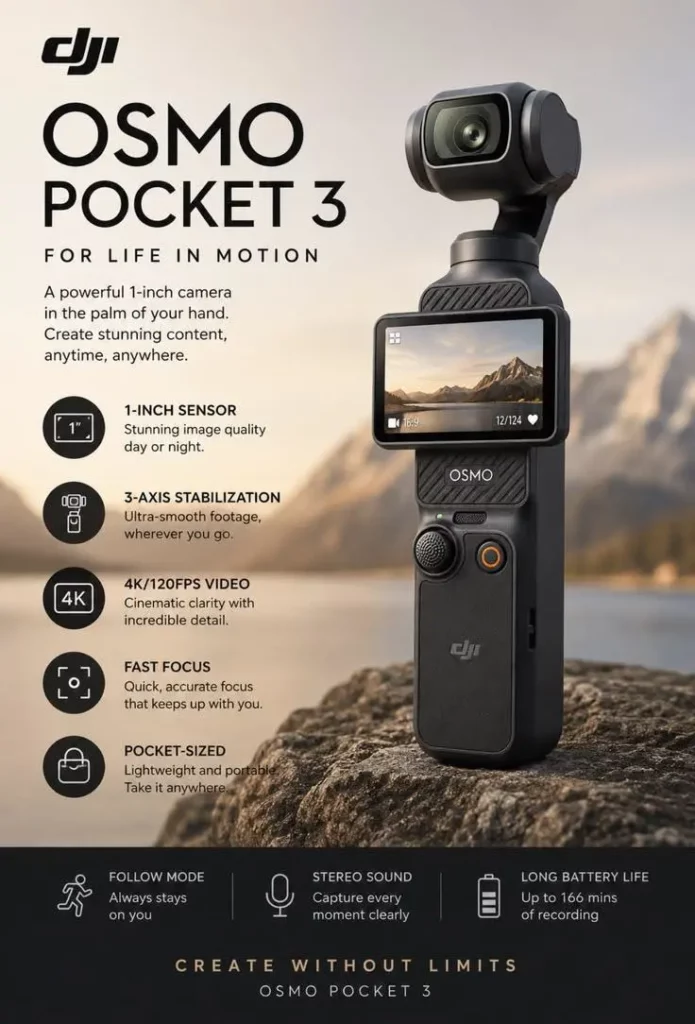
A spokesperson should not remain on screen for the entire video. Product images and short clips can make the content more useful.
For example, show a close-up when the script mentions texture. Display the product in use when the presenter explains a benefit. Then, return to the presenter for the final message.
This pattern adds variety. More importantly, it gives visual proof for the spoken claims.
Step 6: Review the Final Video
Finally, watch the video from a customer’s point of view.
Check whether the first few seconds are clear. Also, make sure the voice sounds natural and the product is easy to see.
Before publishing, ask:
- Is the main benefit easy to remember?
- Does the presenter fit the brand?
- Are the product claims accurate?
- Is the video too long?
- Does the ending give a clear next step?
Small edits can greatly improve the final result.
AI Spokesperson Video vs Traditional Production
Traditional production is still useful for large campaigns and detailed brand stories. However, it may not suit every product or every content update.
| Traditional Video Production | AI Spokesperson Video |
|---|---|
| Requires a planned filming session | Starts with a written script |
| Often needs a presenter and crew | Uses a digital presenter |
| Updates may require new filming | Script changes are easier |
| Can take more time to prepare | Supports faster content creation |
| Harder to scale across many products | Better suited to repeated formats |
The two methods do not need to compete. Instead, brands can use each one for a different purpose.
A major campaign may still use traditional filming. Meanwhile, AI-generated videos can support product pages, FAQs, tests, and regular social posts.
Common Mistakes to Avoid
The fastest workflow is not always the best workflow. A weak script will still create a weak sales video.
One common mistake is copying the full product description into the tool. As a result, the presenter may sound like they are reading a catalog.
Another problem is adding too many benefits. When every feature receives equal attention, the main message becomes hard to remember.
Some brands also choose a presenter before defining the audience. However, the presenter, voice, and tone should come from the customer and product context.
Finally, avoid making claims that the product page cannot support. Clear and accurate content builds more trust than exaggerated promises.
Create More Value From the Content You Already Have
Most ecommerce brands do not have a shortage of product information. Instead, they have a presentation problem.
Their strongest benefits may be hidden inside long descriptions. Useful answers may sit at the bottom of an FAQ section. Important features may appear only in a specification table.
AI Spokesperson Video can bring that information forward. It can turn existing copy into product explanations, social videos, and customer education content.
Therefore, brands do not always need to start from a blank page. They can begin with the information they already have and present it in a more engaging way.
Conclusion
A product description tells shoppers what an item offers. However, a sales video can show why that offer matters.
With AI Spokesperson Video, brands can turn written product details into short and clear presentations. They can explain benefits, answer common questions, and create content for several channels.
The best results still depend on a strong message. First, choose one main promise. Next, rewrite the copy for natural speech. Then, support the presenter with clear product visuals.
In this way, a static product description can become content that speaks directly to the customer.
Go to WeShop AI For Exploration: