AI image generation has evolved at an incredible speed over the last year. Every major release from OpenAI and Google pushes the boundary of what generative models can achieve in terms of realism, typography rendering, prompt understanding, and multi-image consistency.
Recently, OpenAI released GPT-Image-2, while Google’s Nano Banana 2 continues to dominate the market as one of the fastest and most commercially practical image generation models available today.
Both models represent a major leap forward in:
- text rendering
- spatial reasoning
- long prompt understanding
- high-resolution image generation
- commercial-quality aesthetics
But which one is actually better?
To answer that question, we tested both models across multiple real-world generation scenarios including:
- realistic portraits
- typography-heavy posters
- complex character sheets
- single-image references
- multi-image references
*All GPT-Image-2 samples were generated using Medium 1K Quality, while Nano Banana 2 samples used 1K Quality settings for a fair comparison.
Text to Image Test
Realistic Portrait Generation
In realistic portrait generation, the most important factors are facial structure, skin texture, lighting, body proportion, clothing realism, and whether the model can correctly understand a long and detailed prompt. A good portrait should not only look beautiful, but also feel believable as a real photograph.
Prompt: A candid smartphone photography style, eye-level medium shot of a young East Asian woman (20-25 years old) with a fine facial bone structure, almond-shaped eyes, and a messy-chic high ponytail. She is leaning casually against the cool glass of a convenience store refrigerator at night. She is wearing a crisp white button-down shirt tied at the waist and a black high-waisted pleated mini-skirt. The lighting features a bright, cool-toned white glow from the refrigerator interior and a soft purple-pink neon ambient spill. The image shows authentic skin texture, high-ISO grain, and soft bokeh on the background beverage shelves. (Aspect ratio: 3:4)
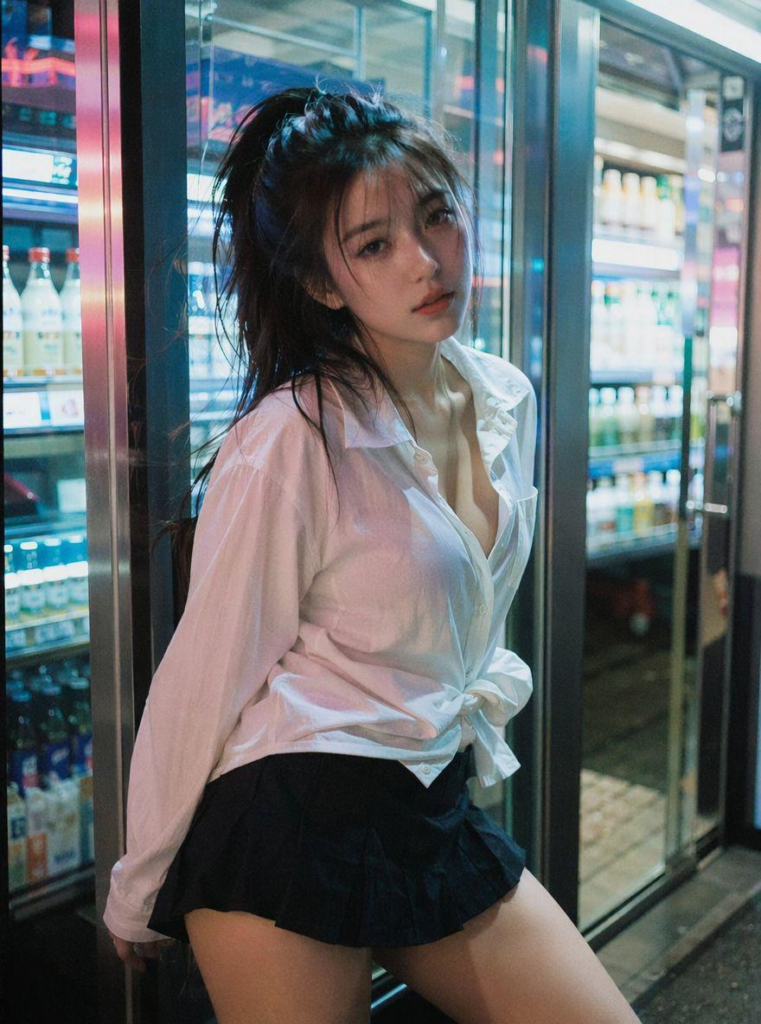
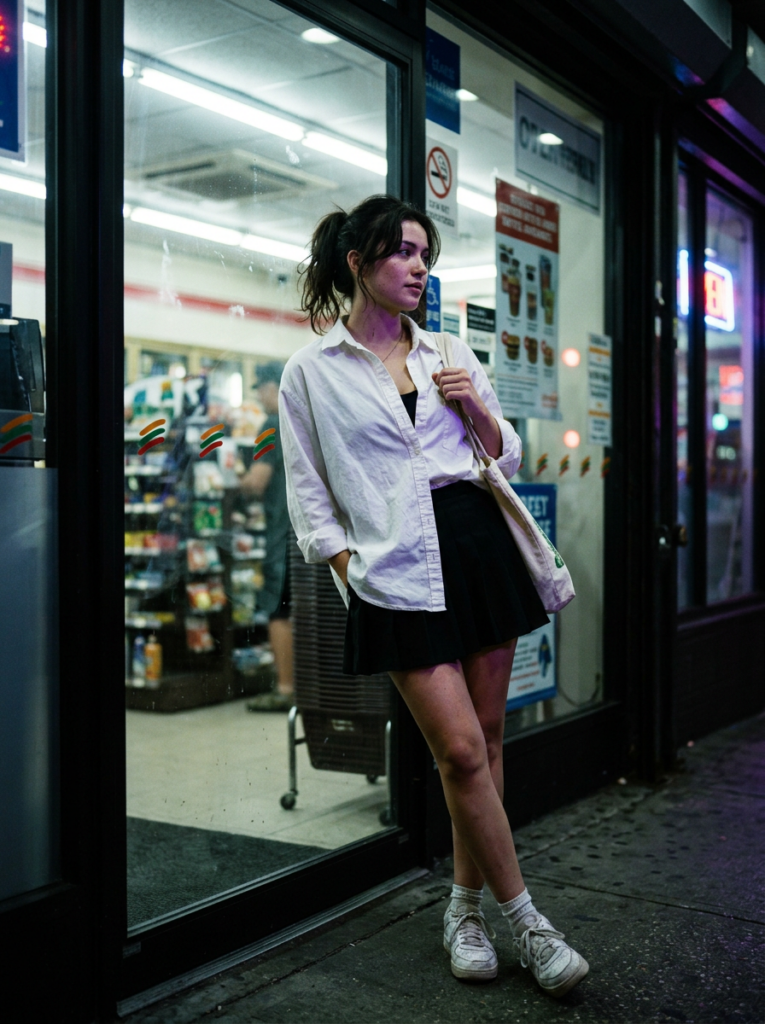
GPT-Image-2 performs very well in this category. Its portrait output feels closer to real photography, especially in terms of skin tone, facial proportion, and overall lighting. The image does not look overly processed, and the model seems to understand the detailed description in the prompt more accurately. The clothing texture, body proportion, and photographic atmosphere are also more controlled, which makes the final result feel more realistic and refined.
Nano Banana 2 produces a more visually striking result. Its image has higher saturation, stronger contrast, and a more obvious advertising-style finish. The depth of field is also quite impressive, giving the image a polished and cinematic look. However, compared with GPT-Image-2, Nano Banana 2 sometimes feels slightly more stylized. It is still realistic, but the result leans more toward social media photography or commercial campaign visuals rather than a naturally captured portrait.
Poster Generation
Poster generation is one of the most useful tests for modern AI image models. A model may generate beautiful images, but if it cannot correctly render titles, slogans, layout hierarchy, and visual structure, the image is often difficult to use in real commercial scenarios. This is especially important for e-commerce sellers, because banners, product posters, and promotional images usually require both visual appeal and readable text.
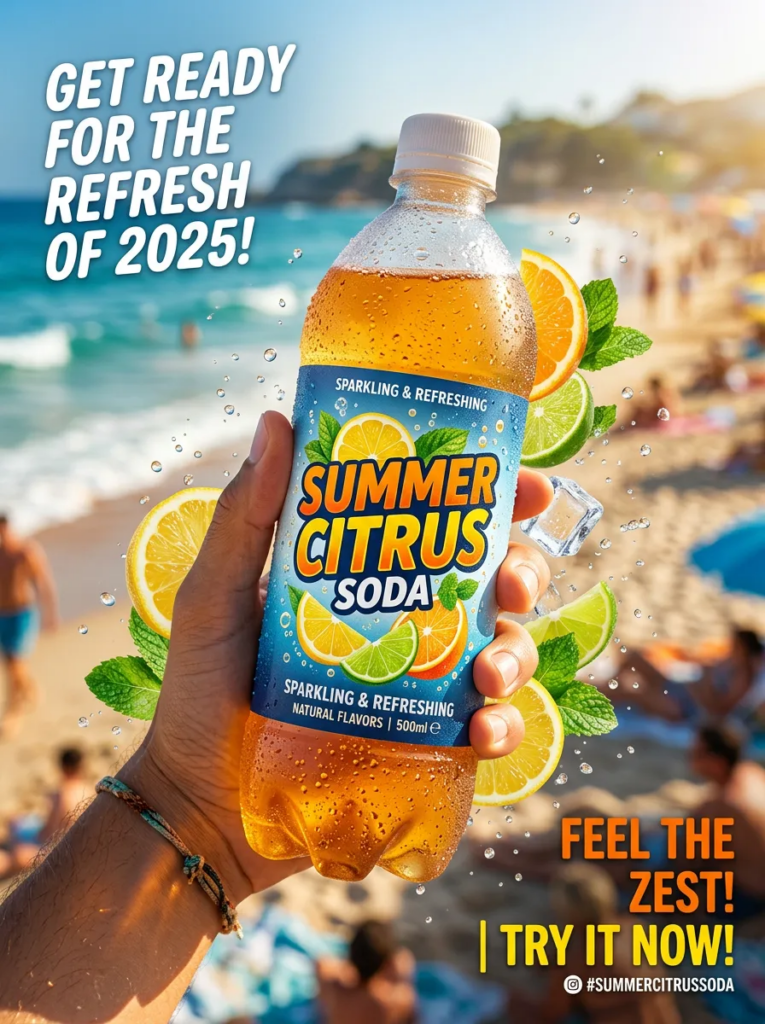
Prompt: A high-end commercial product shot of a 500ml clear plastic soda bottle with ‘Summer Citrus SODA’ branding, stabilized in a bed of crushed ice. The scene features dynamic water splashes and hyper-realistic slices of lime, orange, and lemon. Set against a blurred tropical beach background at sunset. The lighting is bright, high-key studio style with sharp specular highlights and a vibrant, refreshing color palette. (Aspect ratio: 9:16)
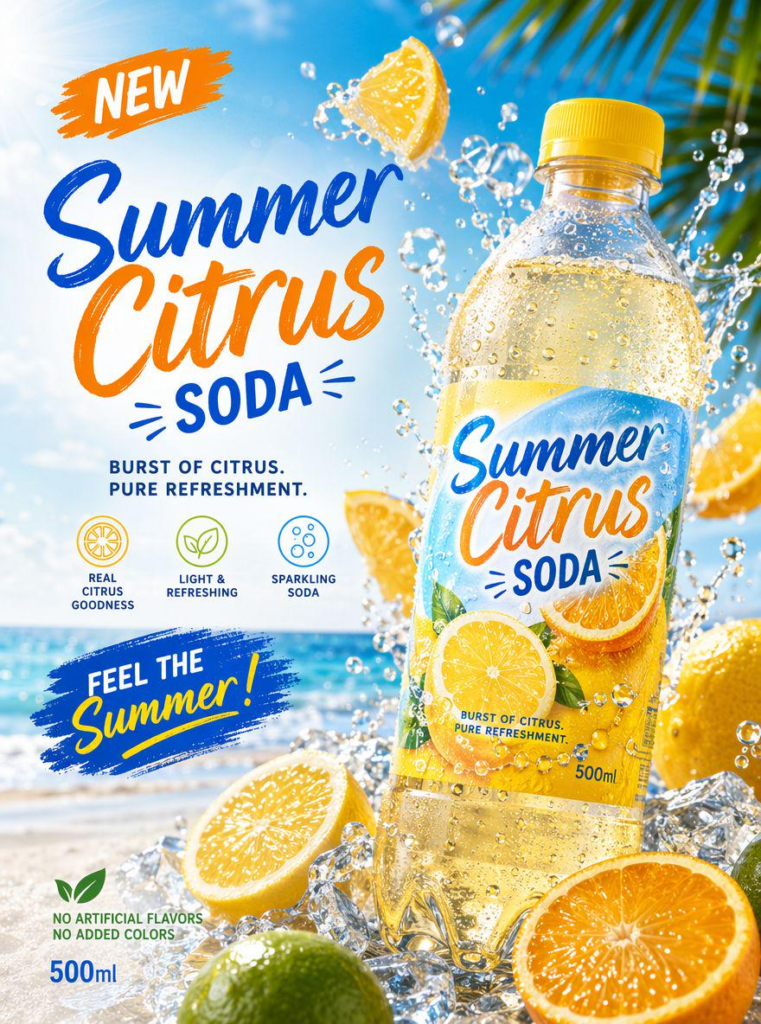
In this test, GPT-Image-2 creates a fuller and more commercially usable poster. The overall image looks more like an actual e-commerce banner, with a clear title, recognizable icons, readable slogans, and a more balanced layout. The model seems to understand where the main visual focus should be placed and how text should support the product rather than compete with it. The design feels closer to something that could be used on a shopping website, product landing page, or promotional campaign.
Nano Banana 2 keeps its strong visual style. The colors are more saturated, and the depth of field is still very noticeable. The image feels more like an Instagram-style promotional photo, where mood and visual atmosphere are more important than strict layout accuracy. This makes Nano Banana 2 very useful for social media advertising, lifestyle campaigns, and quick creative testing. However, when the task requires clear typography and a more structured commercial layout, GPT-Image-2 has a stronger advantage.
The difference here shows how the two models interpret the same prompt differently. GPT-Image-2 understands the request more like a designer creating a product poster, while Nano Banana 2 understands it more like a photographer creating an attractive campaign image.
Complex Character Design Sheets
Complex character design is another challenging task because it requires the model to maintain consistency across different angles, outfits, facial features, accessories, and visual styles. This type of generation is often used in game concept art, animation design, storyboarding, and fictional character development.
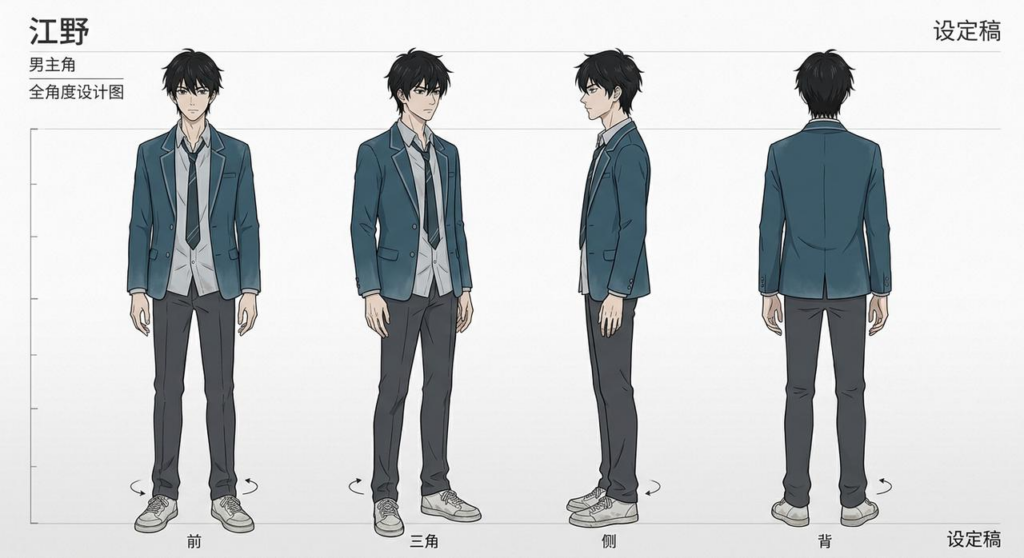
Prompt: A professional character turnaround sheet in a clean Manhwa style featuring Jiang Ye, a 17-year-old male protagonist. He is tall and lean (183cm) with messy black hair, a sharp jawline, and a detached expression. He is wearing a loose white zip-up school jacket with navy blue panels and navy track pants with white stripes. The sheet includes front, side, and back views, three facial expression variations, and close-up details of his sneakers and backpack, all presented on a light gray studio background with high-fidelity line art and cel-shading. (Aspect ratio: 16:9)
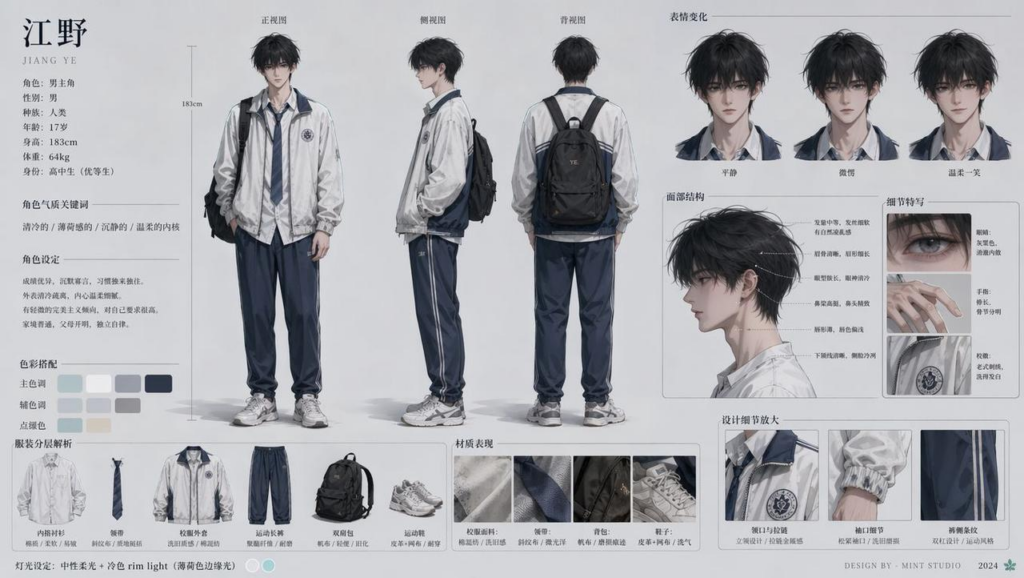
GPT-Image-2 provides a much richer and more complete character sheet. The details are more abundant, and the character feels closer to the description in the prompt. It includes more costume elements, more refined accessories, and a stronger sense of visual planning. Another important advantage is that GPT-Image-2 does not produce obvious broken or unreadable text in the design sheet, which makes the result feel cleaner and more professional.
The overall style of GPT-Image-2 leans more toward polished Asian illustration and modern anime concept art. It feels more detailed, more layered, and more suitable for professional character development. Nano Banana 2, by contrast, generates a simpler character design. The result feels closer to traditional comic-style illustration, with fewer small details and a more straightforward visual structure.
Nano Banana 2 is still useful for fast concept exploration, especially when the goal is to quickly generate a visually appealing character direction. However, when the task requires a more detailed character setting, more accurate prompt following, and better consistency across visual elements, GPT-Image-2 performs better.
Where can I get detailed prompts for GPT-Image-2?
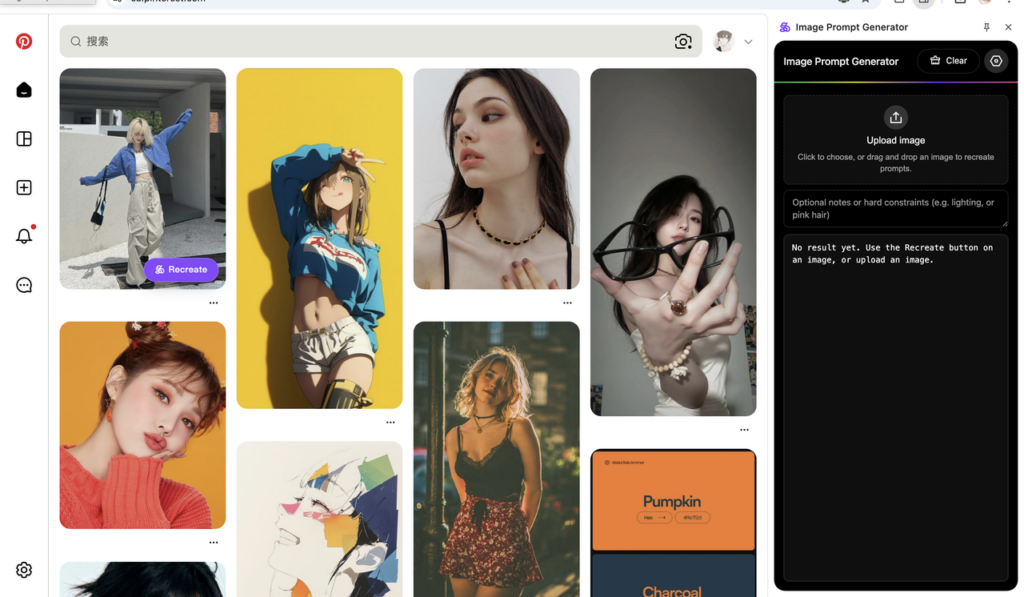
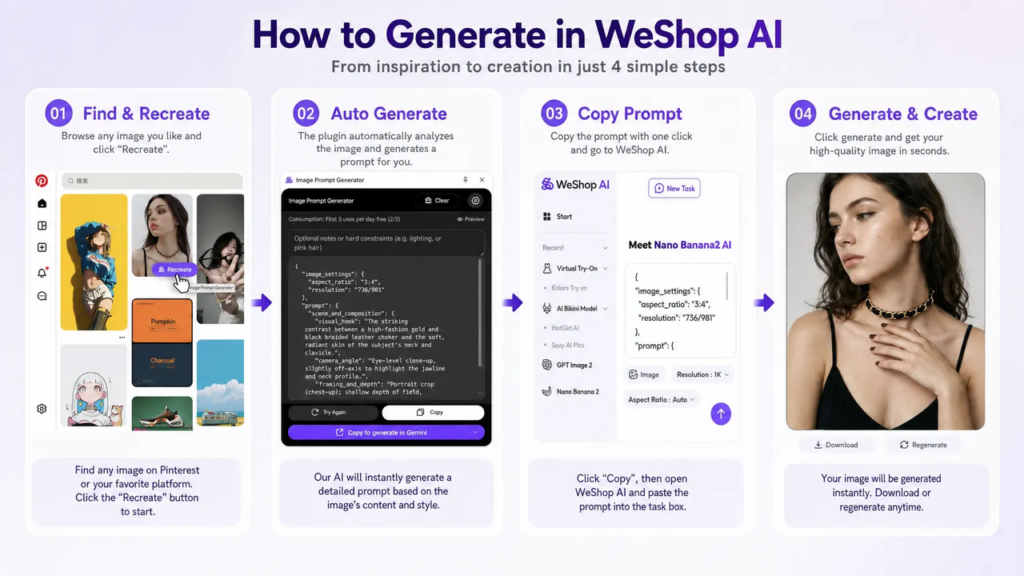
For the text-to-image tests above, the prompts were generated with Image Prompt Generator, a Chrome extension developed by WeShop. Instead of writing each prompt completely from scratch, I used this plugin to reverse-engineer the visual prompts from reference images. With one click, the extension can analyze an image and turn its visual information into a detailed generation prompt that can be used directly for text-to-image creation.
This is especially useful when testing different image models because prompt quality can strongly affect the final result. If the prompt is too vague, the comparison becomes less reliable because each model may interpret the task differently.
The plugin is also practical for everyday AI image creation. When users find an image style they like, they can use the extension to extract a prompt from that image and then reuse or edit it for new generations. For e-commerce sellers, designers, and content creators, this reduces the difficulty of prompt writing and makes it much easier to recreate a similar visual style without manually describing every detail. It turns image inspiration into a usable prompt, which is particularly helpful for product photos, fashion campaigns, posters, and social media visuals.
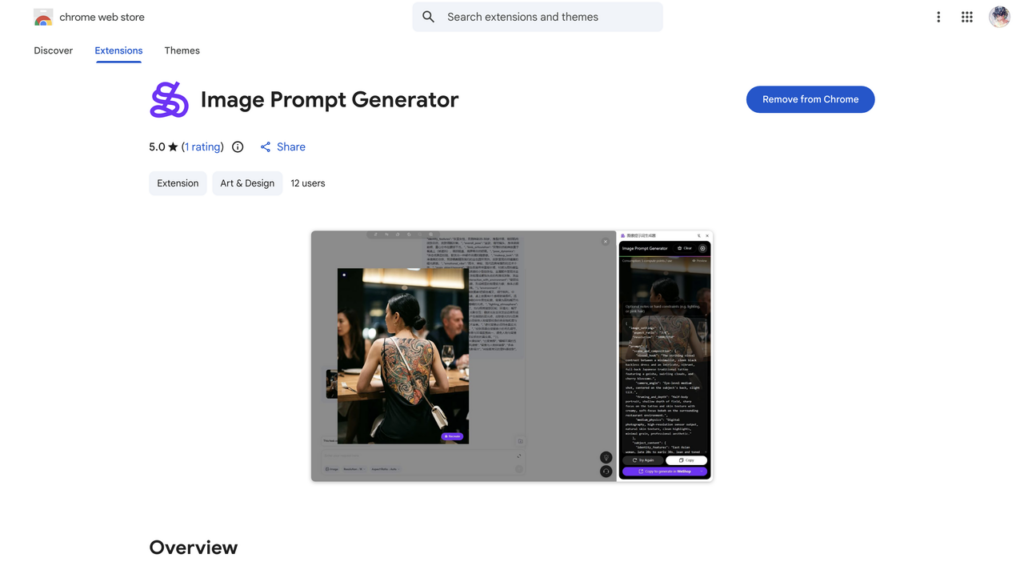
The Image Prompt Generator extension is available on the Google Chrome Web Store, so users can install it directly in Chrome and use it while browsing images online.
Multiple reference Image test
Single Reference Image
Single-reference image generation tests whether the model can preserve the original image’s key information while creating a new output. This includes clothing color, material consistency, facial identity, pose, lighting, and overall visual style.
Prompt: Collect each clothing item worn by the girl in the first photo and place them on top of the same photo as flat, cut-out stickers. Keep every piece neatly outlined like a collage sticker. Next to each stickered clothing item, write its name in a soft pencil-style handwritten label, creating an aesthetic fashion-notebook look.
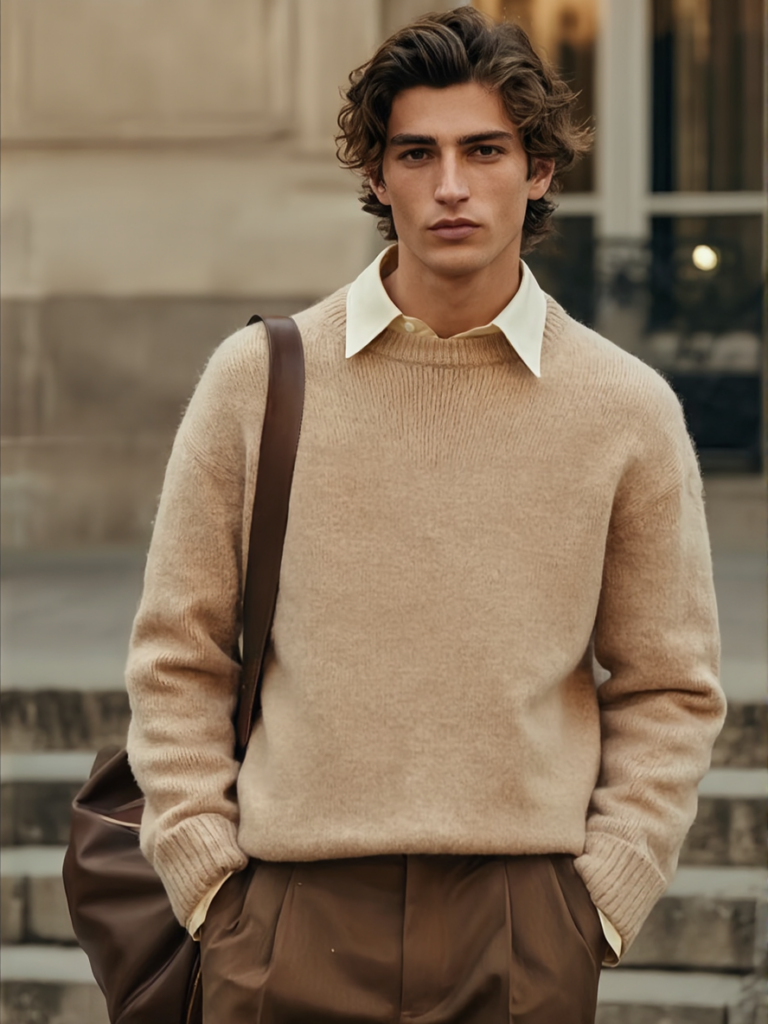
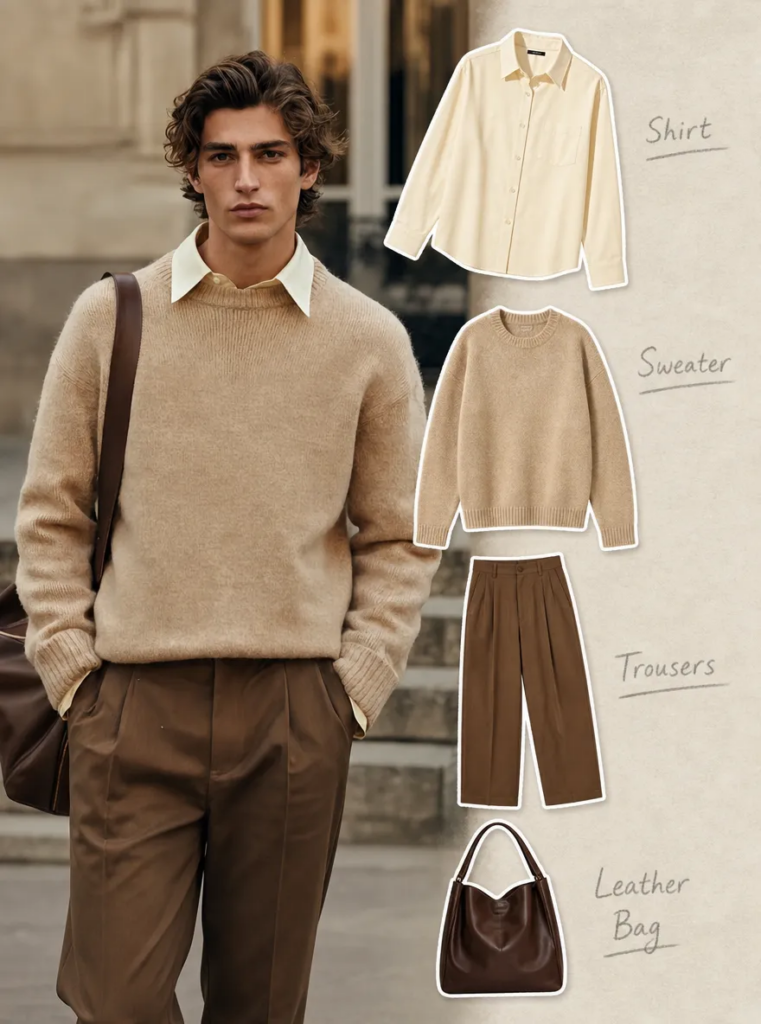
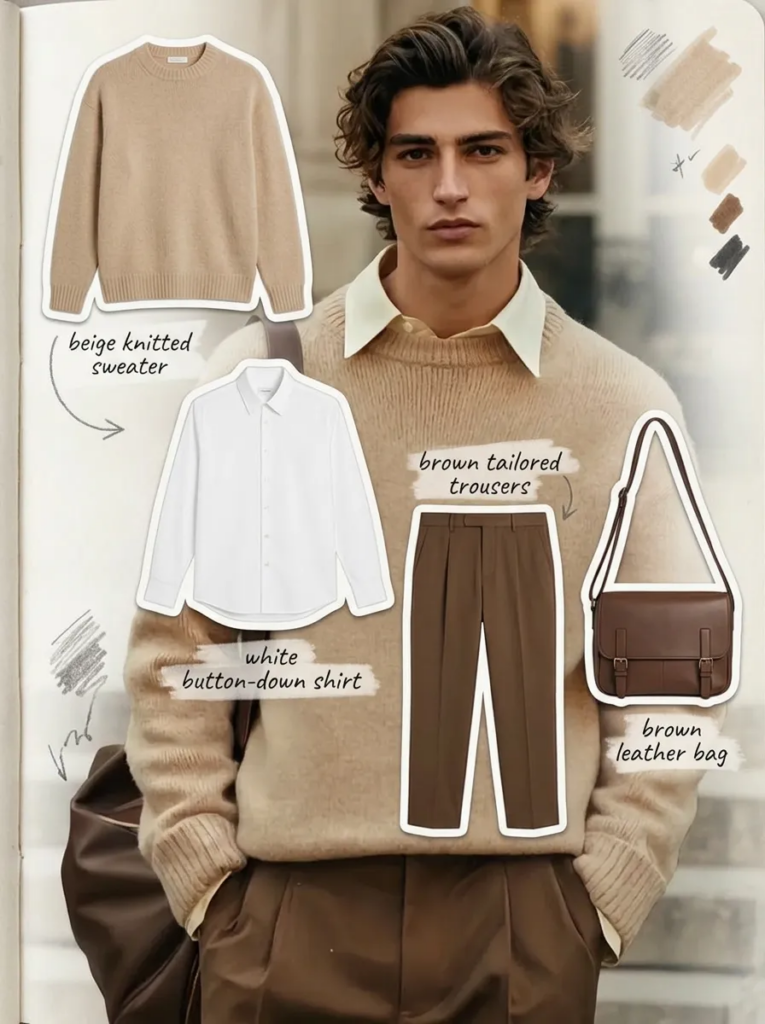
In the single-reference test, Nano Banana 2 shows some issues with clothing color and consistency. The outfit does not fully match the original reference, and certain visual details shift during generation. However, Nano Banana 2 does add richer visual texture and more environmental detail, which can make the output look more polished at first glance.
GPT-Image-2 is more faithful to the original image. It preserves the overall structure, clothing direction, and visual style more accurately. The result may be slightly less aggressive in terms of contrast or texture, but it feels more controlled and closer to the reference. This makes GPT-Image-2 more suitable for situations where reference accuracy matters, such as e-commerce product images, brand lookbooks, and model consistency workflows.
Two Reference Images
Prompt: transform only the style of image 1 to the style of image 2
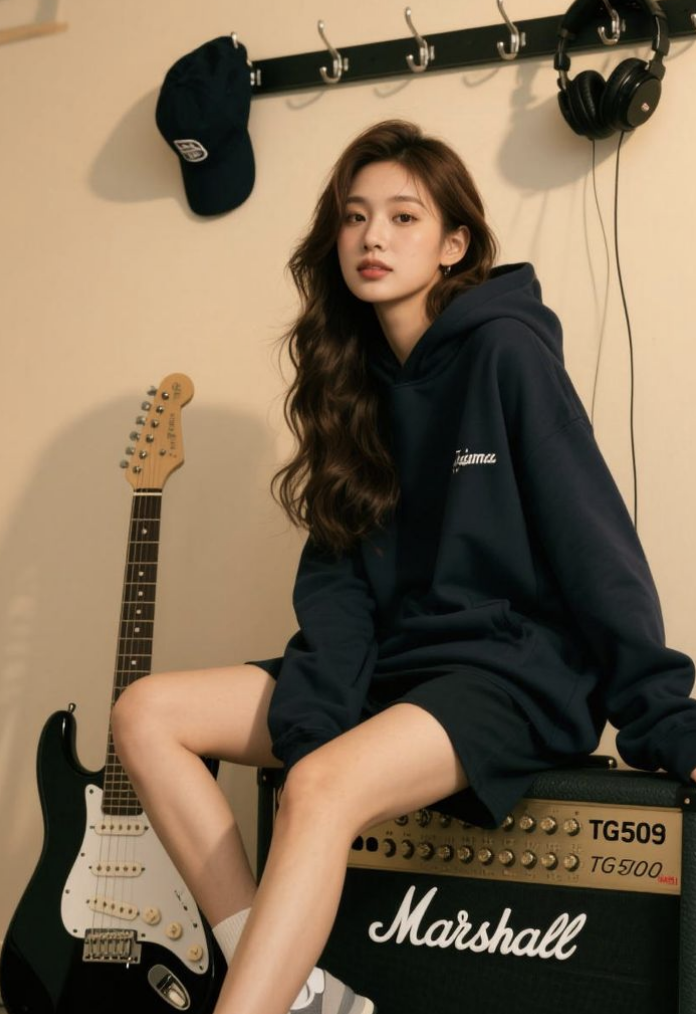
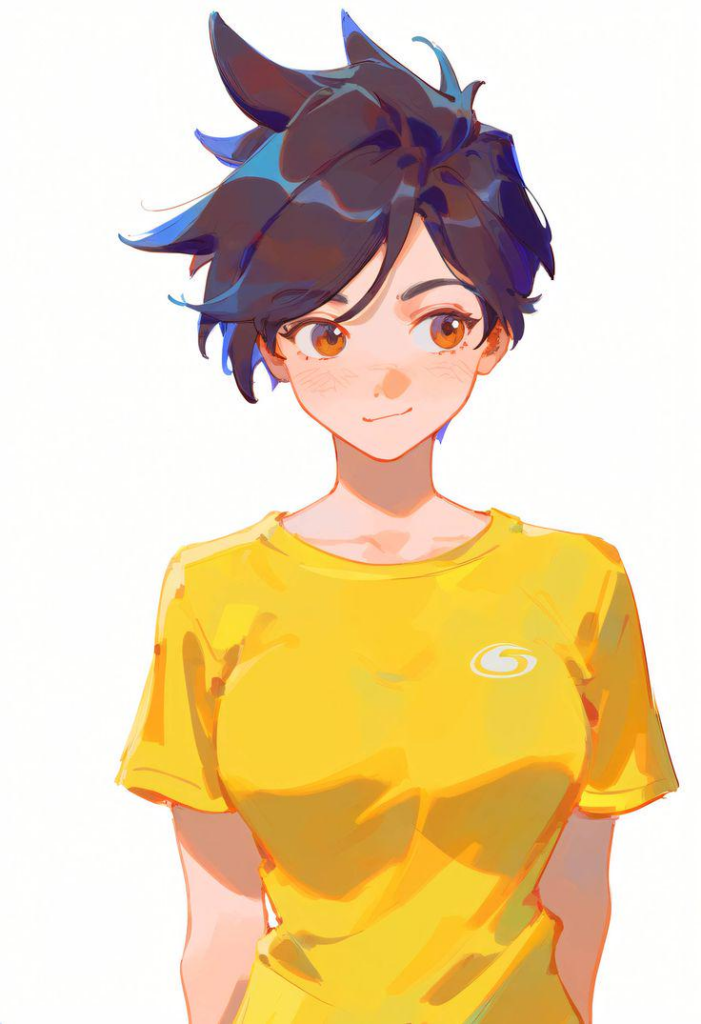
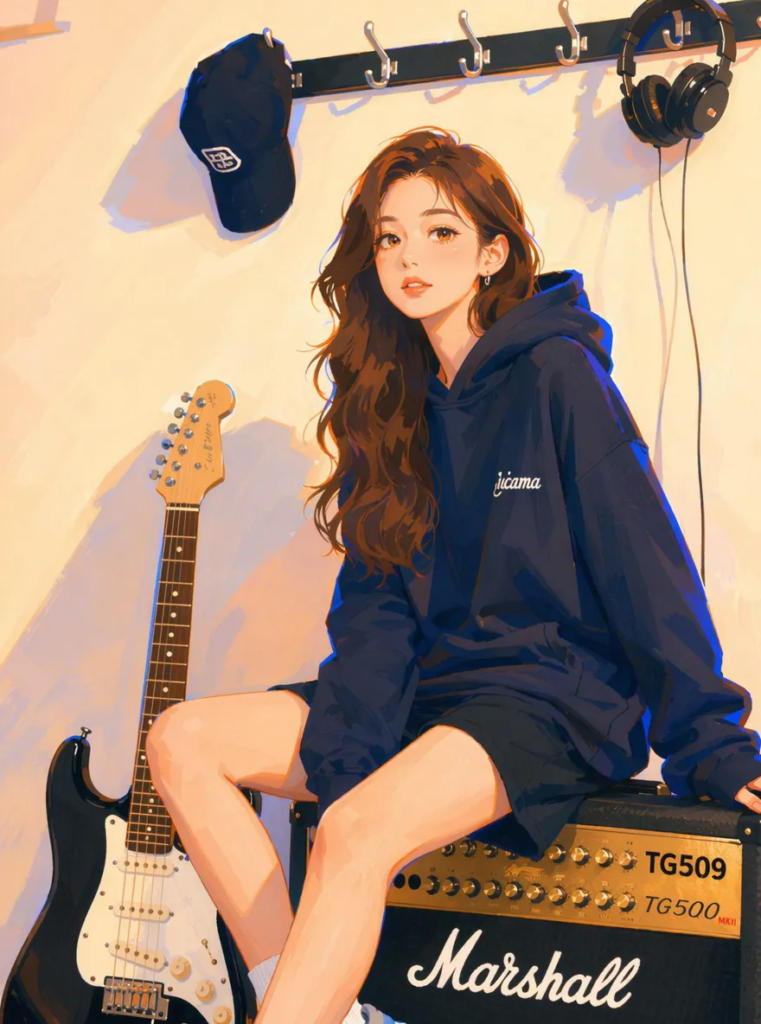
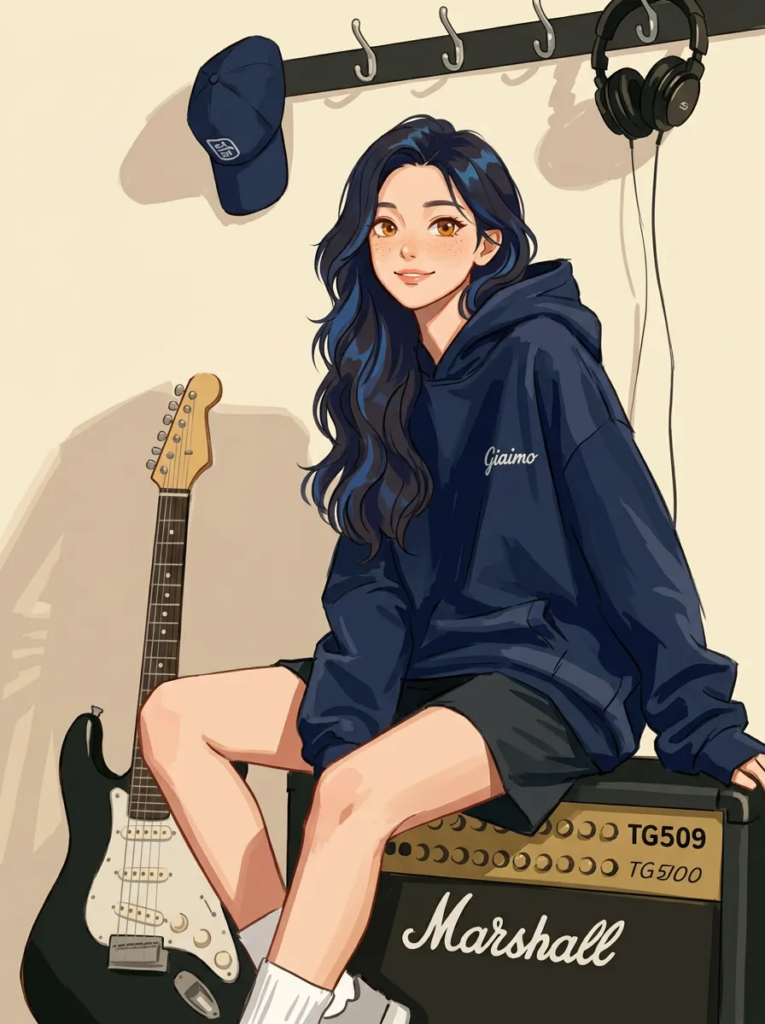
In the two-reference test, GPT-Image-2 produces a style that is closer to the original references. It handles the visual details more carefully and maintains better control over the relationship between the two images. The final output feels more like a complete interpretation of the references rather than a loose remix.
Nano Banana 2 emphasizes shadow and contrast more strongly. Its output has a more dramatic lighting style, which can make the image look visually attractive, but it does not always reproduce the original visual style as completely as GPT-Image-2. In this case, GPT-Image-2 feels more balanced and more faithful to the reference images, while Nano Banana 2 feels more stylized and expressive.
Three Reference Images
prompt: Replace the model of image 1 to the model of image 2, use background and pose of image 3
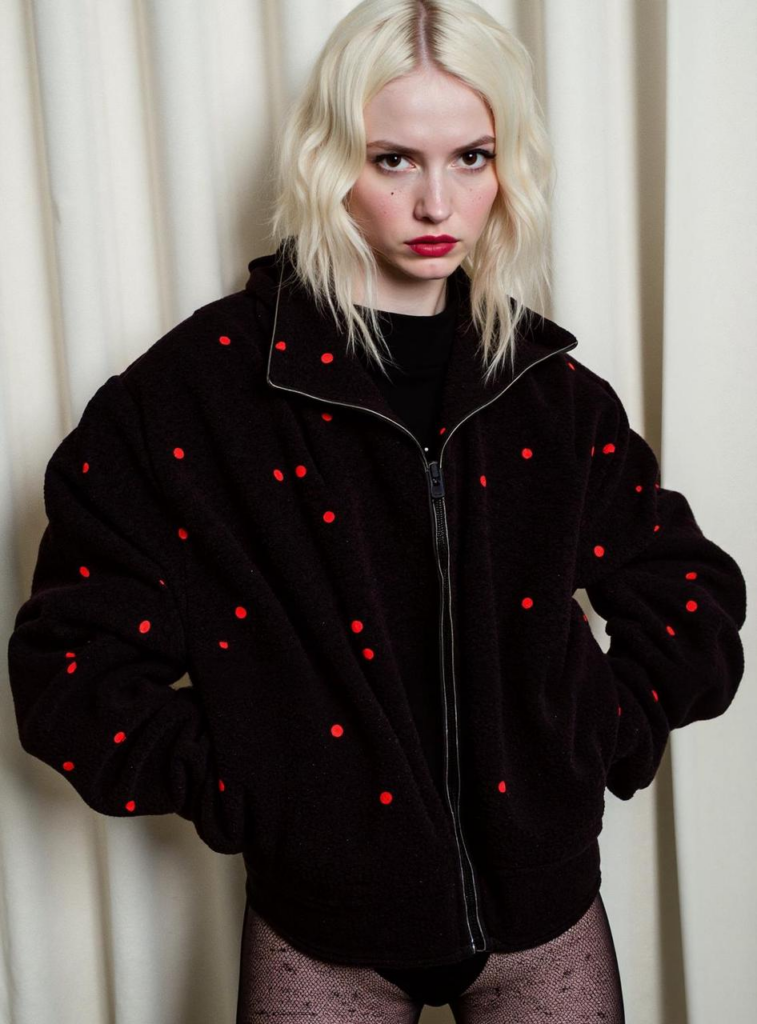
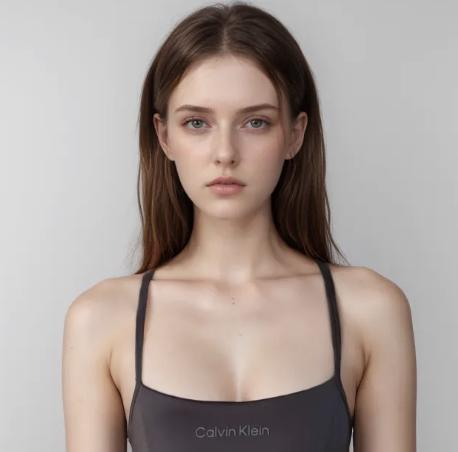
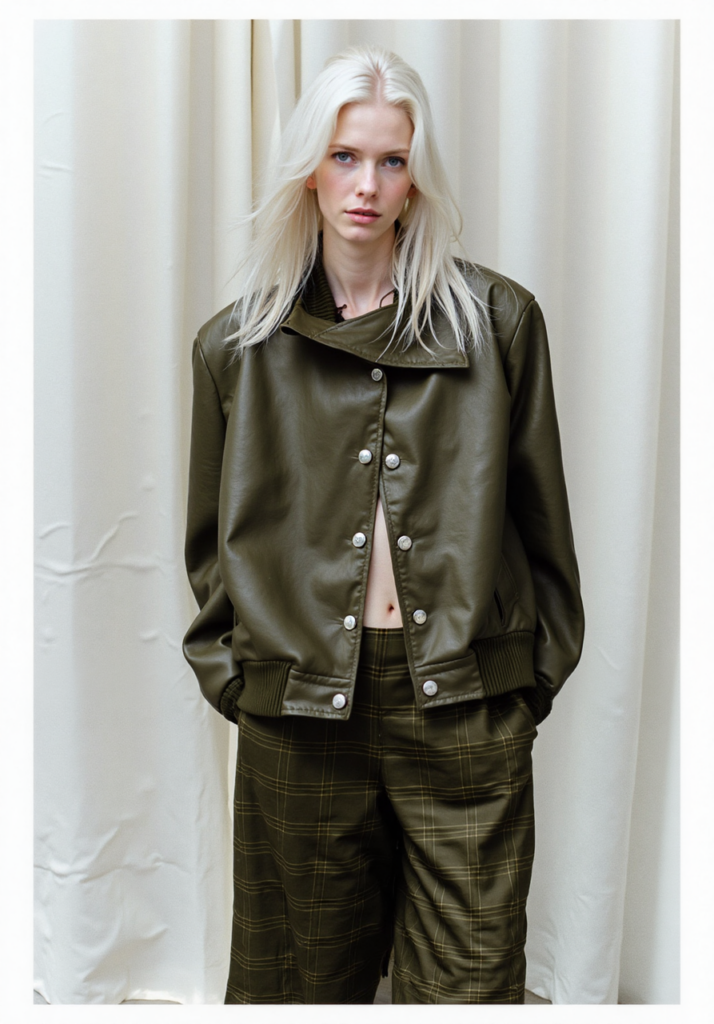
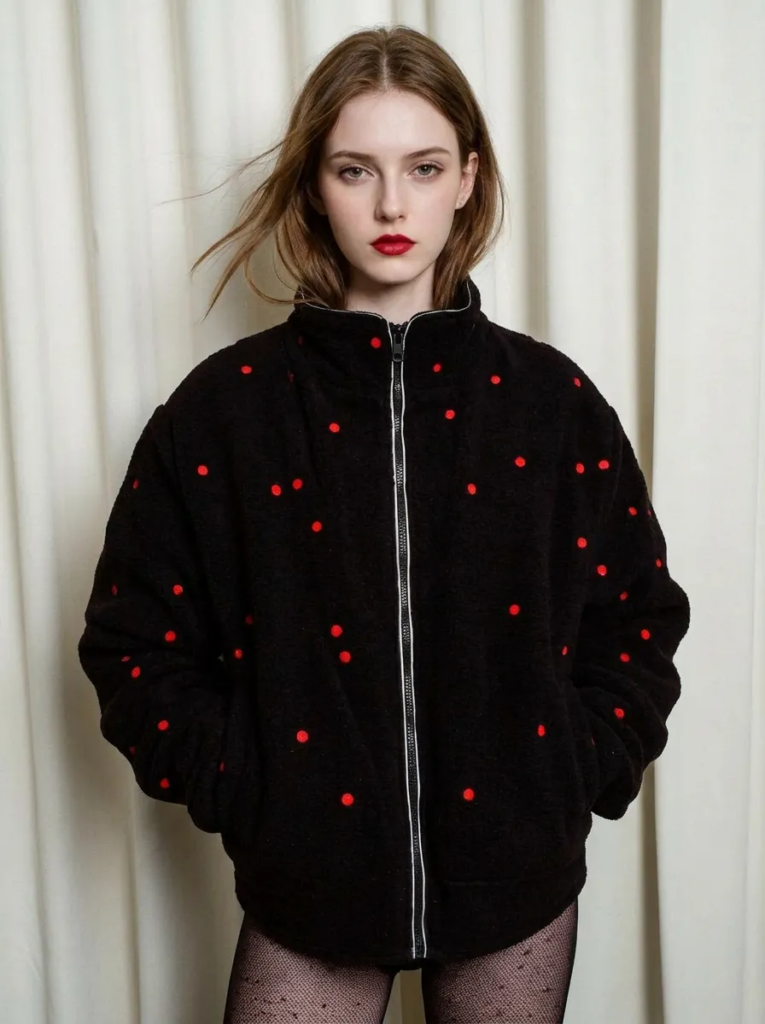
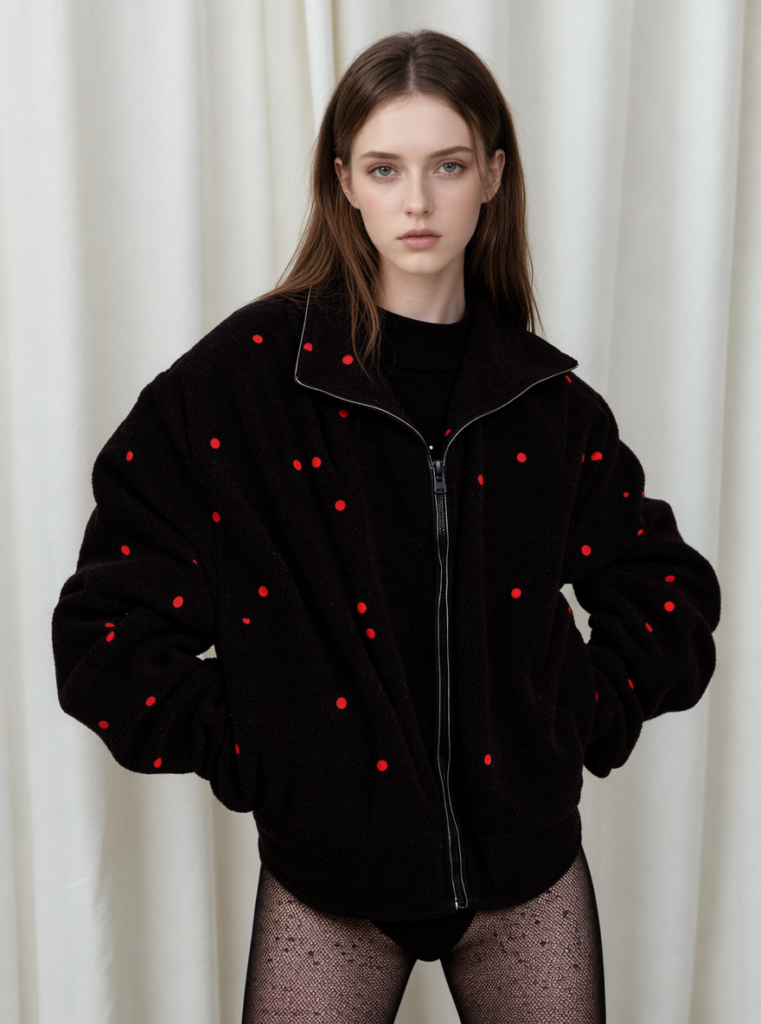
In this test, Nano Banana 2 generates a model that looks slightly more natural. The pose, expression, and overall image flow feel relaxed and visually smooth. This gives the image a more spontaneous and lifestyle-oriented quality.
GPT-Image-2, however, respects the reference images more strictly. It pays more attention to the original visual information and tries to preserve the details from the references instead of freely optimizing the image for aesthetic appeal. This means GPT-Image-2 is better when the user wants the generated image to stay close to the uploaded references, while Nano Banana 2 may be better when the user wants a more natural-looking final image even if some reference details are adjusted.
This difference is important for real production workflows. If the goal is brand consistency, GPT-Image-2 is safer. If the goal is quick social media output with a natural visual feel, Nano Banana 2 may be more efficient.
Four Reference Images
prompt: Based on the four given reference images, generate an Amazon-style product detail page with detailed textual descriptions, usage cases, etc. The product should follow Figure 2, and all reference images must be used. All products in the reference images need to be replaced with those in Figure 2.
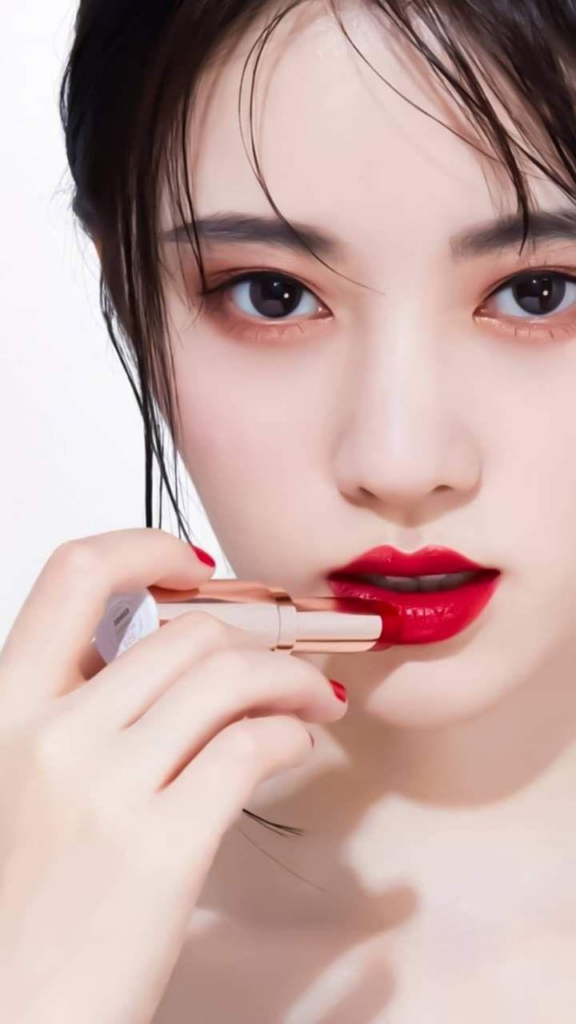
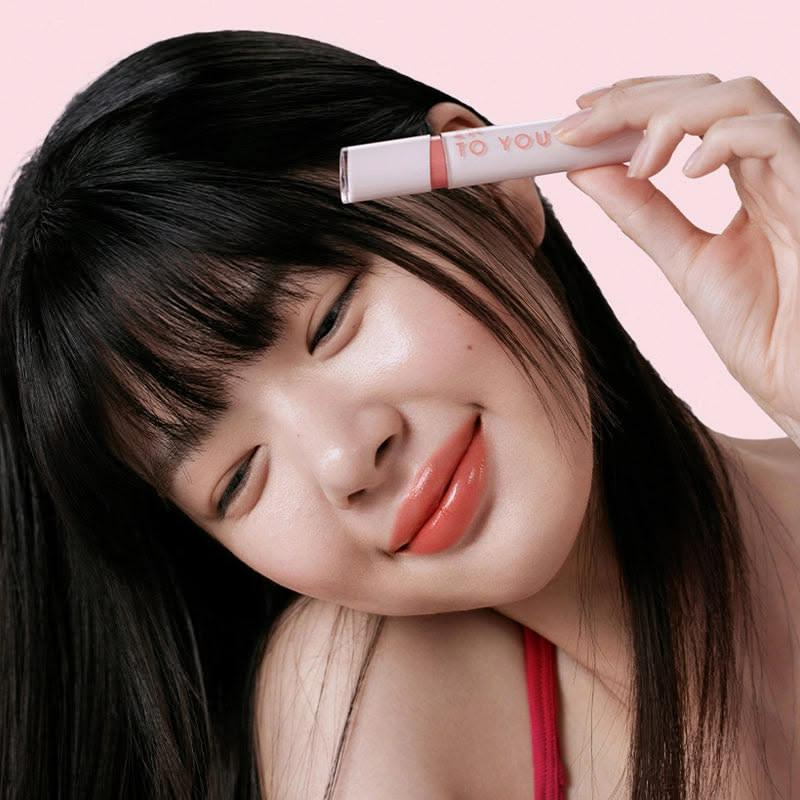
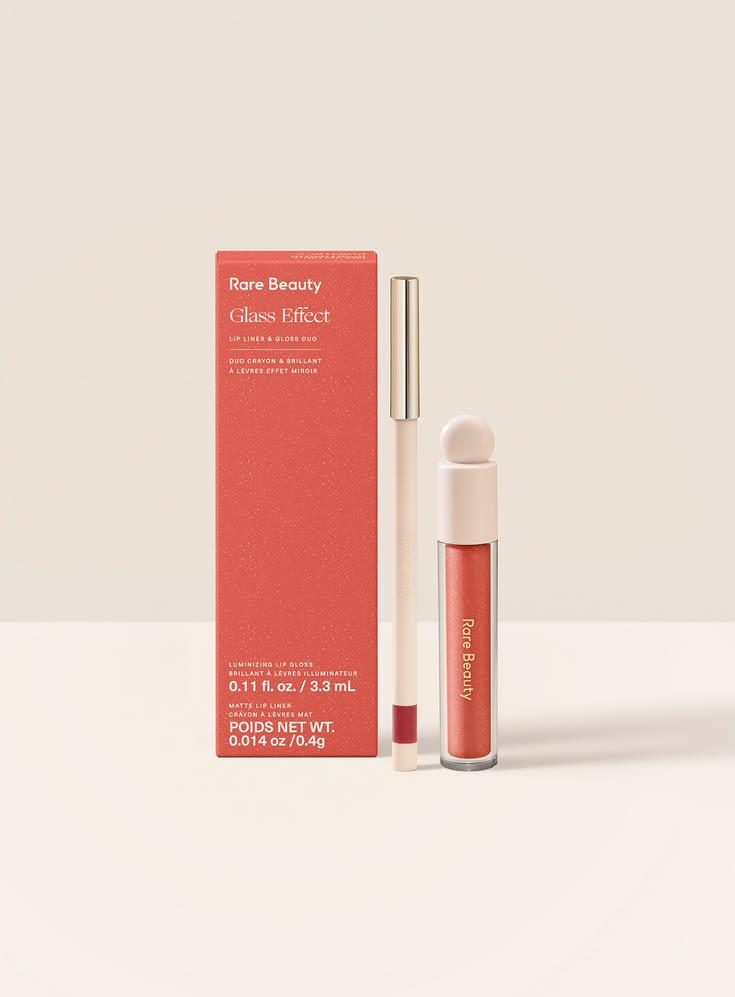
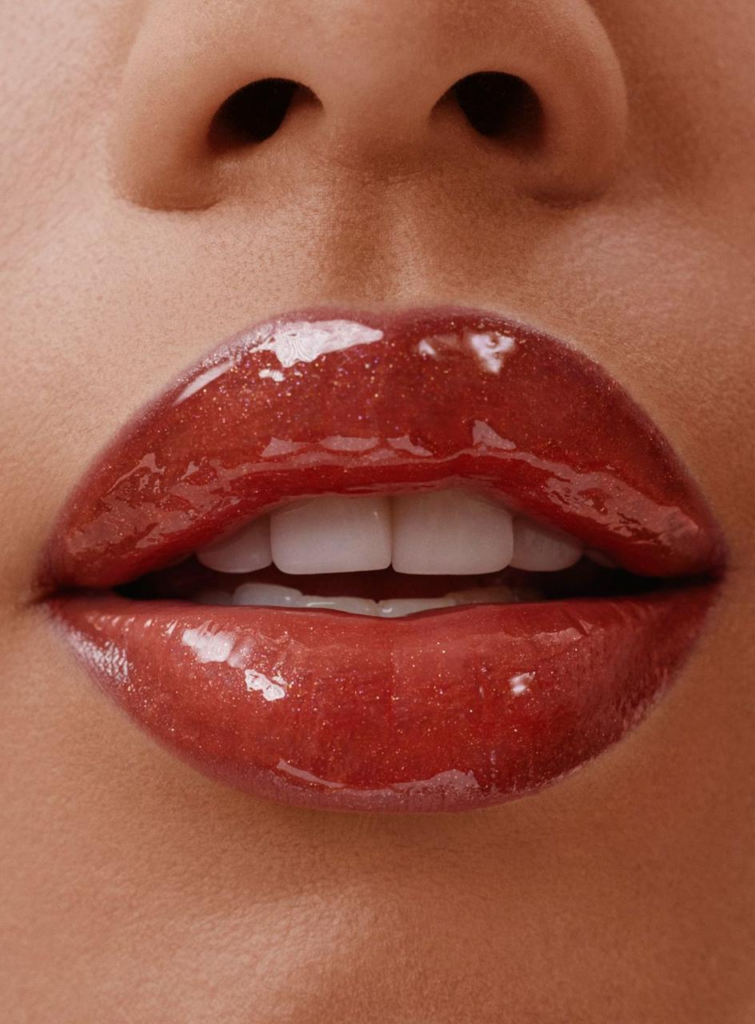
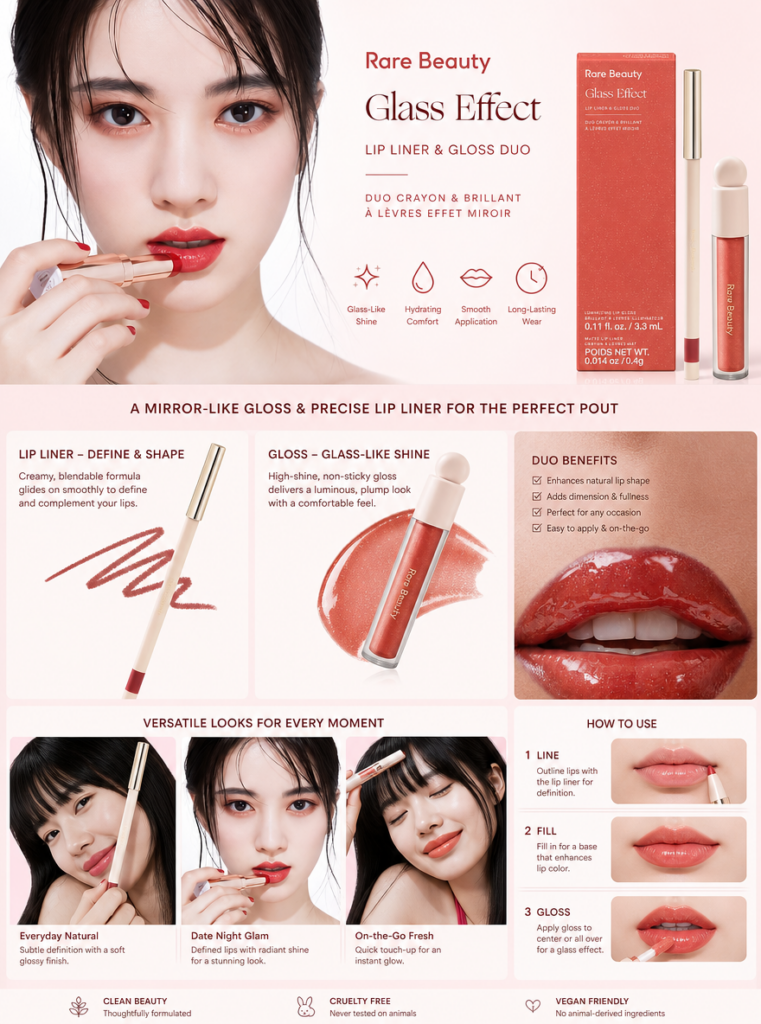
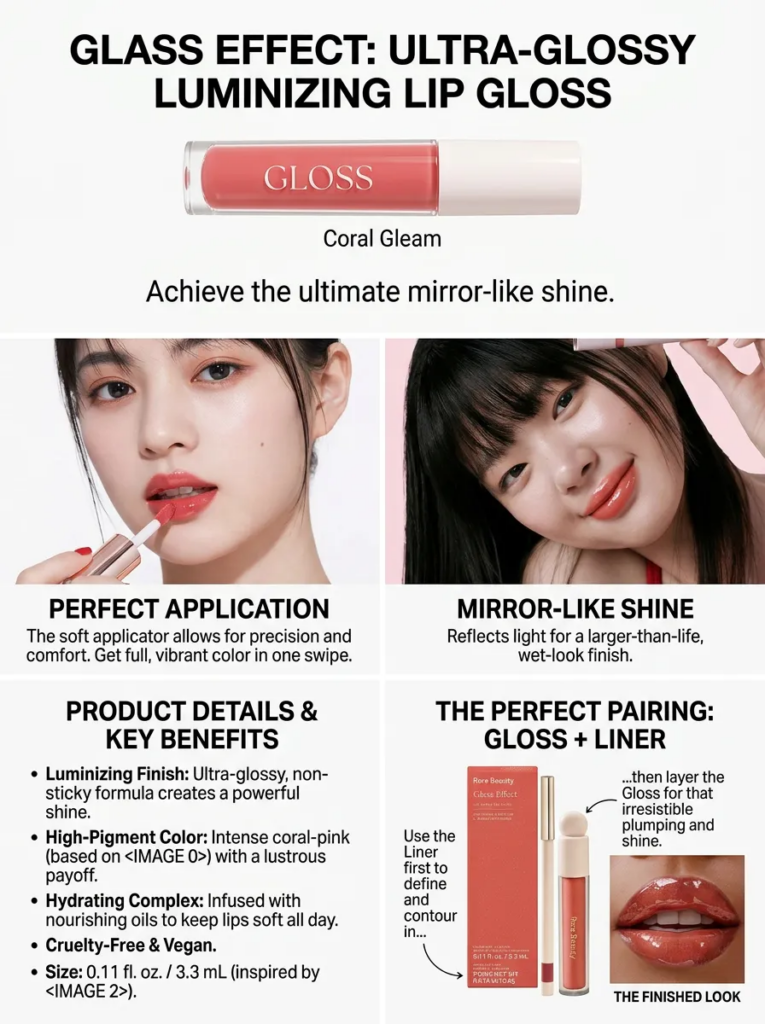
In the four-reference test, GPT-Image-2 performs better in layout and color selection. The final image feels more refined and more aligned with e-commerce design logic. The typography and composition are more carefully arranged, and the image looks closer to a professional product campaign or online store visual.
Nano Banana 2 keeps a simpler visual style. It still produces an attractive image, but the overall consistency becomes weaker as the number of references increases. The model does not always preserve all reference elements accurately, and the final result feels less controlled than GPT-Image-2. This suggests that Nano Banana 2 is excellent for fast generation and visual exploration, but GPT-Image-2 is stronger when the workflow requires multiple references, layout precision, and commercial design consistency.
Final Comparison
After testing both models across different scenarios, the conclusion is clear: GPT-Image-2 and Nano Banana 2 are both powerful, but they are built for different creative priorities.
| GPT Image 2 | Nano Banana 2 | |
|---|---|---|
| Speed | 3-10 seconds | 1-5 seconds |
| Price | Cheap | A bit more expensive |
| Text rendering | 99% accurate | Mostly accurate |
| Aesthetics | Richer color palette | Higher contrast |
| Best for | Layouts, Color palette, UI/UX design, Text-heavy | Model, Realistic, Commercial photography |
GPT-Image-2 is stronger in prompt understanding, typography rendering, reference accuracy, layout control, and commercial design. It performs especially well when the image needs to follow detailed instructions or when the output needs to be used in an e-commerce or brand design context. Its images often feel more carefully composed and more faithful to the prompt.
Nano Banana 2 is stronger in speed, visual impact, saturation, and natural-looking social media content. It is very suitable for fast creative testing, campaign exploration, and high-volume visual generation. Its outputs are often more vivid and eye-catching, even if they are sometimes less precise in terms of reference consistency or typography structure.
If the goal is to create polished commercial images, product posters, detailed character concepts, or reference-accurate visuals, GPT-Image-2 is currently the better choice. If the goal is to quickly generate attractive lifestyle images, social media visuals, or high-volume creative variations, Nano Banana 2 remains one of the most practical models available.
Why should you choose WeShop AI?
The biggest problem with AI image generation today is not that there are too few models. Instead, there are too many strong models, and each one performs differently depending on the task. For users who need to create commercial images efficiently, constantly switching between platforms can be slow, expensive, and difficult to compare.
This is where WeShop AI becomes useful. WeShop AI is an all-in-one AI generation platform that brings multiple leading image models together in one place, including GPT-Image-2 and Nano Banana 2. Instead of choosing only one model before generation, users can generate multiple images with different models at the same time and compare the results directly.
This makes the workflow much faster and more practical. For example, users can use GPT-Image-2 to test high-quality e-commerce layouts and typography-heavy product posters, while using Nano Banana 2 to quickly generate more visually striking social media variations. Because both models are available within the same platform, users can compare which result works better for their actual use case instead of relying on theoretical model rankings.
In other words, WeShop AI is not just a place to generate images. It is a practical production workflow that helps users find the best result across multiple models, generate more variations, compare outputs faster, and create usable commercial visuals at a lower cost.
Go to WeShop AI For Exploration: