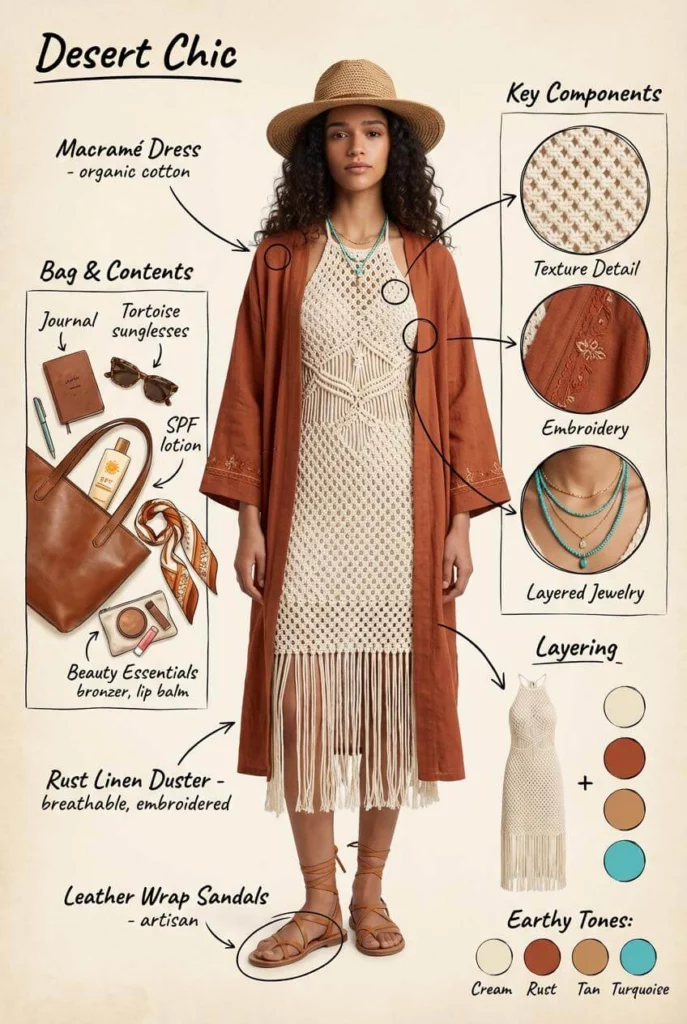
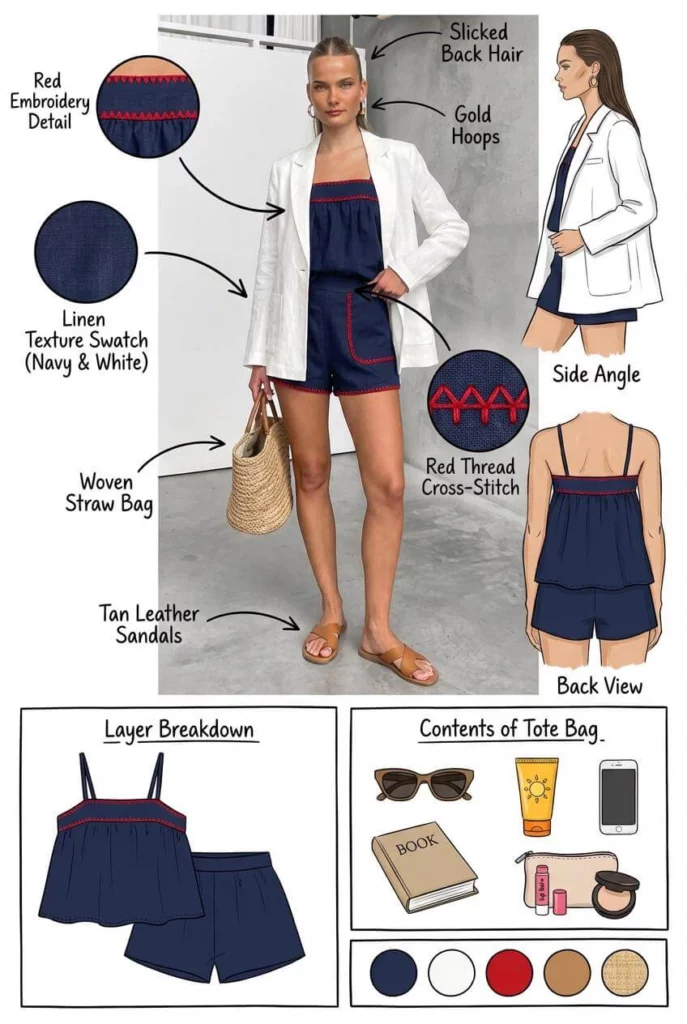
An outfit generator is no longer just a fun experiment. Today, it has become a practical tool for fashion brands, creators, and everyday users who want to explore new looks faster and with more freedom. Instead of styling outfits manually or organizing repeated photoshoots, an AI-powered outfit generator lets you visualize clothing ideas in minutes.
With WeShop AI’s ai outfit generator, users can create outfit variations on models, experiment with different styles, and generate ready-to-use visuals for ecommerce, social media, or creative planning—all from a single image.
In this guide, we’ll walk through what an outfit generator really is, how it works in practice, and why more people are choosing AI over traditional styling workflows.
What Is an Outfit Generator?
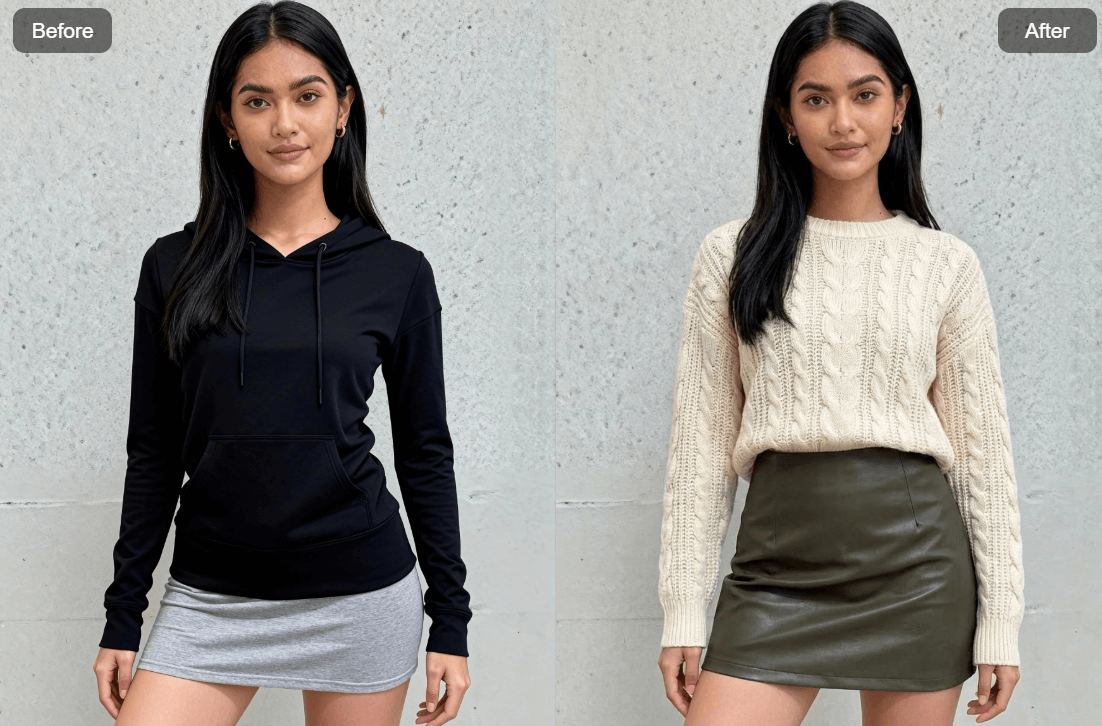
An outfit generator uses AI to create, modify, or visualize clothing on a model or person. Instead of dressing a model manually, the AI applies new outfits digitally while keeping the pose, proportions, and overall look natural.
Unlike basic try-on tools, WeShop AI’s outfit generator focuses on full outfit creation. That means tops, bottoms, layers, and complete styling—not just swapping one garment at a time.
More importantly, it works for both:
- Professional use, like ecommerce listings and campaign visuals
- Personal use, like style exploration or content creation
This flexibility is what sets modern outfit generators apart.
How the WeShop AI Outfit Generator Works
The strength of an ai outfit generator lies in how simple it feels to use.
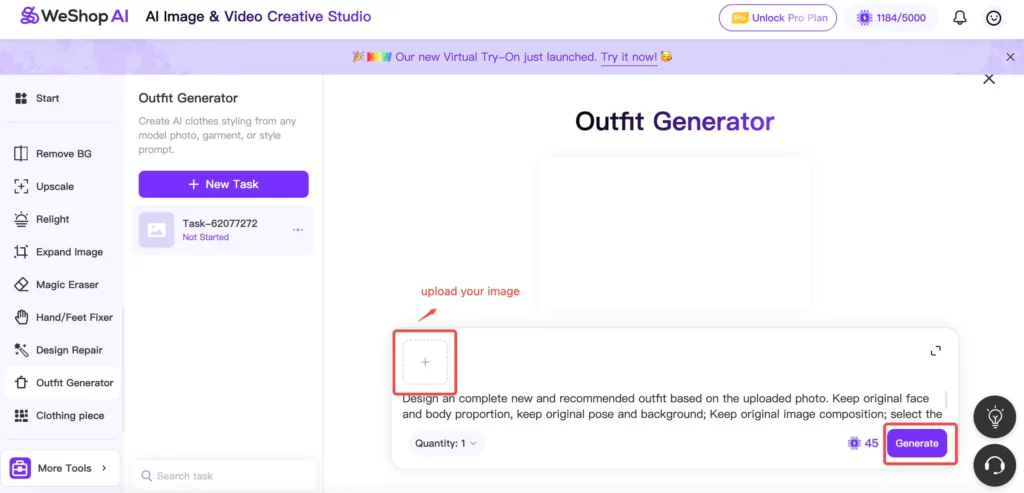
With WeShop AI, the workflow stays intuitive:
You start by uploading an image—this can be a model photo or your own. From there, you describe the outfit you want. You can write the prompt yourself or let AI help refine it. The system then generates outfit variations that match your description while preserving realistic fabric flow and body proportions.
Once the first result appears, you’re not locked in. You can regenerate, adjust styles, or create multiple versions in one session. For teams, batch generation makes it easy to produce entire collections at once.
The key point here is control without complexity. The outfit generator handles the technical work so users can focus on creative decisions.
Use Cases in Real Life
An ai outfit generator becomes truly useful when it fits into real workflows. Here’s how people actually use it.
Fashion Design Prototyping with an Outfit Generator
Designers use the outfit generator to test silhouettes, colors, and styling ideas before production. Instead of creating physical samples, they visualize concepts instantly. This speeds up decision-making and reduces wasted resources.
Ecommerce Outfit Generator for Product Listings
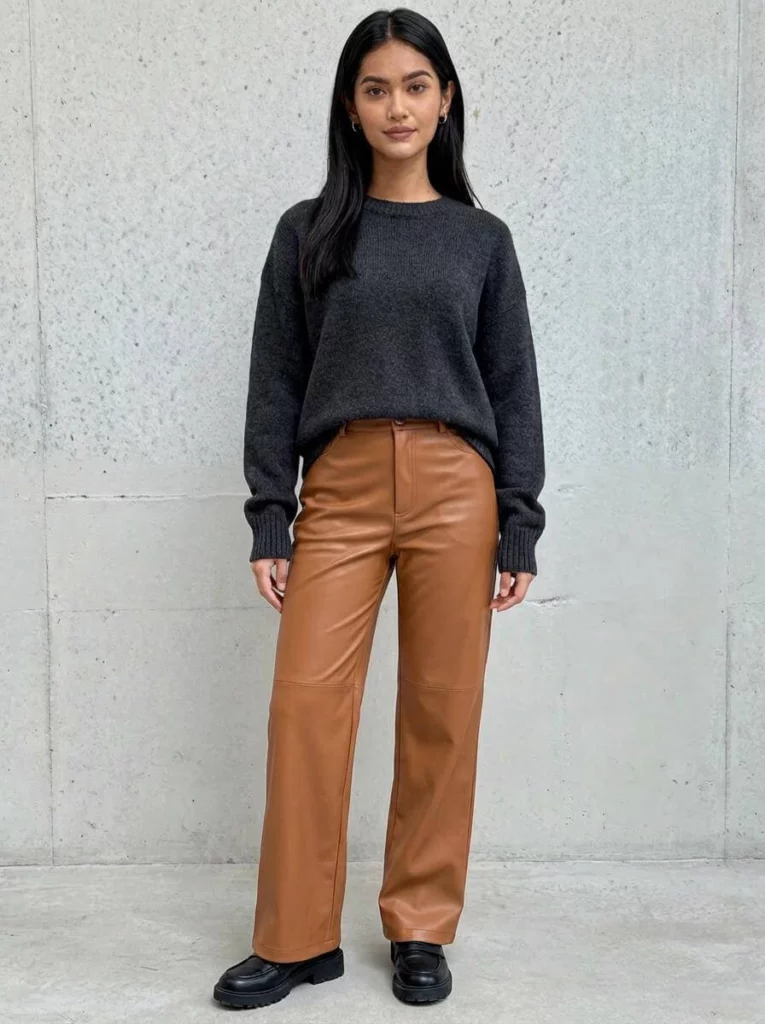
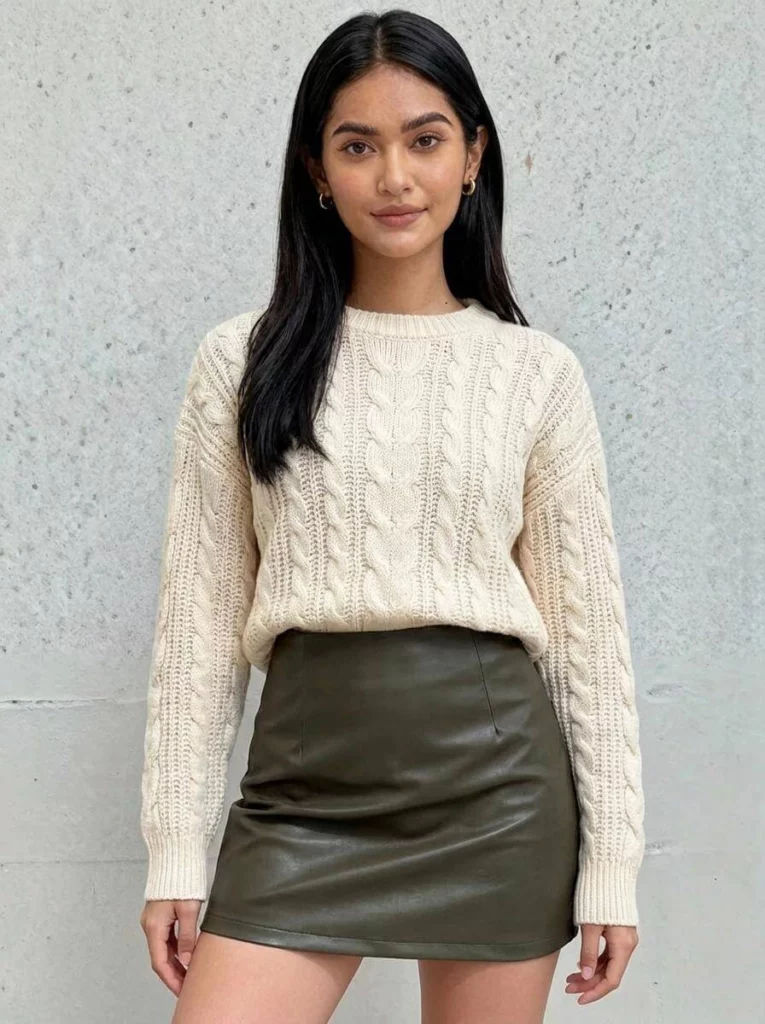
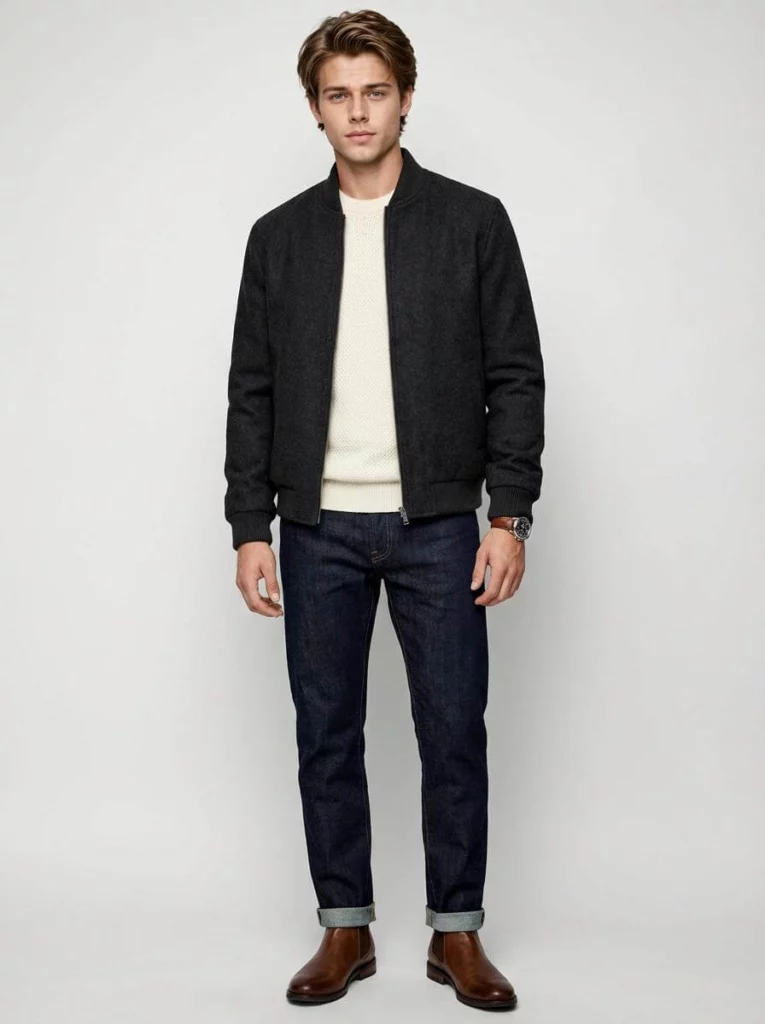
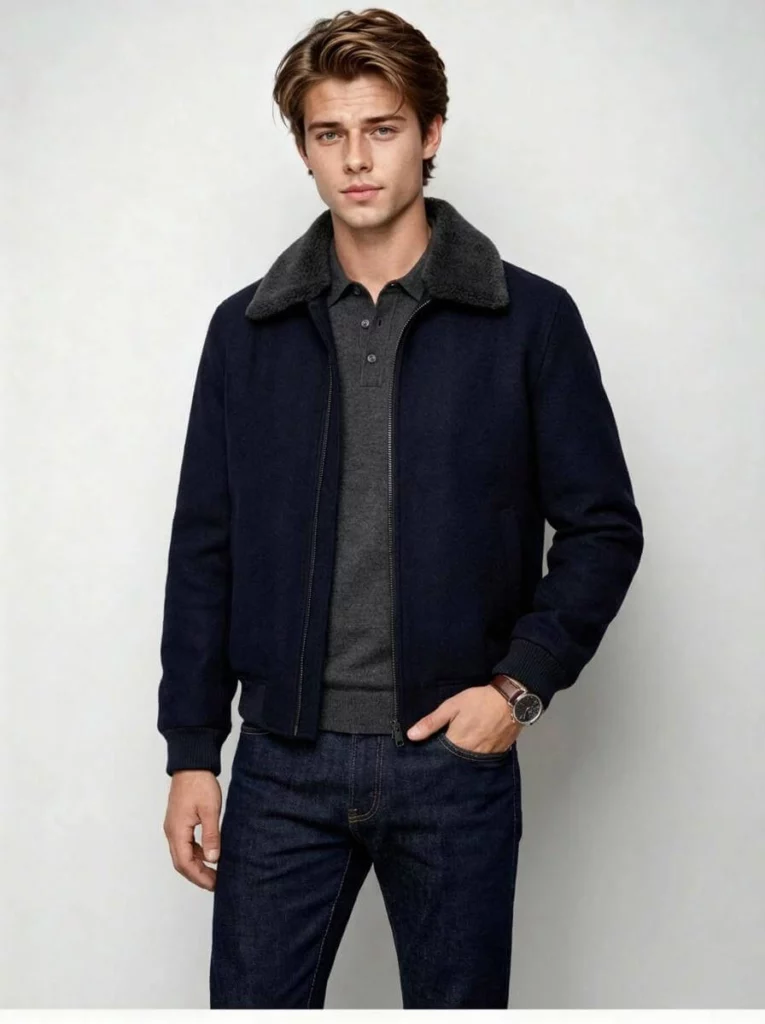
For ecommerce sellers, consistency matters. The outfit generator helps create clean, professional listing images that show how different outfits look on the same model. This keeps storefronts visually aligned while cutting down on photoshoot costs.
Outfit Generator for Social Media Content
Creators rely on fresh visuals. With an outfit generator, they can produce new looks for reels, stories, and posts without changing locations or scheduling shoots. This keeps content flowing and on-trend.
Brand Mood Boards and Campaign Planning
Marketing teams use outfit generators to explore creative directions early. By generating multiple outfit concepts quickly, they can align on themes and aesthetics before committing to full campaigns.
Personal Style Exploration
Beyond professional use, individuals use outfit generators to explore new styles—streetwear, formal, retro, or minimalist—without buying or trying on physical clothes.
Who Is the Outfit Generator Perfect For?
The beauty of an ai outfit generator is how many people it serves.
- Fashion designers who want fast visual feedback
- Ecommerce brands that need scalable outfit imagery
- Content creators looking to refresh visuals frequently
- Marketing teams planning campaigns and lookbooks
- Individuals exploring personal style safely and creatively
In short, if you work with outfits—or care about how they look—an outfit generator saves time and effort.
AI Outfit Generator vs Traditional Outfit Styling
Traditional outfit styling relies on photoshoots, physical garments, and manual editing. While this approach delivers realism, it costs time and money.
An outfit generator flips that model. It reduces setup, speeds up iteration, and allows instant changes. You can test ideas without committing resources upfront.
That doesn’t mean traditional styling disappears. Instead, outfit generators support it. Many teams now use AI early, then finalize selected looks with real-world shoots.
The result? Faster workflows and smarter decisions.
Why WeShop AI Stands Out as an Outfit Generator
What makes WeShop AI’s outfit generator especially practical is its balance between creative freedom and production readiness.
It offers:
- Natural-looking outfit generation
- Batch image creation for scale
- Prompt assistance to reduce guesswork
- Consistent visuals across multiple outputs
Instead of treating outfit generation as a novelty, WeShop AI designs it for real use—whether that’s selling products or telling visual stories.
Conclusion
An outfit generator has become an essential tool for modern fashion workflows. It helps designers prototype faster, brands scale visuals efficiently, and individuals explore style without limits.
WeShop AI’s outfit generator shows how AI can simplify outfit creation while keeping results realistic and flexible. By replacing repetitive manual work with smart automation, it opens new creative possibilities for anyone working with fashion.
As the fashion world moves faster, tools like outfit generators won’t just support creativity—they’ll define it.