You found the perfect photo. It looks great on your phone screen. But when you upload it to your website, it looks tiny. Or maybe it is so huge that the page takes forever to load. This is a frustrating problem. You need to change size of image files constantly to make them work for different platforms.
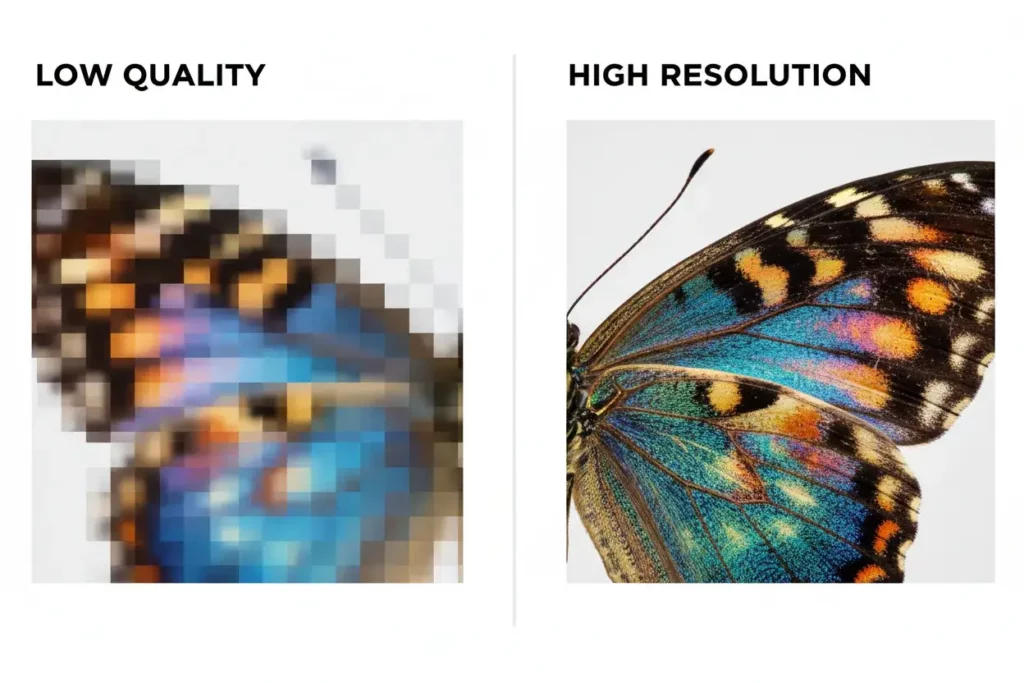
If you just drag the corner of a photo, it usually ends up looking blurry. That is because images are made of pixels. When you stretch them, you pull those pixels apart. In this guide, I will show you how to how to resize an image while keeping it sharp. We will use modern 2026 tools to get professional results in seconds.
Why You Should Change Size for Every Platform
One size does not fit all. A photo that works for a physical print will fail on a mobile app. You need to change size based on where the image will live. If you don’t, the software will do it for you. Usually, the software does a bad job. It might crop out your face or make the colors look muddy.
How to Change Size of Image for Better Web SEO
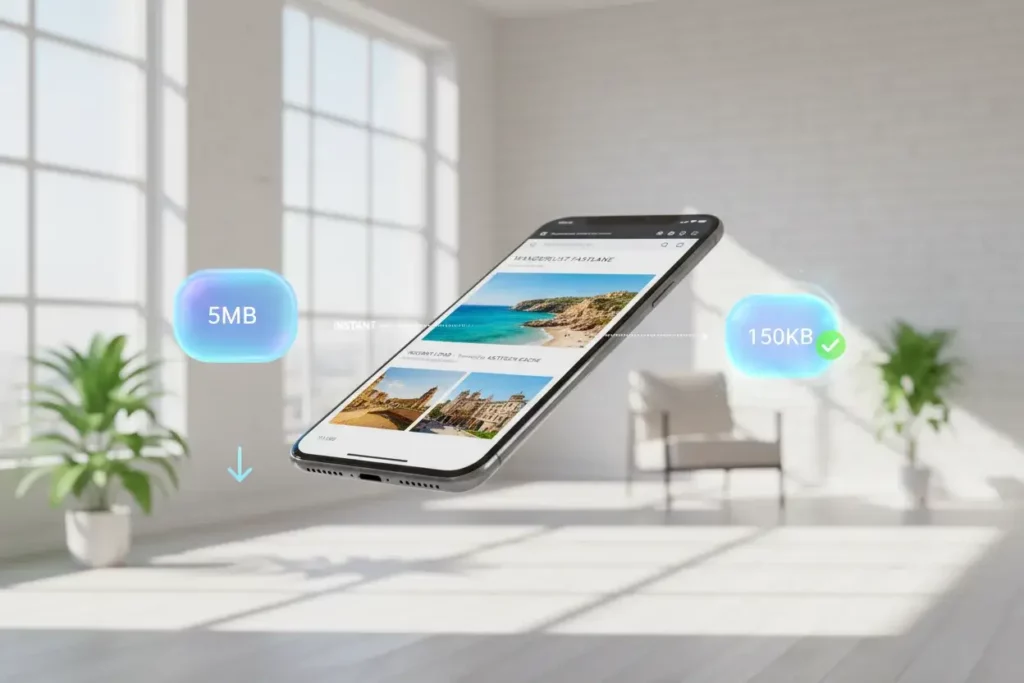
Speed is everything for a website. Search engines like Google track how fast your pages load. Large images are the main reason for slow sites. You must reduce resolution of image files before you hit publish. This keeps your site snappy. It also helps you rank higher in search results. When you change size for the web, aim for the exact pixel width of your blog. Anything larger is just wasted data.
Smart Ways to Change Size for Social Media
Every app has a different “ideal” size. Instagram likes vertical shots. YouTube needs wide banners. If you want to look professional, you must how to resize your content for each one. Don’t let the app stretch your photo. Take control and change size manually. This ensures your text and logos stay in the right spot.
The Benefits of an Image Resolution Decrease
Sometimes, a lower resolution is a good thing. It makes your files easier to email. It saves space on your hard drive. Most importantly, an image resolution decrease makes your mobile user experience better. People viewing your site on a 5G connection will thank you. They won’t have to wait for a 10MB file to download, just as tools like Instantly email verification help ensure emails are delivered quickly and efficiently without unnecessary delays.
Modern Tools to Change Size Like a Pro
The way we edit photos has changed. We no longer rely on simple math to stretch pixels. We use AI to “imagine” what a larger image should look like. This allows us to change size without the usual blur.
Using WeShop AI for Your Business Photos
For anyone selling products online, WeShop AI is a game-changer. It is one of the best tools to change size while improving quality. Let’s say you have a small photo of a clothing item. You can use WeShop AI to upscale it. It adds back the fine details of the fabric. It can even change the background or the model. This tool helps you how to resize an image so it looks like a high-end fashion shoot. It is fast and very easy to use.
When to Lower Image Quality for Performance
It sounds weird to lower image quality on purpose. But for big websites, it is a must. You want the smallest file possible that still looks “good enough.” Most experts suggest a quality level of 70% to 80%. You won’t see the difference on a phone. But your website will load twice as fast. This balance is the key to professional web design.
How to Resize Without Distortion
Distortion happens when you change the width but not the height. This makes people look flat or stretched. Always check the “Constrain Proportions” box in your editor. This ensures that when you change size, the image stays natural. It is a simple step that many people forget.
The Technical Steps to Change Size of Image
Let’s talk about the actual process. Whether you are using a Mac, PC, or a web tool, the logic is the same. You need to know your target dimensions first.
- Open your file. Use a copy, never the original.
- Select the resize tool. Look for “Image Size” or “Canvas Size.”
- Enter your new width. The height should adjust automatically.
- Choose your resampling method. For making images larger, use “Bicubic Smoother.” For making them smaller, use “Bicubic Sharper.”
- Save in the right format. WebP is the king of the web in 2026.
How to Resize an Image for Print
Print is different from digital. You need more “dots per inch” (DPI). If you want a 4×6 print, you need a high-resolution file. You cannot just reduce resolution of image data and expect a good print. You actually want to do the opposite. You might need to upscale the file to 300 DPI. This ensures the printer has enough information to make a clean physical copy.
Managing an Image Resolution Decrease for Email
If you try to email ten high-res photos, the email will bounce. You need to how to resize them into a smaller “gallery” view. This is where you lower image quality slightly to save space. Most email apps have a “Small, Medium, Large” setting. Use “Medium” for a good balance of size and clarity.
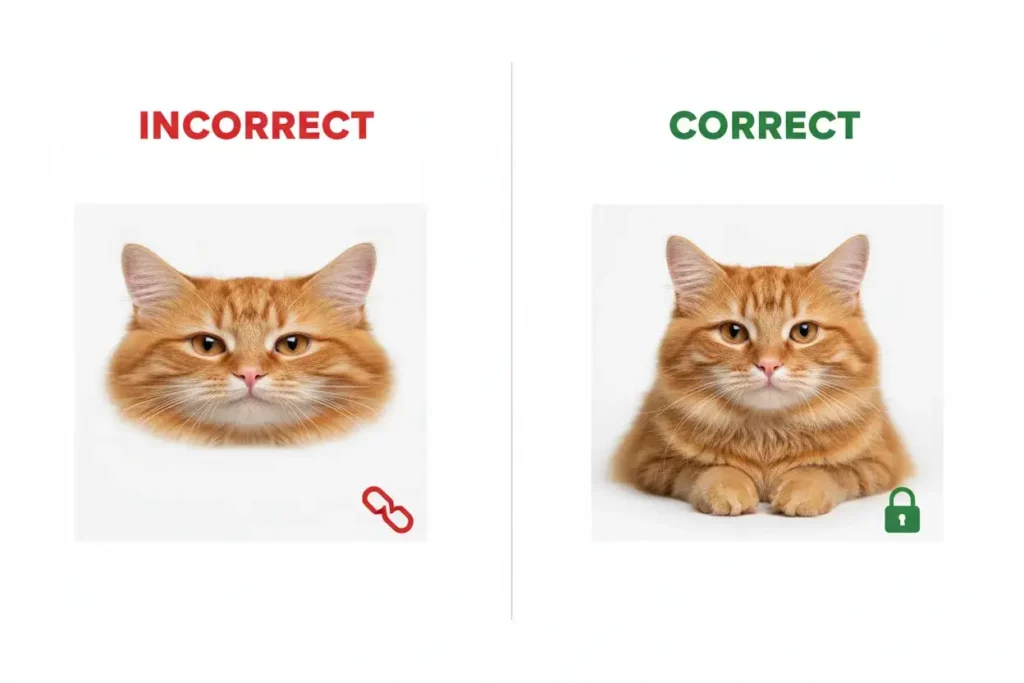
Common Mistakes When You Change Size
Even experts make mistakes. The most common one is “pixelation.” This happens when you try to make a tiny image huge. Even with AI, there is a limit. If you change size too much, the image will look “painted” or fake.
Another mistake is using the wrong file format. JPG is great for photos. PNG is great for text and logos. If you use JPG for a logo, you get “artifacts” or blurry edges around the letters. If you use PNG for a high-res photo, the file will be massive. Choosing the right format is just as important as the size.
Summary: Mastering the Change Size Process
Getting crystal-clear images in seconds is finally possible. You just need to know which tool to use for the job.
- To change size for speed, use compression and reduce resolution.
- To change size for quality, use AI upscaling like WeShop AI.
- To how to resize an image for social media, always lock your aspect ratio.
By following these steps, your visuals will look professional every time. No more blurry pixels. No more slow websites. Just clean, sharp images that grab attention.