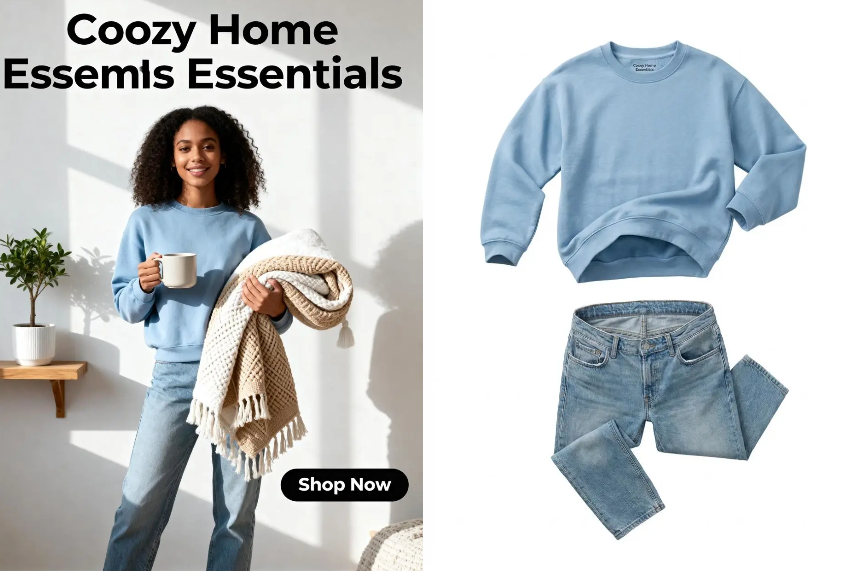
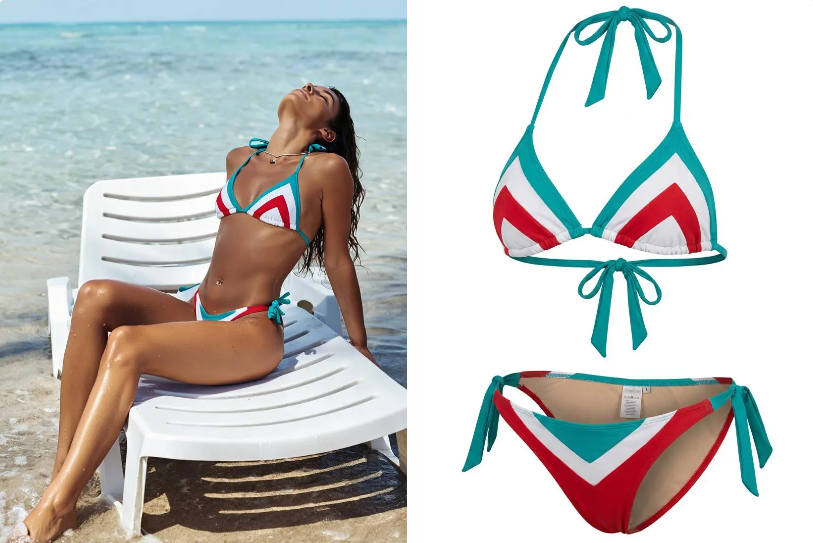
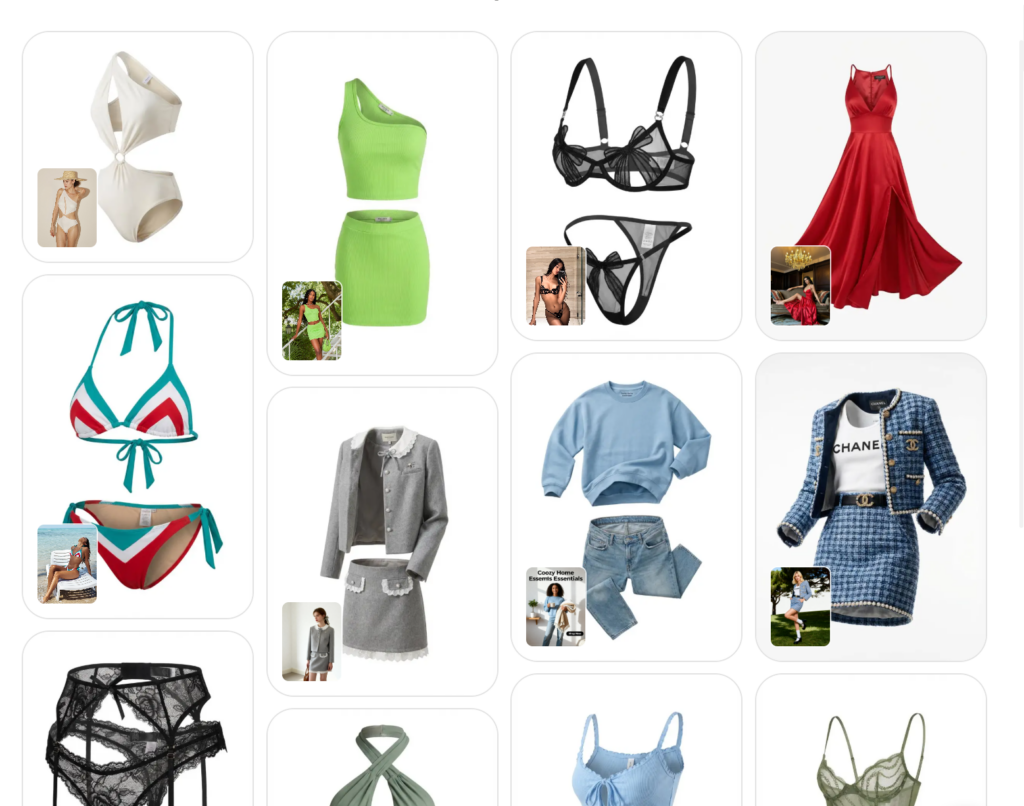
Fashion photos do more than show clothing. They shape how people feel about a product. They also affect whether shoppers keep scrolling or click into the product page. Ghost mannequin photography creates a 3D, invisible-body look, while flat lay photography presents clothing from above on a flat surface. Both styles are common in ecommerce. Each one solves a different problem.
For fashion brands, this is not a small choice. It changes how polished the product looks. It also changes how quickly a shopper understands the item. That is why the best format depends on the product, the channel, and the goal.
The Real Difference Between Ghost Mannequin and Flat Lay
Ghost mannequin shows shape
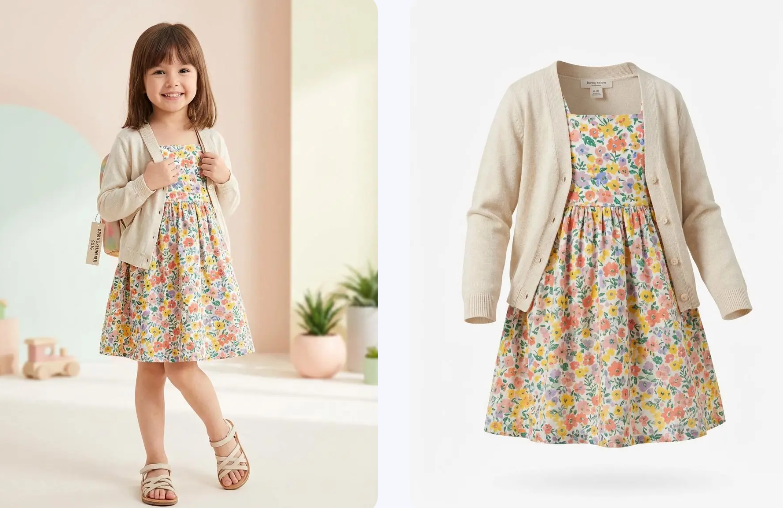
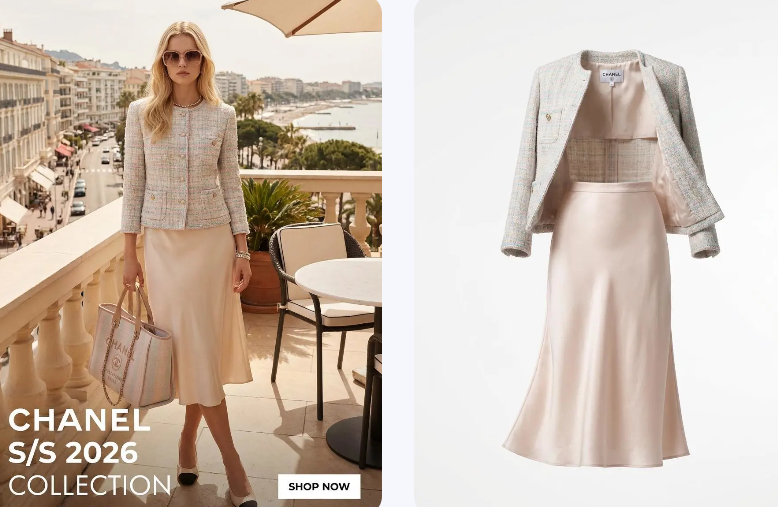
Ghost mannequin focuses on structure. It helps clothing keep its form and gives the image more depth. BigCommerce describes it as a way to create a more dimensional product look.
Flat lay shows simplicity
Flat lay keeps things clean. It presents the garment from above and makes the layout easy to scan. Shopify notes that flat lays work especially well for simple DIY product photos.
Ghost Mannequin vs Flat Lay at a glance
| Style | Best at | Visual feel | Common use |
|---|---|---|---|
| Ghost mannequin | Showing garment shape and structure | Clean, dimensional, premium | Apparel PDPs, catalogs, fashion listings |
| Flat lay | Showing layout and simplicity | Minimal, organized, easy to scan | Collection pages, social content, DIY shoots |
Why Ghost Mannequin Often Feels Stronger for Selling Apparel
It keeps the garment’s form
Ghost mannequin usually works better for structured clothing. Jackets, shirts, and dresses benefit from it. The image preserves shape, which helps shoppers read the product faster. BigCommerce notes that mannequin-based photography helps clothing hold its shape and creates a more professional presentation.
It reduces distraction
A ghost mannequin shot removes the visual noise of a visible model or mannequin. That keeps attention on the garment itself. On a product page, that can make the item feel more premium and more focused. This is an inference based on the format’s documented strengths.
Why Flat Lay Still Has a Real Job
It works well for quick browsing
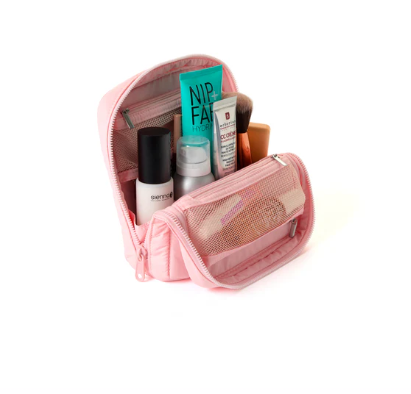
Flat lay still plays an important role. It feels clean. It also works well when the brand wants a controlled look. Shopify highlights flat lays as a simple option for product photography.
It fits collection pages and social content
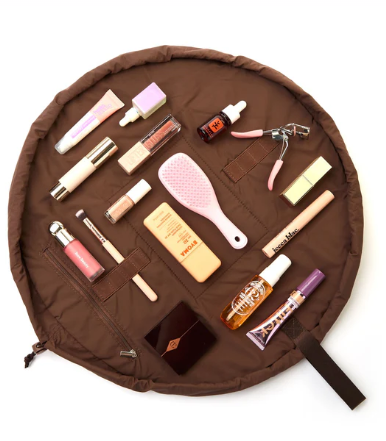
This style works well for folded basics, accessories, bundled outfits, and social posts. It also fits collection pages very well. In those spaces, the image should feel quick to read. Flat lay does that job nicely. Adobe also frames product photography as a key part of ecommerce presentation.
So Which One Makes Fashion Products Sell Better
Ghost mannequin usually wins on product pages
There is no single winner for every brand. Ghost mannequin usually performs better for product pages that need structure and detail. Flat lay often works better for browsing and lighter presentation. That is the practical split.
Flat lay usually wins on simplicity
Use ghost mannequin when the shopper needs to study the garment. Use flat lay when the shopper needs to scan the collection fast. Many brands should use both. That gives them more control across the funnel.
Where WeShop AI Fits Into the Workflow
A faster way to create ghost mannequin images
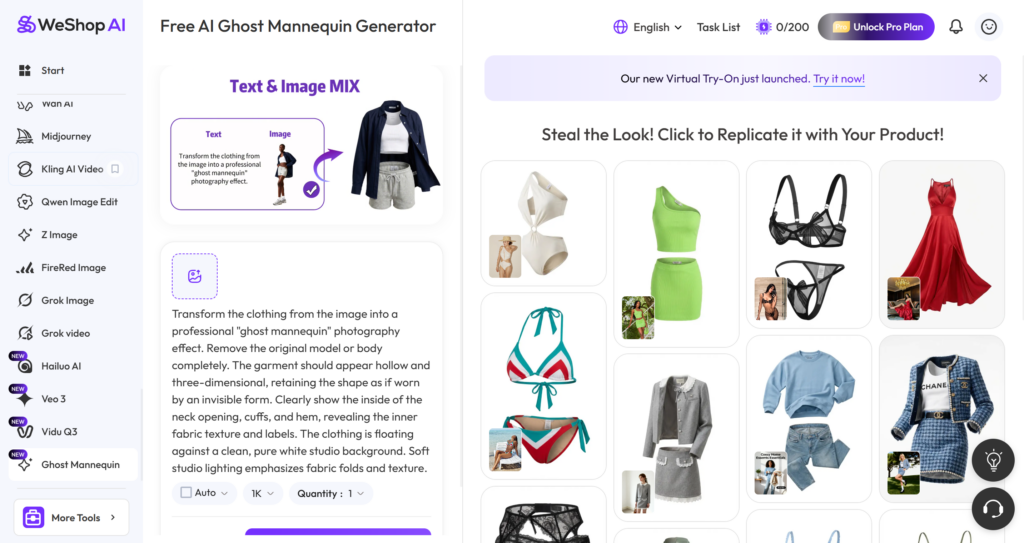
This is where WeShop AI becomes useful. Its Free AI Ghost Mannequin Generator removes the mannequin or model from clothing photos. It also reconstructs the hidden garment area automatically. The tool page says you can do this with just one clothing image, and you do not need complex editing. It is designed for ecommerce product photos, fashion catalogs, and online stores.
Why that matters for busy teams
That matters because ghost mannequin editing can be slow when done manually. A tool like this speeds up the process. It also gives teams a simpler way to keep product images consistent. That is especially helpful when you need to process many SKUs. This is a practical inference based on the tool’s described workflow.
Button: Try the Free AI Ghost Mannequin Generator
Best placement: place this after the WeShop AI section, once the reader understands why ghost mannequin images matter.
A Practical Rule of Thumb for Fashion Brands
Use ghost mannequin for product pages
Use ghost mannequin for product pages. Use flat lay for collection pages and lighter content. That split usually gives the best balance between clarity and style. It also helps the brand stay visually consistent without making every image look the same. Adobe and Shopify both treat product photography as a strategic part of ecommerce presentation.
Use both when possible
WeShop AI fits neatly into that setup. It gives you a fast way to make ghost mannequin images without a long editing cycle. That can save time and reduce friction for apparel teams. It also makes it easier to keep the visual quality high across the store.
[Suggested image here: three-panel sequence showing raw image, ghost mannequin result, and final ecommerce listing]
Final Take
Two formats, two jobs
Ghost mannequin and flat lay are not really enemies. They serve different jobs. Ghost mannequin speaks in shape and structure. Flat lay speaks in clarity and speed. Strong fashion brands use both. They choose the format based on what the shopper needs to see. And when a brand needs a fast way to create polished ghost mannequin visuals, WeShop AI makes that work much easier.