There was a time when face swapping felt like a novelty—something you’d try once, laugh at, and forget. In 2026, that moment is gone. Face transformation has quietly become one of the most viral, repeatable, and commercially viable content formats on the internet.
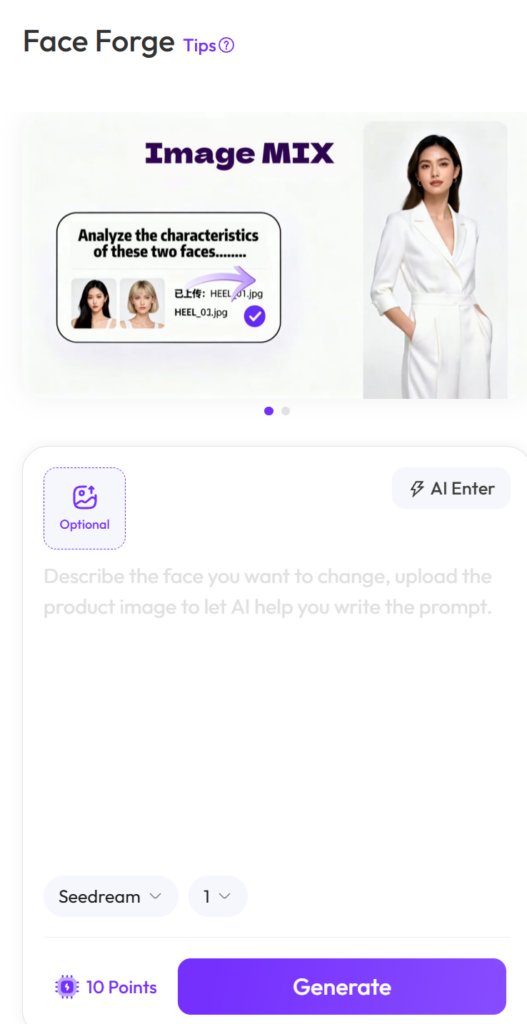
And right at the center of this shift sits Face Forge, a browser-based AI face morph and face swap generator built on Weshop AI.
But here’s the real question:
Is this just another face swap tool—or is it part of a much bigger shift in how people create identity-driven content?
Let’s break it down.
The New Era of Face Swapping: From Gimmick to Content Engine
Modern AI face swap tools are no longer just about replacing one face with another. They’re evolving into identity engines—tools that let users remix personality, aesthetics, and narrative in seconds.
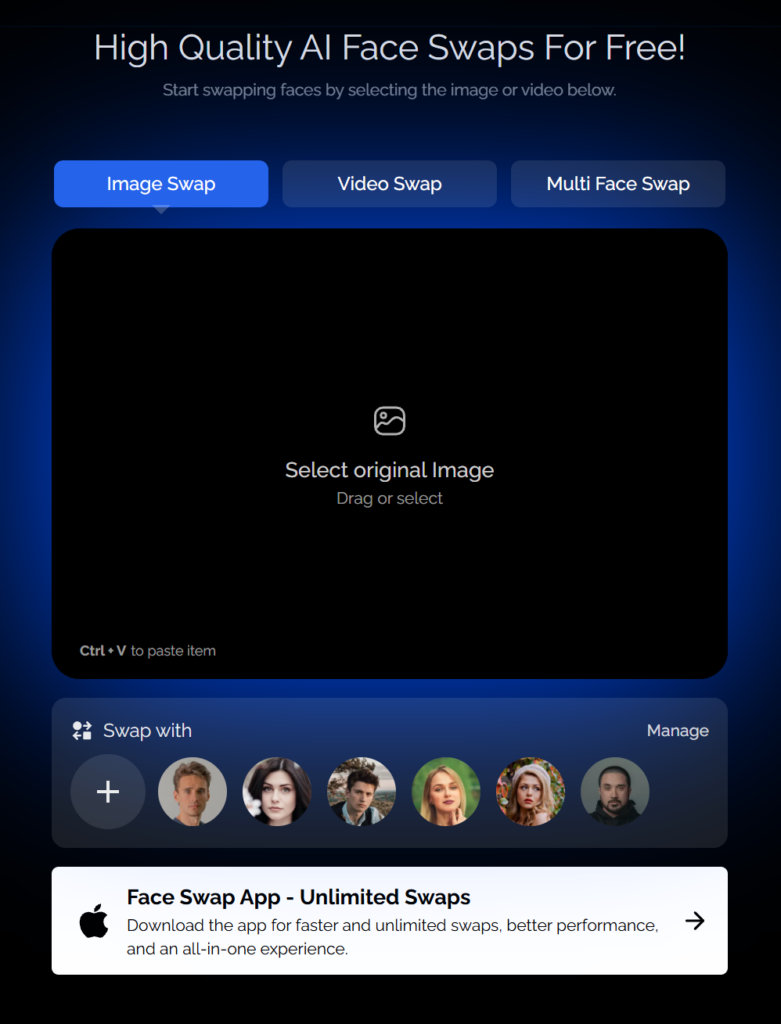
Platforms like Magic Hour AI have already pushed the boundaries by combining face swap with video generation, lip sync, and animation pipelines. These tools deliver highly realistic outputs with accurate skin tone and lighting adaptation, even across multiple faces in motion.
Meanwhile, tools like Deepswap.ai focus heavily on deepfake-style realism, enabling users to generate videos, GIFs, and celebrity-style transformations at scale, with millions of users already experimenting with this format.
That’s the competitive layer Face Forge enters—and it’s a crowded one.
Competitor Comparison: Where Face Forge Actually Stands

| Feature | Face Forge | Magic Hour AI | Deepswap.ai |
|---|---|---|---|
| Core Focus | Face morph + swap simplicity | All-in-one creative suite | Deepfake-style realism |
| Media Support | Images (fast workflows) | Images + video + animation | Images + video + GIF |
| Ease of Use | Very beginner-friendly | Moderate | Moderate |
| Creative Flexibility | Style + morph-based | Multi-tool pipeline | Deepfake variations |
| Speed | Fast browser-based | High but heavier processing | Depends on project scale |
| Best For | Viral content, experimentation | Professional creators | High-realism deepfake use |
What’s interesting isn’t who “wins”—it’s how differently they approach the same concept.
Face Forge doesn’t try to be everything. And that’s exactly the point.
Why Face Forge Feels Different (And More Shareable)
Most tools optimize for realism. Face Forge leans into something more powerful: expressive transformation.
Instead of asking
“Can this look real?”
it asks
“Can this spark a reaction?”
That subtle shift unlocks a few key advantages:
1. Morph-First Thinking
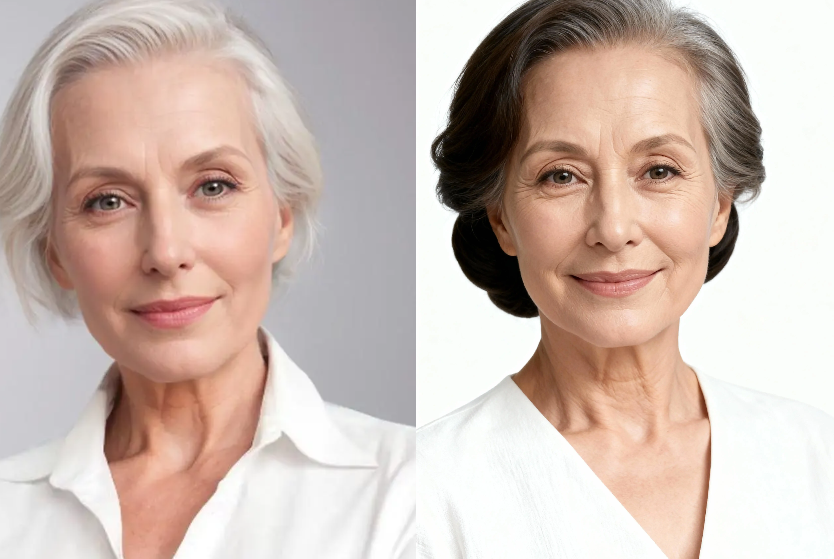
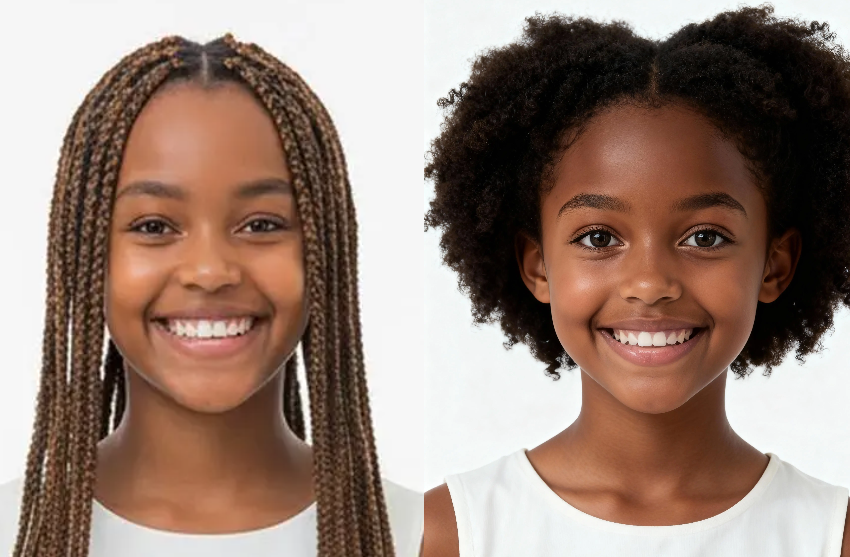
Unlike traditional swap tools, Face Forge emphasizes face morphing—blending identities rather than just replacing them. This creates results that feel more artistic, surreal, and “scroll-stopping.”
2. Frictionless Creation
No installs. No complex workflows. Just upload, generate, iterate.
That matters because the biggest bottleneck in AI creativity isn’t quality—it’s time-to-result.
3. Built for Virality
Face swap content thrives on repeatability. Users don’t just create once—they test multiple variations. Face Forge’s speed makes that loop addictive.
What Users Actually Want in 2026 (And Why Most Tools Miss It)
If you look at how people talk about these tools in communities, the expectations are surprisingly consistent:
“The swaps look real… works in browser… no installs.”
That sounds simple—but it reveals deeper needs:
- Instant output (no learning curve)
- Consistent identity across variations
- Freedom to experiment without cost or friction
- Content that works for social platforms immediately
At the same time, users still complain about issues like:
- Flickering faces in video
- Inconsistent identity in motion
- Overly complex workflows
This is where Face Forge’s positioning becomes smart:
It avoids overpromising on cinematic perfection and instead delivers fast, reliable, creative outputs.
Use Cases That Are Exploding Right Now
Face swapping is no longer niche. It’s quietly powering multiple content categories:
Social Media Content
From meme culture to short-form video, face swapping is one of the fastest ways to create relatable, shareable content.

Personal Branding
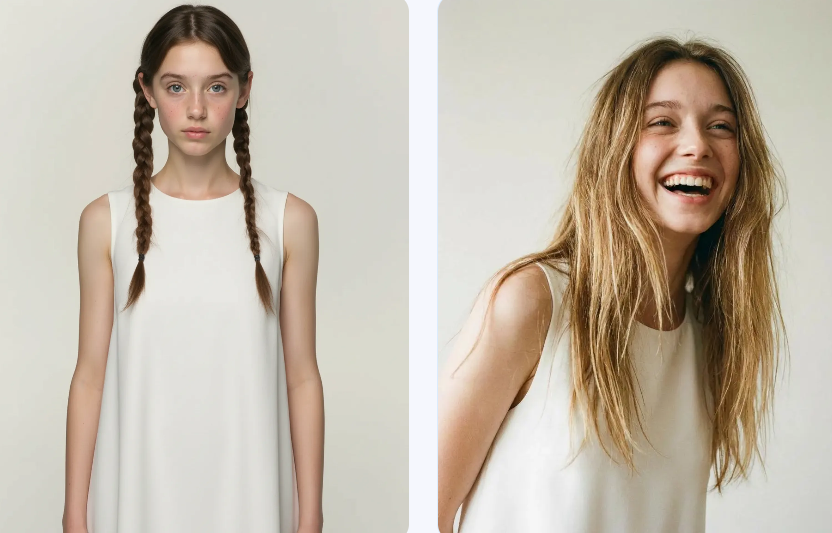
Creators are using face morphing to explore alternate personas, aesthetics, and identities—without expensive shoots.
E-commerce & Fashion Experiments
With tools like SwapAnything expanding into clothing + face swaps, the line between virtual try-on and identity transformation is blurring.

Entertainment & Storytelling
Recasting scenes, inserting yourself into movies, or building narrative edits—face swap is becoming a storytelling layer.
The Real Trend: Identity as a Creative Medium
Here’s the bigger shift most people miss:
Face swap tools are no longer just editing tools.
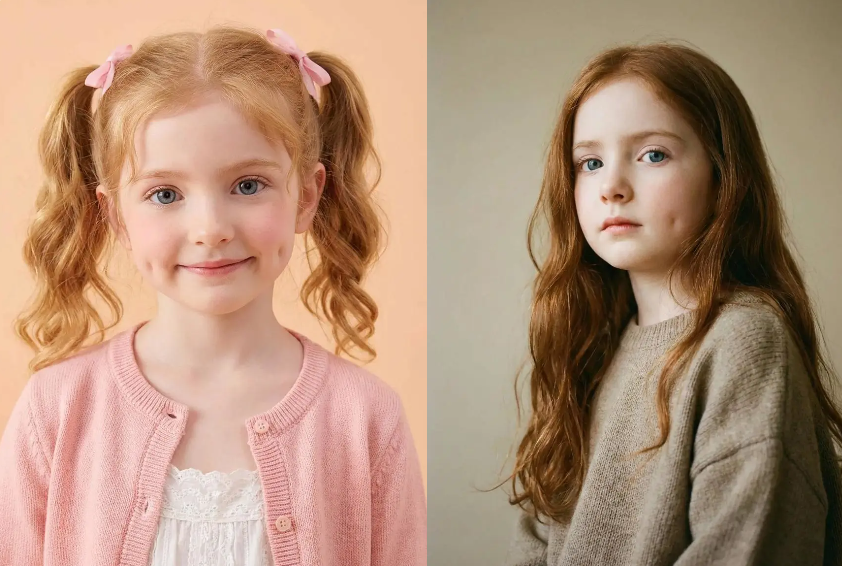
They’re becoming identity simulators.
Under the hood, modern systems use advanced generative techniques to balance identity, expression, and lighting—something earlier frameworks struggled with.
And as AI improves, the question isn’t
“Can we swap faces?”
It’s
“How many versions of yourself can you create?”
Face Forge fits neatly into this future—not by being the most complex tool, but by being one of the most accessible entry points into identity experimentation.
Final Take: Why Face Forge Works in a Saturated Market
In a space filled with tools chasing realism and feature overload, Face Forge wins on something simpler—and arguably more important:
It makes face transformation feel easy, fast, and worth sharing.
That’s what drives real adoption.
Not just better pixels.
Better loops.
Better ideas.