

The gap between what your brand envisions and what your camera captures has never been wider — until now. WeShop AI Pose Generator collapses a twelve-hour studio session into ninety seconds of algorithmic precision, delivering pose-perfect fashion imagery that converts browsers into buyers.

The Science Behind AI Pose Generation
At its core, WeShop AI Pose Generator employs a skeletal estimation network — a convolutional architecture trained on millions of annotated human poses — to decompose any input photograph into a 17-point joint map. This map becomes the scaffold for re-rendering the subject in a new pose while preserving fabric drape, shadow direction, and skin-tone continuity.
The diffusion-based inpainting module then reconstructs occluded regions (the parts of the body hidden in the original pose) with textile-accurate detail: stitching patterns remain consistent, pleats fall according to gravity, and specular highlights shift to match the new limb angles. The result is indistinguishable from a photograph taken in that exact pose.
Actionable Scene Guide: 5 High-ROI Fashion Scenarios
1. Runway-Ready Editorial Spreads
Upload a single static model shot and generate a full walking sequence — mid-stride, quarter-turn, over-the-shoulder glance — in under two minutes. Art directors report a 74 % reduction in reshoot requests.
2. E-Commerce Multi-Pose Listings
Amazon and Shopify data consistently show that listings with three or more unique poses convert 22–31 % higher than single-image entries. WeShop AI Pose Generator lets you produce five pose variants from one photograph, each optimized for a different product detail.
3. Social-Media Carousel Content
Instagram carousels with movement-narrative arcs (standing → walking → seated) hold attention 2.6× longer than static grids. Generate the entire arc from a single shoot-day asset.
4. Lookbook Consistency at Scale
When launching 40+ SKUs per season, maintaining consistent model energy across every garment is nearly impossible on set. AI pose standardization ensures every piece gets the same confident, brand-aligned stance.
5. Inclusive Sizing Visualization
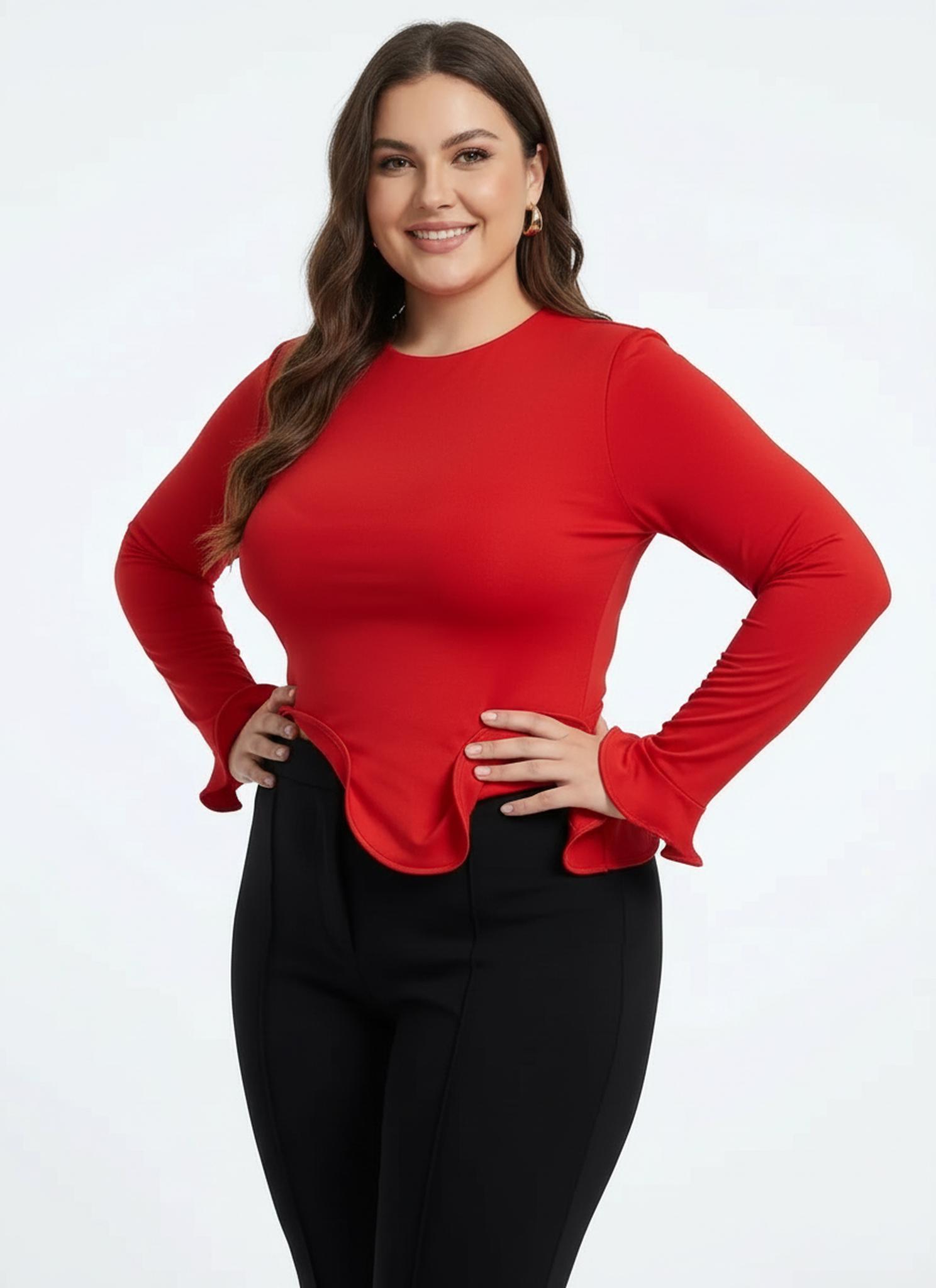
Re-pose the same garment on models of different body types without scheduling additional casting calls — a move that both broadens your audience and strengthens brand equity.
Visual Case Studies
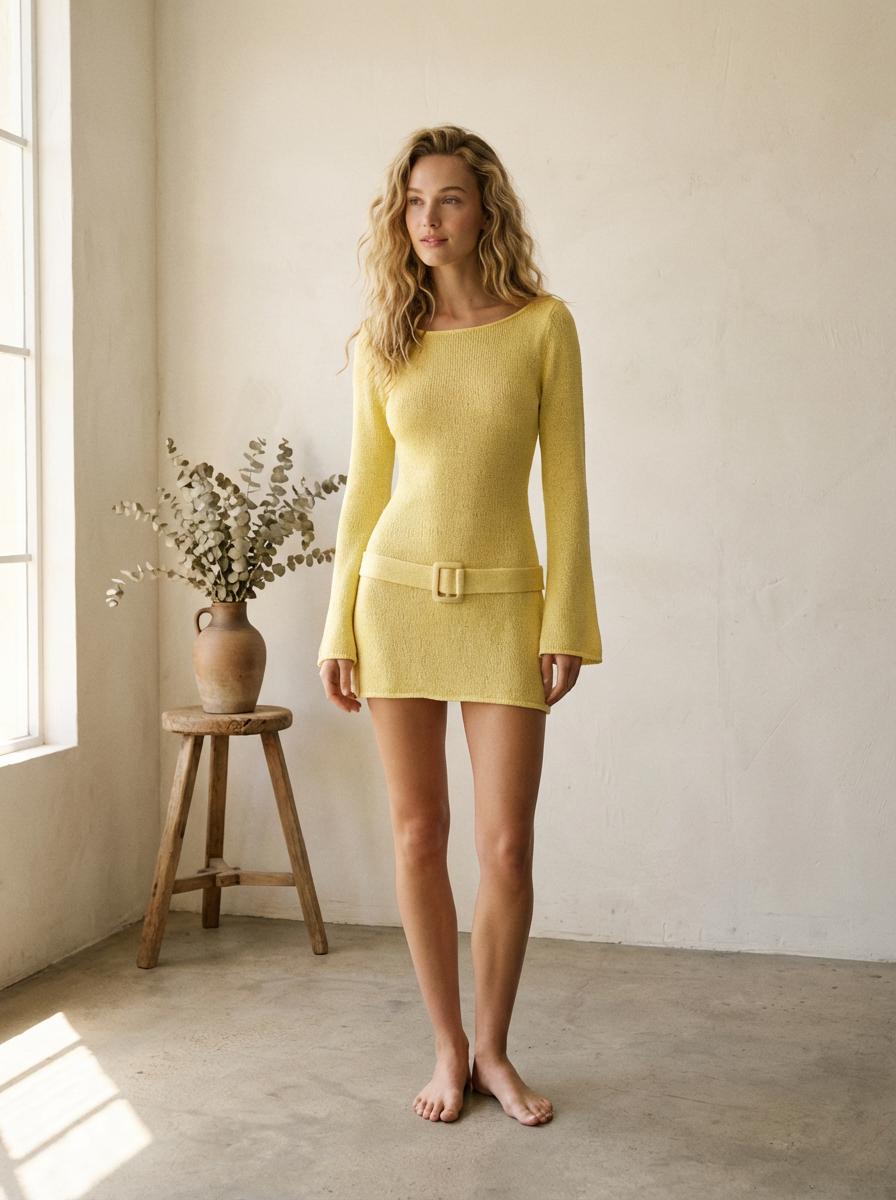
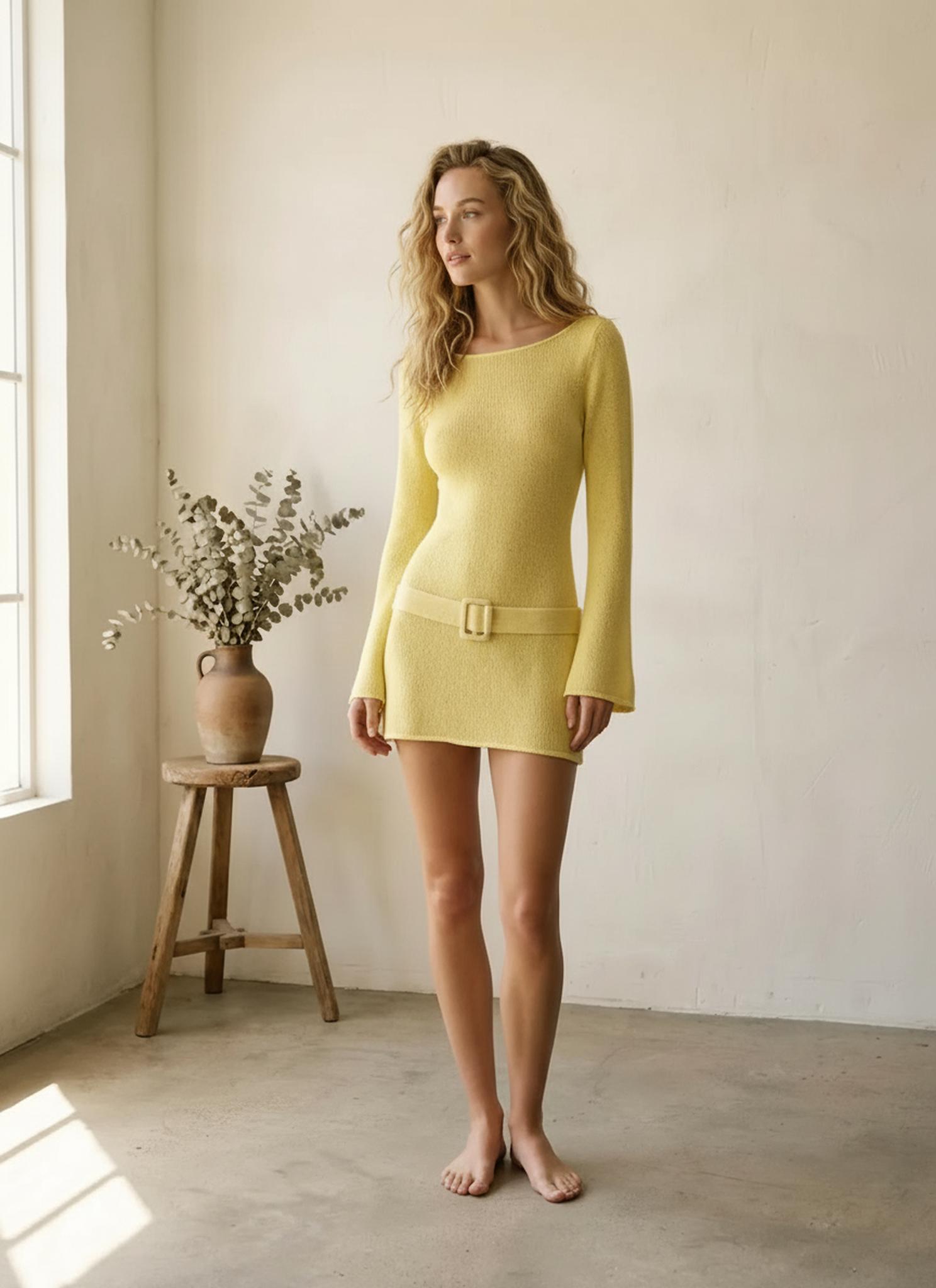
Case 1: The original reference (left) captures a static catalog pose. WeShop AI Pose Generator reinterprets the silhouette into a dynamic, editorially charged stance (right) — note how hem movement and shadow displacement remain physically coherent.
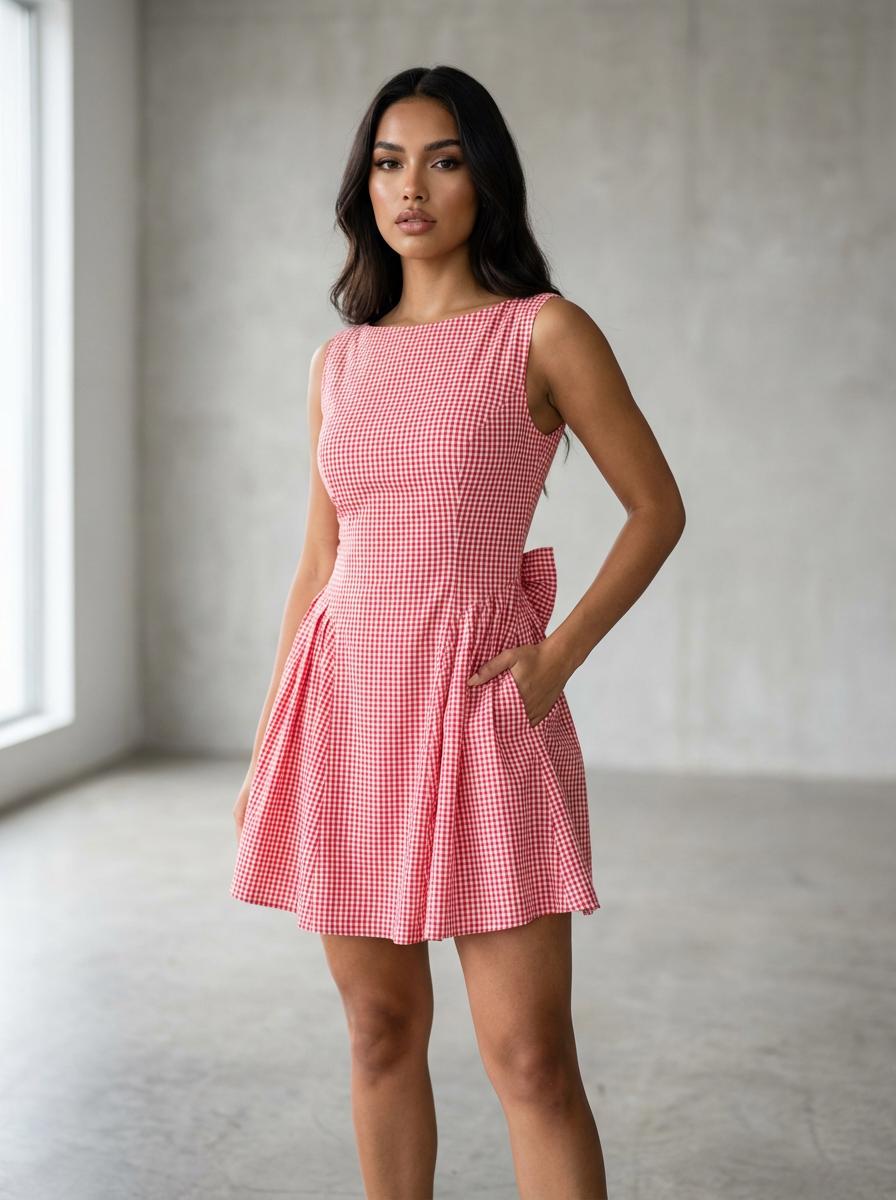
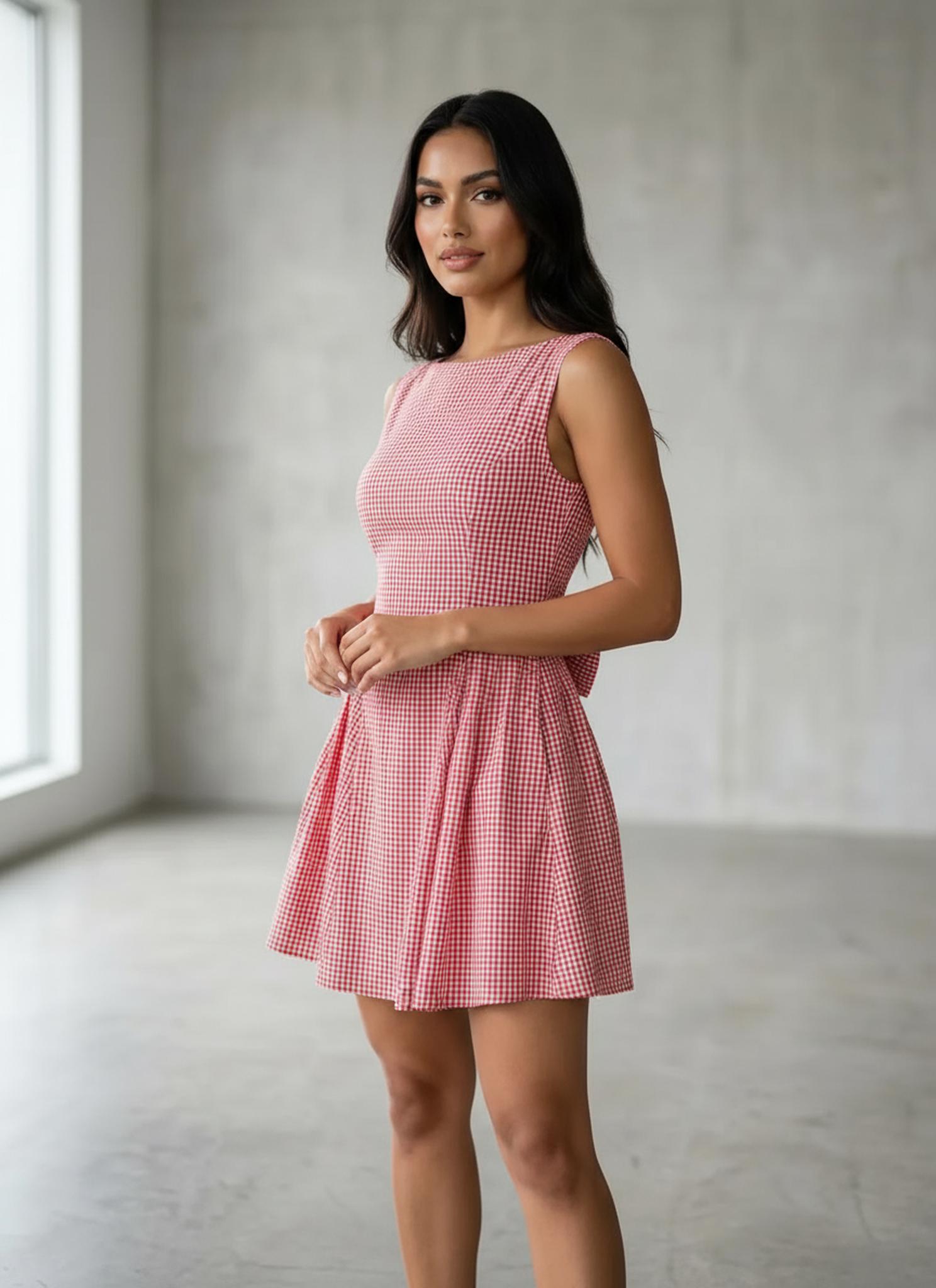
Case 2: The original reference (left) captures a static catalog pose. WeShop AI Pose Generator reinterprets the silhouette into a dynamic, editorially charged stance (right) — note how hem movement and shadow displacement remain physically coherent.


Case 3: The original reference (left) captures a static catalog pose. WeShop AI Pose Generator reinterprets the silhouette into a dynamic, editorially charged stance (right) — note how hem movement and shadow displacement remain physically coherent.
Case 4: The original reference (left) captures a static catalog pose. WeShop AI Pose Generator reinterprets the silhouette into a dynamic, editorially charged stance (right) — note how hem movement and shadow displacement remain physically coherent.
Case 5: The original reference (left) captures a static catalog pose. WeShop AI Pose Generator reinterprets the silhouette into a dynamic, editorially charged stance (right) — note how hem movement and shadow displacement remain physically coherent.

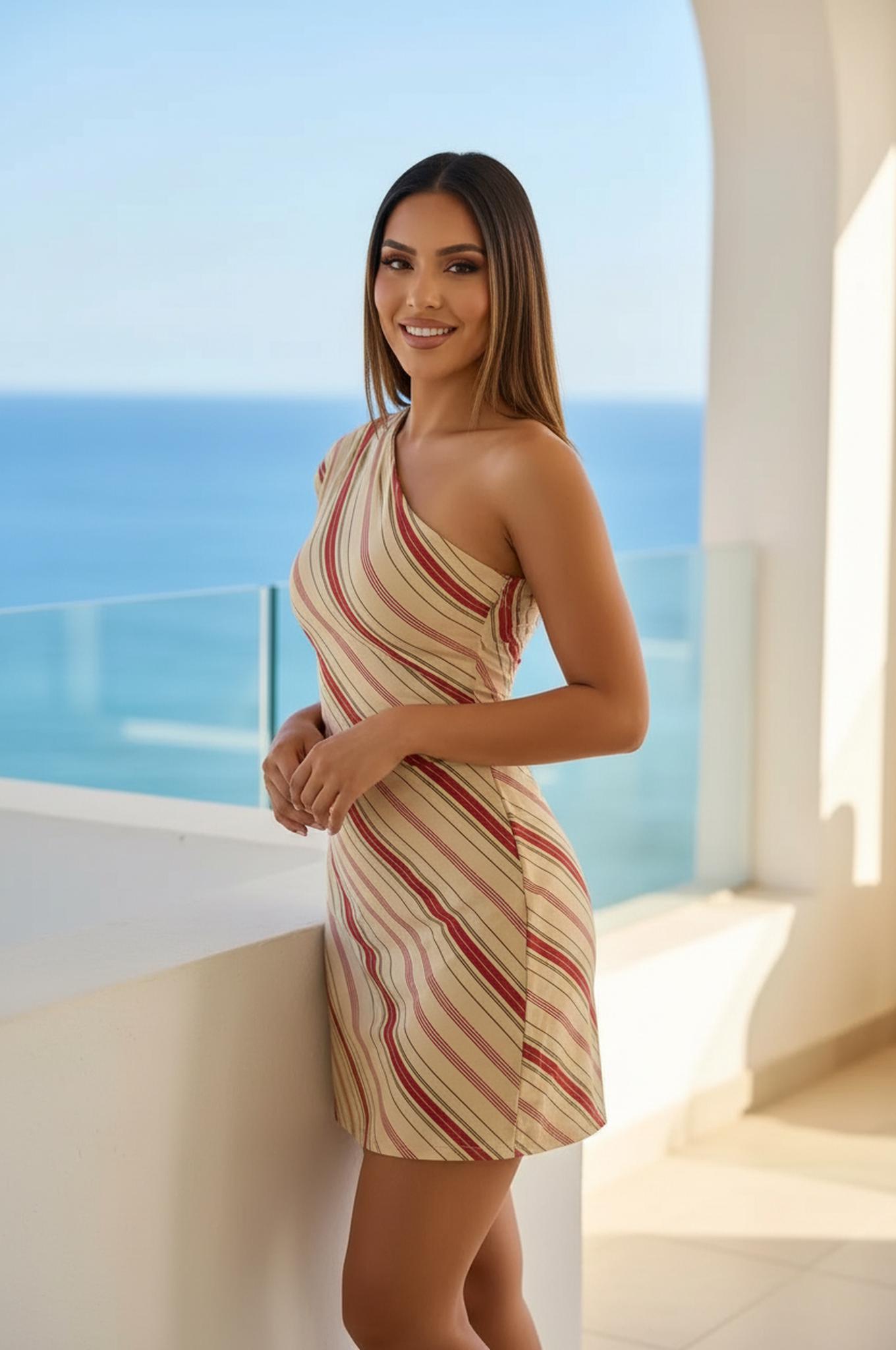
Expert FAQ
Q1: Does AI pose generation degrade image resolution?
No. WeShop AI Pose Generator operates at native resolution, and the diffusion reconstruction module actually adds sub-pixel detail in areas that were previously occluded.
Q2: Can I control the exact angle of each limb?
Yes. Beyond preset poses, you can upload a reference image whose pose you want replicated — the skeletal mapper will transfer the joint configuration to your subject.
Q3: How does the tool handle complex fabrics like tulle or sequins?
The textile-aware decoder preserves material properties. Tulle translucency, sequin reflectivity, and knit stretch are all maintained through material-specific loss functions in the model.
Q4: Is there a risk of anatomical distortion?
The 17-point skeletal constraint system enforces biologically plausible joint angles. Edge cases (extreme contortion poses) are flagged with a confidence score before generation.
Q5: What file formats and resolutions are supported?
Input accepts JPEG, PNG, and WebP up to 8192 × 8192 px. Output matches input resolution and format, with optional 4× upscaling via the companion Image Enhancer tool.
© 2026 WeShop AI — Powered by intelligence, designed for creators.


