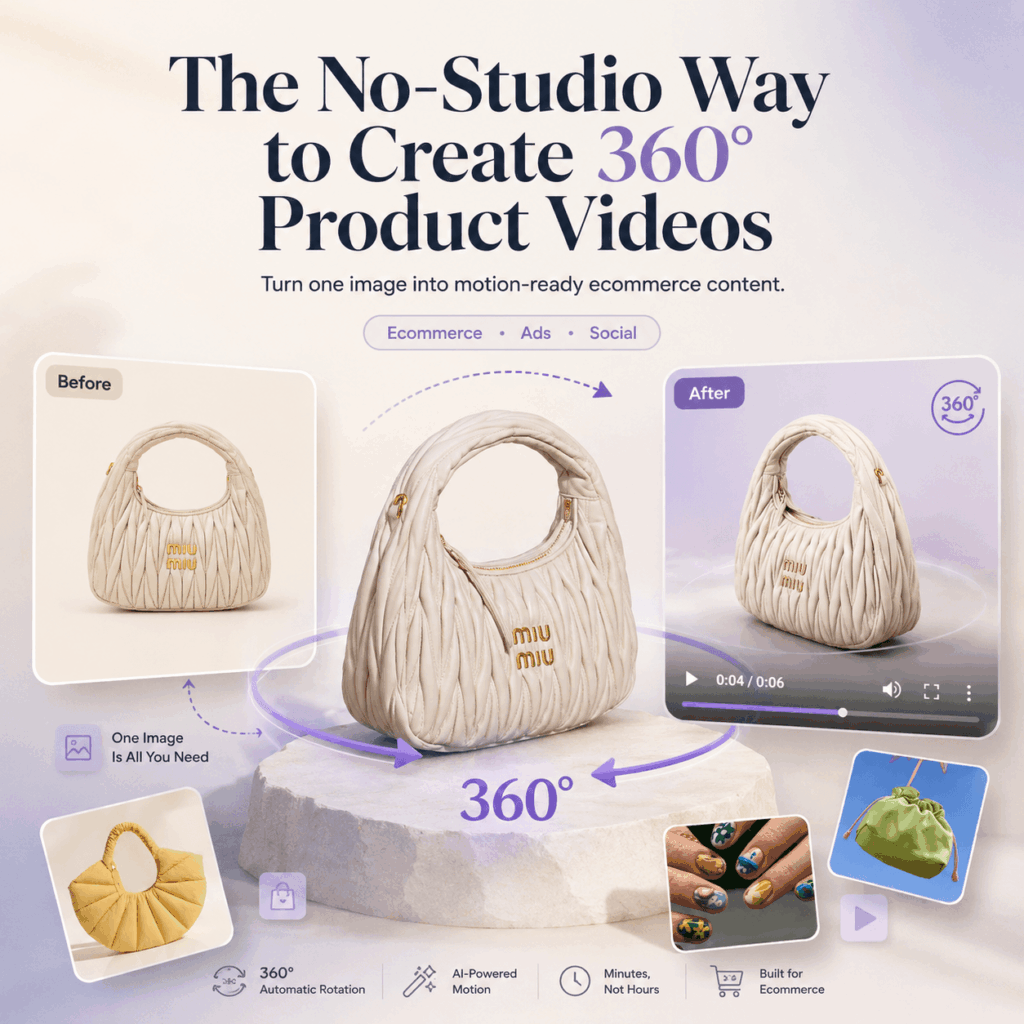
Most ecommerce brands do not need another folder of product photos. Instead, they need a smarter way to turn existing images into 360 product videos for product pages, ads, and social media.
In many cases, a store already has clean product shots, catalog images, packaging photos, and campaign visuals. However, many of those images only do one job. They sit on a product page and wait for shoppers to look closer.
As a result, a lot of visual value gets left behind.
Today, shoppers move fast. They scroll through TikTok, Instagram Reels, YouTube Shorts, product ads, and visual landing pages every day. Because of that, a static image can still show the product, but it may not create enough motion, depth, or curiosity.
That is where AI 360 video production becomes useful. Rather than setting up a studio, turntable, camera rig, and lighting system, merchants can start with one product image. Then, they can generate a smooth 360° rotation video in a much lighter way.
In other words, one product photo can get a second life. For example, it can become a product page video, a social clip, an ad creative, a launch asset, or a more dynamic catalog visual.
So, instead of planning another complex shoot, merchants can make the content they already own work harder. No studio is needed. No complex shoot is required. One product image can simply do more.

General prompt to try:
Turn this product image into a smooth 360° rotation video for ecommerce. Keep the product centered, preserve important details, maintain realistic texture, and create a clean product showcase for product pages and ads.
Why 360 Product Videos Matter More Than Another Static Image
Static product photos still matter. They are clear, simple, and easy to use on product pages. Still, they have limits.
One image can show color, style, and basic shape. Even so, it may not show depth, side details, texture, or the full structure of the product. For online shoppers, that missing information can create doubt.
And doubt slows down buying.
People do not always hesitate because of price. More often, they pause because they cannot see enough. Maybe they want to know what the back looks like. Perhaps they need to check the thickness, material, silhouette, or packaging shape.
That is why 360 product videos can be so helpful. With rotation and motion, the product feels more real. As a result, shoppers can understand the item faster and feel more confident before they buy.
This format works especially well for products where shape and detail matter. Bags, shoes, watches, jewelry, skincare packaging, furniture, toys, collectibles, gadgets, and home decor are all strong examples.
The Real Problem: Product Photos Stop Working Too Early
Many ecommerce teams treat product photos as finished assets. Once the image goes live on a product page, the job feels done.
However, that is a narrow way to use content.
A strong product image can do much more. It can become a product page video, a launch asset, a short social post, or an ad creative. Beyond that, the same visual can support email campaigns, landing pages, marketplace listings, and online catalogs.
Here is the problem: product photos often stop working too early. Brands pay for photography, editing, styling, or retouching. After that, those images may only support one campaign or one listing. Soon, they end up sitting inside folders and backend libraries.
AI 360 video production changes this pattern. Instead of treating product photos as final content, merchants can use them as starting points for motion.
For example, a handbag image can become a rotating product page video. A shoe photo can turn into a short ad clip. Meanwhile, a skincare bottle image can support a product launch. A furniture photo can also become a more dimensional landing page asset.
So, the value is not just “creating a video.” The bigger value is getting more use from visuals you already own.
Why Traditional 360° Product Video Production Feels Too Heavy
Traditional 360° product videos can look polished. Still, the process is often too heavy for fast-moving ecommerce teams.
A classic setup usually needs a rotating platform, controlled lighting, a camera, a clean background, product preparation, editing, and export work. That may be fine for one hero product. However, it becomes harder when a store has dozens or hundreds of SKUs.
The real challenge is not making one beautiful video. Instead, the challenge is repeating that process for every product without slowing down the business.
A fashion store may need videos for bags, shoes, and accessories. At the same time, a skincare brand may need content for bottles, boxes, bundles, and seasonal launches. Meanwhile, marketplace sellers often need quick visuals for listings, ads, and promotions.
Because of this, traditional production becomes a bottleneck. It takes too much planning, too much equipment, and too much time.
That is why the no-studio approach matters. It gives merchants a lighter way to create 360 product videos without turning every SKU into a full production project.
How AI 360 Video Production Changes the Workflow
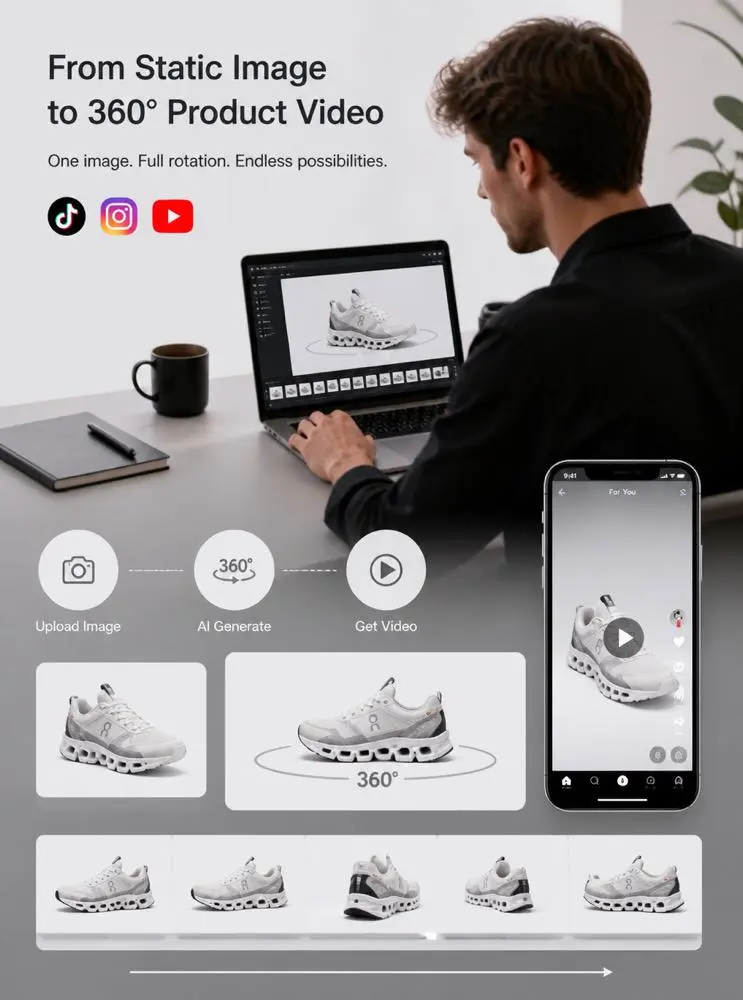
AI 360 video production starts with something simple: one product image.
Instead of filming every angle by hand, merchants can upload a product photo and generate a 360° rotation video online. As a result, the product gets more motion and dimension without a turntable or camera rig.
This shift changes how sellers think about product images. A photo is no longer just a static asset. It can also become the input for new video content.
The workflow becomes much lighter:
Choose a product image.
Generate a rotation video.
Use that video on a product page, social post, ad, landing page, launch campaign, or online catalog.
Of course, professional product photography still has value. High-end shoots are useful for major campaigns and premium brand visuals. However, not every product needs a studio-level process. Also, not every campaign can wait for a new shoot.
With AI, merchants get another option. They can create motion from images they already have.

One Product Image, More Than One Selling Asset
The smartest ecommerce teams do not treat product photos as single-use assets. Instead, they treat them as raw material for more selling content.
One image can become a 360° product page video. From there, the same video can become a TikTok clip, Instagram Reel, YouTube Short, product ad, launch teaser, email visual, or catalog motion preview.
As a result, one product photo works harder across the sales funnel.
At the awareness stage, a 360° video can help stop the scroll. Movement makes the product easier to notice in crowded feeds.
During the consideration stage, rotation helps shoppers understand shape, structure, and detail. Therefore, the product feels clearer and more complete.
Closer to purchase, the same asset can support product pages, landing pages, and retargeting ads. Since shoppers get more visual information, they may feel more confident about the product.
That is why AI 360 video production is not just a “cool video tool.” For ecommerce brands, it works more like a content multiplier.
Social ad prompt to try:
Create a short 360° product video for TikTok, Instagram Reels, and paid social ads. Make the product rotation smooth, visually engaging, and easy to understand within the first few seconds.
Best Product Types for 360 Product Videos
Not every product needs a 360° video. However, products with strong shape, texture, or design details often benefit the most.
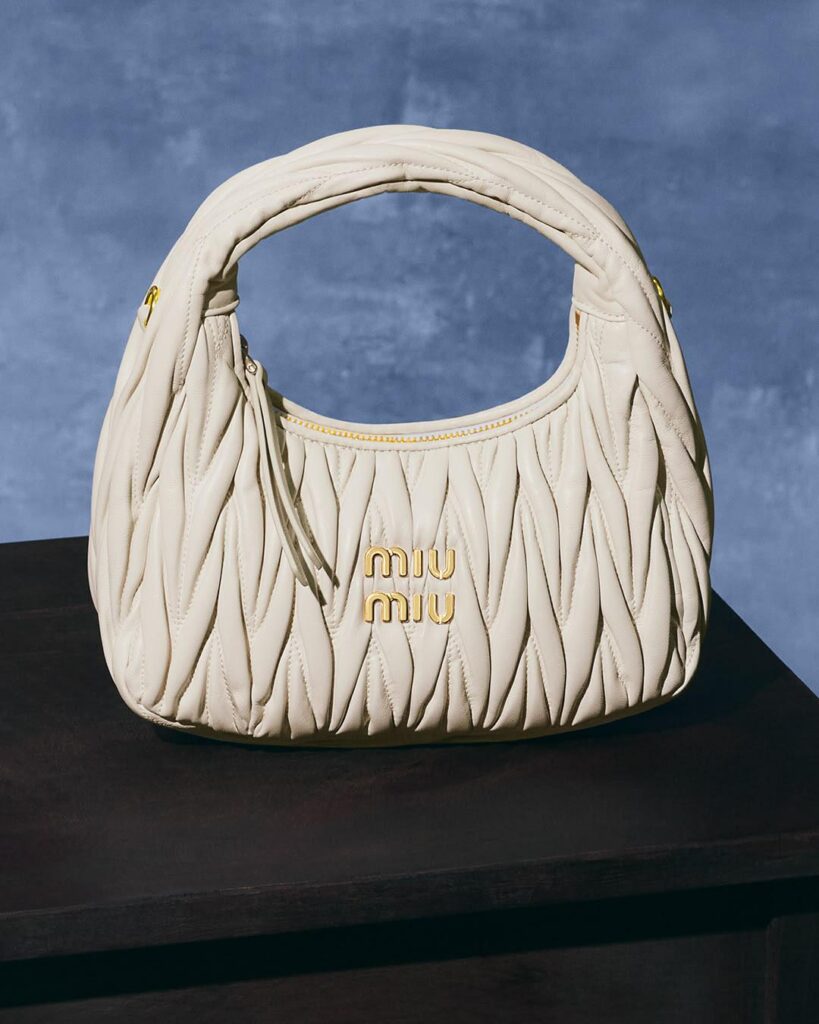
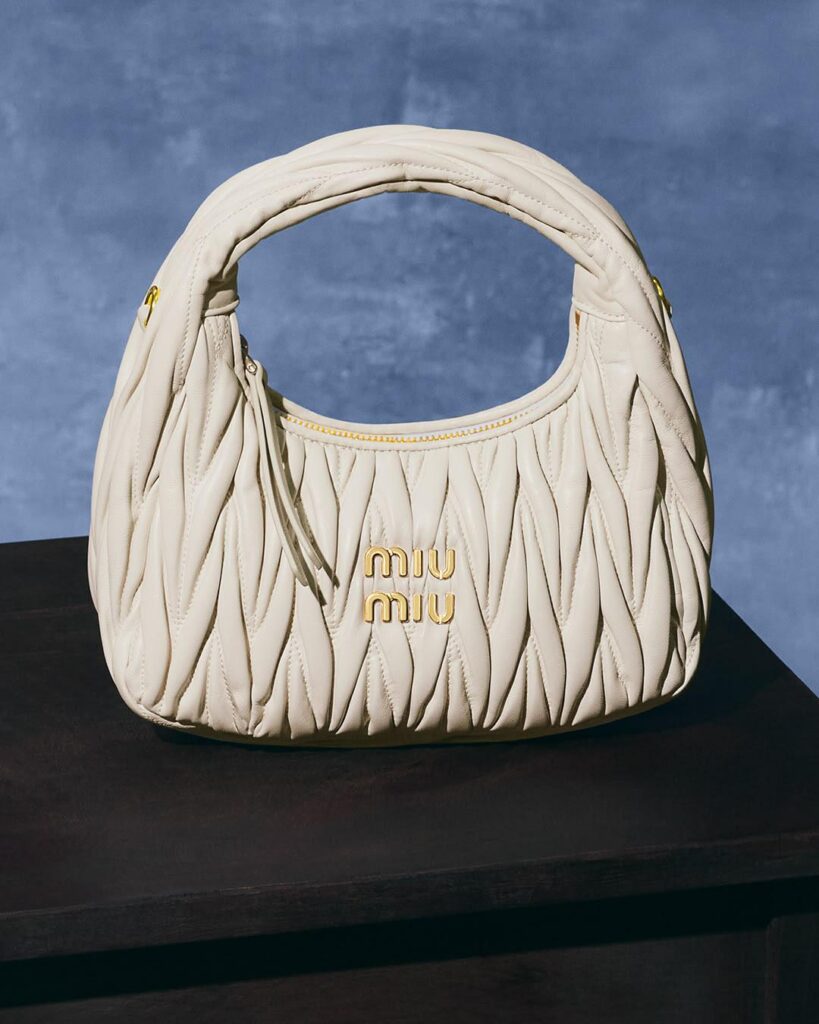
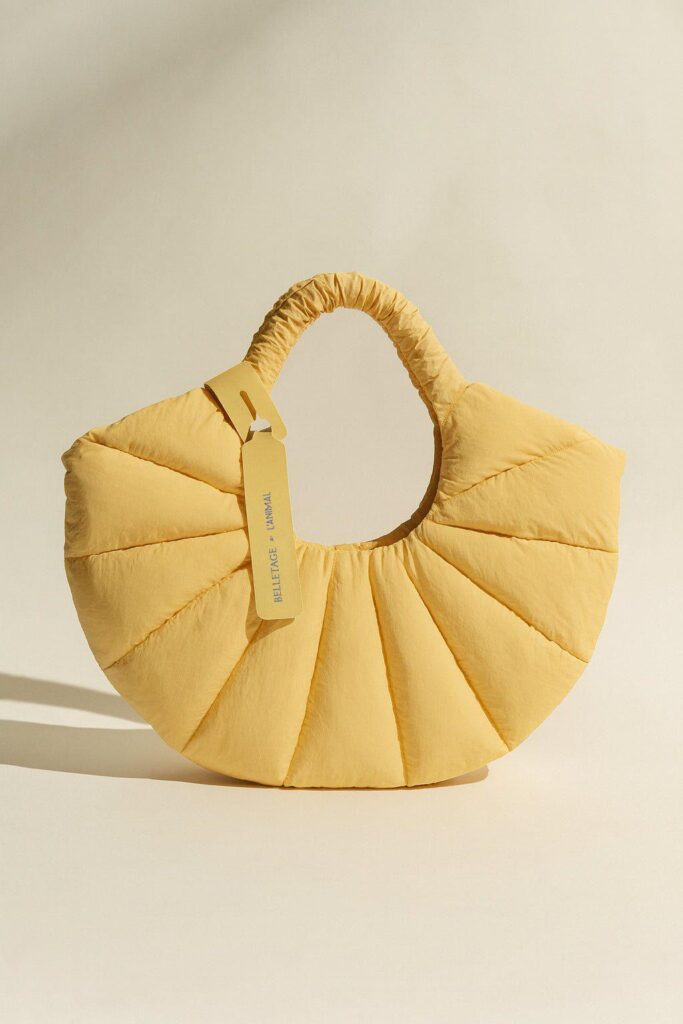
Bags are a strong example. A 360° rotation video can show the silhouette, handle, hardware, surface texture, and structure. This gives shoppers a clearer sense of the item beyond one front-facing photo.
Prompt for bags:
Create a smooth 360° product rotation video from this handbag image. Keep the product centered, preserve the leather texture, stitching, metal hardware, and original color. Use clean lighting and a premium ecommerce product showcase style.
Shoes also work well. A rotating video can show the side profile, sole, material, and design details. For fashion, sportswear, and lifestyle products, that extra movement can make the item feel more complete.
Prompt for shoes:
Generate a 360° rotation video from this shoe image. Highlight the side profile, sole, material texture, and design details. Keep the background clean and make the motion smooth for an ecommerce product page.
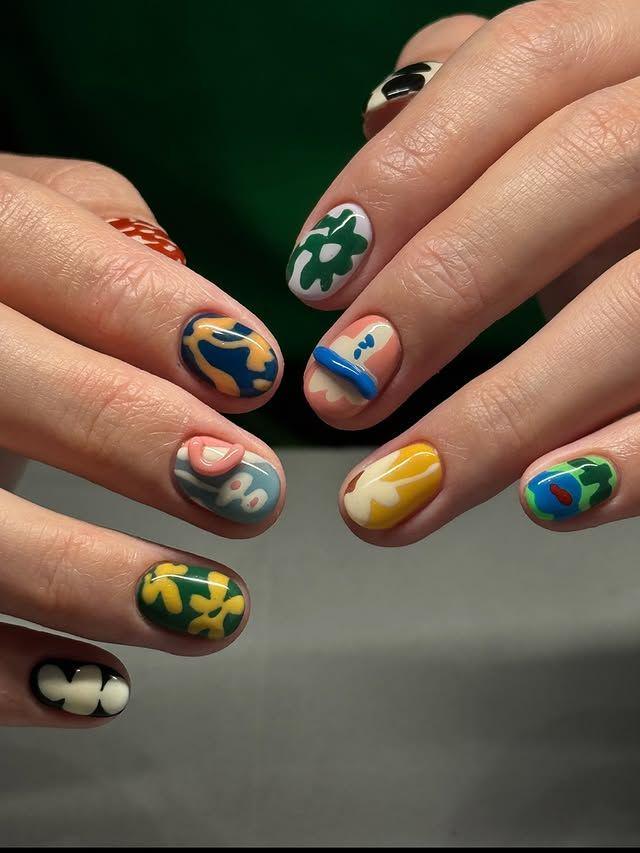
Jewelry, watches, and accessories can benefit from motion too. These items often depend on shine, detail, and close-up appeal. Therefore, a 360° video can help them feel more premium and realistic.
Prompt for jewelry or watches:
Generate a premium 360° product video from this jewelry or watch image. Keep the shine, material details, reflections, and small design elements clear. Use elegant lighting and smooth rotation for luxury ecommerce visuals.
More Product Categories That Work Well
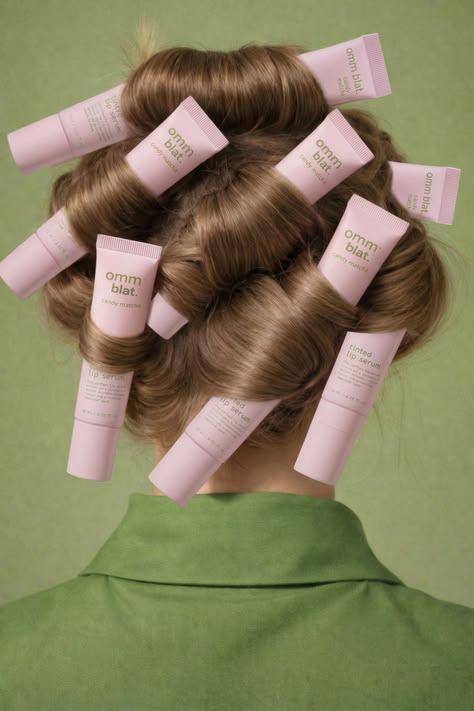
Packaging is another strong category. Skincare bottles, perfume boxes, food packaging, gift boxes, and branded containers often have labels and design elements on multiple sides. With rotation, the full package design becomes easier to see.
Prompt for packaging:
Create a clean 360° rotation video from this skincare packaging image. Preserve the label, bottle shape, cap design, and brand colors. Use soft studio-style lighting and a polished product launch look.
Furniture and home decor can also work well. Shoppers want to understand volume, material, proportion, and style before they imagine the item in a room.
Prompt for furniture:
Create a 360° rotating product video from this furniture image. Show the full shape, material, texture, and proportions clearly. Keep the product stable, centered, and suitable for an online home decor store.
Toys, collectibles, gadgets, artwork, and character designs are also good fits. Since these products often have small details, motion helps viewers notice more in less time.
Prompt for collectibles:
Generate a 360° showcase video from this collectible figure image. Preserve the character details, colors, shape, and surface texture. Use smooth rotation and make the object feel like a premium display item.
How to Prepare Images for Better 360 Product Videos
AI 360 video production makes the process easier. Still, the input image matters.
Start with a clear product image. The product should be sharp, visible, and easy to separate from the background. Avoid heavy blur, harsh shadows, and messy scenes.
Next, keep the product centered. If the item is cut off, the rotation may feel less complete. A full product outline gives the AI more useful visual information.
Lighting also matters. Soft, even lighting helps show color, texture, and material more accurately. This is especially important for fashion items, jewelry, packaging, and home decor.
Visible details can improve the final result as well. Logos, stitching, labels, patterns, edges, and surface texture help the video look more polished.
Finally, choose images that already match your brand style. When the original image looks clean and on-brand, the final video is more likely to fit your store, ads, and social content.
Why “No Studio” Is More Than a Cost-Saving Benefit
“No studio” may sound like a shortcut. For ecommerce teams, though, it means much more.
It means faster testing. It also means more products can get video support. Plus, old product photos can become new creative assets.
Most importantly, smaller teams can create more dynamic visuals without waiting for a full production schedule.
This matters because ecommerce content demand does not slow down. Ads need fresh creatives. Social platforms need regular posts. Product pages need stronger visuals. Seasonal campaigns need fast updates.
Because of that, the no-studio workflow gives merchants more freedom. They can create motion assets for products that may never receive a full professional shoot. They can also refresh old listings without starting from zero.
In short, AI 360 video production helps make product video creation more flexible, more scalable, and easier to repeat.
Static Images and 360 Product Videos Should Work Together
Static product images are not going away. They still play an important role in product galleries, catalogs, and product detail pages.
However, 360 product videos add something different. They bring movement, depth, and a stronger sense of form.
The best approach is not to choose one over the other. Instead, merchants should let both formats work together.
A static photo can give shoppers a clean first look. Then, a 360° video can help them understand the product more fully. On social media, that same video can become a short product showcase. In ads, it can add motion without a full video shoot.
So, the goal is not to replace product photos. The better goal is to make each product photo work harder.
Final Takeaway
The no-studio way to create 360° product videos is not only about making products spin. It is about helping merchants get more value from the images they already own.
With AI 360 video production, sellers can turn one product image into a smooth 360° rotation video. They do not need a turntable, camera rig, or expensive studio setup. Instead, they can create motion-ready selling assets from existing product visuals.
For modern ecommerce, this matters. Shoppers want more visual confidence before they buy. Social platforms reward motion. Ads need fresh creative. Product pages need stronger visuals. Meanwhile, merchants need faster and more repeatable content workflows.
That is why 360 product videos are becoming more practical for everyday sellers.
One product photo should not do only one job. It can become a product page video, an ad creative, a social clip, a launch asset, and a better way to help shoppers understand what they are buying.
No studio needed. Just one product photo with a second life.
FAQs About AI 360 Video Production
What is AI 360 video production?
AI 360 video production turns one product image into a 360° rotation video. Merchants can use it to create product motion without filming every angle by hand.
Do I need a studio to create 360 product videos?
No. A clear product image is usually enough to start. You do not need a traditional studio, turntable, camera rig, or multi-angle photoshoot.
What products are best for 360° product videos?
Products with clear shape, texture, or design details work especially well. Good examples include bags, shoes, watches, jewelry, packaging, furniture, home decor, toys, collectibles, gadgets, artwork, and fashion accessories.
Can 360 product videos be used for ecommerce?
Yes. These videos can support ecommerce product pages, landing pages, online catalogs, marketplace listings, product ads, launch campaigns, and social media content.
What kind of image should I upload?
Choose a clear, centered product image with good lighting and visible details. Clean backgrounds, sharp edges, and minimal blur can help create a better result.
Can AI 360 product videos be used for social media?
Yes. Short 360° videos can work well for TikTok, Instagram Reels, YouTube Shorts, paid social ads, product teasers, and launch posts.
Why use AI instead of traditional 360° product photography?
Traditional 360° product photography often needs a studio, turntable, lighting, camera setup, and editing. AI 360 video production offers a faster option for merchants who want to create product motion from existing images.
Are 360 product videos only for large brands?
No. They are especially useful for small and growing ecommerce teams. AI makes it easier to create product videos without a full production setup.
Go to WeShop AI For Exploration: