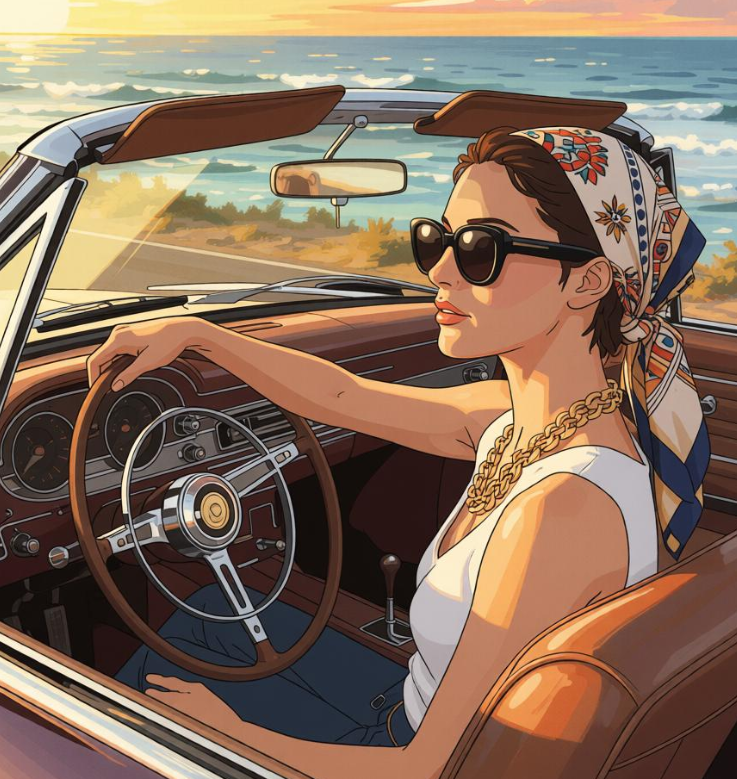
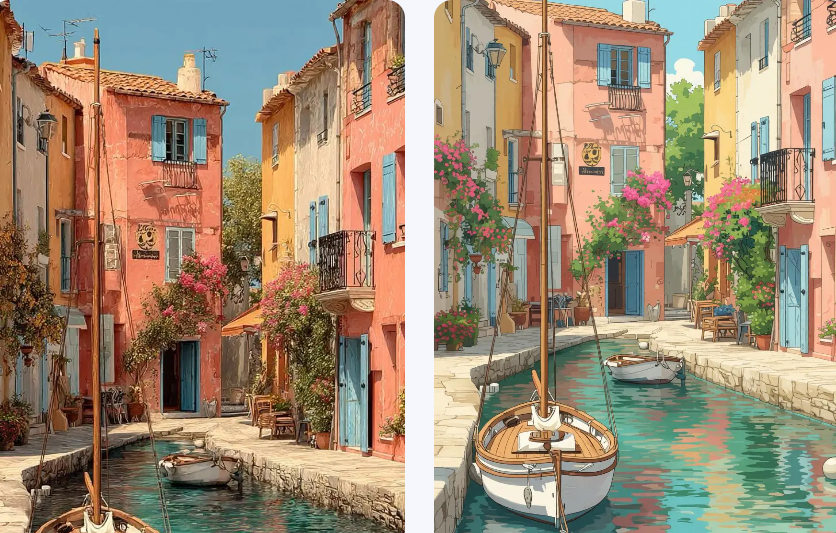
AI Ghibli Art Create is not just another AI art keyword. It sits at a very specific intersection: nostalgia, visual storytelling, and instant transformation. That is why it performs so well. People do not click because they want “another prompt guide.” They click because they want to see ordinary things turn into something warm, cinematic, and strangely emotional. OpenAI’s latest ChatGPT Images release also makes image generation much more accessible, while the broader “Ghibli effect” has already become a real internet trend.
And that is the real reason this keyword works. It gives you a clear promise. It also gives you visual contrast. Most importantly, it gives you a story.
Why AI Ghibli Art Create works so well
AI Ghibli Art Create and the nostalgia trigger
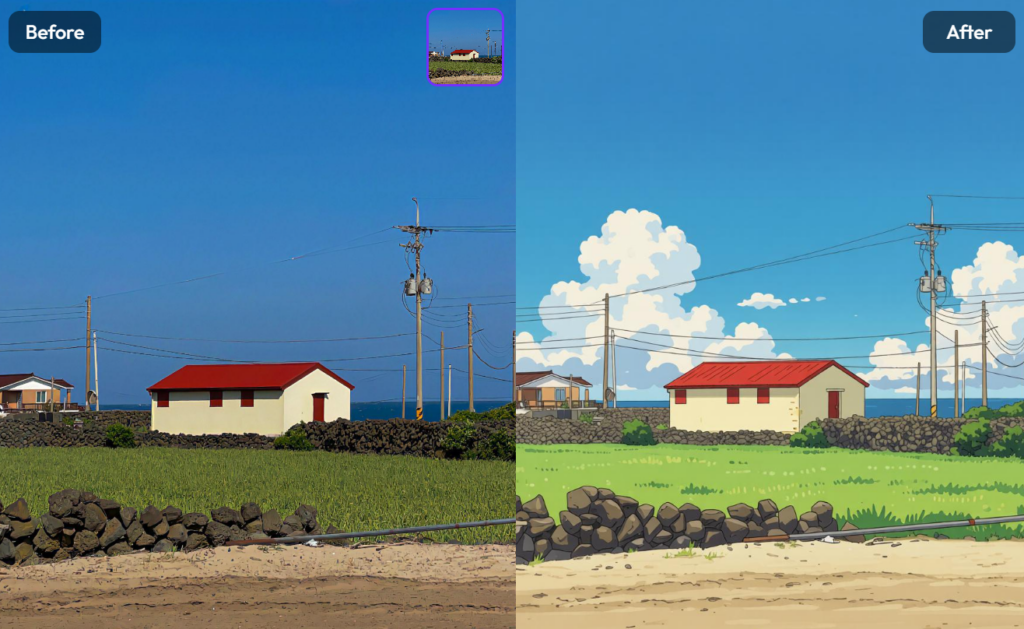
This keyword works because it feels familiar before it feels technical. Readers do not need to understand the model first. They only need to understand the mood. That is a huge advantage.
Nostalgia is powerful, but nostalgia alone is not enough. The image also has to feel like a transformation. In other words, readers want to see the same world, but softened. They want quiet light, gentle color, and a slightly unreal sense of comfort.
AI Ghibli Art Create and the “before / after” effect
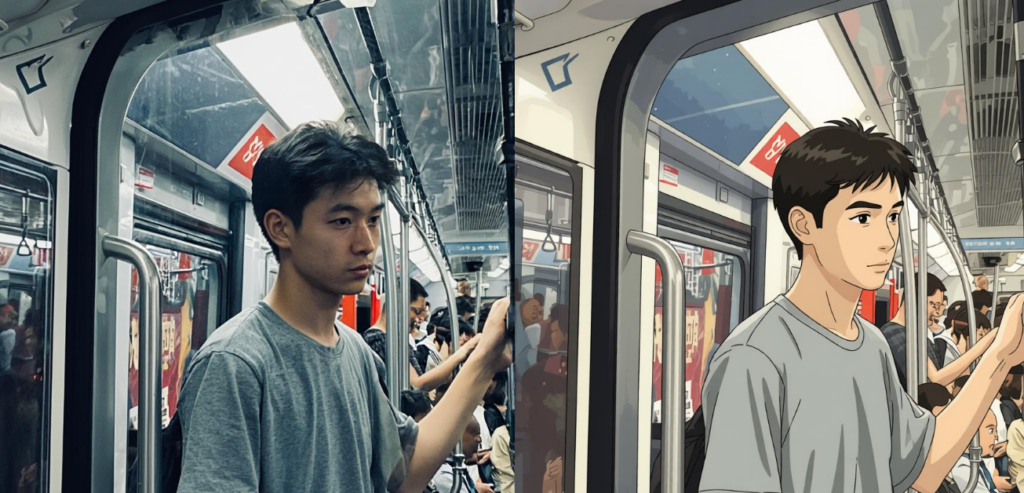
This is where the keyword becomes clickable. A good AI Ghibli image creates a clear before-and-after moment. The old scene is ordinary. The new one feels like memory, dream, or animation. That contrast is what holds attention.
So, instead of writing around the keyword, write through it. Show the shift. Show the emotional change. Show the image becoming a story.
AI Ghibli Art Create and the current trend wave
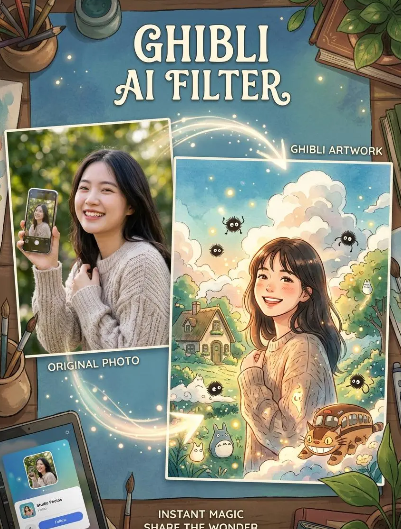
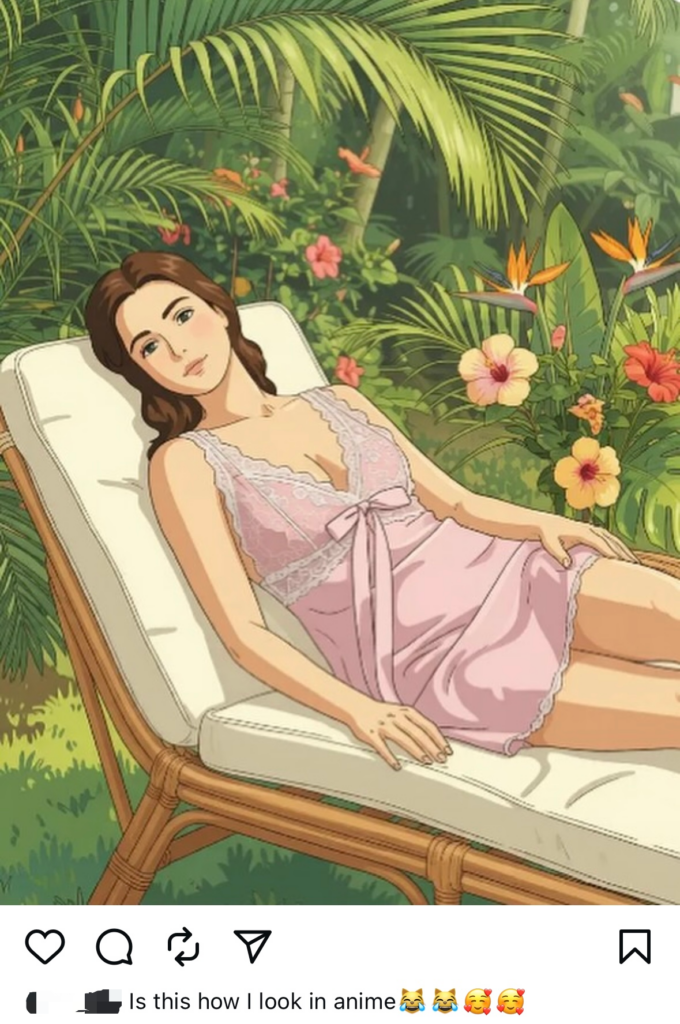
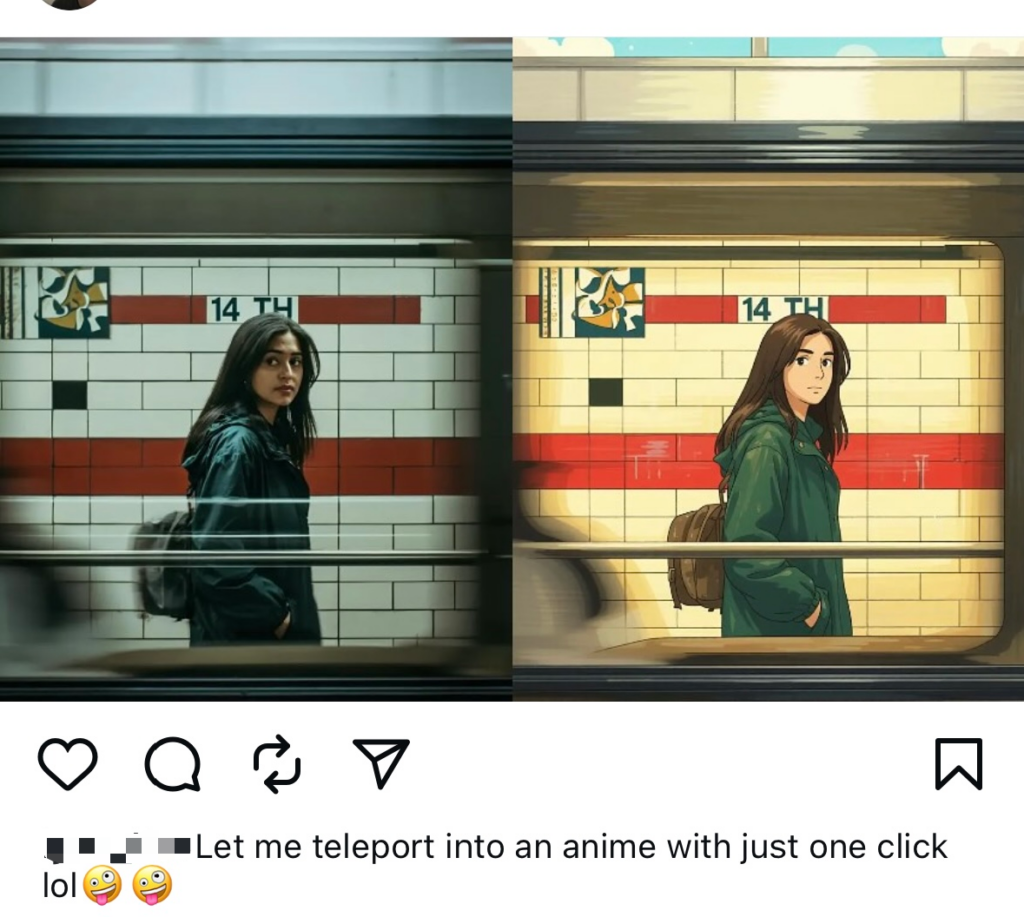
The topic also feels timely because AI image generation has recently moved further into mainstream use. OpenAI says ChatGPT Images 2.0 is available on all ChatGPT plans, and images with thinking is available on all paid plans. That makes image creation feel less like a niche trick and more like a normal creative habit.
That matters for SEO. It means the keyword is not frozen in the past. It has current energy. And that makes it easier to build a blog post that feels alive.
AI Ghibli Art Create tools: a side-by-side view
Before going into each tool, here is the cleanest way to compare them.
| Tool | Best for | Main strength | Best fit for your article |
|---|---|---|---|
| ChatGPT Images 2.0 | Fast idea generation | Available across all ChatGPT plans; paid plans add images with thinking. | Quick drafts, easy entry point |
| Midjourney | Mood and cinematic style | Style Reference, Character Reference, Omni Reference, and Version 7 support. | Artistic, premium visual tone |
| Adobe Firefly | Brand-safe consistency | Custom Models can generate on-brand variations from trained assets. | Teams, repeatable style systems |
| Freepik AI Image Generator | All-in-one workflow | Multiple models, image references, and commercial AI license. | Practical creators and marketers |
| PixAI | Anime-first creation | Anime-focused generation and LoRA training support. | Character art and anime styling |
| Runway | Motion after stills | Gen-4 uses visual references for consistent images and videos; Explore Mode includes unlimited generations. | Image-to-video and campaign work |
AI Ghibli Art Create with ChatGPT Images 2.0
AI Ghibli Art Create for fast concept testing
If your audience wants speed, ChatGPT Images 2.0 is the easiest place to start. OpenAI says the model is now available on all ChatGPT plans, and paid plans also get images with thinking, which helps the system plan and refine outputs before generating them.
That makes it ideal for early-stage AI Ghibli Art Create experiments. You can test a scene fast. Then you can adjust the mood, the lighting, and the composition without changing tools. For a blog, that is useful because it lets you show readers a simple path instead of pretending the result appears instantly.
AI Ghibli Art Create when you want iterative refinement
The strongest part is not just generation. It is iteration. You can move from a rough idea to a more polished visual in the same flow. That makes the tool especially good for readers who are not professional designers, but still want something visually appealing.
So, in the article, use ChatGPT Images 2.0 as the “easy entry” option. It lowers friction. And low friction usually means higher clicks.
AI Ghibli Art Create with Midjourney
AI Ghibli Art Create for atmosphere and texture
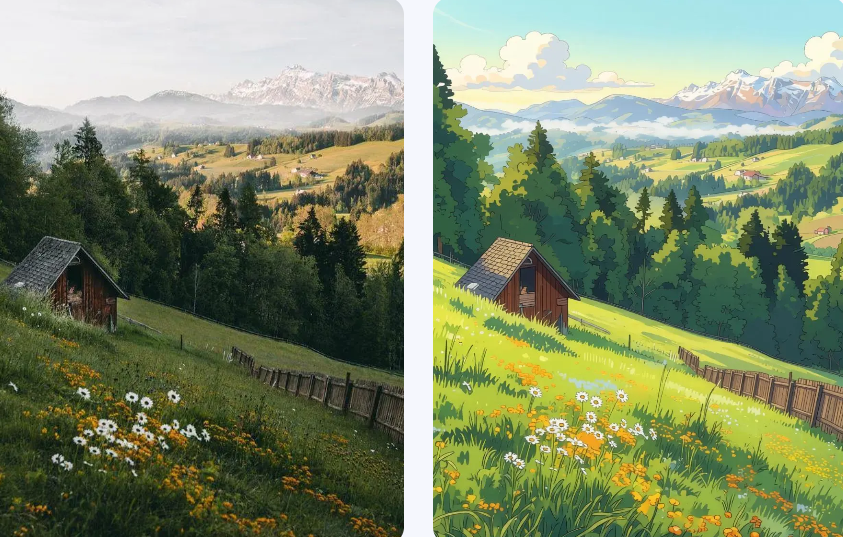
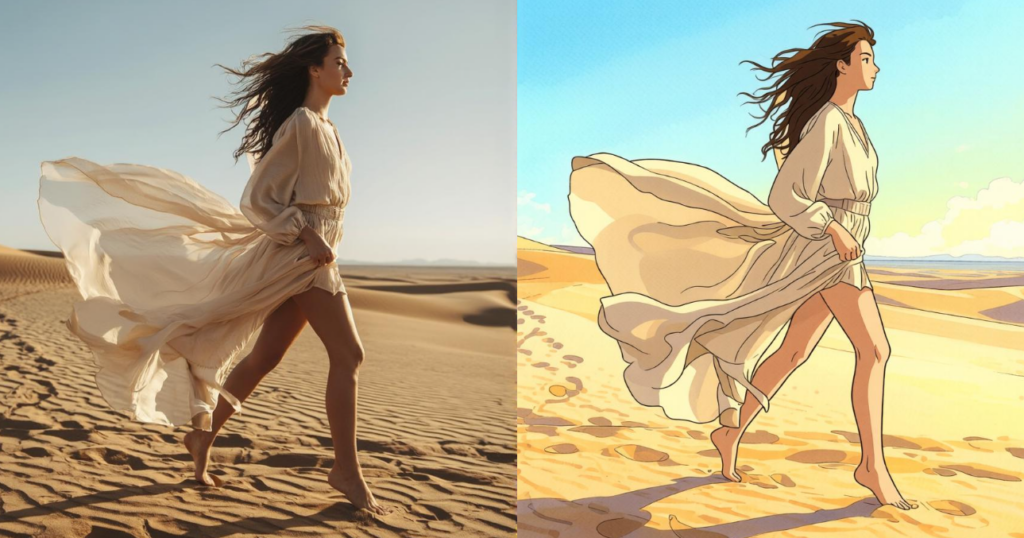
Midjourney is the tool to mention when the article shifts from “can it make images?” to “can it make images feel alive?” Its official docs say Version 7 supports Style Reference, Character Reference, and Omni Reference, which allows users to bring characters, objects, or other elements from a reference image into new generations.
That matters because AI Ghibli Art Create is not only about style. It is also about consistency. Readers want the same mood across multiple images. Midjourney is strong here because it gives you a more art-directed way to control the result.
AI Ghibli Art Create for visual storytelling
Another reason Midjourney belongs in this comparison is narrative feel. The tool is strong when you want an image to look like a frame from a larger world. That is exactly the kind of emotional texture a Ghibli-inspired post should highlight.
Use this section to show readers that some tools are better at atmosphere than speed. That contrast makes the post feel more thoughtful.
AI Ghibli Art Create with Adobe Firefly
AI Ghibli Art Create for repeatable style systems
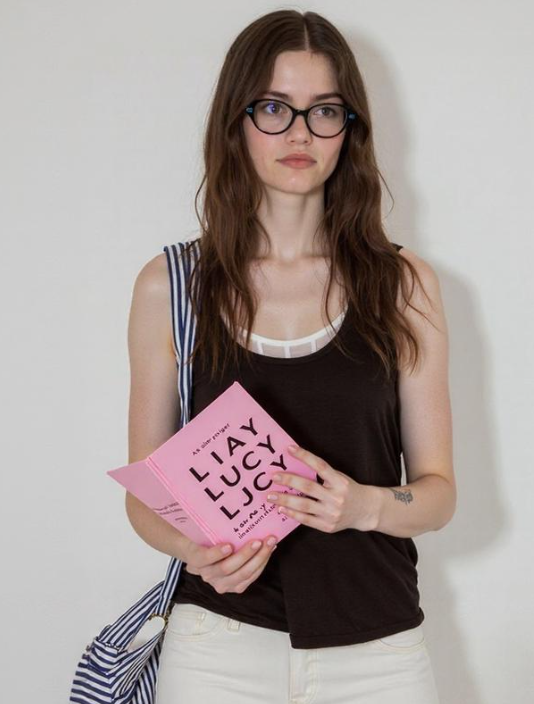
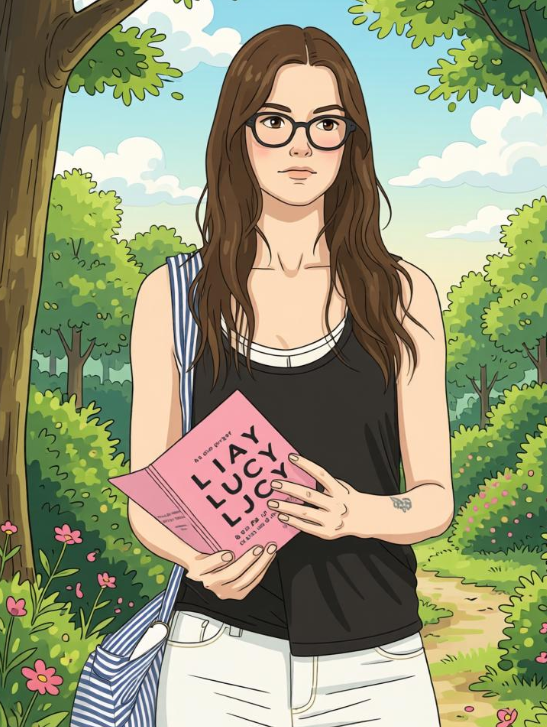
Adobe Firefly is best framed as the consistency tool. Adobe says Firefly Custom Models can generate image variations that consistently reflect a unique illustration style, subject, or characters. Adobe also notes that these custom models are integrated into its wider creative ecosystem.
This is the tool for teams, not just hobbyists. If the article is about content production, brand identity, or campaign visuals, Firefly gives you a cleaner business angle.
AI Ghibli Art Create for brand-friendly workflows
That is why Firefly fits neatly into a comparison section. It is not trying to be the most magical option. It is trying to be the most dependable one. For many readers, that is the real selling point.
AI Ghibli Art Create with Freepik AI Image Generator
AI Ghibli Art Create in one all-in-one platform
Freepik is strong because it combines flexibility with convenience. Its AI Image Generator supports multiple models, image references, and style options, while Freepik’s main site also highlights commercial AI licensing and a broader creative suite.
That makes it a very practical option for creators who do not want to jump between apps. It is especially useful if the post is aimed at marketers, bloggers, or small teams.
AI Ghibli Art Create for content workflows
Freepik also works well in a “production” narrative. You can say that it is less about a single perfect image and more about moving fast, staying consistent, and generating assets for real publishing workflows. That makes the section feel grounded.
AI Ghibli Art Create with PixAI
AI Ghibli Art Create for anime-first visuals
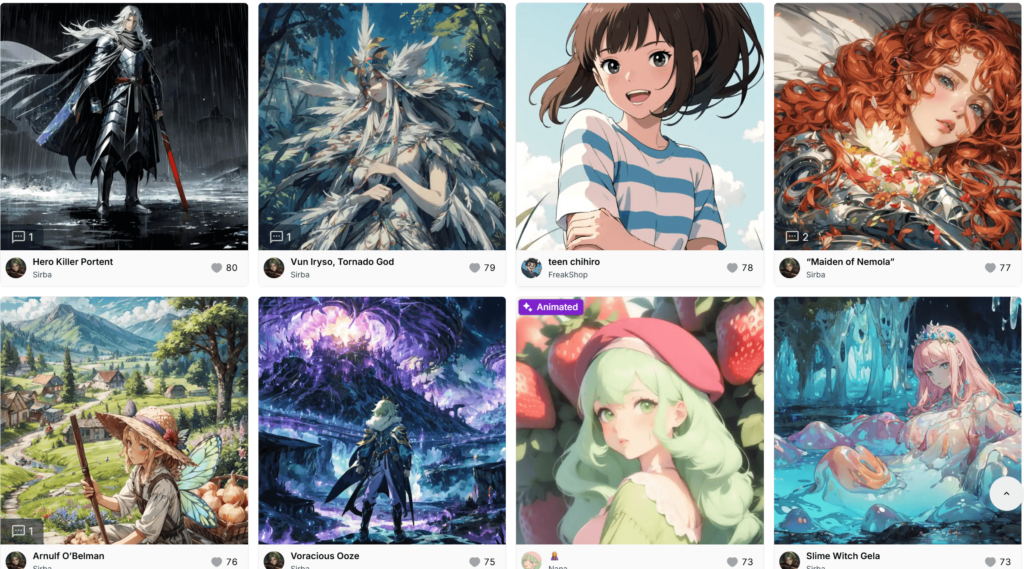
PixAI is the most anime-native option in the group. Its homepage describes it as a free AI anime art generator, and its membership information shows monthly LoRA training slots for custom datasets.
That makes it a natural fit for readers who care more about character art than broad general-purpose image generation. It also fits very well if your blog wants to lean into illustration and fandom-adjacent creative work.
AI Ghibli Art Create for custom character work
This is the tool to mention when the article shifts from landscape mood to character identity. The difference is important. Some readers care most about the world. Others care most about the face inside the world. PixAI serves the second group especially well.
AI Ghibli Art Create with Runway
AI Ghibli Art Create when still images need motion
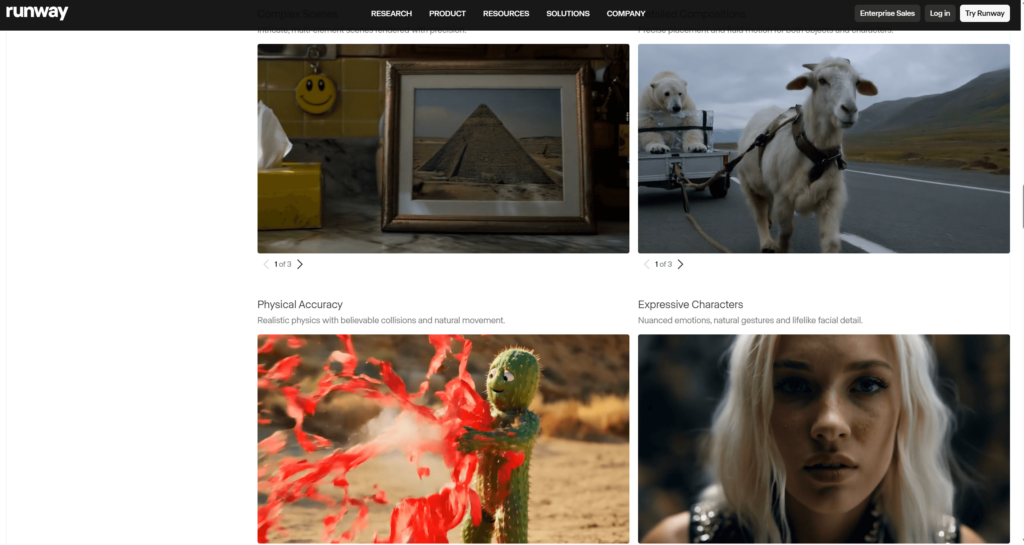
Runway is the best bridge from image to motion. Its Gen-4 page says the model can use visual references with instructions to create images and videos with consistent styles, subjects, and locations. Runway’s pricing page also says Explore Mode supports unlimited generations of image and video models at a relaxed rate.
That matters because a lot of AI Ghibli Art Create content eventually wants animation-like life. The still image is only the first step. The moving image is the next one.
AI Ghibli Art Create for campaigns and narrative content
Runway is the strongest “upgrade path” in the list. If the article wants to end on a forward-looking note, this is a great place to do it. It tells readers that the trend is moving beyond static visuals.
How to present AI Ghibli Art Create in a blog layout
AI Ghibli Art Create section for the hero image
Use one hero image right after the intro. It should be your strongest before/after visual. That is the moment that sells the whole article.
AI Ghibli Art Create section for the comparison table
Put the comparison table early. Readers love scanning. A table makes the article feel practical very quickly.
AI Ghibli Art Create section for tool galleries
Then give each tool its own visual block. Do not stack all the images together. Let each section breathe. That makes the page easier to read and makes the structure feel intentional.
Final takeaway
AI Ghibli Art Create works because it is more than a style prompt. It is a transformation prompt. It turns ordinary scenes into emotional images. It also gives your article a strong visual promise, which is exactly what good click-driven content needs.
The smartest way to write around this keyword is not to explain it too early. Instead, show the mood first. Then show the tools. Then show the comparison. That sequence feels natural, and it keeps the reader moving. OpenAI, Midjourney, Adobe Firefly, Freepik, PixAI, and Runway all support different parts of that workflow, which gives you a clean product story to build around.