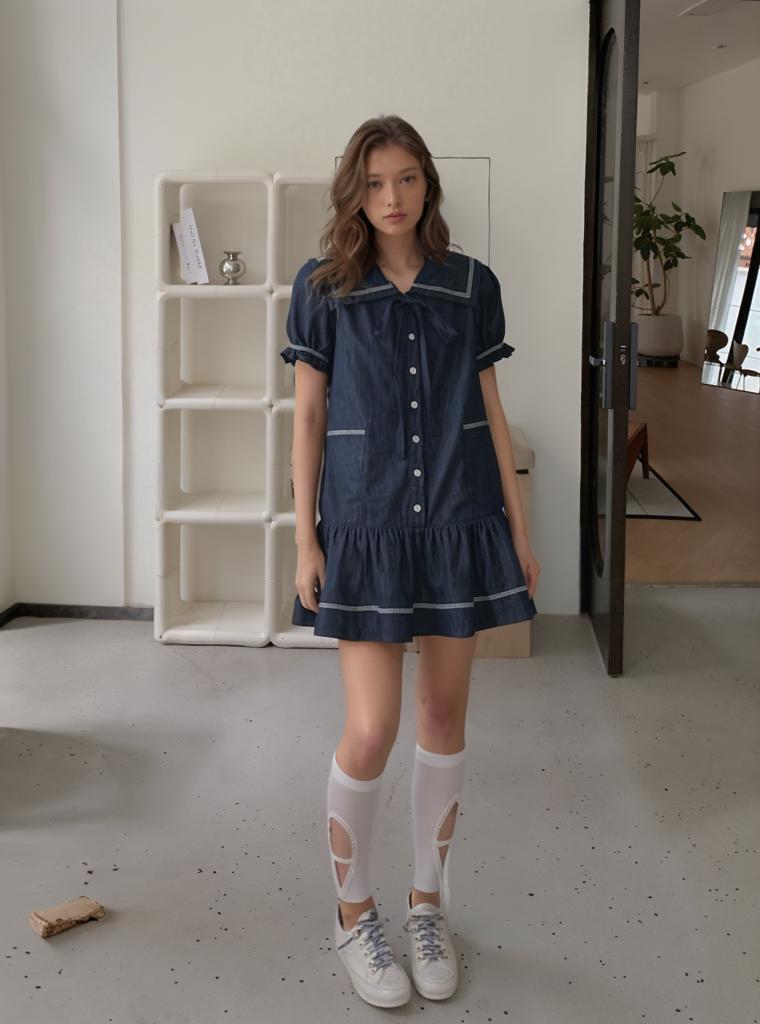
Let’s do the math: professional photo retouching for batch photo cleanup at scale costs $25–$75 per image. A 100-image batch at mid-range pricing? That’s $5,000 in post-production that doesn’t generate a single dollar of revenue. AI magic eraser technology doesn’t optimize that cost — it eliminates it entirely. Three seconds per image. Zero manual intervention. Commercial-quality output.
Here’s the operator’s manual for batch photo cleanup at scale at production velocity.


Before: Original image with unwanted elements → After: AI-erased — seamless reconstruction, zero visible traces
The Speed Science Behind 3-Second Batch Photo Cleanup At Scale
Traditional batch photo cleanup at scale in Photoshop follows a five-step workflow: (1) manual selection, (2) edge feathering, (3) content-aware fill, (4) artifact cleanup, (5) clone-stamp edge blending. Each step requires judgment calls. Total time: 15–40 minutes per object.
AI magic eraser collapses all five into a single inference pass:
- Auto-detection identifies removable elements without manual selection
- Smart masking includes shadows, reflections, and occluded areas
- Neural fill generates replacement pixels matching scene lighting and texture
- Edge compositing blends at the subpixel level — zero visible boundaries
The math: 2.8 seconds versus 20+ minutes represents a 430x speed improvement. For batch photo cleanup at scale workflows processing 50+ images daily, that’s the difference between a full-time position and a 3-minute batch job.


Before: Visual distractions compromise composition quality → After: Neural inpainting reconstructs the background seamlessly
Actionable Scene Guide: Batch Photo Cleanup At Scale in Practice
Product Catalog Production
The ROI for product catalog production is direct: at $35/image for manual retouching and 200 images per month, that’s $7,000/month in post-production costs. With AI magic eraser, the same volume processes in under 10 minutes total — a 99.9% time reduction. For teams scaling product catalog production, this shifts post-production from a cost center to a negligible automation line item.
Content Agency Workflow Automation
In content agency workflow automation, speed equals competitive advantage. First-to-market with clean, professional visuals captures audience attention during the critical 24-hour relevance window. The AI processes each image in 2.8 seconds — meaning a 50-image batch completes in under 3 minutes, well within real-time content production requirements.
Brand Asset Library Management
For brand asset library management, the efficiency multiplier compounds. Manual quality control adds 30% overhead to retouching workflows (reviewing, flagging, re-editing). The AI’s consistent output quality eliminates most QC cycles, reducing total pipeline time by an additional 25% beyond the raw editing speed improvement.

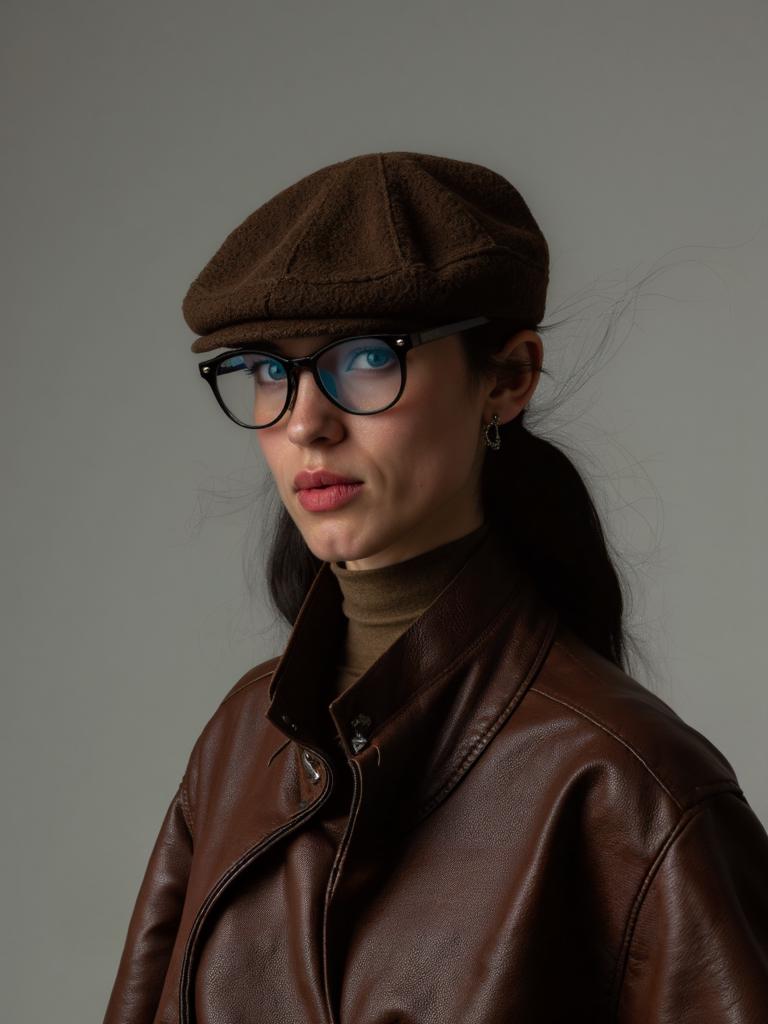
Before: Another real-world cleanup challenge → After: Precision erasure fills gaps with contextually perfect pixels
The Complete AI Cleanup Workflow
Chain WeShop AI tools for maximum impact:
- Magic Eraser — Remove unwanted objects, people, watermarks, or visual distractions
- AI Photo Enhancer (
image-enhancer) — Upscale the result to 4K, recovering any detail softening from the neural inpainting process - AI Background Generator (
ai-change-background) — Replace the entire background if cleanup alone isn’t sufficient for your creative vision
This three-tool pipeline covers the vast majority of photo cleanup needs, from raw capture to publication-ready output.
The Economics of AI-Powered Photo Cleanup
Let’s build the complete ROI model for teams considering AI magic eraser integration:
Traditional workflow costs (per 100 images):
- Junior retoucher time: 20 min/image × 100 images = 33 hours
- Labor cost at $35/hour: $1,155
- Quality review cycle: 6 hours additional = $210
- Revision rate (~15%): 15 images × 30 min = 7.5 hours = $263
- Total: $1,628 per 100-image batch
AI magic eraser workflow (same 100 images):
- Processing time: 3 seconds/image × 100 = 5 minutes
- Human spot-check: 30 minutes
- Total labor cost: ~$20
- Cost reduction: 98.8%
But the real competitive advantage isn’t cost reduction — it’s velocity. A traditional 100-image batch takes 2–3 business days from assignment to delivery. The AI workflow delivers in under an hour. For time-sensitive campaigns, product launches, and seasonal content, that 3-day advantage compounds into measurable revenue impact.
The teams winning in visual content aren’t just spending less — they’re shipping faster, testing more variants, and iterating at a pace that manual workflows simply cannot match.


Before: Complex removal target in a detailed scene → After: Every target removed, every background detail preserved
Who Benefits Most From AI Photo Erasure?
The adoption curve for AI magic eraser technology follows a predictable pattern: freelance photographers and small e-commerce sellers adopt first (they feel the cost pain most acutely), followed by content agencies and marketing teams (they feel the speed pain), and finally enterprise brands (they feel the consistency pain). Each user segment extracts different value:
Solo creators and freelancers gain financial breathing room. A wedding photographer processing 500 images per event saves $2,500+ per shoot in retouching costs — enough to invest in better equipment or simply increase profitability.
Content agencies and studios gain throughput. When a client sends 200 product images that need background cleanup before noon tomorrow, AI processing turns an all-nighter into a 15-minute task. The bottleneck shifts from production to strategy.
Enterprise marketing teams gain consistency. When 12 different photographers across 6 regions submit images for a global campaign, AI erasure applies identical quality standards to every image, eliminating the visual inconsistencies that dilute brand perception.
Expert FAQ
How does AI magic eraser compare to Photoshop’s Content-Aware Fill?
Content-Aware Fill uses texture synthesis sampling from nearby patches. AI magic eraser uses a trained diffusion model that understands scene semantics — it knows what shadows should look like, how patterns should continue, and where reflections should appear. The quality gap widens significantly on complex, multi-texture scenes.
Can I remove multiple objects simultaneously?
Yes. Multi-region masking allows marking several objects in a single pass. This is actually more accurate than sequential removal because the model processes all removals holistically, properly handling overlapping shadows and shared reflections.
Is the output suitable for professional print production?
Yes. Output maintains the original image’s DPI and color profile. For 300 DPI print at standard sizes, ensure your input meets that resolution baseline. The inpainted regions are indistinguishable from original pixels at any reproduction size.
Can AI magic eraser handle complex patterned backgrounds?
Yes. The diffusion model extrapolates pattern frequency, rotation, and scale from visible sections rather than simply copying adjacent patches. For structured textures like brick walls, tiled floors, and fabric prints, the AI generates statistically coherent continuations that maintain visual consistency at full resolution.
What’s the maximum supported image size?
Images up to 4096×4096 pixels process in the standard pipeline. Larger images are automatically tiled with seamless boundary processing, so high-resolution DSLR captures (6000×4000+) work correctly without manual downscaling.


Before: One final real-world erasure challenge → After: Publication-ready — zero artifacts, zero traces
© 2026 WeShop AI — Powered by intelligence, designed for creators.