

In the fast-paced world of 2026 e-commerce, the first thing that captures a customer’s attention isn’t your copy or your price point—it’s your imagery. However, for Shopify store owners, this presents a classic double-edged sword. On one hand, you need high-resolution, crystal-clear photos to build trust and showcase product details. On the other hand, heavy images are the primary cause of slow load times, which can devastate your search rankings. Mastering image SEO is no longer just a “nice-to-have” technical chore; it is the fundamental bridge between a beautiful storefront and a high-ranking, high-converting business.
Why Image SEO Matters More Than Ever in 2026
As we move through 2026, Google’s Search Generative Experience (SGE) has fundamentally changed how products are discovered. Visual search and AI-driven recommendations now prioritize pages that offer a seamless user experience. This means that LCP optimization for Shopify (Largest Contentful Paint) is a top priority. If your hero image takes more than 1.2 seconds to load, your bounce rate will likely skyrocket, and your SEO authority will dip.
Beyond just speed, the “quality” of an image is now measured by AI crawlers. These bots analyze the relevance of your visuals to the user’s search query. Therefore, finding that sweet spot where a file is small enough to fly across the 5G (and 6G) networks but sharp enough to look premium on high-density displays is the ultimate goal of Shopify image SEO 2026.

The Technical Foundation of Shopify Image SEO
Before we dive into the creative side of things, we must address the technical “non-negotiables.” These are the behind-the-scenes adjustments that tell search engines exactly what your images are and how they should be handled.
1. Embracing Next-Gen Formats: WebP and AVIF
In 2026, JPEG is increasingly becoming a legacy format. For the best lossless image compression, Shopify experts are turning to WebP and AVIF formats. AVIF, in particular, offers significantly better compression than WebP, often reducing file sizes by an additional 30% without any visible loss in clarity. Shopify’s CDN (Content Delivery Network) now handles much of this automatically, but manually ensuring your source files are optimized before upload can give you an extra edge in page speed.
2. Strategic Alt Text and Descriptive Naming
Shopify image alt text remains one of the most underrated tools in your SEO kit. In 2026, alt text isn’t just for accessibility; it’s a data point for AI search engines. Instead of naming a file IMG_5678.jpg, use a descriptive string like men-slim-fit-charcoal-wool-blazer.jpg. When writing alt text, be descriptive but natural. Avoid “keyword stuffing” and focus on describing the scene as if you were explaining it to someone who couldn’t see the screen.
3. Implementing Responsive Images
With the variety of devices available today—from foldable phones to massive 8K monitors—using responsive images for Shopify is essential. This ensures that a mobile user isn’t forced to download a 4000-pixel wide image meant for a desktop. Shopify’s liquid code usually handles srcset attributes, but you should verify that your theme is optimized to serve the smallest possible version of an image based on the user’s screen size.
The Rise of AI-Generated Content in Image SEO
The biggest shift we’ve seen leading into 2026 is the integration of artificial intelligence into the product photography workflow. AI product photography has moved from a futuristic concept to a daily utility for e-commerce brands. It allows sellers to create high-end visuals without the overhead of a physical studio, but it also introduces new ways to optimize for SEO.
When you use AI-generated Shopify images, you have more control over the composition. Clean, AI-generated backgrounds often have less “noise” than real-world photos, which actually makes them more efficient to compress. This results in a cleaner visual that loads faster—a win-win for both the user and the search engine.
Leading AI Tools for Image SEO and Optimization
To achieve the perfect balance of clarity and speed, most modern Shopify merchants use a combination of AI tools. Here is a look at four major players in the market today and how they help solve the image SEO puzzle.
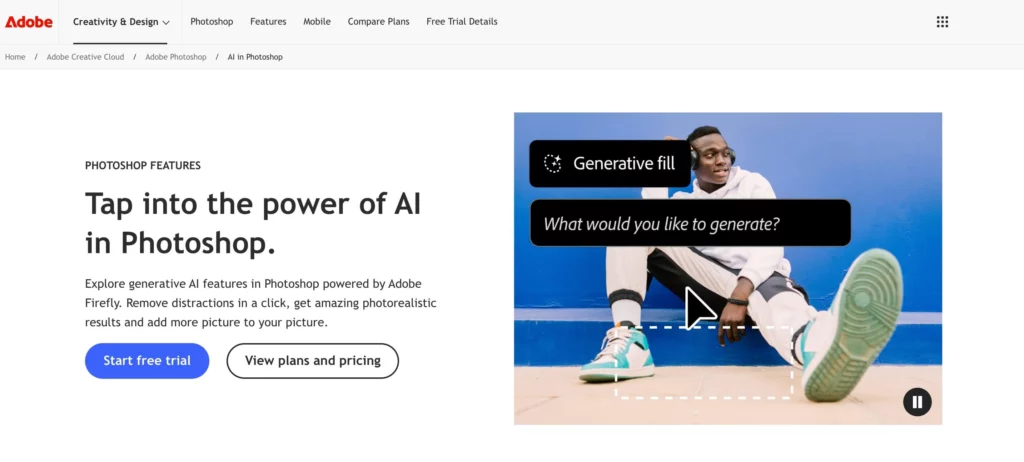
Adobe Firefly (Generative Fill and Refinement)
Adobe Firefly has become a staple for merchants who need to tweak existing photography. Its strength lies in “Generative Fill,” which allows you to expand the canvas of an image to fit different aspect ratios (like moving from a square Instagram crop to a wide Shopify banner). From an SEO perspective, Firefly is excellent for removing distracting elements from a background, which simplifies the image data and allows for more effective compression. It’s a professional-grade tool that focuses on artistic control and high-resolution output.
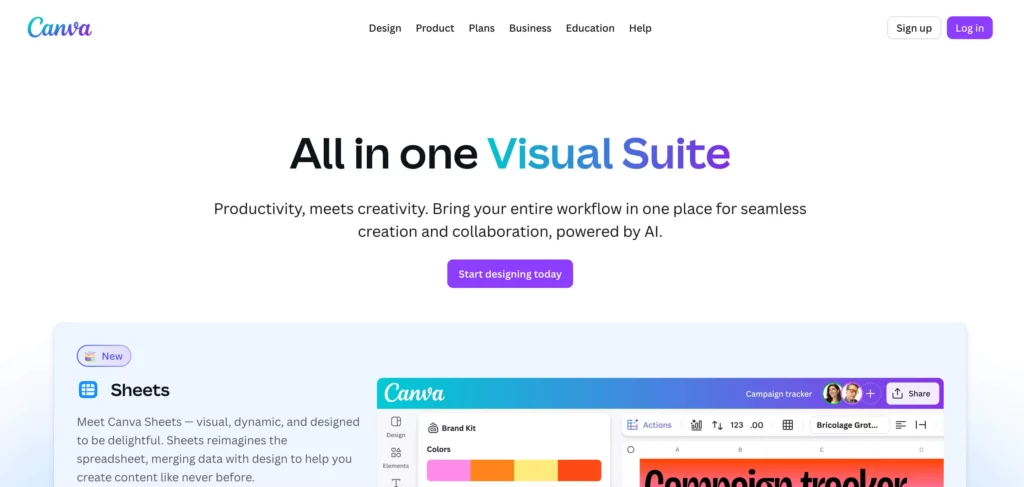
Canva (AI Magic Studio)
Canva’s AI suite is perfect for small to medium-sized Shopify owners who need to move fast. Their “Magic Media” tools allow for quick AI product photography enhancements. Canva’s primary benefit is its built-in optimization settings during export. It allows users to resize and compress images specifically for web use, ensuring that the image upscaling is balanced with a manageable file size. It’s an all-in-one solution for those who want to manage social media and SEO assets in one place.
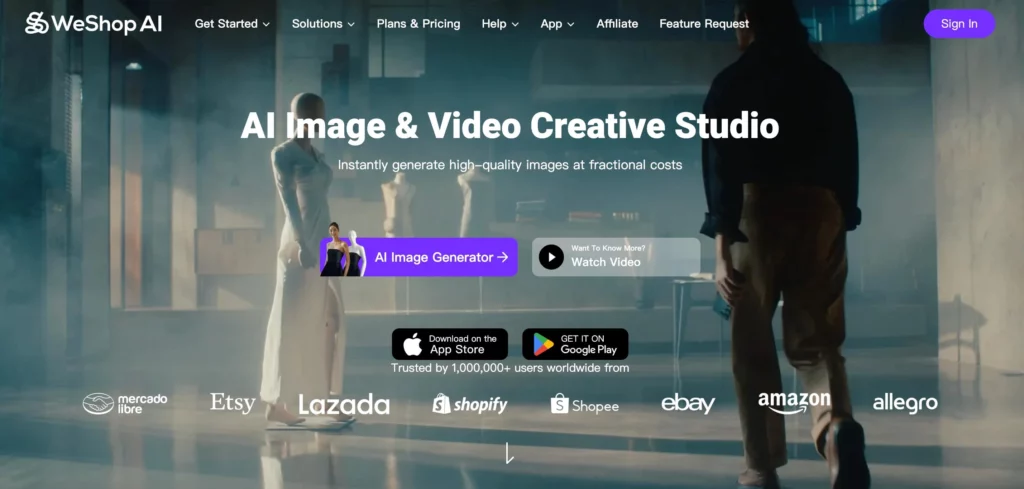
WeShop AI (E-commerce Focused Visualization)
WeShop AI takes a more specialized approach by focusing specifically on the needs of e-commerce clothing and product sellers. It excels at taking a basic product shot and placing it in a high-end, realistic environment or even swapping models. This is particularly useful for Shopify image SEO 2026 because it generates “web-ready” backgrounds that are optimized for clarity. By using its high-quality AI background removal, merchants can ensure that the focus remains entirely on the product, which helps Google’s visual AI categorize the item more accurately. It provides a streamlined way to get “studio-look” results without the heavy file weight typically associated with raw professional photography.
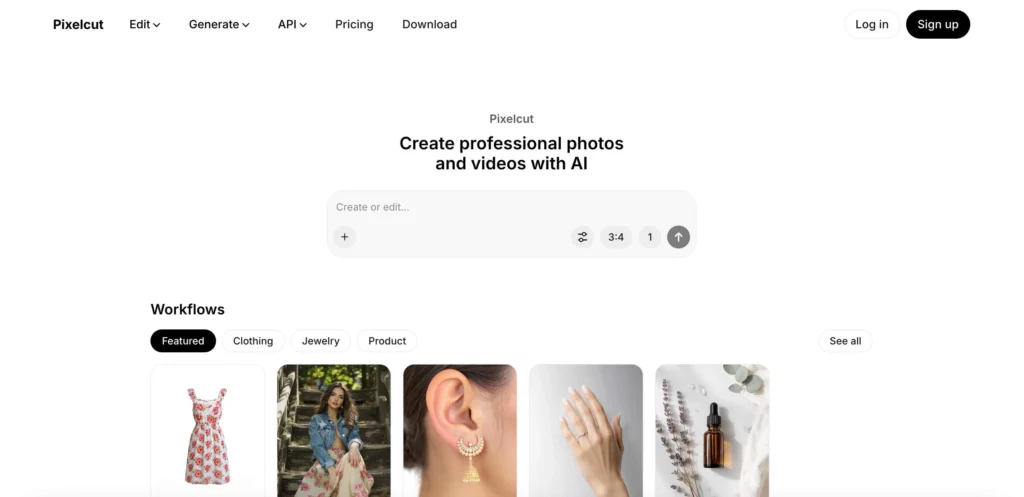
Pixelcut (Mobile-First Optimization)
Pixelcut is widely recognized for its speed, especially on mobile devices. It offers a very efficient high-quality AI background removal tool that is popular among dropshippers and fast-fashion brands. Its “Batch Edit” feature is a lifesaver for Shopify image SEO, allowing you to apply the same dimensions, backgrounds, and compression settings to hundreds of product photos at once. This ensures a consistent look across your site, which improves the user experience and, by extension, your SEO ranking.
Finding the Balance: Step-by-Step Optimization Workflow
If you want to master image SEO, you need a repeatable process. Here is the workflow recommended for 2026:
- Generate or Capture: Use AI product photography tools to create your base image. Ensure the lighting is consistent and the product is the star of the show.
- Upscale and Refine: If your original image is small, use image upscaling to reach a professional resolution (usually around 2000px on the longest side for Shopify), but don’t go overboard.
- Remove Noise: Use AI background tools to create a clean, minimalist setting. This reduces the “data complexity” of the image.
- Export and Compress: Export your file in AVIF or WebP. Use lossless image compression to shave off as many kilobytes as possible without creating “artifacts” (blurriness or pixelation).
- Audit for Speed: Use Shopify Page Speed Insights or Google Lighthouse to test your product pages. Look specifically at the “Image Elements” section to see if any files are flagged for being too large.
Advanced Strategies: Sitemaps and Schema
Beyond the images themselves, you need to ensure they are discoverable. In 2026, a Shopify image sitemap is a vital component of your strategy. This is a dedicated file that tells Google exactly where your images live, which is especially important if you use lazy-loading scripts (which can sometimes hide images from crawlers).
Additionally, using Image Schema Markup (structured data) helps search engines understand the context. By tagging an image as a “Product” with attributes like price and availability, your images can appear as “Rich Snippets” in search results. This significantly increases your click-through rate, which is a secondary but powerful signal for SEO.
Conclusion: The Future of Visual Search
The landscape of Shopify image SEO 2026 is defined by a shift from manual editing to AI-assisted optimization. The goal hasn’t changed—we still want fast, beautiful websites—but the tools have become much more sophisticated. By balancing technical basics like alt text and next-gen formats with modern solutions like AI-generated Shopify images, you can create a shopping experience that delights both your customers and the search algorithms.
In the end, the best strategy is to keep the user first. A clear, fast-loading image isn’t just an SEO tactic; it’s a mark of a professional, trustworthy brand.