Learning how to design fashion clothes no longer means choosing between creativity and efficiency. For years, fashion design relied on manual tools, technical skills, and long production cycles. Today, AI-driven tools are changing that workflow by helping designers visualize outfits, explore styles, and generate design ideas faster than ever.
In this article, we explore how fashion clothes are designed using traditional fashion design software and compare that process with AI-powered tools, with a special focus on WeShop AI’s Outfit Generator. Rather than replacing traditional design, AI tools are reshaping the early stages of creativity, outfit selection, and visual prototyping.
What Does “Design Fashion Clothes” Really Involve?
Before comparing tools, it’s important to understand what fashion design actually includes.
Designing fashion clothes usually involves:
- Concept development and inspiration
- Outfit styling and silhouette exploration
- Fabric, color, and pattern decisions
- Visual prototyping and sampling
- Refinement before production
Traditional tools focus heavily on precision and production readiness. AI tools, on the other hand, focus on speed, exploration, and visualization. Both play different roles in modern fashion workflows.
Traditional Fashion Design Software: Manual Control and Technical Precision
Traditional fashion design software has long been the backbone of professional fashion production. These tools require skill, experience, and time—but they offer unmatched control.
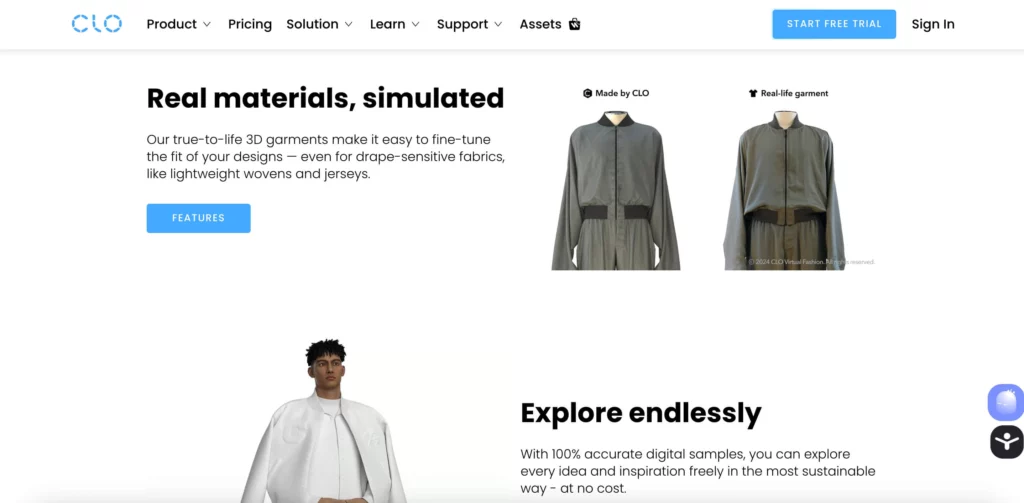
CLO 3D: Industry Standard for 3D Garment Design
CLO 3D is widely used for digital garment construction and simulation. Designers create patterns, stitch pieces together, and simulate fabric behavior on virtual avatars.
Strengths
- Accurate garment structure and fit
- Realistic fabric physics
- Production-ready outputs
Limitations
- Steep learning curve
- Time-consuming for early ideation
- Not designed for fast outfit styling exploration
CLO 3D works best after design decisions are already made.
Valentina & CAD Tools: Pattern-First Fashion Design
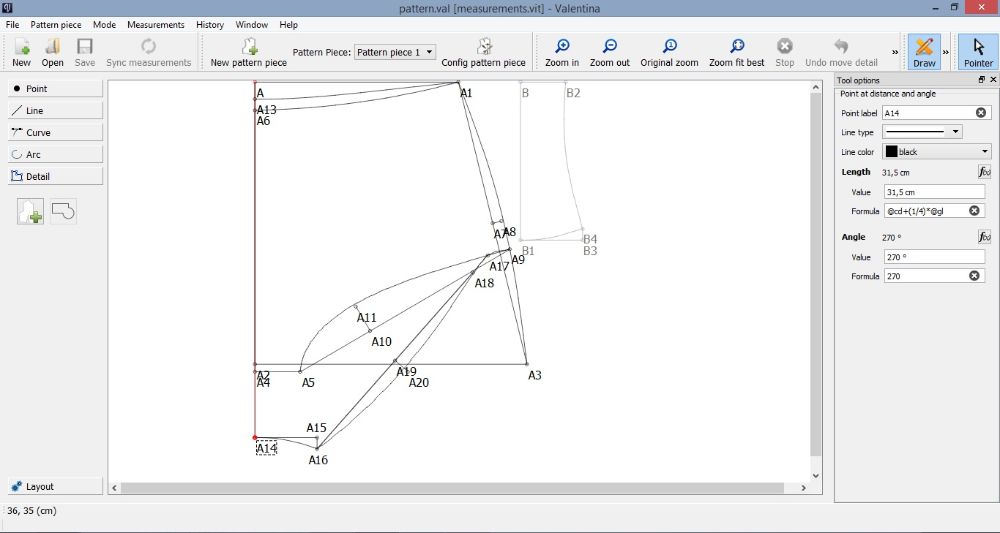
Pattern-making software like Valentina focuses on technical construction. Designers manually draft patterns and adjust measurements with precision.
Strengths
- Essential for manufacturing
- Full control over sizing and structure
Limitations
- No visual outfit inspiration
- No styling or concept support
- Requires strong technical knowledge
These tools are critical for production—but not for creative discovery.
Adobe Illustrator & Photoshop: Manual Fashion Illustration
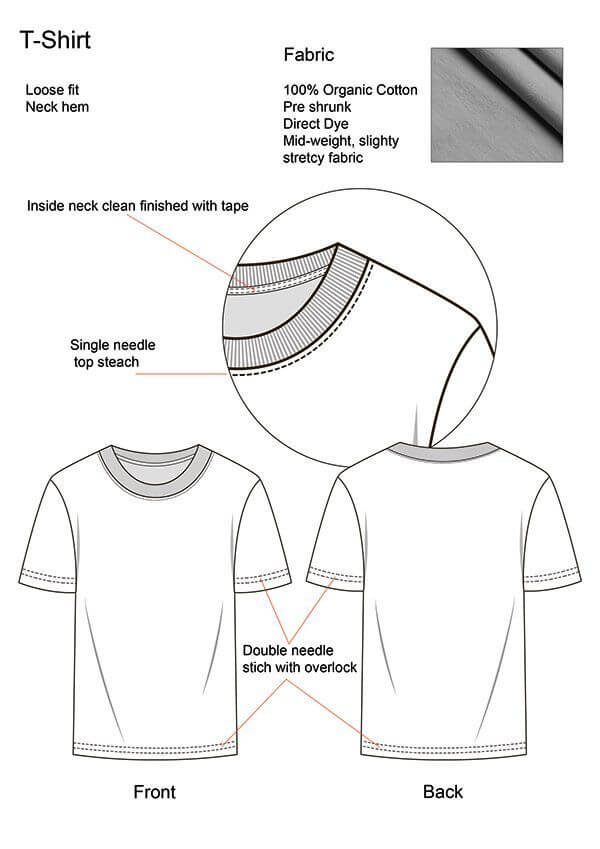
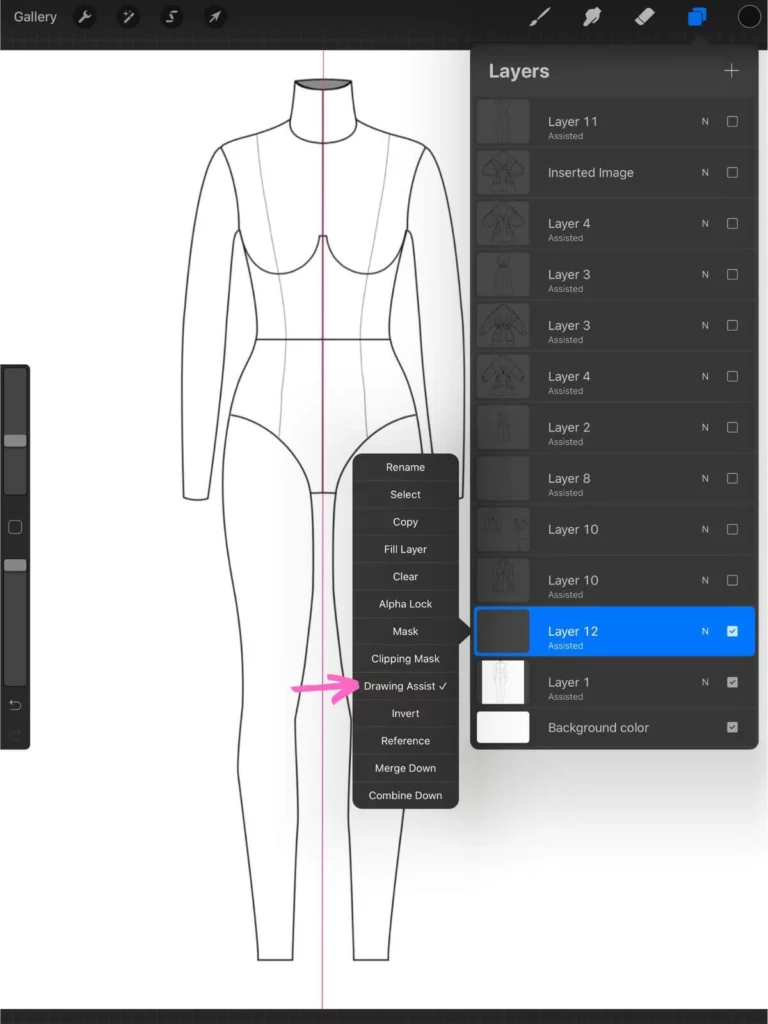
Many designers still use Illustrator and Photoshop for sketches, flats, and concept visuals.
Strengths
- Complete creative control
- Industry-standard file formats
Limitations
- Fully manual process
- Slow iteration
- No automatic outfit generation
Traditional tools reward skill—but demand time.
AI-Driven Fashion Design Tools: Speed, Inspiration, and Exploration
AI tools approach fashion design differently. Instead of starting with patterns, they start with ideas and visuals.
These tools are especially powerful in the early stages of designing fashion clothes.
WeShop AI: Outfit Generator for Visual Fashion Design
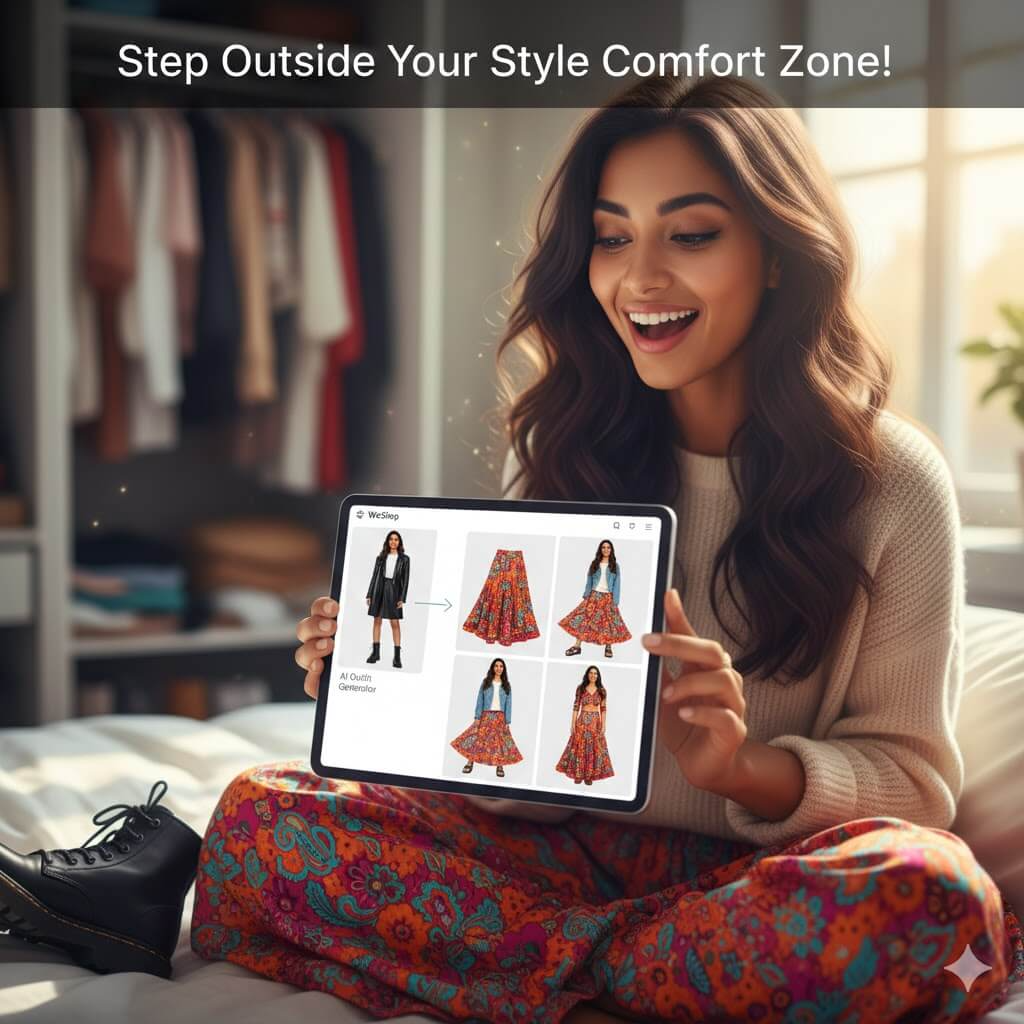
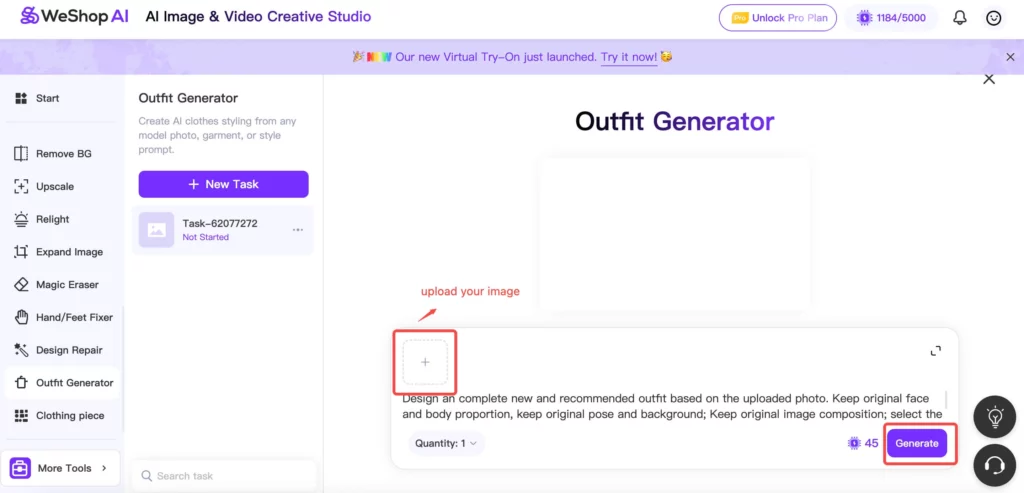
WeShop AI’s Outfit Generator is designed to help designers, brands, and creators visualize outfits instantly. Instead of drawing or modeling garments manually, users describe the style they want, and the AI generates complete outfit visuals on a model.
How WeShop AI Helps Design Fashion Clothes
The Outfit Generator focuses on outfit-level design, not just single garments.
With WeShop AI, you can:
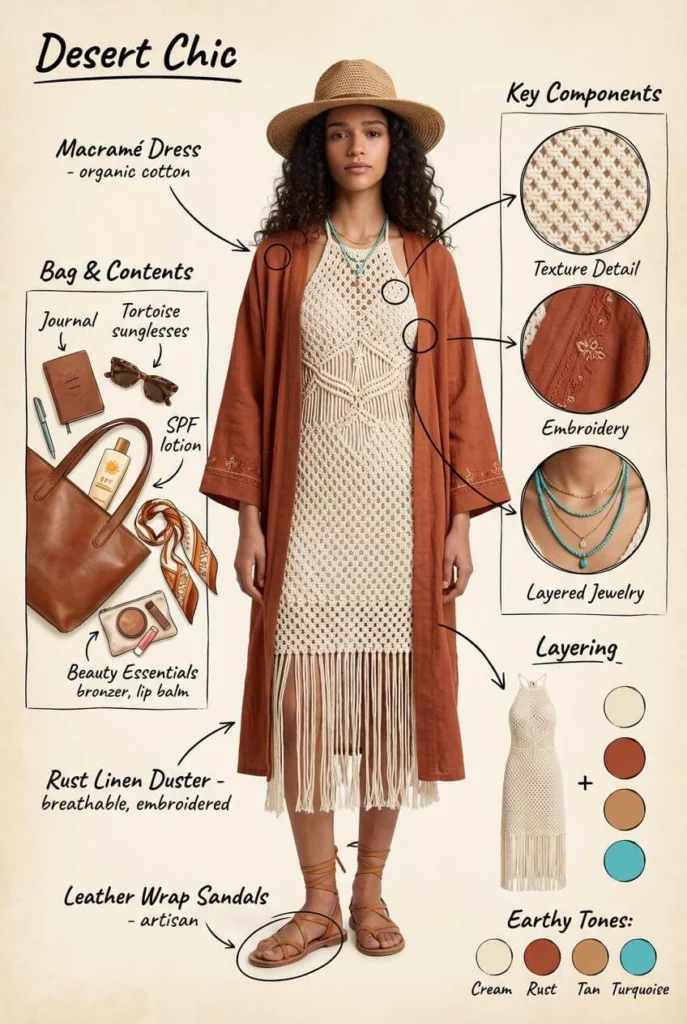
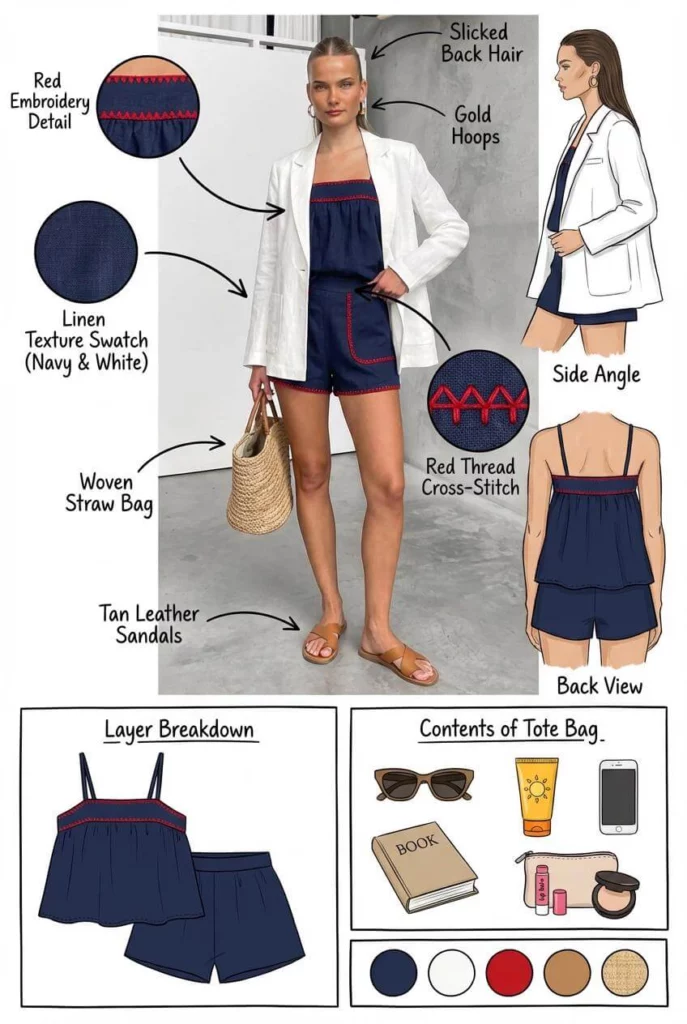
- Generate full outfits based on style prompts
- Explore different silhouettes, layers, and combinations
- Create multiple outfit variations in one session
- Batch-generate visuals for collections or lookbooks
- Refine prompts with built-in GPT assistance
This makes it especially useful for:
- Early-stage design inspiration
- Styling decisions before sampling
- Visual mood boards and concept testing
- Fast iteration without technical setup
Where WeShop AI Fits Best
WeShop AI does not replace pattern-making or production tools. Instead, it shortens the distance between idea and visualization.
It works best when:
- You need to explore many outfit ideas quickly
- You want visual references before production
- You’re designing collections, not single pieces
- Speed matters more than technical precision
The New Black: AI Clothing Design Generation
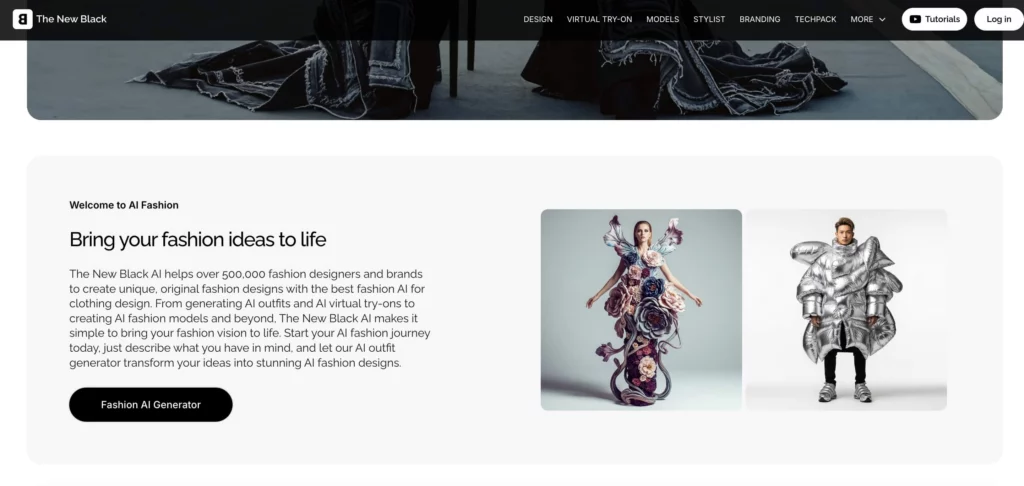
The New Black focuses on generating original clothing concepts using AI.
What it offers
- AI-generated garment designs
- Style variations and color exploration
- Virtual model presentation
This platform is useful for concept-first designers, though it offers less control over styling combinations compared to WeShop AI’s outfit-level approach.
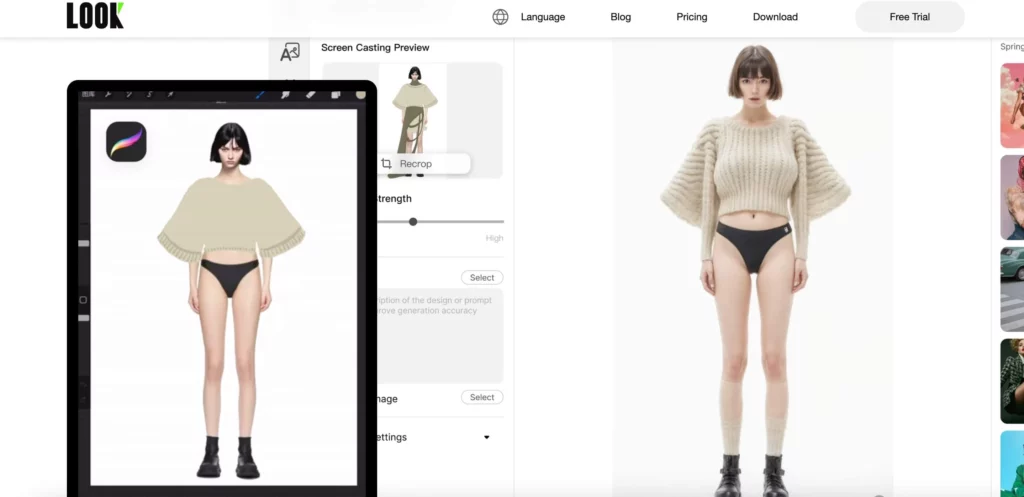
LOOK AI: From Sketch to Fashion Visualization
LOOK AI helps designers convert sketches into realistic fashion visuals.
Strengths
- Real-time sketch-to-render workflow
- Fast visual refinement
- Supports multiple style variations
Limitations
- Requires sketches as input
- Less flexible for freeform outfit generation
LOOK AI works well when you already have a design direction.
Generative AI (Midjourney / DALL·E) for Fashion Concepts
General image generators are often used for fashion inspiration.
Use cases
- Mood boards
- Trend exploration
- Visual storytelling
Limitations
- No structured outfit logic
- Inconsistent garment behavior
- Not production-aware
These tools inspire—but don’t organize.
Traditional vs AI Fashion Design: A Practical Comparison
| Aspect | Traditional Tools | AI-Driven Tools |
|---|---|---|
| Speed | Slow | Fast |
| Learning curve | High | Low |
| Creative exploration | Manual | Automated |
| Outfit visualization | Limited | Strong |
| Production readiness | High | Low |
| Iteration cost | High | Low |
The difference is clear:
Traditional tools finalize designs.
AI tools discover designs.
How Designers Combine Traditional and AI Tools Today
Modern fashion design workflows often combine both approaches.
A common workflow looks like this:
- Use WeShop AI Outfit Generator to explore outfit ideas
- Select promising silhouettes and styles
- Move into CLO 3D or CAD tools for technical design
- Finalize patterns and prepare for production
This hybrid approach reduces wasted effort and improves creative confidence.
Who Benefits Most from AI-Driven Outfit Design?
AI tools like WeShop AI are especially valuable for:
- Independent designers
- Fashion startups
- Ecommerce brands
- Creative directors
- Content and marketing teams
If your challenge is ideation, speed, or visual clarity, AI tools offer immediate value.
Conclusion
Understanding how to design fashion clothes today means understanding both tradition and technology. Traditional fashion design software remains essential for production and technical accuracy. At the same time, AI-driven tools like WeShop AI’s Outfit Generator are redefining how designers explore ideas and visualize outfits.
Rather than replacing traditional design, AI expands it. By combining fast visual generation with established production tools, designers gain the freedom to create more—and waste less time getting there.