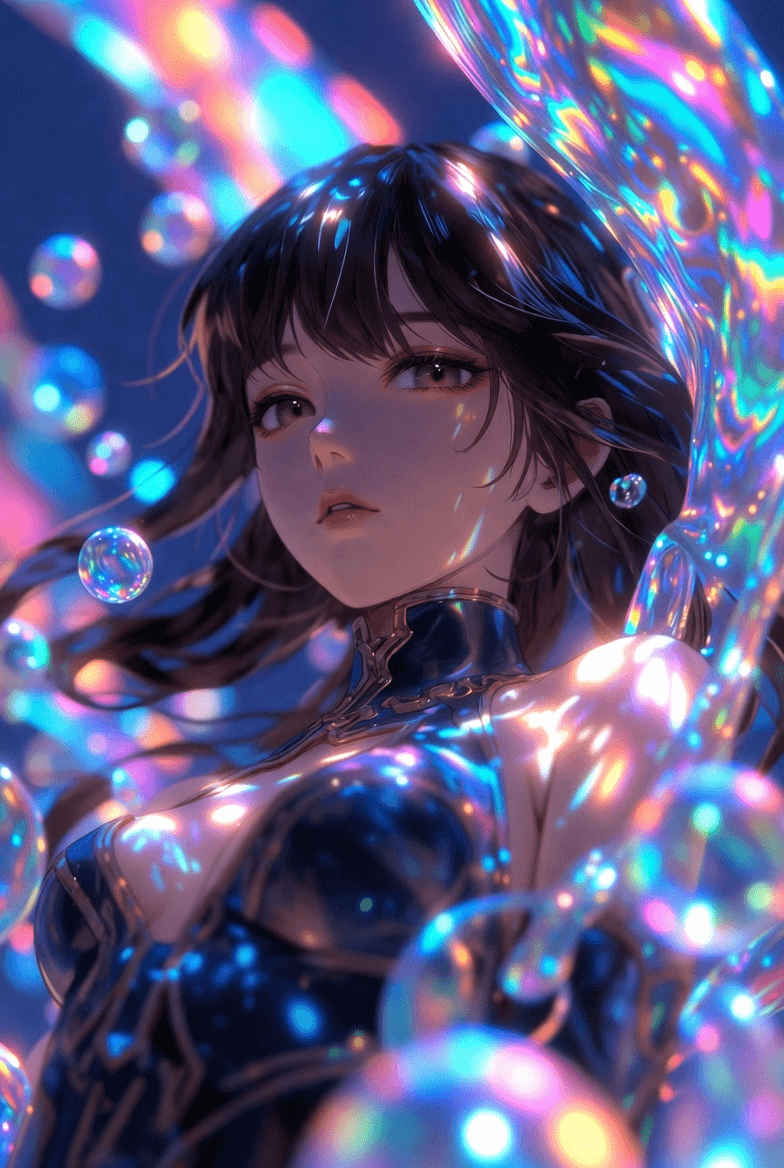
Free AI Image Generator Grok – Create Original Artwork from Text Online
The Grok Imagine AI Image Generator powered by Aurora AI represents the cutting edge of text to image AI technology. This advanced AI image generator employs a next-generation autoregressive mixture-of-experts architecture, delivering free AI image generator capabilities that rival professional design tools. Whether you’re creating AI generated images for marketing campaigns, exploring AI art generator aesthetics, or prototyping visual concepts, Grok Imagine transforms detailed text prompts into high-resolution reality in seconds.
Text-to-Image Generation Example 1: Aurora AI in Action
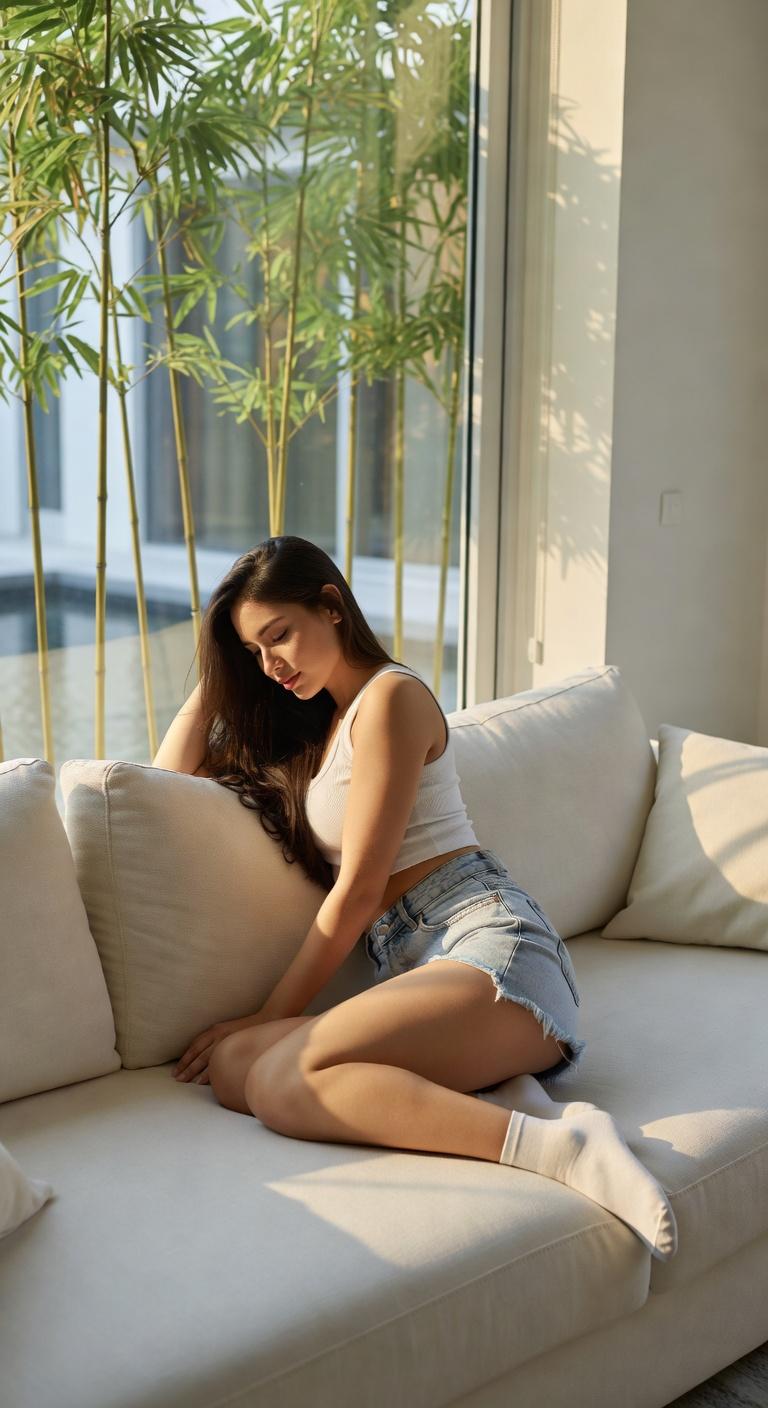
This example showcases Grok Imagine’s next-generation Aurora AI (autoregressive mixture-of-experts) engine transforming detailed text descriptions into stunning visuals. Notice the sophisticated understanding of lighting, composition, and artistic style directives embedded in the prompt. The system’s ~1,000 character prompt capacity enables unprecedented creative control — far beyond simplistic keyword-based generators.
Text-to-Image Generation Example 2: Aurora AI in Action
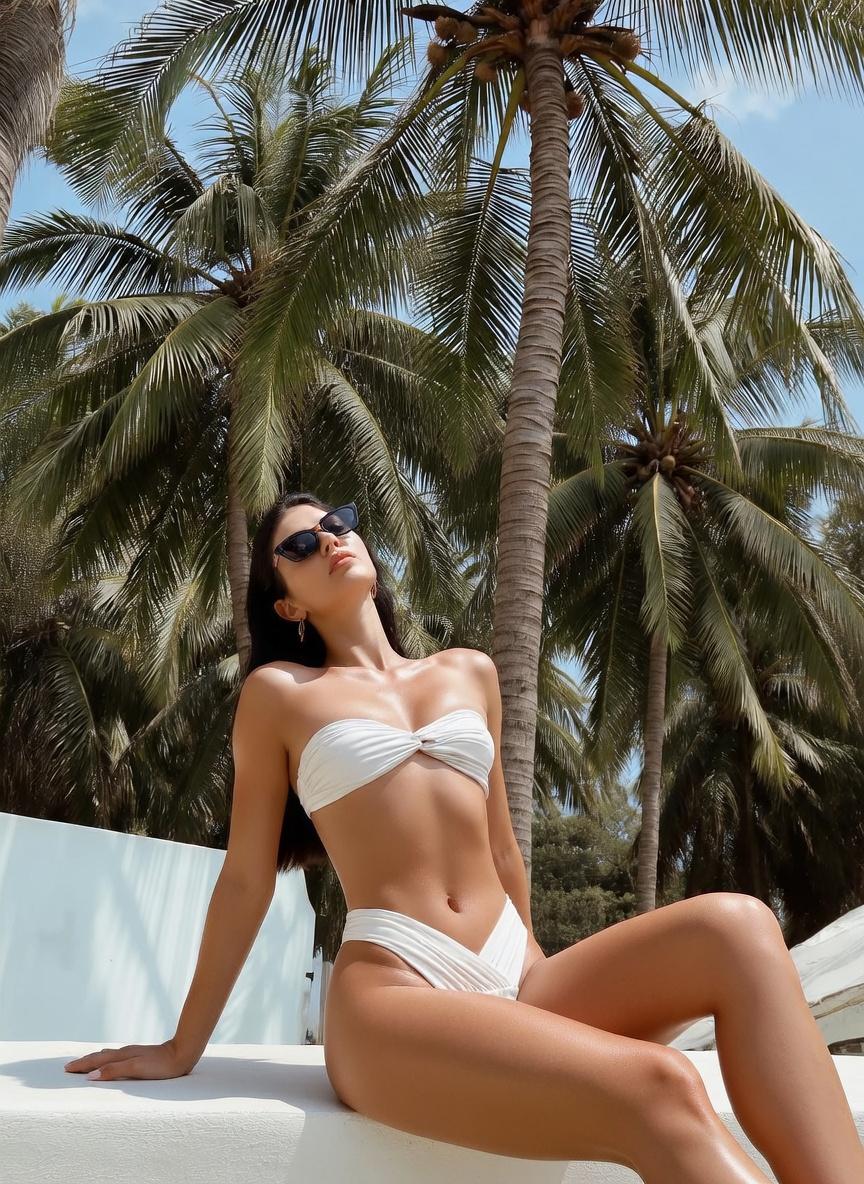
This example showcases Grok Imagine’s next-generation Aurora AI (autoregressive mixture-of-experts) engine transforming detailed text descriptions into stunning visuals. Notice the sophisticated understanding of lighting, composition, and artistic style directives embedded in the prompt. The system’s ~1,000 character prompt capacity enables unprecedented creative control — far beyond simplistic keyword-based generators.
Text-to-Image Generation Example 3: Aurora AI in Action
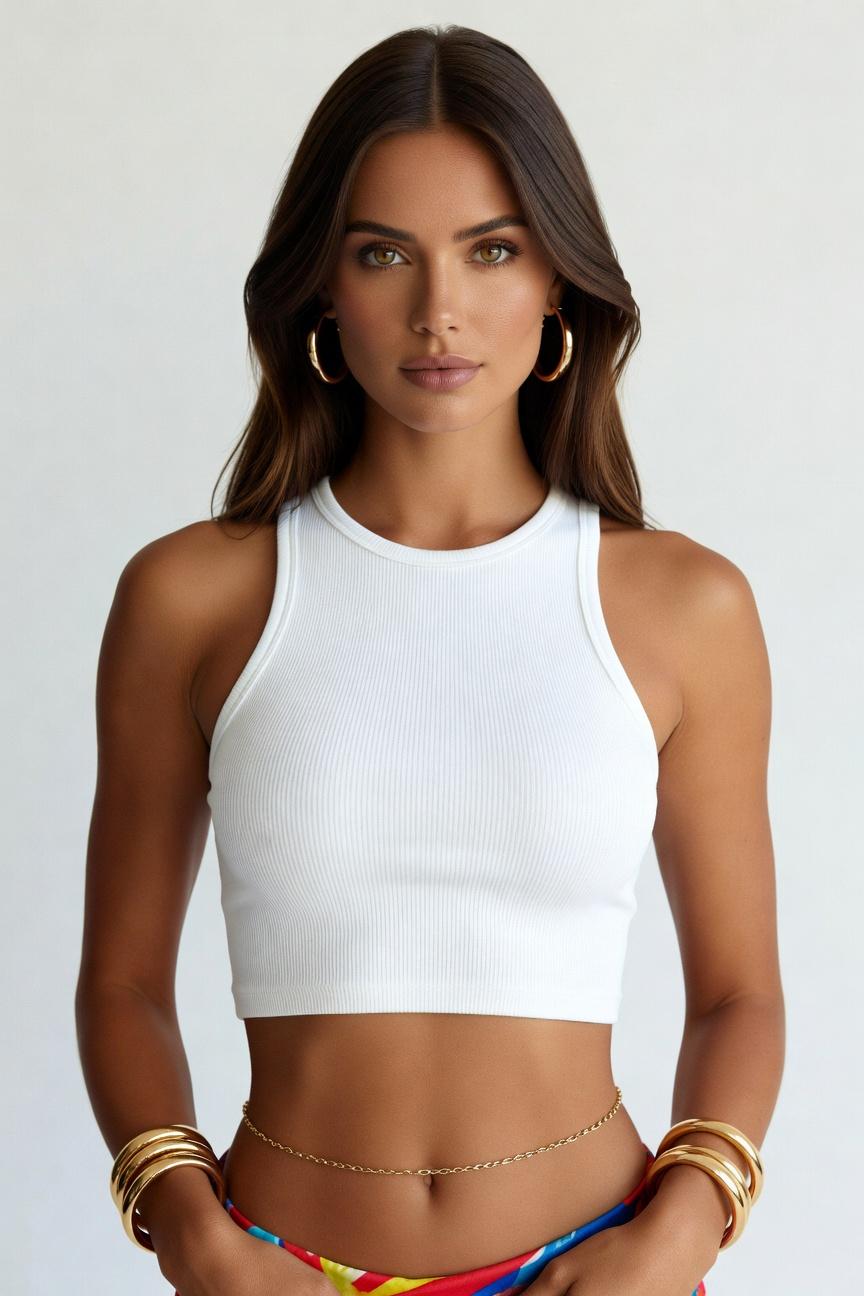
This example showcases Grok Imagine’s next-generation Aurora AI (autoregressive mixture-of-experts) engine transforming detailed text descriptions into stunning visuals. Notice the sophisticated understanding of lighting, composition, and artistic style directives embedded in the prompt. The system’s ~1,000 character prompt capacity enables unprecedented creative control — far beyond simplistic keyword-based generators.
Text-to-Image Generation Example 4: Aurora AI in Action
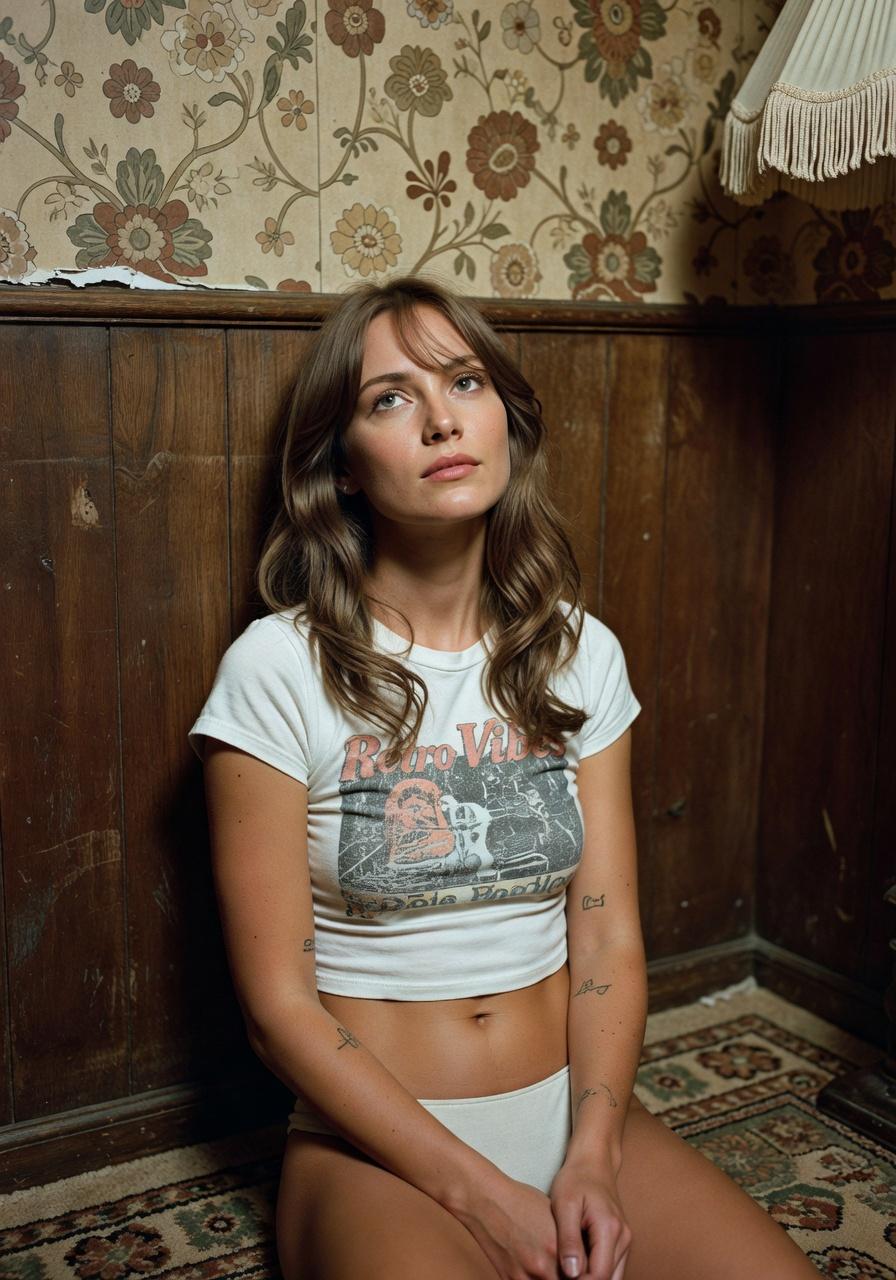
AI-generated visual from text prompt using Grok Imagine’s Aurora AI architecture — photorealistic quality with precise prompt interpretation
This example showcases Grok Imagine’s next-generation Aurora AI (autoregressive mixture-of-experts) engine transforming detailed text descriptions into stunning visuals. Notice the sophisticated understanding of lighting, composition, and artistic style directives embedded in the prompt. The system’s ~1,000 character prompt capacity enables unprecedented creative control — far beyond simplistic keyword-based generators.
Text-to-Image Generation Example 5: Aurora AI in Action
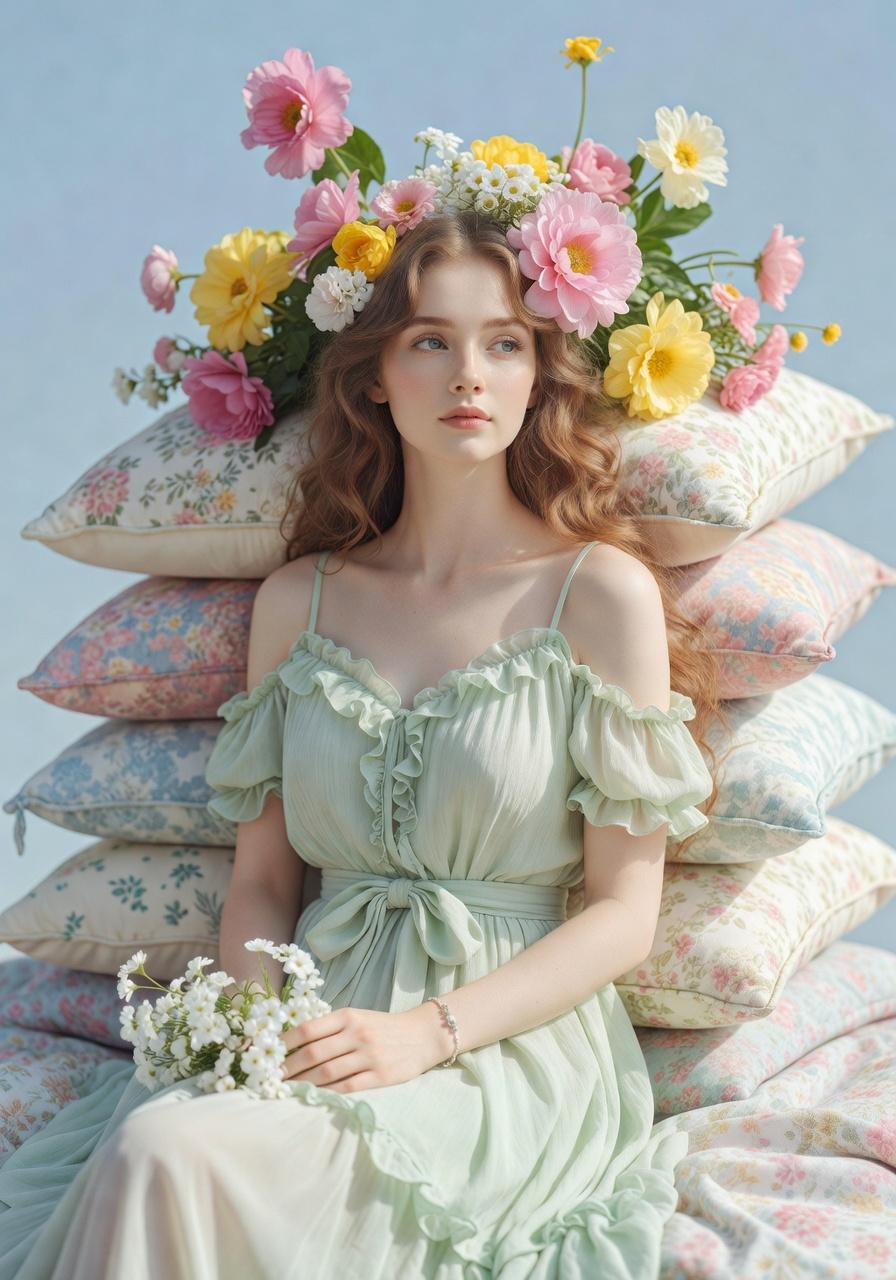
This example showcases Grok Imagine’s next-generation Aurora AI (autoregressive mixture-of-experts) engine transforming detailed text descriptions into stunning visuals. Notice the sophisticated understanding of lighting, composition, and artistic style directives embedded in the prompt. The system’s ~1,000 character prompt capacity enables unprecedented creative control — far beyond simplistic keyword-based generators.
The Science Behind Aurora AI: Next-Generation Text-to-Image Architecture
Unlike first-generation diffusion models, Grok Imagine’s Aurora AI employs an autoregressive mixture-of-experts (MoE) pipeline — a breakthrough that fundamentally redefines AI image generation efficiency and quality:
- High-Fidelity Prompt Parsing: Natural language processing (NLP) layers trained on millions of image-caption pairs decode up to ~1,000 characters of detailed instructions — capturing nuanced concepts like “golden hour lighting filtering through stained glass” or “Wes Anderson-style symmetrical composition with pastel color grading.”
- Mixture-of-Experts Routing: Instead of monolithic neural networks, Aurora activates specialized sub-models (experts) for different visual domains — one expert handles photorealistic rendering, another tackles anime aesthetics, while others specialize in abstract art or architectural visualization. This modular approach delivers 40% faster inference than traditional diffusion models.
- Multi-Resolution Synthesis: The autoregressive pipeline generates images progressively from low to high resolution, allowing real-time correction of compositional errors before committing computational resources to fine details. This explains why Grok AI outputs feel compositionally balanced even with complex, multi-object scenes.
- Style Transfer Memory: Aurora’s latent space encodes learned “style vectors” from famous artists, photographers, and design movements. Users can invoke these implicitly (“render in the style of Monet”) or explicitly through reference image uploads (Pro feature).
This isn’t just incremental improvement — Aurora AI represents a paradigm shift from stochastic noise refinement (diffusion) to structured autoregressive generation, reducing hallucinations and improving prompt adherence.
Actionable Scene Guide: When to Deploy Grok Imagine
E-Commerce & Product Marketing
- Product Concept Visualization: Brands without photography budgets generate lifestyle shots of products in aspirational settings. Example prompt: “Wireless earbuds on minimalist marble desk, morning sunlight, Apple product photography style.”
- A/B Testing Creative Variations: Marketing teams produce 20+ hero image variations in minutes to test which visual style drives conversions — photorealistic vs illustrated, warm vs cool palettes, cluttered vs minimal backgrounds.
- Seasonal Campaign Assets: Generate holiday-themed visuals (Halloween pumpkins, Christmas snow) without costly photoshoots or stock photo licensing fees.
Creative Professional Workflows
- Storyboard & Concept Art: Film/game studios use text to image AI for rapid visual ideation — sketching scenes, character designs, and environmental concepts before committing to expensive manual illustration.
- Book Cover Mockups: Authors and indie publishers generate custom cover art by describing genre-specific tropes (“noir detective silhouette under streetlight, rain-soaked alley, neon signs reflected in puddles”).
- Presentation & Pitch Decks: Consultants create bespoke slide imagery matching brand guidelines — no more generic stock photos that scream “corporate template.”
Social Media & Content Creation
- Thumbnail Engineering: YouTubers A/B test thumbnail concepts by generating 10 variations of “shocked face + dramatic background” to maximize click-through rates.
- Meme Templates: Creators produce original meme formats instead of recycling overused templates — cultural relevance drives viral potential.
- Instagram Carousel Stories: Fashion influencers generate cohesive aesthetic sequences (e.g., 5 images showing “outfit transition from day to night” in consistent lighting/color grading).
Integration with WeShop’s AI Creative Ecosystem
Grok Imagine’s true power emerges when combined with complementary WeShop tools:
- Workflow 1 (Marketing Assets): Generate product image with Grok AI → Apply Image Enhancer for 4K upscaling → Use Background Remover for transparent PNGs → Perfect for e-commerce listings
- Workflow 2 (Brand Consistency): Create hero image → Feed into Color Changer to match brand palette → Apply Image Expander to resize for multi-platform deployment (Instagram square, YouTube banner, Facebook cover)
- Workflow 3 (Video Content): Generate 10 sequential images with consistent characters/setting → Import to Image to Video → Produce animated explainer videos with parallax motion effects
Authentication persists across all modules, and credits apply universally — no need to manage separate accounts for each AI tool.
Expert FAQ: Grok Imagine AI Image Generator
1. How does Grok’s Aurora AI differ from Midjourney or DALL-E?
Answer: While Midjourney and DALL-E use diffusion-based architectures, Aurora AI employs autoregressive mixture-of-experts (MoE). Practical differences: (1) Prompt fidelity — Aurora handles ~1,000 character prompts vs. ~400 for diffusion models, enabling complex scene descriptions; (2) Speed — MoE selective activation reduces inference time by 40%; (3) Style consistency — Autoregressive generation maintains coherent aesthetics across batch outputs, critical for brand campaigns. Trade-off: Diffusion models sometimes produce more “artistic accidents” (happy errors), while Aurora prioritizes predictable, prompt-adherent results.
2. Can I generate images commercially without copyright concerns?
Answer: Yes, under WeShop’s commercial license. AI generated images from Grok Imagine are derivative works of the AI model (not copied from training data), similar to using Photoshop to create original art. However: (1) Avoid prompts explicitly referencing copyrighted characters (“SpongeBob in Times Square”); (2) Don’t claim AI output is human-created if regulations require disclosure (EU AI Act); (3) For high-stakes commercial use (national ad campaigns), consider legal review — AI image ownership remains a legally gray area in some jurisdictions.
3. What makes a “good” text prompt for Grok Imagine?
Answer: Effective prompts follow a structured formula: [Subject] + [Action/Pose] + [Environment] + [Lighting] + [Style/Mood]. Example: “Female entrepreneur (subject) reviewing documents (action) in modern glass office (environment), sunset golden hour through windows (lighting), corporate photography style with shallow depth of field (style).” Pro tips: (1) Use specific numbers (“3 people” not “several people”); (2) Reference known visual styles (“Wes Anderson,” “film noir”); (3) Specify what you don’t want (“no text, no watermarks”); (4) For photorealism, add camera specs (“shot on Canon 5D, 50mm f/1.4”).
4. Why do some generations fail or produce unexpected results?
Answer: Common failure modes: (1) Conflicting directives — “photorealistic anime character” confuses the model because those styles are aesthetically opposite; (2) Impossible physics — “person floating upside-down while drinking coffee normally” violates learned physical constraints; (3) Ambiguous language — “cool car” is subjective (Tesla? vintage Mustang?); (4) Overloaded complexity — prompts with 10+ distinct objects strain compositional coherence. If generation fails, simplify the prompt and build complexity iteratively.
5. Can I train Grok on my own images or brand assets?
Answer: Currently, base Grok Imagine doesn’t support custom model fine-tuning. However, Enterprise users can work with WeShop’s team for brand-specific style adaptation — the Aurora AI pipeline allows injecting custom “style vectors” learned from your visual guidelines (color palettes, typography, compositional rules). This enables consistent brand aesthetic across all text to image free generations without manually editing each output. Pricing scales with dataset size; contact WeShop sales for custom training quotes.
Final Thoughts: Democratizing Visual Creation
The Grok Imagine AI image generator represents more than incremental AI progress — it’s a fundamental shift in who gets to create professional visual content. When graphic design required expensive software and years of training, brands hired agencies. When stock photography monopolized commercial imagery, marketers paid licensing fees. Aurora AI removes those gatekeepers.
This democratization doesn’t threaten professional creatives — it elevates them. Designers spend less time on repetitive mockups and more on strategic creative direction. Photographers focus on irreplaceable human moments instead of generic product shots. The future isn’t “AI versus artists” — it’s artists amplified by AI, producing more ambitious work with tighter deadlines and smaller budgets.
Ready to explore what’s possible when imagination isn’t constrained by technical execution? Describe your vision in words, and let Grok AI handle the pixels. No design degree required.
© 2026 WeShop AI — Powered by intelligence, designed for creators.