AI image tools have evolved quickly. However, many still feel either too experimental or too complex for real workflows. Some focus heavily on style but require multiple retries, while others are easy to use but produce generic results.
Grok Imagine sits somewhere in between. It aims to turn text prompts into clear, high-resolution images while keeping the process simple and efficient. That balance makes it especially relevant for creators who need usable visuals, not just interesting outputs.
xAI explains that Grok’s image generation is powered by Aurora, a next-generation autoregressive model designed to improve photorealism. At the same time, WeShop AI presents Grok Imagine as a tool built for fast text-to-image creation in both creative and commercial scenarios.
Together, these signals point to a clear positioning. Grok Imagine is not trying to be a design platform or an experimental art engine. Instead, it focuses on delivering reliable visual results directly from prompts.
What Grok Imagine Is Designed to Do
At its core, Grok Imagine converts text into images. That part is straightforward. The difference lies in how it handles prompts and how consistent the results feel.
According to xAI, Aurora improves the way images are generated step by step, which can lead to better structure and more coherent visuals. Rather than producing disconnected elements, the model aims to generate images that feel complete and aligned with the original prompt.
WeShop AI highlights another practical angle. The tool is positioned for high-resolution output that can be used in product visuals, marketing graphics, and concept design. This suggests that the goal is not just creativity, but usability.
That distinction matters. Many tools can generate images, but fewer can produce results that are immediately usable without heavy editing.

Why Aurora Matters
Aurora is central to how Grok Imagine is framed.
xAI describes it as an autoregressive image model, which means the system builds images in a more structured and sequential way. In practice, this can improve how well the model follows prompts and maintains visual consistency.
Another key point is photorealism. Aurora is designed to produce images that look more natural and polished, rather than overly stylized or artificial. For many real-world use cases, this is more important than visual flair.
If you are creating product images, ad creatives, or blog visuals, clarity often matters more than artistic exaggeration. This is where Grok Imagine positions itself.


How Grok Imagine Compares to Other AI Image Tools
To better understand where Grok Imagine fits, it helps to compare it with other well-known tools. Each one focuses on a slightly different use case.
| Tool | Official focus | Best fit |
|---|---|---|
| Grok Imagine | Aurora-powered image generation with strong photorealism | High-resolution visuals from text prompts |
| ChatGPT Images | Image generation and editing inside ChatGPT | Conversational and iterative workflows |
| Adobe Firefly | Text-to-image, editing, and creative workflows | Marketing assets and design production |
| Midjourney | Style-driven generation and refinement tools | Artistic and visually rich outputs |
| Ideogram | Text and typography within images | Posters, ads, and social content |
| Leonardo.Ai | Creation, editing, and enhancement tools | End-to-end creative workflows |
| Stability AI | Prompt control and professional generation | API and technical applications |
| Canva | AI generation inside a design platform | Fast content creation for non-designers |
This comparison makes one thing clear. Grok Imagine does not try to cover every use case. Instead, it focuses on a narrower but practical goal: turning prompts into high-quality visuals with minimal friction.
Key Differences in Workflow
The biggest differences between these tools are not just about output quality, but about how people use them.
For example, tools like OpenAI’s ChatGPT Images are built around conversation. Users generate an image, then refine it through multiple iterations. This works well for exploration, but it can take time.
By contrast, Grok Imagine leans toward direct generation. The goal is to move from prompt to result quickly, without needing several rounds of adjustments.
Similarly, Adobe Firefly is part of a larger creative ecosystem. It supports editing, composition control, and integration with design tools. This makes it powerful, but also more complex.
Grok Imagine takes a lighter approach. It focuses on generating a strong initial image, rather than supporting a full production pipeline.
Where Other Tools Still Lead
While Grok Imagine is strong in general image generation, other tools still have clear advantages in specific areas.
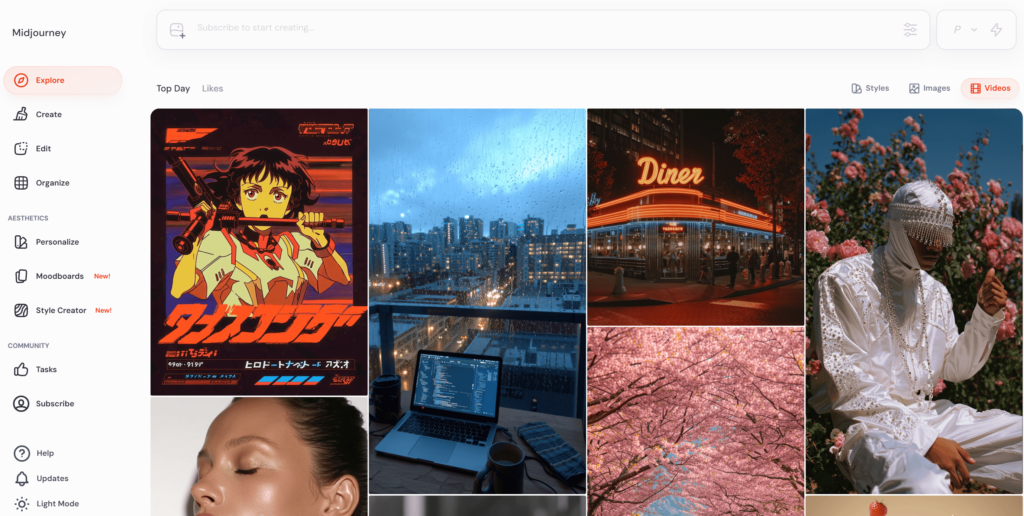
Midjourney remains a top choice for highly stylized and artistic visuals. Its strength lies in mood, aesthetics, and creative expression.
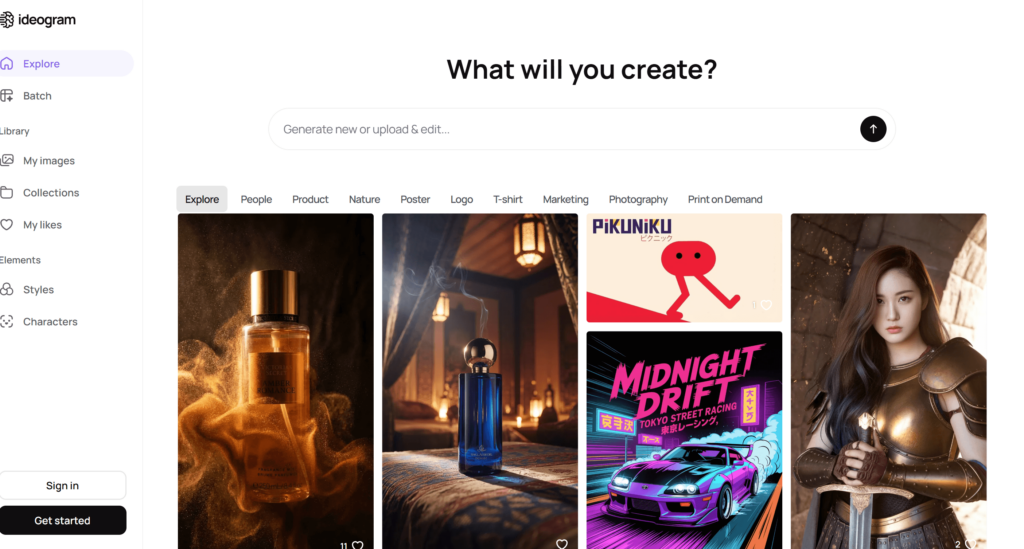
Ideogram stands out when text needs to appear inside images. Its ability to render readable typography makes it especially useful for ads and social graphics.
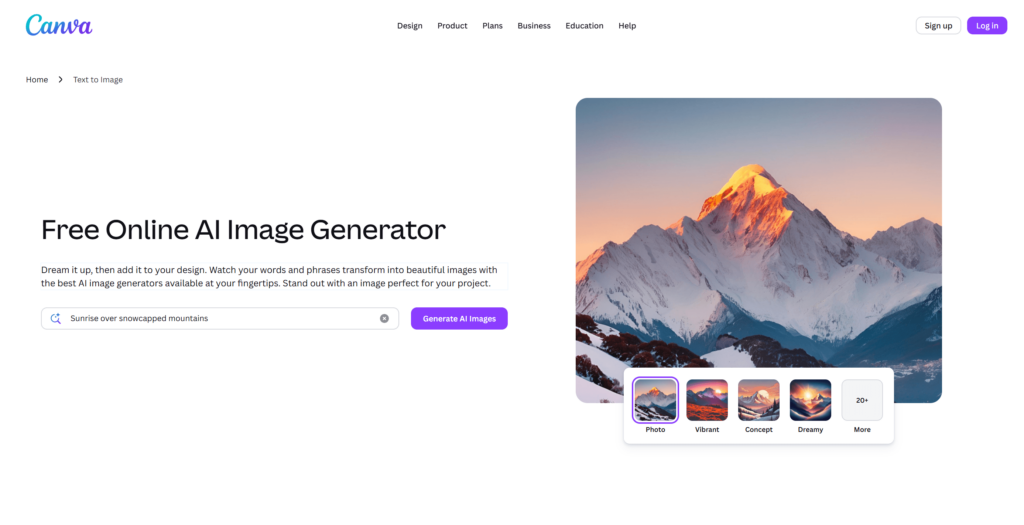
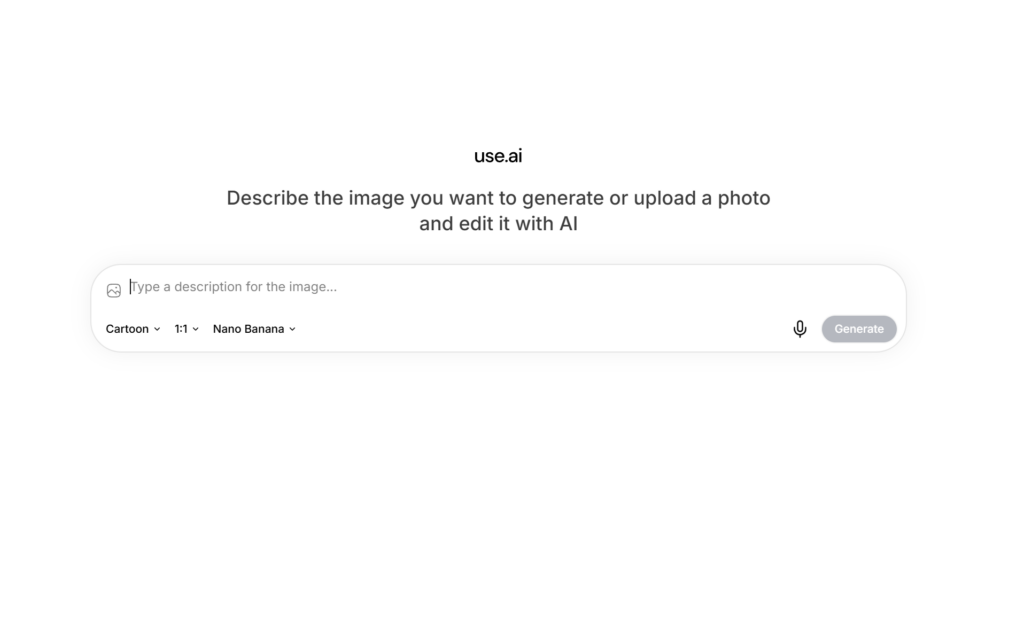
Meanwhile, platforms like Canva and Leonardo.Ai offer more complete workflows, including editing, layout, and asset preparation.
These differences do not weaken Grok Imagine. Instead, they help define its role more clearly.
Who Grok Imagine Is Best For
Grok Imagine is best suited for users who want fast, reliable results.
This includes content creators, marketers, and small teams that need visuals quickly. It is particularly useful when the goal is to generate images that are ready to use, rather than images that require extensive refinement.
If your workflow depends on speed and clarity, Grok Imagine can fit naturally into that process.
Final Thoughts
Grok Imagine stands out not because it tries to do everything, but because it focuses on doing one thing well.
xAI positions it around Aurora and photorealism, while WeShop AI emphasizes high-resolution output and practical use cases. These two ideas align well, creating a product that feels focused and intentional.
In a crowded market, that kind of clarity is valuable.
Rather than competing on features alone, Grok Imagine offers a simple promise: take a prompt, and turn it into a usable visual with minimal effort. For many creators, that is exactly what matters most.