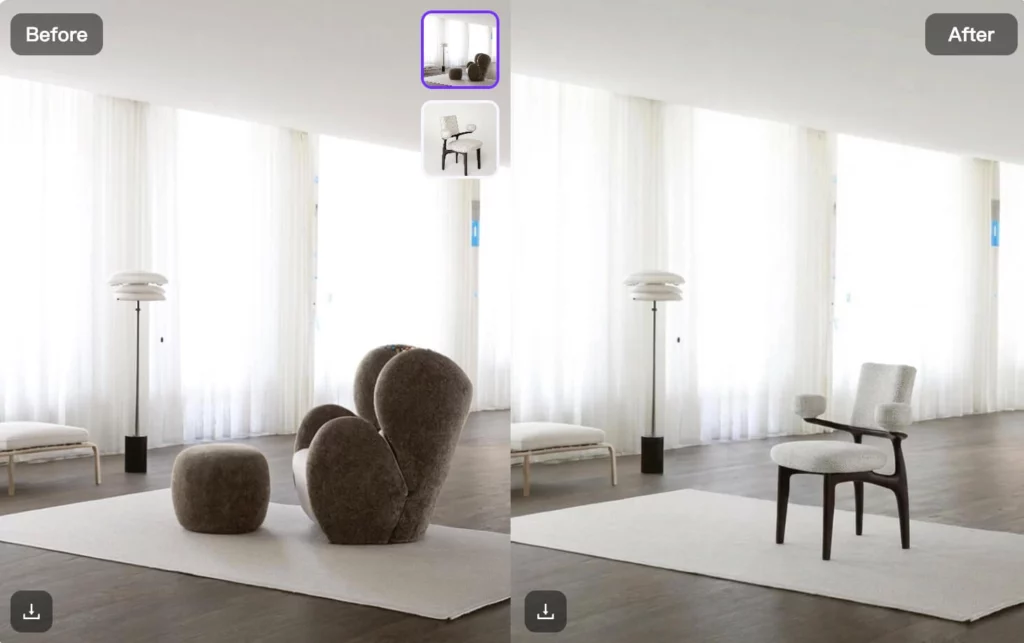
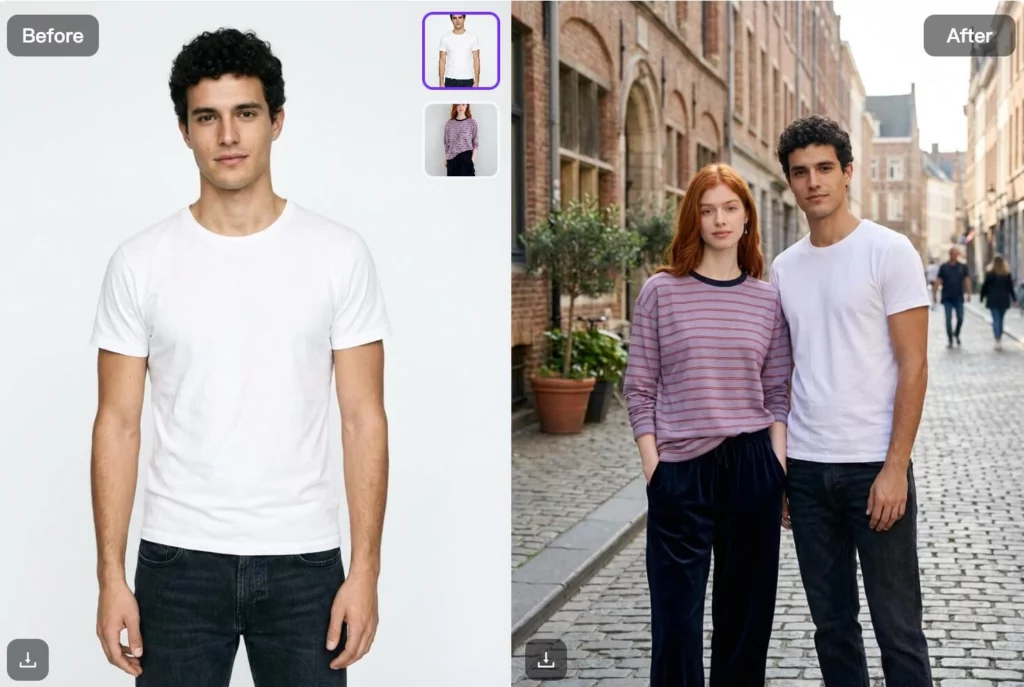
If you’ve ever sat through a product photoshoot, you know the drill: the lighting is never quite right, the model’s schedule is a nightmare, and the post-production bill makes your eyes water. For years, the gold standard for fixing these issues was Adobe Photoshop. But as we move through 2026, a new player has changed the math. The AI Image Combiner from WeShop AI isn’t just a “filter”—it’s a structural shift in how we build commercial imagery.
While Photoshop requires a skilled hand and hours of tedious masking, the AI Image Combiner uses neural fusion to merge products and environments in seconds. If you’re looking to scale your creative output without scaling your overhead, you need to understand why the old way of “photoshopping” is becoming a luxury most brands can no longer afford.
The Hidden Cost of the Traditional “Manual” Workflow
Before we dive into the magic of an AI Image Combiner, let’s look at the reality of the traditional retouching desk. A professional retoucher spends the bulk of their time on three things: cutting out subjects (masking), matching the light temperature of the product to the background, and painting in realistic shadows.
This process is linear. If it takes 60 minutes to perfect one image, it takes 100 hours to do 100 images. There is no “economy of scale.” When you factor in the hourly rate of a senior editor, your “cost per image” remains stubbornly high. This is the “creative ceiling” that keeps small brands small and large brands over-budget.
Why the AI Image Combiner is a Paradigm Shift for E-commerce
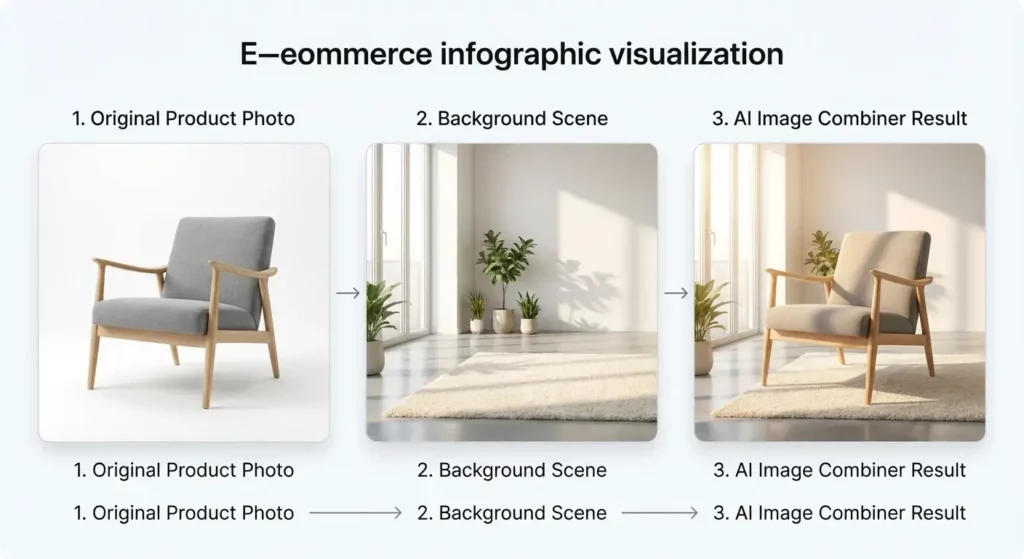
The AI Image Combiner breaks that linear relationship between time and output. Unlike a human editor who sees pixels as color data, the AI understands geometry and physics. When you feed it a product shot and a lifestyle background, it doesn’t just “paste” the two together.
The tool analyzes the light source in your background image and virtually “re-lights” your product to match. It generates contact shadows that wrap naturally around surfaces—something that takes a Photoshop pro years to master. By automating the most difficult 90% of the creative process, you aren’t just saving time; you’re eliminating the need for a massive production team.
Scaling Content Variety with an AI Image Combiner
One of the biggest struggles for Amazon and Shopify sellers is “content fatigue.” You can’t use the same three studio shots for six months and expect your conversion rate to stay high. You need your product in the mountains, in a luxury apartment, and on a city street.
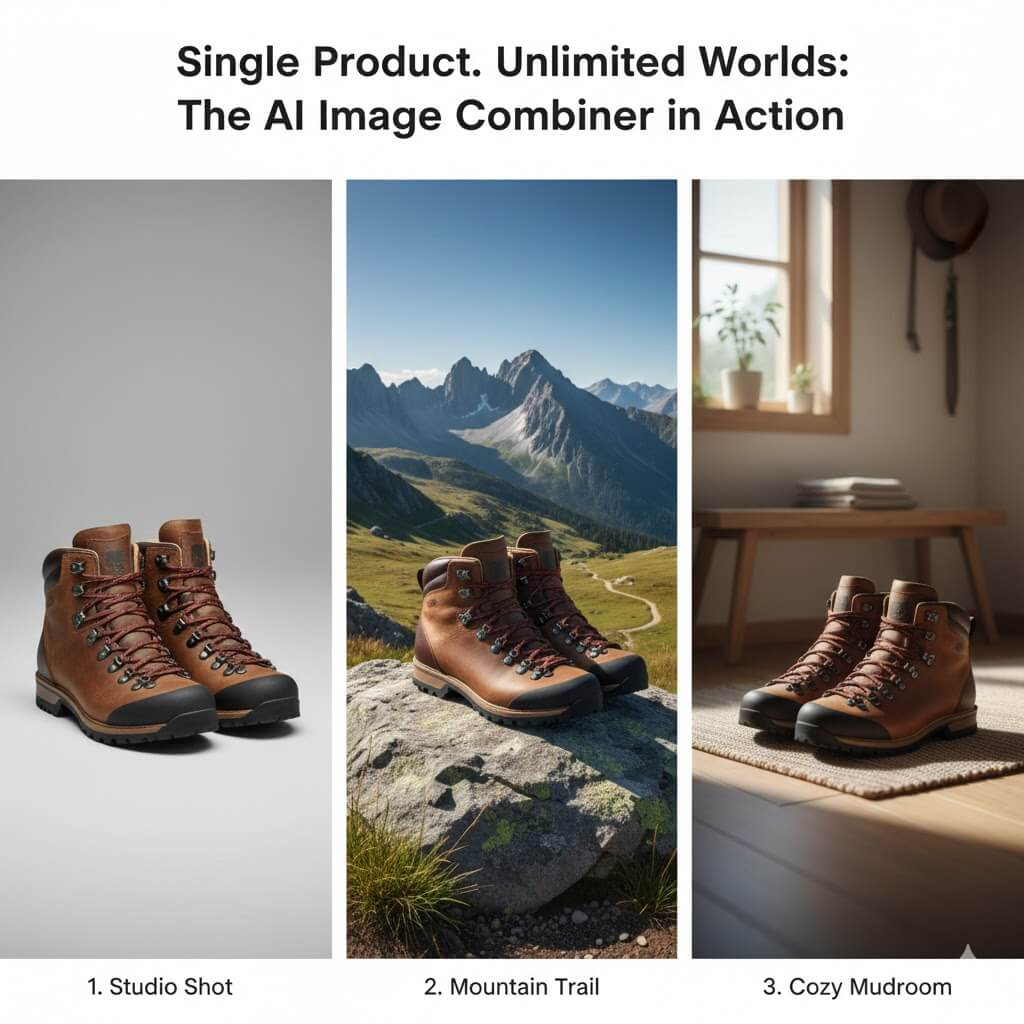
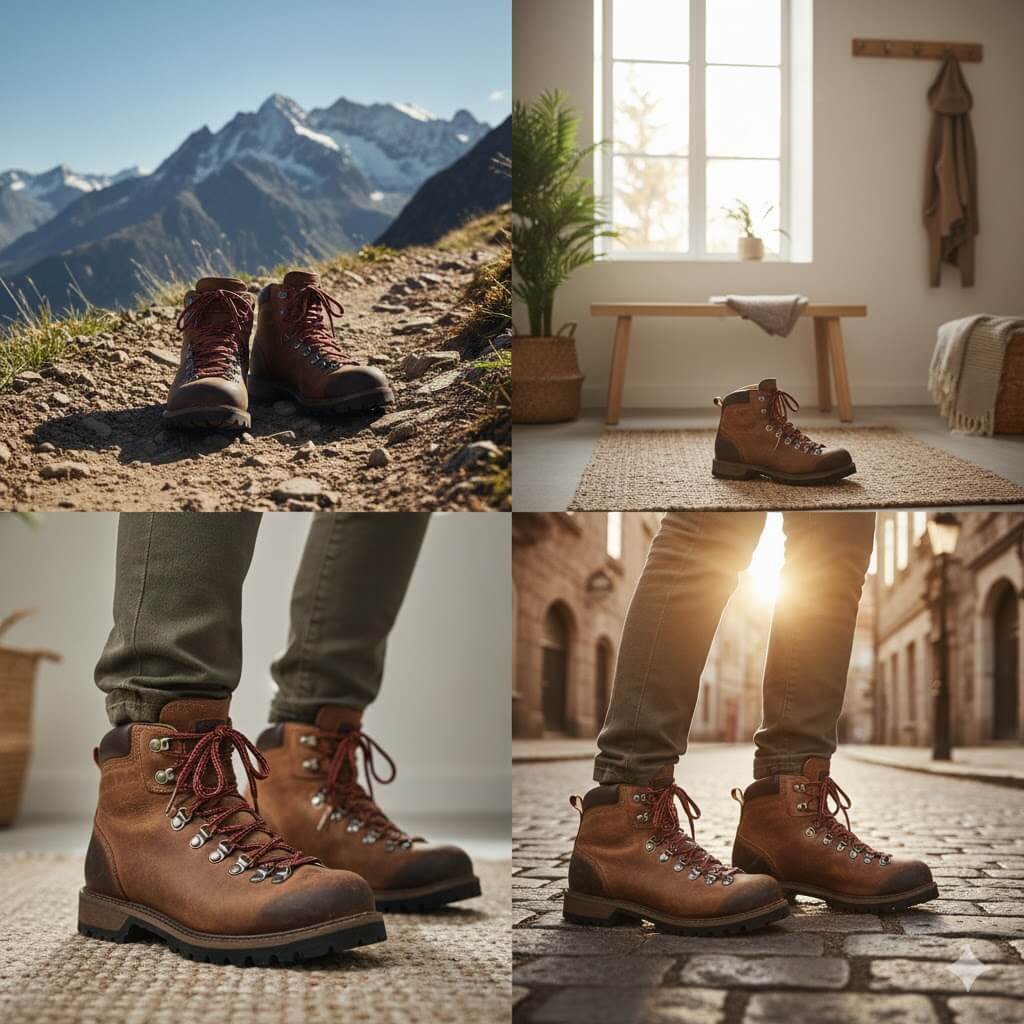
With the AI Image Combiner, you can take a single flat-lay or mannequin shot and “fuse” it into hundreds of different environments.
- Version A: Your hiking boots on a rugged trail.
- Version B: The same boots in a minimalist mudroom.
- Version C: The boots being “worn” by a virtual model through image fusion.
Doing this in Photoshop would require a library of stock photos and a week of editing. With an AI tool, it’s a morning’s work.
Precision Control: Better Results Than Manual Masking
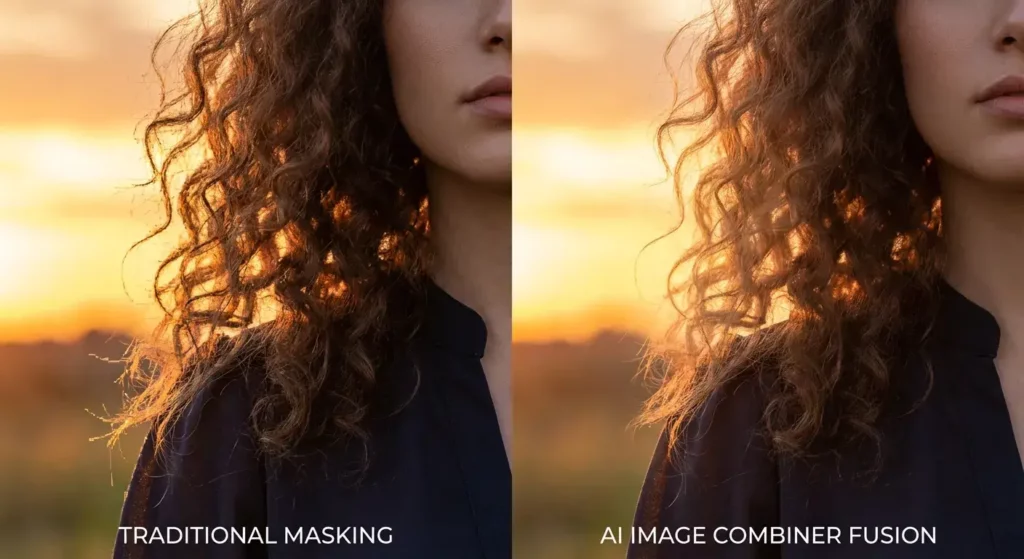
A common myth is that AI is “sloppy.” In reality, the AI Image Combiner often handles complex edges—like hair, sheer fabrics, or glass reflections—better than a human using the Pen Tool.
When you use the “Combine” feature, the AI recognizes the “essence” of the product. It maintains the texture of the silk or the grain of the leather while ensuring the edges don’t have that tell-tale “halo” effect often seen in amateur Photoshop jobs. This level of professional polish is what allows small brands to look like global fashion houses.
The Financial Math: Calculating Your 90% Savings
Let’s talk numbers. If a traditional agency charges $50 per “lifestyle composite” and you have a new collection of 20 items, each needing 5 scenes, you’re looking at a $5,000 invoice.
By switching to a workflow centered on the AI Image Combiner:
- Photography Costs: You only need simple, high-quality studio “source” shots. No expensive location scouting.
- Editing Costs: Subscription-based AI tools cost a fraction of a freelancer’s hourly rate.
- Speed to Market: You launch your collection in 24 hours, not 14 days.
The “90% saving” isn’t hyperbole; it’s the result of removing the friction of manual labor.
Keeping Brand Consistency with AI Image Combiner Logic
A major concern for creative directors is “hallucination”—the AI changing the product too much. This is where WeShop AI’s specific logic shines. The AI Image Combiner is designed to respect the source image’s integrity. You can adjust the “strength” of the fusion, ensuring that while the background and lighting change, the product’s color, logo, and shape remain 100% accurate to the physical item.
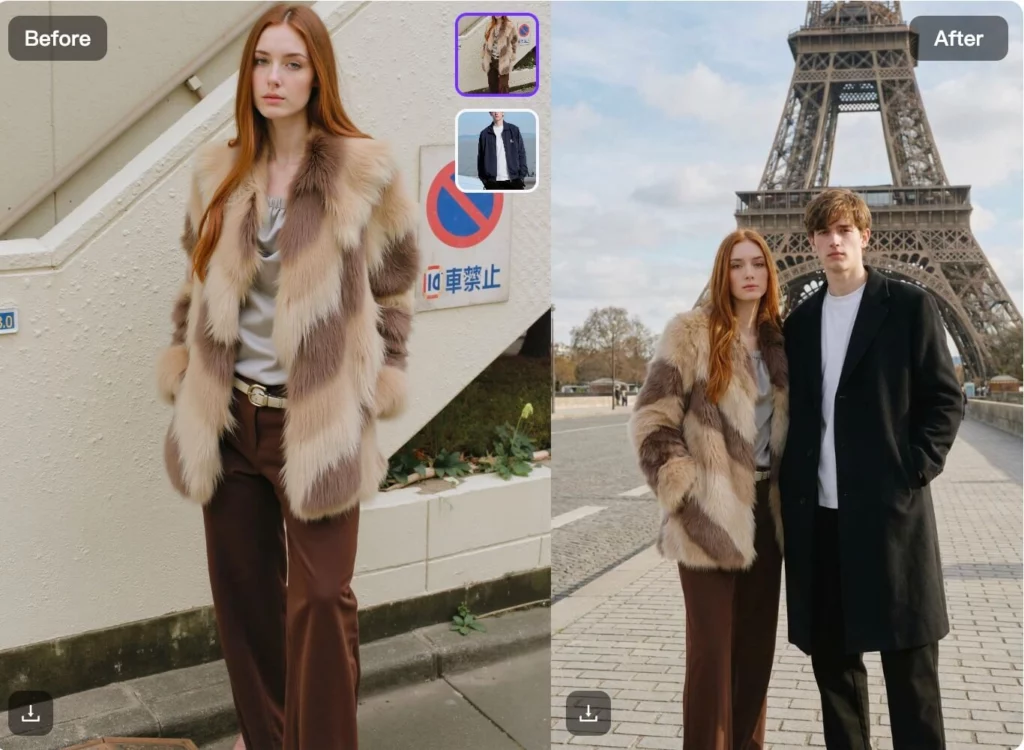
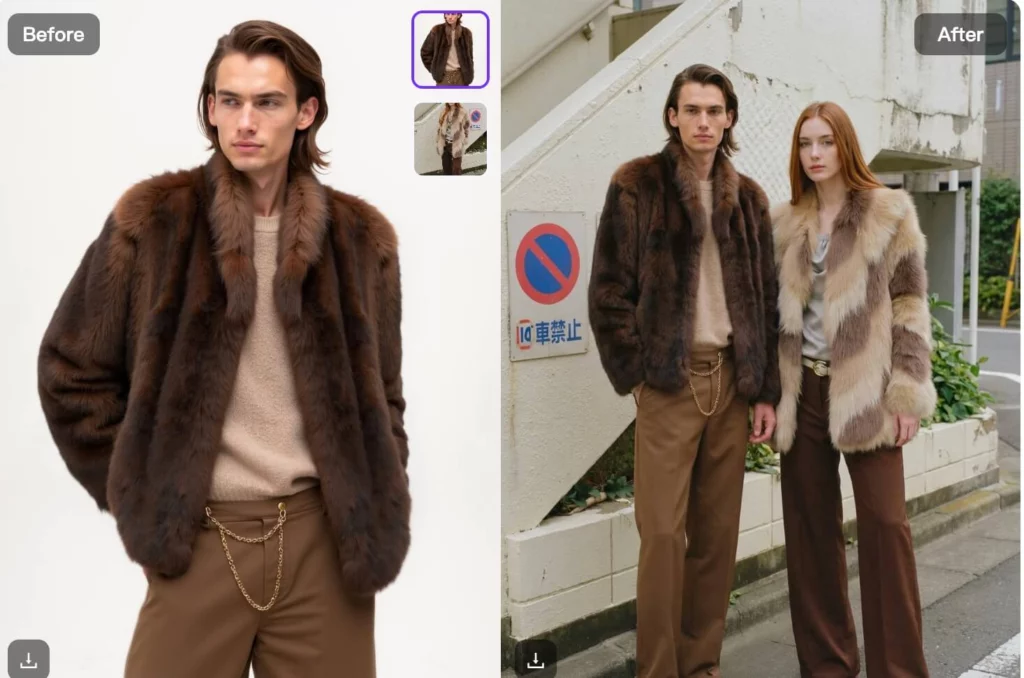
This allows for “Global Consistency.” You can use the same AI-generated “Face” or “Aesthetic” across your entire website, creating a cohesive brand identity that would usually cost tens of thousands in recurring model fees.
Conclusion
The goal isn’t necessarily to delete Photoshop from your computer. Photoshop is still great for final tweaks or adding text. However, the AI Image Combiner should be your “heavy lifter.”
Think of it this way: Photoshop is the fine-grit sandpaper used for the final finish, but the AI is the high-powered saw that builds the house. By moving the bulk of your compositing work to an AI-driven workflow, you free up your creative team to think about strategy, storytelling, and branding—the things that actually move the needle for your business.