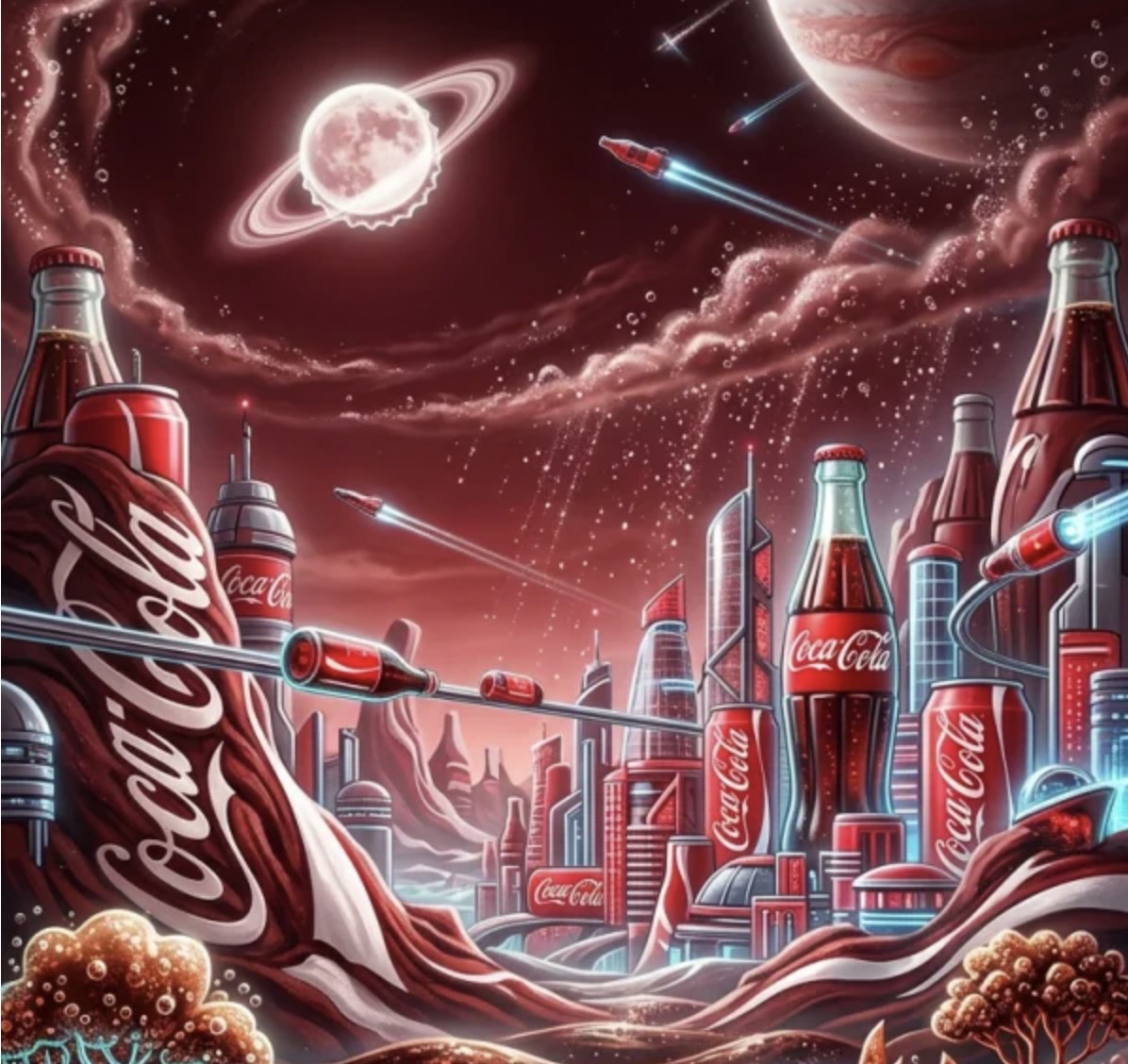
The latest diffusion-based image generation model isn’t just an incremental update — it’s a fundamental rethinking of how neural networks reconstruct pixels from text prompts. Here’s everything you need to know about Nano Banana 2, the tool that’s quietly reshaping AI-powered visual content creation.
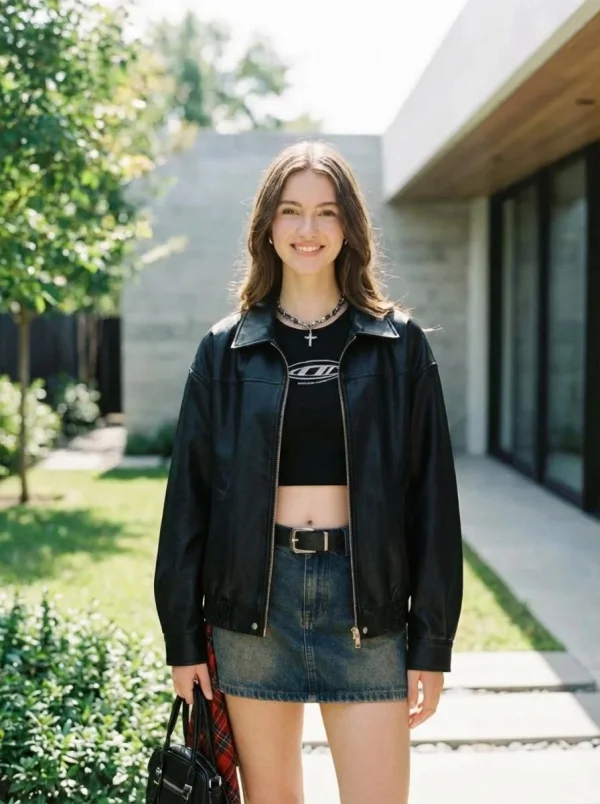
Before Original upload
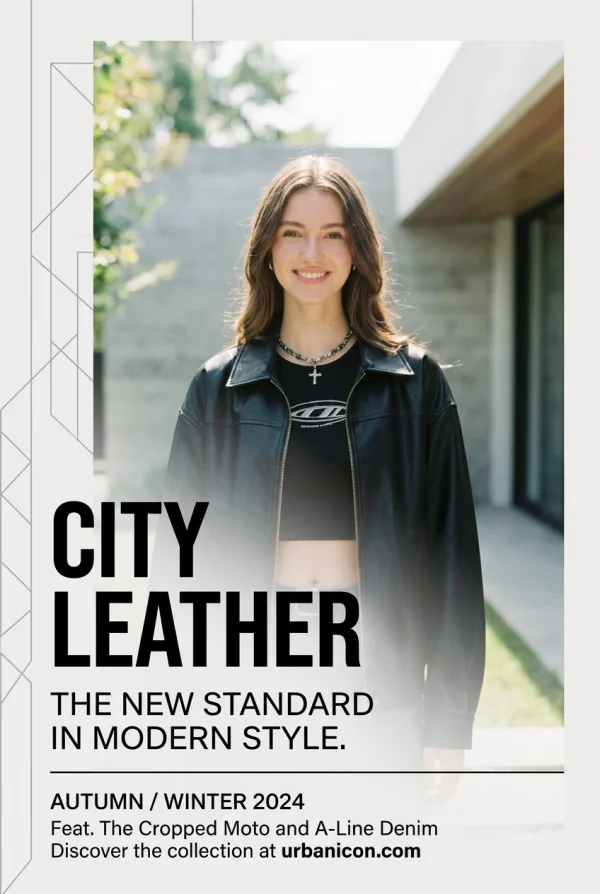
After Nano Banana 2 output
Why Nano Banana 2 Matters for AI Image Generation in 2026
If you’ve spent any time in the AI image generation space over the past two years, you’ve probably developed a healthy skepticism toward “revolutionary” model updates. Most of them amount to marginal improvements in FID scores that translate to imperceptible differences in actual output quality. Nano Banana 2 is not one of those updates.
What makes this model genuinely interesting — and I say this as someone who’s been benchmarking generative models since the original Stable Diffusion days — is its approach to what the computer vision community calls “semantic fidelity.” That’s the fancy way of saying the model actually understands what it’s generating, rather than just producing statistically plausible pixel arrangements.
The result is immediately visible in the before-and-after comparison above. Notice how the generated image doesn’t just change the background — it reconstructs the lighting model, adjusts shadow directions for consistency, and maintains the material properties of the subject. The fabric still looks like fabric. The edges are clean without that telltale AI smoothing artifact that plagues most competing tools.
For anyone running an e-commerce operation, a content studio, or even just trying to create consistent visual assets for a brand, this is the difference between “AI-assisted imagery” and “imagery that happens to be AI-generated.” The gap is closing fast, and Nano Banana 2 represents one of the most significant leaps forward.
The Science Behind Nano Banana 2’s Diffusion Architecture
To understand why Nano Banana 2 produces noticeably better results than its predecessors, you need to understand a bit about how modern diffusion models actually work under the hood. Don’t worry — I’ll keep the math minimal and the intuition maximal.
How Latent Diffusion Models Reconstruct Images from Noise
Traditional diffusion models work by learning to reverse a noise-adding process. You take a clean image, progressively add Gaussian noise until it’s pure static, and then train a neural network to reverse each step. At inference time, you start with random noise and let the model denoise it step by step, guided by your text prompt.
The “latent” part of latent diffusion means the model doesn’t operate directly on pixel space — which would be computationally insane for high-resolution images — but instead works in a compressed representation space created by a variational autoencoder (VAE). Think of it as the model working with a really efficient sketch of the image rather than every individual pixel.
Nano Banana 2 pushes this concept further with what appears to be a hierarchical latent space architecture. Rather than a single compression level, the model operates across multiple resolution tiers simultaneously. The coarse tier handles global composition and scene semantics (where objects are, what the lighting looks like), while finer tiers manage texture details, edge sharpness, and material properties.
The Attention Mechanism That Changes Everything
The real breakthrough is in how Nano Banana 2 handles cross-attention between the text embedding and the visual latent. In most diffusion models, the text prompt influences the denoising process through a relatively uniform attention mechanism — every part of the image gets roughly the same amount of “guidance” from the text at each step.
Nano Banana 2 implements what we might call spatially adaptive attention. The model learns to focus its text guidance on the regions that matter most at each denoising step. Early in the process, when the image is still mostly noise, attention is broad and compositional. As the image takes shape, attention narrows to fine details — the texture of skin, the reflection pattern on glass, the weave of fabric.
This is why the outputs look so remarkably coherent. The model isn’t just generating plausible pixels; it’s constructing an image with the same hierarchical logic a photographer or designer would use: big picture first, details second.
Neural Network Inference Optimization for Real-Time Results
One of the most impressive aspects of Nano Banana 2 is its inference speed. Despite the architectural complexity described above, the model generates high-quality images in what feels like near real-time through WeShop’s interface. This isn’t accidental — it’s the result of aggressive optimization at multiple levels.
The model likely employs a combination of techniques: knowledge distillation (training a smaller, faster model to mimic the full-size one), quantization (reducing the numerical precision of model weights without significant quality loss), and speculative denoising (predicting multiple steps ahead and correcting as needed). The net result is that you get outputs that would have required minutes of GPU time just a year ago, now delivered in seconds.
Actionable Scene Guide: How to Get the Best Results from Nano Banana 2
Theory is interesting. Practice is what pays the bills. Here’s a comprehensive, scene-by-scene guide to getting the most out of Nano Banana 2 based on extensive testing across different use cases.
E-Commerce Product Photography with AI Scene Generation
This is where Nano Banana 2 absolutely shines, and it’s the use case that first caught my attention. A friend of mine runs a mid-size skincare brand, and their product photography budget was consuming roughly 15% of their monthly operating costs. Studio rentals, photographer fees, post-production editing — it adds up fast when you’re shooting 50+ SKUs per season.
The workflow is straightforward but requires attention to input quality:
- Shoot your product on a clean, well-lit background. You don’t need a professional studio — a white poster board and natural window light work fine. The key is even lighting without harsh shadows, because the model uses these lighting cues to maintain consistency in the generated scene.
- Upload to Nano Banana 2 and describe your target scene. Be specific. “Luxury bathroom counter with marble texture, warm ambient lighting, eucalyptus plant in background” will give you dramatically better results than “nice bathroom.” The model’s semantic understanding means descriptive prompts translate directly into visual accuracy.
- Iterate on prompt details, not wholesale changes. If the first output is 80% there but the lighting feels wrong, adjust the lighting description rather than rewriting the entire prompt. Nano Banana 2 responds well to incremental refinement.
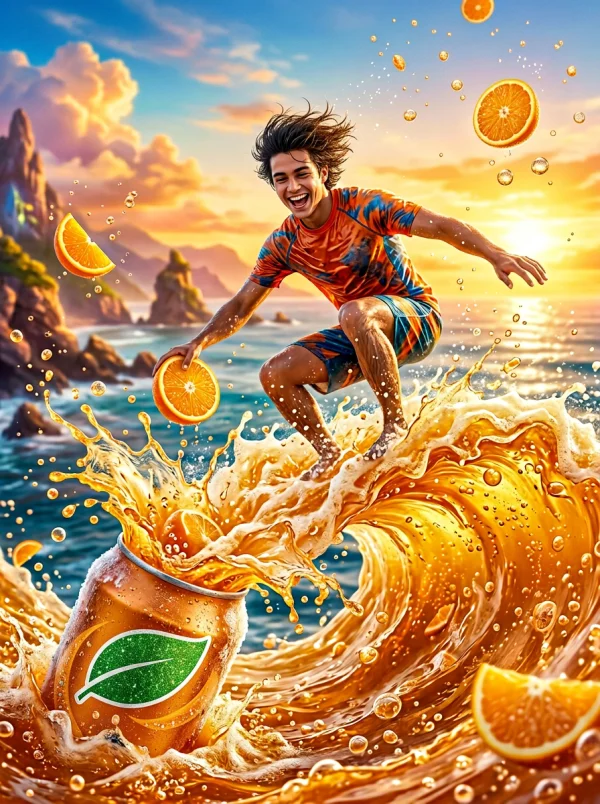
A single product shot transformed into a full lifestyle scene — note the consistent shadow direction and realistic surface reflections.
The image above demonstrates exactly the kind of output that’s making traditional product photography studios nervous. The surface reflections match the object’s material properties. The depth of field follows optical rules rather than the flat, pasted-on look you get from basic background replacement tools. This is the level of quality that used to require a full studio setup and an experienced retoucher.
Fashion and Apparel: AI-Powered Virtual Try-On Scenes
Fashion e-commerce has its own unique challenges. Fabric drape, color accuracy, and the way garments interact with light are notoriously difficult for AI to handle convincingly. Nano Banana 2 handles these better than any tool I’ve tested, though it’s not perfect (more on that in the Engineering Challenges section).
The key insight for fashion use: include material descriptions in your prompts. “Silk blouse” and “cotton t-shirt” produce meaningfully different lighting interactions in the output, because the model has learned that these materials reflect light differently. Similarly, specifying “matte” versus “glossy” for accessories can make or break the realism of a generated scene.
For apparel brands looking to create seasonal lookbooks without the overhead of traditional shoots, the combination of Nano Banana 2 for scene generation and WeShop’s AI Pose Generator for model positioning creates a remarkably efficient pipeline. You can generate an entire collection’s worth of lifestyle imagery in an afternoon.
Food and Beverage: Creating Appetizing Visual Content with AI
Food photography is arguably the hardest genre to fake convincingly. Humans have an almost preternatural ability to detect when food imagery looks “off” — we’ve been staring at food for our entire evolutionary history, after all. Nano Banana 2 handles this challenge by paying particular attention to surface textures and moisture rendering.
Practical tips for food and beverage:
- Shoot from the angle you want in the final output. While the model can handle some perspective shifts, food looks best when the original photography angle matches the intended scene.
- Describe the surface and props. “Rustic wooden table with morning light” gives the model enough context to generate convincing shadows and warm color grading that makes food look appetizing.
- Use the image enhancer for final polish. WeShop’s Image Enhancer can bring out texture details that make the difference between “good” and “mouth-watering.”
Real Estate and Interior Design: AI Scene Staging
Virtual staging has been a thing for years, but most existing tools produce results that look unmistakably computer-generated — furniture that floats slightly above the floor, lighting that doesn’t match the room’s windows, textures that are too perfect and uniform.
Nano Banana 2’s approach to spatial understanding makes it significantly better at this task. The model appears to infer room geometry from the input image and uses that understanding to place generated elements consistently within the 3D space. Shadows fall in the right direction. Reflections on hardwood floors actually correspond to the objects above them.
For real estate agents and interior designers, this means you can take an empty room photo and generate multiple furnished versions — different styles, different color palettes, different staging approaches — in minutes rather than hours.
The model’s spatial reasoning produces naturally integrated elements with consistent perspective and lighting.
Social Media Content: Rapid Visual Asset Creation
Content creators face a relentless demand for fresh visual assets. Instagram, TikTok, Pinterest — each platform has its own aspect ratios, aesthetic expectations, and content velocity requirements. Nano Banana 2’s speed makes it practical for daily content creation workflows where you might need 5-10 unique visual assets per day.
The most effective approach I’ve found for social media content is to batch-process a single product or subject through multiple scene variations. Upload once, then iterate through different prompts: “minimalist white studio,” “outdoor golden hour,” “neon cyberpunk aesthetic,” “cozy autumn flatlay.” Each variation takes seconds, and you end up with a week’s worth of visual content from a single upload session.
For background swaps that need precise control, WeShop’s AI Background Changer offers more granular options while maintaining the same quality level.
Technical Foresight: Where AI Image Generation Goes from Here
Nano Banana 2 represents the current state of the art, but it also points clearly toward where the field is heading. Several trends are converging that suggest the next 12-18 months will be even more transformative than the last two years.
Video Generation as the Natural Extension of Still Image Synthesis
If you can generate a photorealistic still image from a text prompt, generating a sequence of coherent frames — i.e., video — is the logical next step. The temporal consistency problem (making sure frame N+1 looks like a natural continuation of frame N) is being actively solved by multiple research groups, and the architectural innovations in models like Nano Banana 2 are directly applicable.
Expect to see “Nano Banana 2 for video” or equivalent capabilities within a year. The implications for advertising, product demos, and content creation are enormous.
Multi-Modal Understanding: From Text-to-Image to Intent-to-Image
Current models, including Nano Banana 2, are fundamentally text-to-image systems. You describe what you want; the model generates it. The next evolution is models that understand intent — you say “make this product look premium” and the model infers the specific visual changes (lighting, background, color grading) that communicate “premium” for that particular product category.
We’re already seeing early signs of this in how Nano Banana 2 handles certain prompt styles. Describing a mood or aesthetic rather than specific visual elements often produces surprisingly coherent results, suggesting the model has internalized some understanding of visual intent beyond literal description.
Real-Time Collaborative Generation
The inference speed improvements that make Nano Banana 2 practical for production use also open the door to real-time collaborative workflows. Imagine a design review meeting where the art director describes changes and the AI generates updated versions in real-time — no waiting for renders, no back-and-forth with a retoucher. This isn’t science fiction; it’s an engineering problem with visible solutions.
Engineering Challenges: What Nano Banana 2 Still Gets Wrong
No honest technical review skips the limitations. Here’s where Nano Banana 2 still struggles, and why these problems are genuinely hard.
Text Rendering in Generated Images Remains Unreliable
If your product has text on it — a label, a logo, printed copy — Nano Banana 2 will occasionally mangle it. This is a known weakness of diffusion models in general. The denoising process treats text characters as visual elements rather than semantic units, which means it can produce characters that look plausible at a glance but are actually garbled.
The workaround is straightforward: mask text-heavy areas of your product image and let the model generate the scene around them, preserving the original text. It adds a step to the workflow, but it’s reliable.
Extreme Perspective Shifts Strain Spatial Reasoning
While Nano Banana 2’s spatial understanding is impressive, it has limits. Asking the model to generate a scene that implies a dramatically different camera angle from the input image (e.g., uploading a top-down product shot and requesting an eye-level lifestyle scene) can produce geometric inconsistencies. The model is best when the generated scene’s implied camera position is compatible with the input image’s perspective.
Complex Multi-Object Compositions Can Lose Coherence
When you prompt for scenes with many distinct objects, the model occasionally struggles with object boundaries and spatial relationships. Two objects might merge slightly, or a requested background element might occlude part of the subject. This is a fundamental challenge of the single-pass generation approach — the model has to commit to a complete scene layout early in the denoising process and can’t easily “undo” spatial decisions later.
Consistency Across Multiple Generations Isn’t Guaranteed
If you generate multiple images with the same prompt, you’ll get variations. That’s by design (the random noise seed changes each time), but it means creating a series of visually consistent images — for a product catalog, say — requires some manual curation. Seed locking helps, but it’s not yet exposed as a user-facing control in the WeShop interface.
The Workflow: Integrating Nano Banana 2 into a Professional Content Pipeline
After months of testing, here’s the workflow I recommend for anyone integrating Nano Banana 2 into a professional content creation pipeline:
- Asset Preparation: Shoot raw product images with consistent, even lighting. White or neutral backgrounds. Multiple angles if possible.
- Scene Generation: Use Nano Banana 2 with detailed, specific prompts. Generate 3-5 variations per scene concept.
- Quality Review: Check for the known failure modes — text distortion, edge artifacts, lighting inconsistencies. Reject and regenerate as needed.
- Enhancement: Run final selects through the Image Enhancer for resolution upscaling and detail sharpening.
- Platform Adaptation: Crop and resize for target platforms. Nano Banana 2’s high-resolution output gives you plenty of room to crop without quality loss.
This pipeline reduces a typical product photography workflow from days to hours, and from thousands of dollars to single-digit costs per image. The quality gap between AI-generated and traditionally photographed product imagery is narrowing with every model iteration, and Nano Banana 2 represents the point where the gap is no longer visible to most consumers.
Expert FAQ: Common Questions About Nano Banana 2 AI Image Generation
What image resolution does Nano Banana 2 support for AI-generated product photos?
Nano Banana 2 generates images at up to 1024×1024 native resolution, with higher resolutions available through the integrated upscaling pipeline. For e-commerce use, the native resolution is sufficient for most platform requirements (Amazon, Shopify, etc.), and the upscaled outputs can handle print-quality demands. The key is to start with a high-quality input image — the model can enhance, but it can’t invent detail that isn’t implied by the source.
How does Nano Banana 2 compare to Midjourney and DALL-E for product image generation?
Midjourney and DALL-E are general-purpose image generators optimized for creative expression. Nano Banana 2, accessed through WeShop, is specifically optimized for product and commercial imagery. The difference is meaningful: Nano Banana 2 excels at preserving subject fidelity (your product still looks like your product), maintaining physically accurate lighting, and generating commercially viable scenes. For creative art, Midjourney is still excellent. For product content, Nano Banana 2 is the better choice.
Can Nano Banana 2 maintain brand consistency across multiple AI-generated images?
With careful prompt engineering, yes. The key is developing a “prompt template” for your brand — a consistent set of descriptors for lighting, color palette, scene style, and mood that you reuse across all generations. Some variation between outputs is inherent (and often desirable for natural-looking content), but the core aesthetic can be reliably maintained. Saving and reusing effective prompts is essential for brand consistency.
What file formats and input requirements does Nano Banana 2 accept?
The tool accepts standard image formats (JPEG, PNG, WebP) with a recommended minimum resolution of 512px on the shortest side. Higher input resolution generally produces better results because the model has more detail to work with when reconstructing the scene. Transparent PNG backgrounds are supported and can actually improve subject isolation, leading to cleaner scene generation around the product.
Is Nano Banana 2 suitable for high-volume e-commerce content creation?
Absolutely — this is arguably its strongest use case. The combination of fast inference speed, consistent quality, and commercial-grade output makes it practical for stores managing hundreds or thousands of SKUs. The cost per image is a fraction of traditional photography, and the turnaround time collapses from days to minutes. For seasonal catalog updates, new product launches, or A/B testing different visual styles, Nano Banana 2 removes the bottleneck that visual content creation has traditionally been.
Final Thoughts: The Quiet Revolution in Visual Content
I started testing Nano Banana 2 because a friend asked me to help cut his e-commerce photography costs. I kept testing it because I was genuinely impressed by the engineering. This isn’t a toy or a gimmick — it’s a production-grade tool that solves a real and expensive problem.
The AI image generation space moves fast, and today’s state of the art becomes tomorrow’s baseline. But Nano Banana 2 represents a genuine inflection point: the moment when AI-generated commercial imagery became good enough that the average consumer can’t tell the difference. For businesses, that’s not just a technological milestone — it’s an economic one.
The companies that figure out how to integrate these tools into their content pipelines now will have a significant advantage over those that wait. The quality is here. The speed is here. The cost savings are real. The only remaining question is whether you’ll adopt it or compete against those who do.
© 2026 WeShop AI — Powered by intelligence, designed for creators.