I have seen a lot of AI image tools that can produce something impressive on the first try.
What I have seen much less often is a tool that feels like it actually understands what the job is.
That is why Seedream 5.0 caught my attention. Officially, it is presented as Seedream 5.0 Lite, a unified multimodal image generation model with deep thinking and online search capabilities. The official release also emphasizes that it is not just a “paintbrush,” but a model that first understands the input and then uses logic to draw, with multi-step reasoning and better alignment with physical laws.
But the reason that matters is not technical pride. It is friction.
Most people do not care whether a model sounds advanced. They care whether it helps them finish something without fighting it for an hour.
That is where this model starts to feel interesting.

The real problem is not generating images
The real problem is generating images that are actually usable.
Anyone who has worked with AI image tools knows the pattern. The output can be beautiful, but the details are wrong. The text looks broken. The composition is almost right. The mood is close, but not quite. You can feel the model trying, but you can also feel yourself preparing to fix it.
That is the part people usually leave out when they talk about AI image generation. They show the final image, not the ten minutes before it. The searching, the retrying, the disappointment, the silent negotiation with a tool that is talented but not yet dependable.
Seedream 5.0 matters because it seems designed around that exact frustration. According to the official release, its main upgrade is not simply resolution or speed, but deeper thinking across reading, seeing, drawing, and writing. It also adds real-time retrieval, so it can respond to time-sensitive creative needs with fresher information.
That sounds technical, but the experience behind it is simple:
You want fewer wrong answers.
You want fewer half-right images.
You want a system that can stay closer to intent.

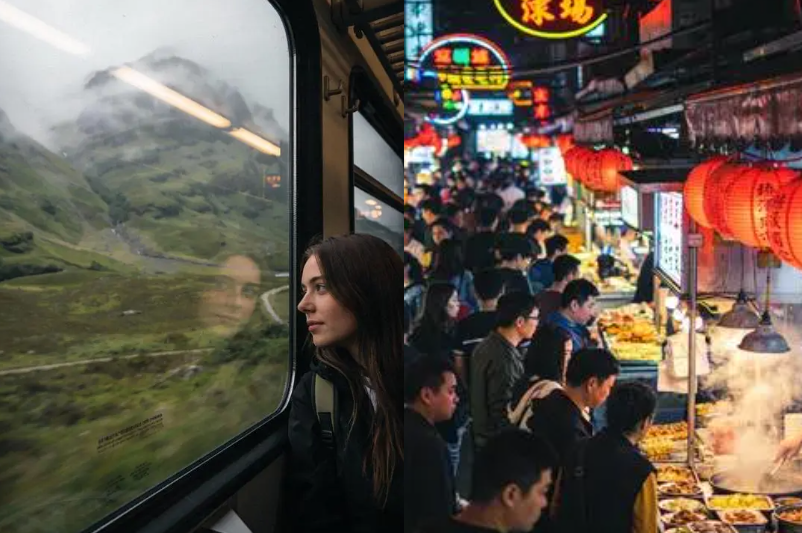

What makes it feel different is interpretation
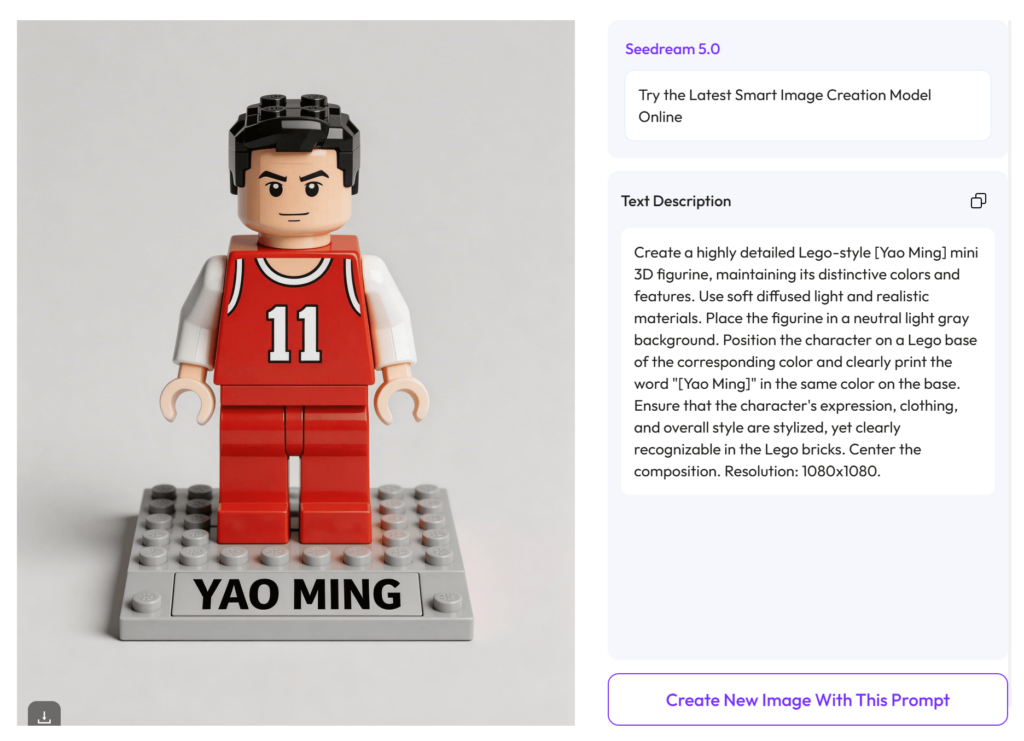
The official description says Seedream 5.0 Lite understands the input before it draws, and that it can handle visual reasoning tasks that traditional image generation models struggle with. It also says the model can better understand vague instructions, preserve consistency, and generate output that matches user intent more closely.
That is the part I find most compelling.
Not the fact that it can generate.
The fact that it can interpret.
Because there is a huge difference between a model that obeys a prompt and a model that understands what you probably meant.
One feels like typing commands into a machine.
The other feels a little closer to collaboration.
And that is a subtle but important shift. It changes the emotional experience of using the tool. You stop feeling like you are wrestling with randomness. You start feeling like the system is tracking your direction with a little more intelligence than before.
That does not mean it is perfect. It does not mean it will always get it right. But it does mean the process may feel less exhausting.
And honestly, that alone is a meaningful upgrade.
Why text, editing, and consistency matter more than people admit
A lot of AI image blog posts obsess over creativity, style, and visual imagination. Those things matter, but they are not what breaks a workflow.
What breaks the workflow is usually the boring stuff.
Text that cannot be read.
An edit that ruins the rest of the image.
A face that shifts too much between versions.
A background that changes when only the foreground was supposed to move.
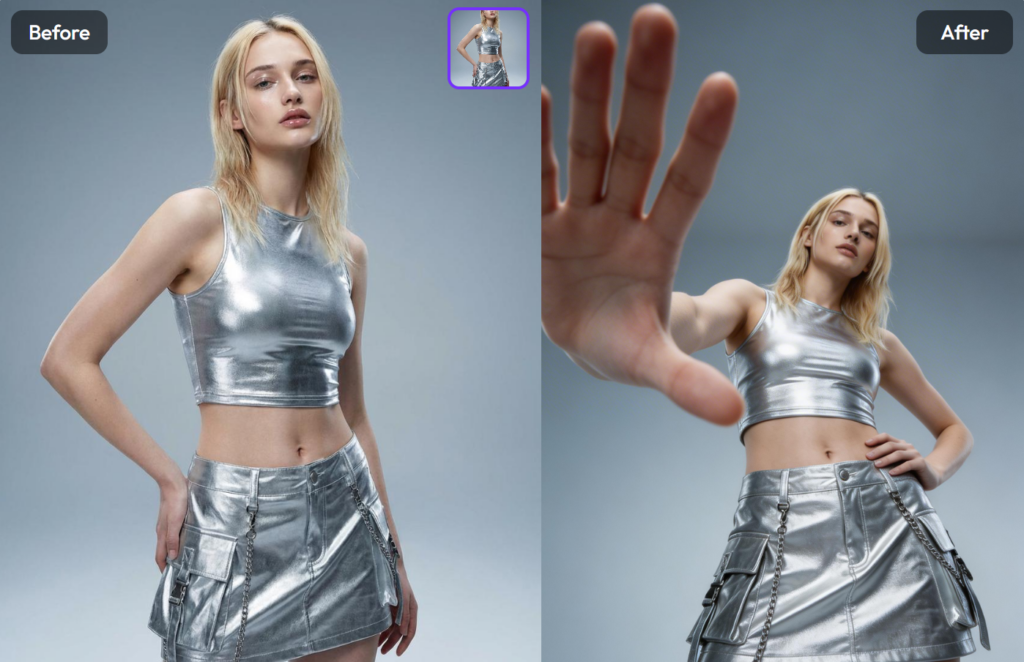
The official Seedream 5.0 Lite release highlights stronger editing controllability, improved image-text alignment, better consistency, and more reliable handling of complex instructions and multiple subjects. It also emphasizes stronger information visualization, office and learning use cases, and improved generation for time-sensitive content through real-time search.
That is exactly why it feels more practical than flashy.
If the tool helps you keep the headline intact, preserve the reference image more reliably, or make edits without destroying the rest of the composition, it is not just “better AI.” It is less annoying. And in real creative work, less annoying can be a very big deal.
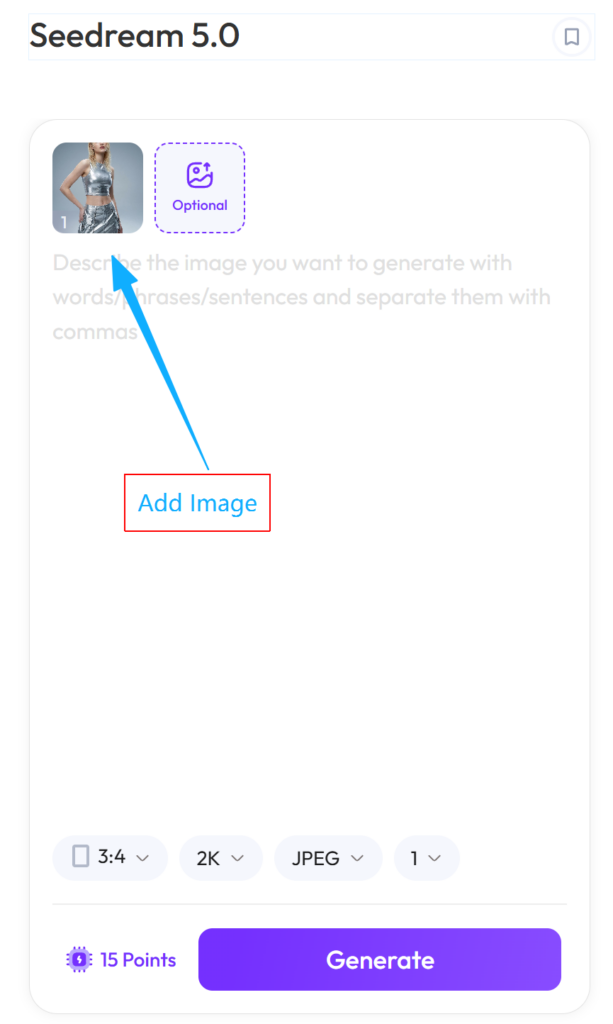
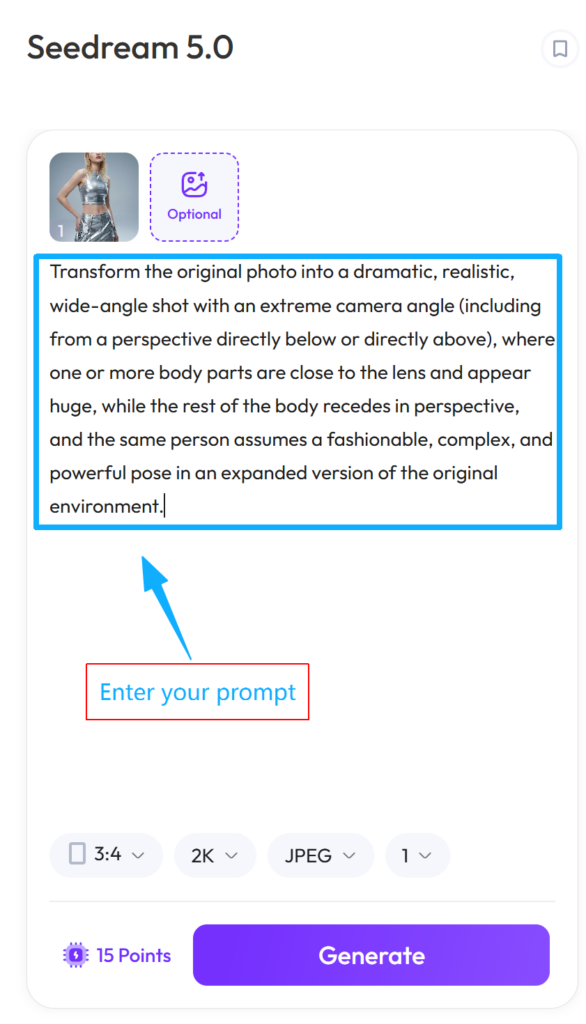
The most interesting use case is not art — it is work
I think the biggest mistake would be to write Seedream 5.0 as if its only audience is people chasing pretty images.
That is too small.
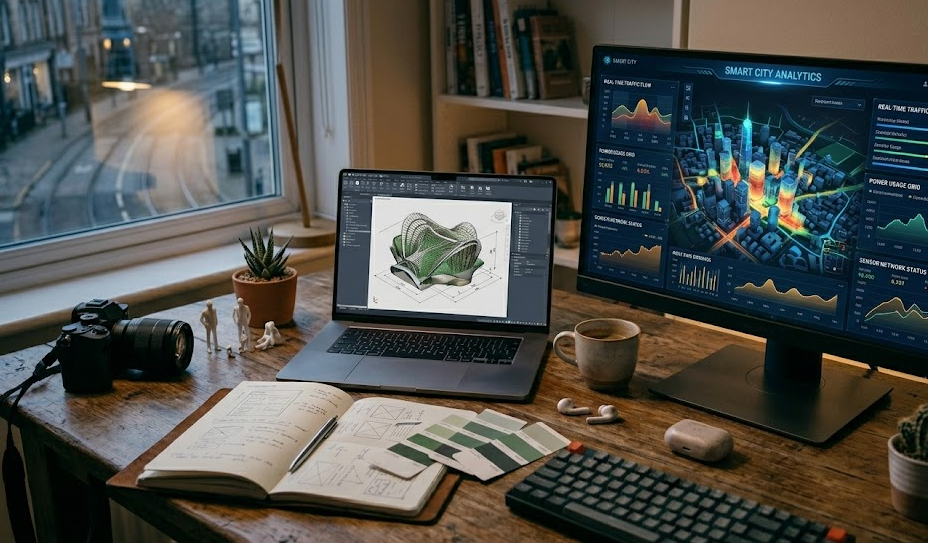
What makes this model interesting is that it seems much more useful in real workflows: brand visuals, presentation graphics, educational images, campaign concepts, and content that needs to look polished but also stay accurate. The official blog explicitly points to office, education, research, and time-sensitive visual generation as important scenarios.
That is where the model becomes more than a creative toy.
It starts becoming a tool for people who need visual output that can survive a real project.
That includes creators, marketers, designers, social teams, and anyone who has ever had to turn an idea into something others can immediately understand.
And maybe that is the real appeal here. Not that the model can make something beautiful, but that it can help make something finished.
There is a difference.
A beautiful draft is nice.
A usable image is what actually moves the work forward.

The bigger shift is psychological
This is the part I think most product coverage misses.
When a model gets better at understanding intent, preserving consistency, and producing usable text and visuals, the change is not only technical. It is psychological.
You trust it more.
You retry less.
You second-guess yourself less.
You waste less energy explaining the same thing in five different ways.
That matters because creative work is not only about making things. It is also about enduring the process of making them. A tool that reduces friction changes the emotional temperature of the whole workflow.
The official release language points in this direction too: Seedream 5.0 Lite is described as shifting from simply executing instructions to understanding intent, with the goal of making image generation more useful in production-like settings.
That is a bigger story than “look what the model can do.”
It is a story about how people feel while using it.
So what is Seedream 5.0 really promising?
Not magic.
Not perfection.
Not the end of creative work.
What it seems to promise is something more realistic and, in some ways, more valuable:
Less friction.
Less fixing.
Less time spent forcing a model to catch up to a human intention.
And maybe that is why it stands out.
Because the best AI tools do not always dazzle you first. Sometimes they simply get out of the way faster. They understand enough to be useful, and they stay steady enough to keep a workflow moving.
That is what makes Seedream 5.0 feel different.
Not because it is trying to replace creativity.
But because it is trying to keep creativity from getting stuck.
Closing thought
The most interesting thing about Seedream 5.0 is not that it can generate images.
It is that it seems built to understand what people actually need from image generation now: accuracy, consistency, flexibility, and less wasted effort.
That is a much quieter promise than hype.
But it is also a much more believable one.
And in a space crowded with tools that try very hard to impress, a model that simply helps people finish the work may be the more persuasive story.
Go to WeShop AI For Exploration: