People usually judge AI tools by the same standard. They want precision. They want repeatability. They want full control. That mindset works well for traditional design software, but it creates confusion when users meet Grok Image and Video Generator.
Grok does not try to act like a production machine. It works more like a generative thinking tool. That difference shapes everything else. It also explains why so many users walk away asking what it cannot do.
The answer is not simple. Grok does many things well. Still, it avoids the exact kind of control that some users expect. That is not an accident. It is part of its design.


Precision Is Not Its Main Promise
Midjourney users often expect prompt refinement to lead toward a stable look. That expectation makes sense. Midjourney often rewards careful iteration with stronger visual consistency.
Why Grok Chooses Variation Over Consistency
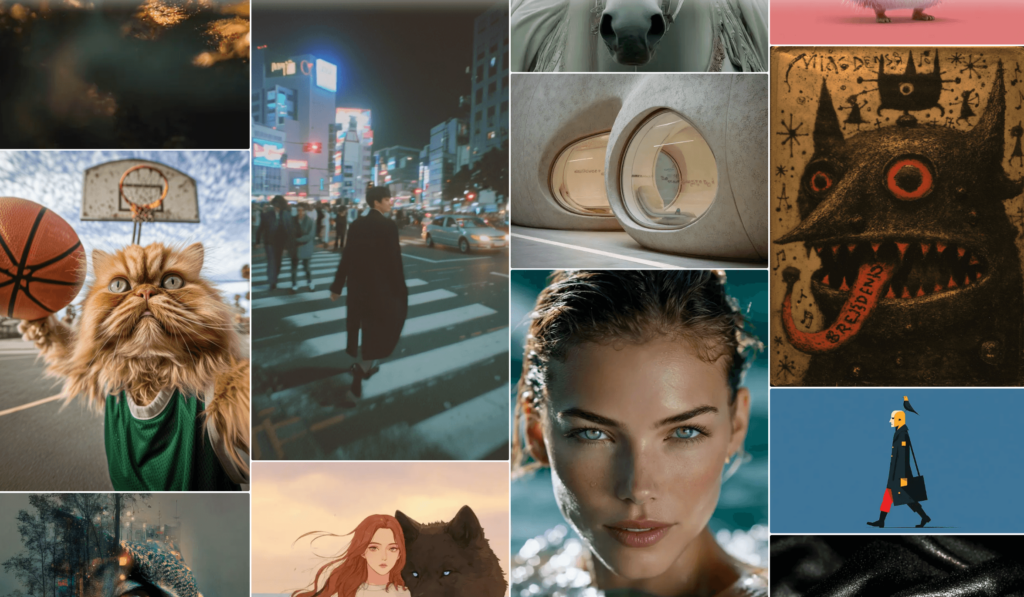
Grok works differently. It tends to interpret the same idea in fresh ways. A user may ask for a cinematic cyberpunk street scene. The system may return related results, but it will not always lock the lighting, framing, or style in the same way a user might expect.
That can feel frustrating at first. It can also feel inconsistent. In reality, Grok is not failing at precision. It is choosing variation over repetition.
For brand work, that matters a lot. A team that needs the same visual language across ten assets may prefer a tool with tighter control. Grok gives them ideas faster, but it does not always give them the exact same idea twice.
Control Breaks Down Faster Than Users Expect
Traditional creative workflows rely on control. Designers place objects exactly where they want them. Editors lock timing. Art teams build systems that stay consistent from one output to the next.
Grok does not follow that logic very closely. Instead of obeying every visual constraint, it introduces new interpretations. That works well when a user wants exploration. It works less well when a user wants a fixed result.
This becomes obvious in repeated generations. A creator may try to hold one composition steady while changing only one detail. Grok may still shift the overall balance. It may change the mood. It may adjust the scene in ways the prompt did not ask for.
That is why some users feel like the tool “moves around” too much. They are not wrong. Grok gives more room to generative freedom than to manual control.
Video Demands More Structure Than Grok Always Gives
Runway sits in a different part of the workflow. It focuses heavily on motion, continuity, and scene logic. Users often turn to it when they need video that feels structured and deliberate.
Why Grok Prioritizes Concept Over Continuity
Grok Video does not always hold that structure in the same way. A user may try to create a short sequence with clear cause and effect. The system may preserve the theme, but it may loosen the timeline. A character might shift slightly between shots. A room may change shape. The visual flow may feel coherent, yet not fully locked.
That is a major distinction. Runway often serves users who want more control over motion. Grok serves users who want more room for variation during the early idea stage.
This does not make one tool better than the other. It makes them useful for different jobs. Grok helps you explore. Runway helps you shape motion more tightly.
Real Workflows Reveal the Real Friction
The Typical Multi-Tool Workflow (Grok → Midjourney → Runway)
The biggest problems show up when users combine tools in one workflow.
A common path looks like this. A creator starts in Grok to explore visual directions quickly. Then they move to Midjourney to stabilize the strongest concept. After that, they use Runway or another editor to shape motion or finalize the asset.
Where the Pipeline Breaks in Practice
On paper, that pipeline sounds efficient. In practice, it can create friction.
Grok may give the project fresh ideas, but those ideas can be too fluid to refine directly. Midjourney may then make the look more stable, but it can also remove some of the exploratory energy that made the first version exciting. By the time the workflow reaches video production, the original spark may feel diluted.
That conflict tells us something important. These tools do not fail in the same way. They solve different problems. When users mix them without a clear goal, the handoff between stages becomes messy.
The Main Misunderstanding Is About Role
Many complaints about Grok come from one mistaken assumption. People assume it should behave like a production tool.
It should not.
Midjourney helps users build visual identity. Runway helps users build motion. Grok helps users discover concepts before either of those stages becomes useful.
That role matters. It explains why Grok can feel powerful and incomplete at the same time. It also explains why the tool seems less attractive to users who want final assets right away.
Grok does not try to finish the job. It tries to open the job up.
So What Can It Not Do?
- It cannot guarantee exact visual repetition across every generation.
- It cannot always keep strict layout control.
- It cannot reliably behave like a production pipeline tool.
- It cannot fully replace editors that depend on deterministic output.
Those are not random flaws. They define the boundary of the tool. Once you understand that boundary, the product makes much more sense.
The Better Way to Use Grok
Grok works best at the beginning of a creative process. Use it when you need ideas. Use it when you need fast variation. Use it when you want a concept to surprise you before you lock it down.
That is where it shines.
A designer can use Grok to break a creative block. A marketer can use it to test visual angles. A creator can use it to find a direction before moving into more controlled tools.
When you ask Grok to act like a final renderer, disappointment follows. When you ask it to act like a concept engine, the results make much more sense.
Final Thought
Grok Image and Video Generator does not lose against Midjourney or Runway. It simply plays a different role.
Midjourney sharpens visual identity. Runway shapes motion. Grok expands the creative space before either of those tasks begins.
That difference explains what it cannot do. It also explains why the tool matters.
Its limits are real. They are also the reason it remains useful.