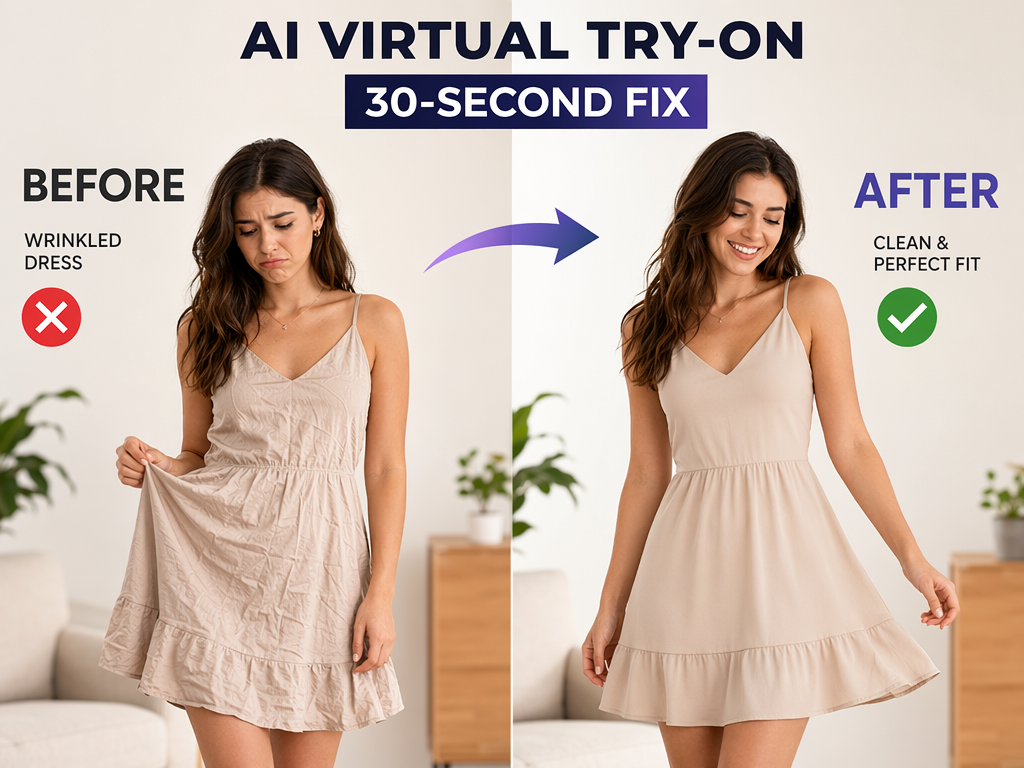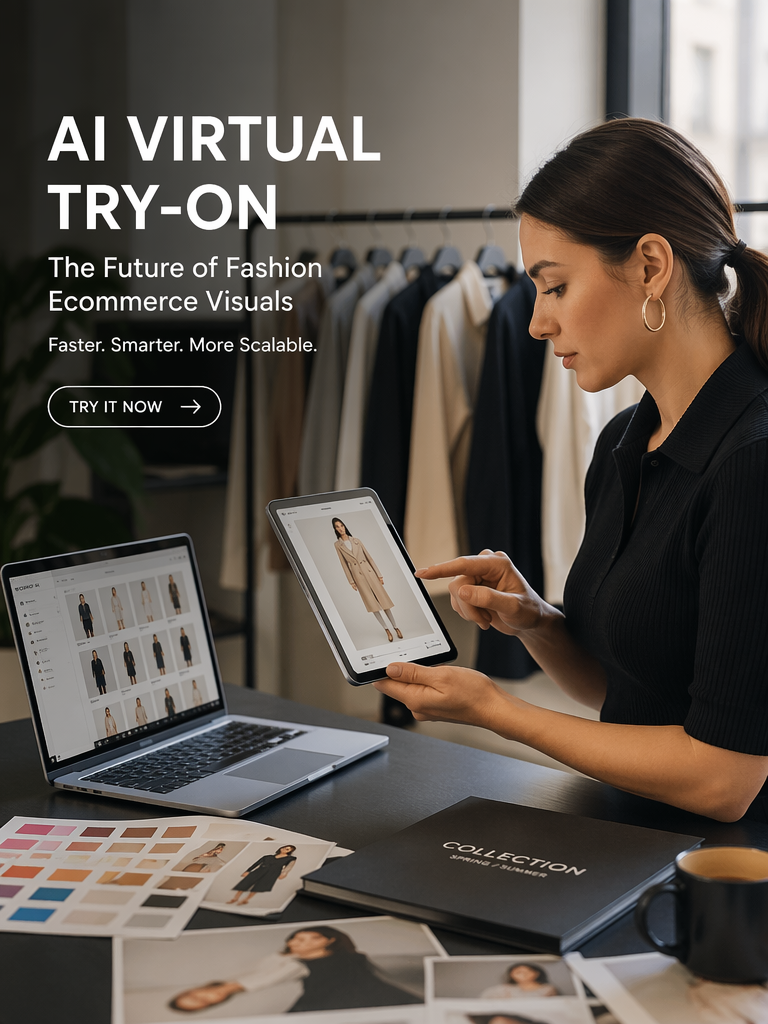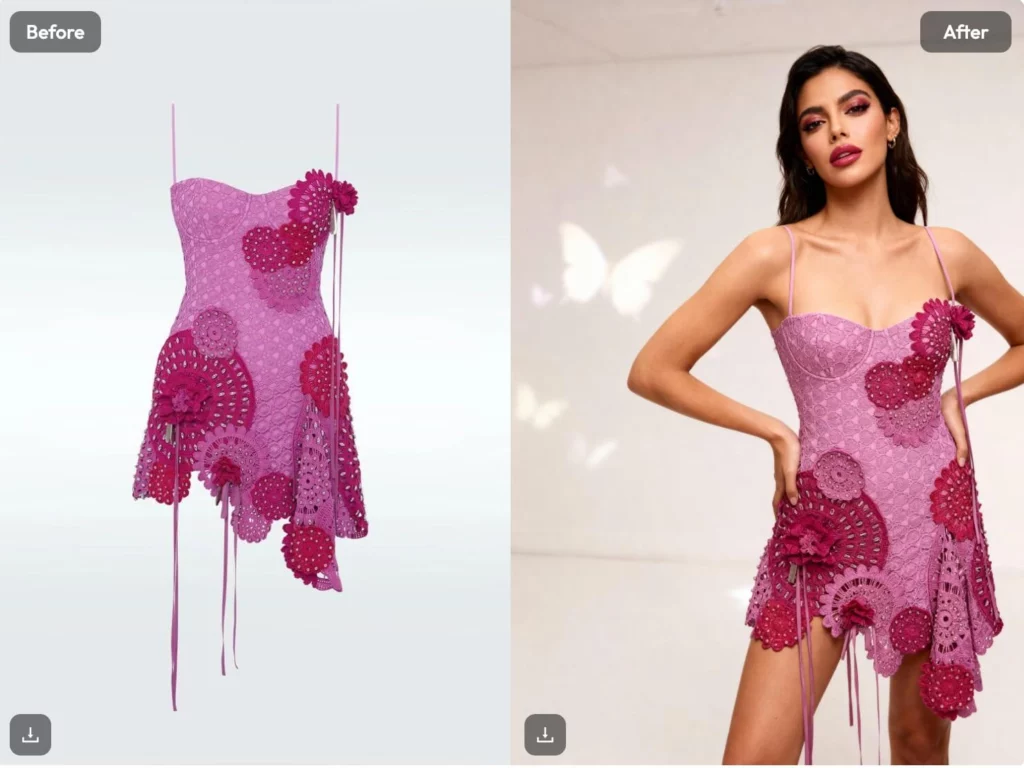
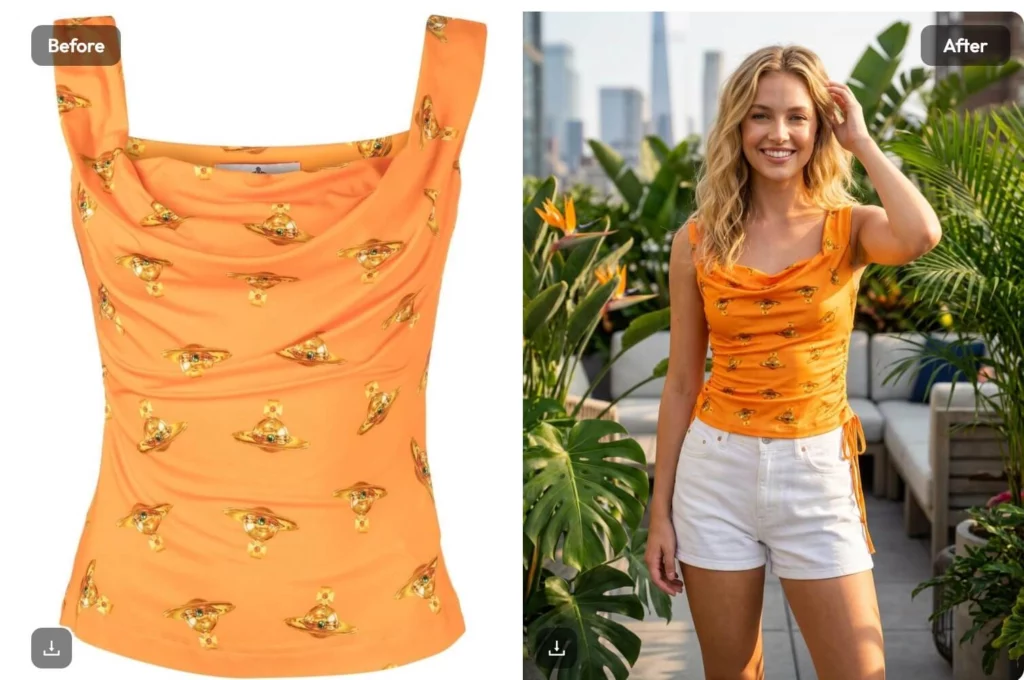
I see it happen all the time. A brand owner launches a great product. They spend thousands on a professional photoshoot. But when the ads go live, the clicks just aren’t there. Usually, the product isn’t the problem. The “vibe” of the photo is likely the culprit. In the past, fixing this meant a costly re-shoot. Now, Virtual Try-on technology changes the game. It allows you to treat your brand imagery like software. You can iterate, test, and pivot in real-time. This guide will show you how to find your next bestseller using data-driven visuals.
Stop Guessing and Start Testing
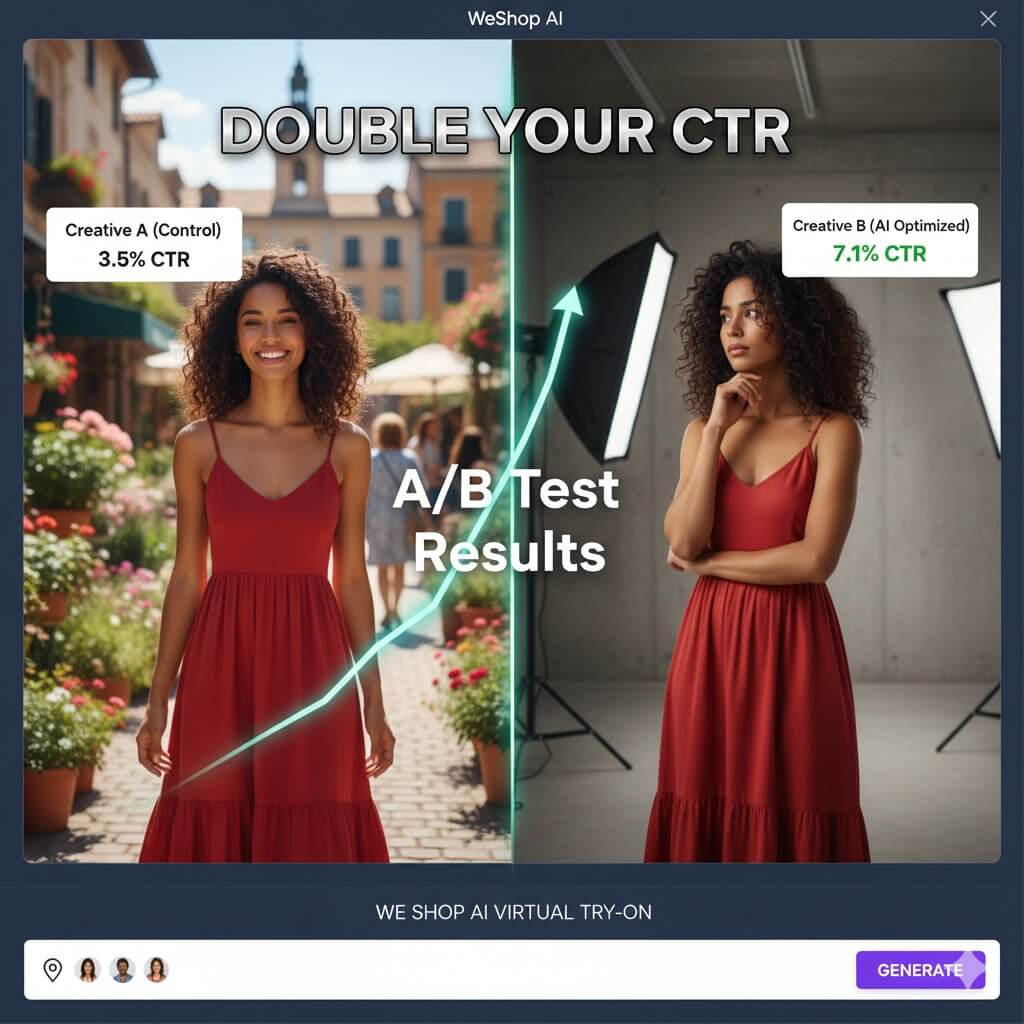
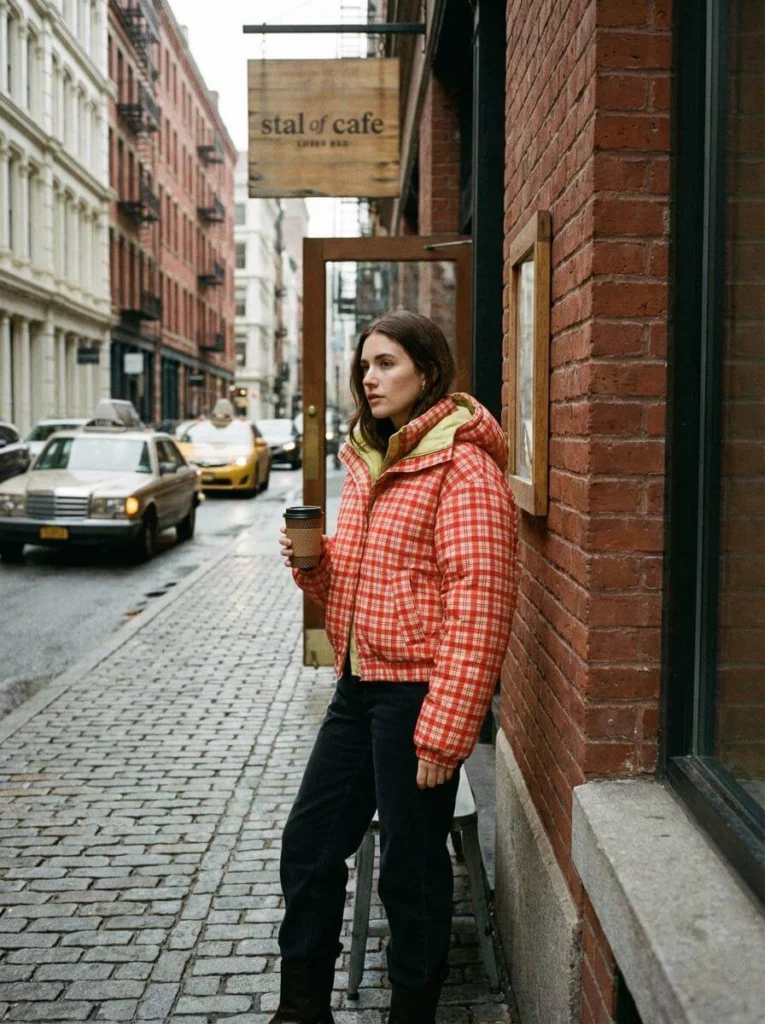
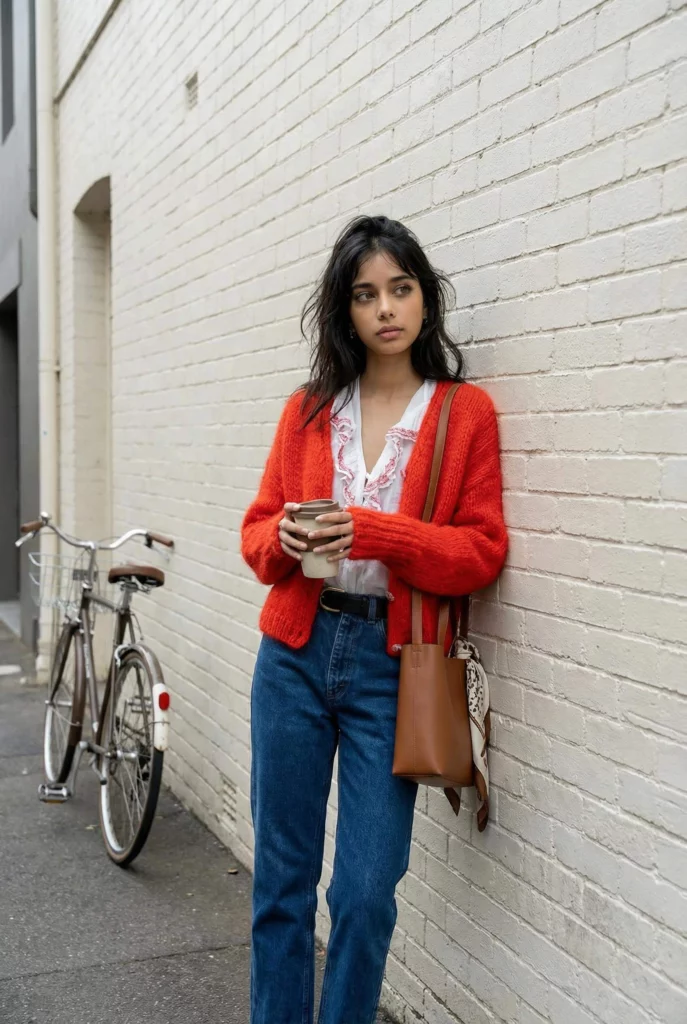
Most fashion photography is based on a hunch. A creative director picks a model and a beach. They hope it resonates with customers. This is expensive guesswork. With a Virtual Try-on workflow, you don’t have to guess. You can generate five different versions of the same dress. Put it on different models. Place it in different settings. Then, let the data tell you which one converts. This is the core of “Micro-Testing.” It saves you from wasting your ad budget on the wrong image.
Testing Your Model-Product Fit via Virtual Try-on
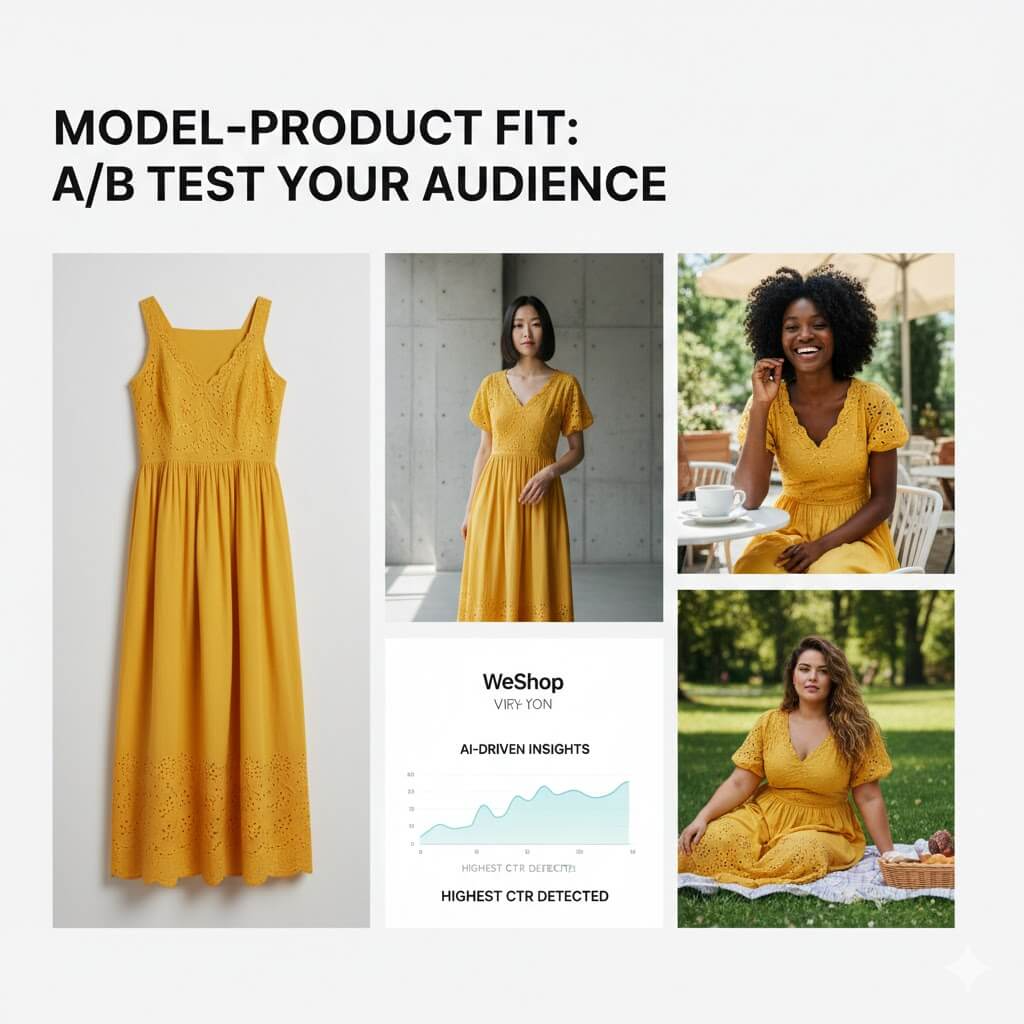
Every customer segment responds to different faces. A Gen Z shopper looks for something specific. A luxury buyer wants a different feel. You can use the Virtual Try-on model library to test this.
- Segment A: Test a relatable, “girl-next-door” model.
- Segment B: Test a high-fashion, editorial model.
- Segment C: Test diverse ethnicities for global markets. Run these images side-by-side in your Facebook ads. You will quickly see which model brings the lowest cost-per-click.
Why Location Testing Matters
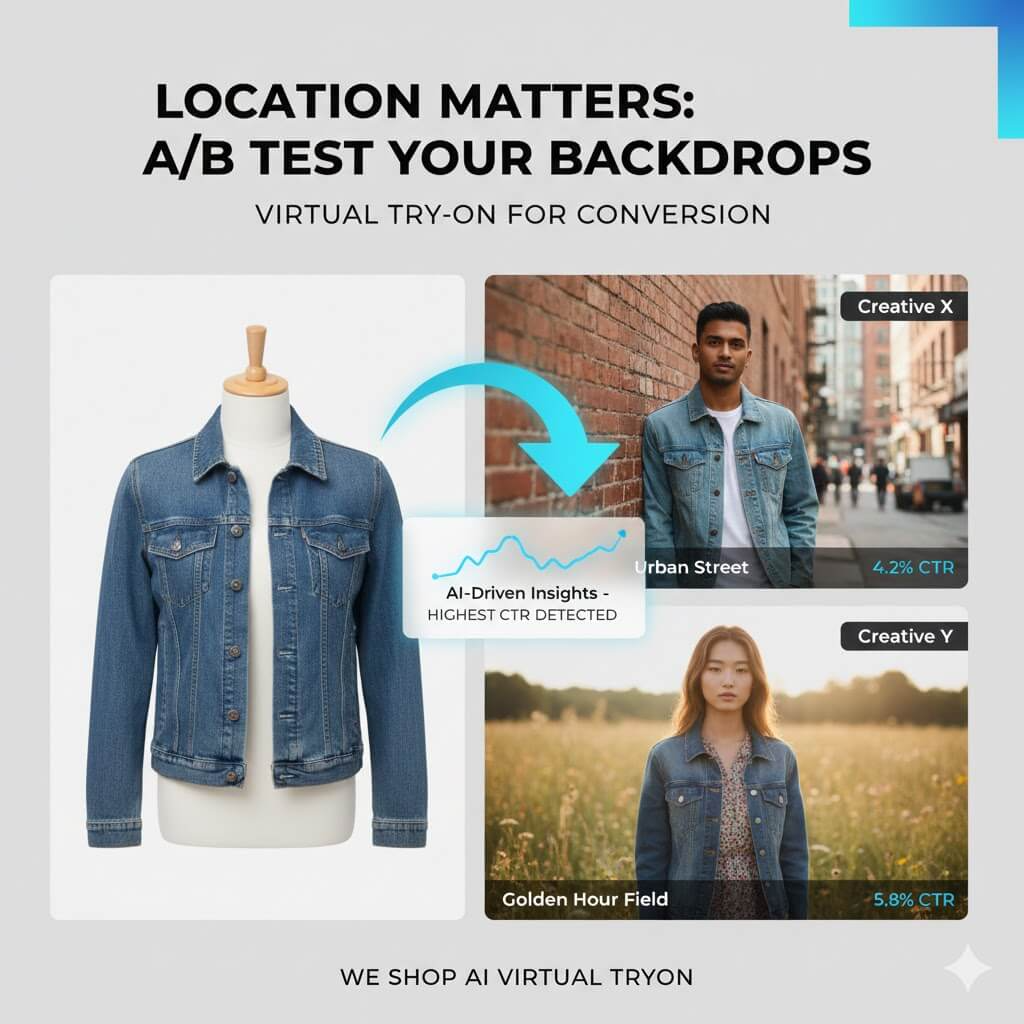
The background of your photo tells a story. Does your summer dress sell better on a city street? Or does it thrive on a sunny balcony? The Virtual Try-on “Location” feature lets you test both. You don’t need a travel budget. Just type your vision into the AI prompt box.
- Urban Backgrounds: Good for fast-fashion and streetwear.
- Nature Scenes: Perfect for organic or boho brands.
- Minimalist Studios: Best for high-end, clean aesthetics. Changing the background can drastically change the perceived value of your product.
Using Virtual Try-on to Increase Your Ad CTR
Click-through rate (CTR) is the lifeblood of e-commerce. Plain white background photos are safe. However, they rarely go viral. Use Virtual Try-on to create “scroll-stopping” lifestyle shots. These images feel more organic in a social media feed. They look like a real person living a real life. This authenticity builds trust. Higher trust leads to more clicks. More clicks lead to more data for your store.
The Technical Edge of WeShop AI Virtual Try-on
Quality matters when you are testing. If an AI image looks “fake,” your test is ruined. WeShop AI uses the Nano Banana Pro engine. It handles fabric textures with high precision. It understands how sunlight should hit a silk shirt. You can output these images in 2K resolution. This ensures your ads look professional on every device. Your customers won’t know it’s AI. They will only see a beautiful, high-quality product shot.
Optimizing Product Pages with Virtual Try-on Variety
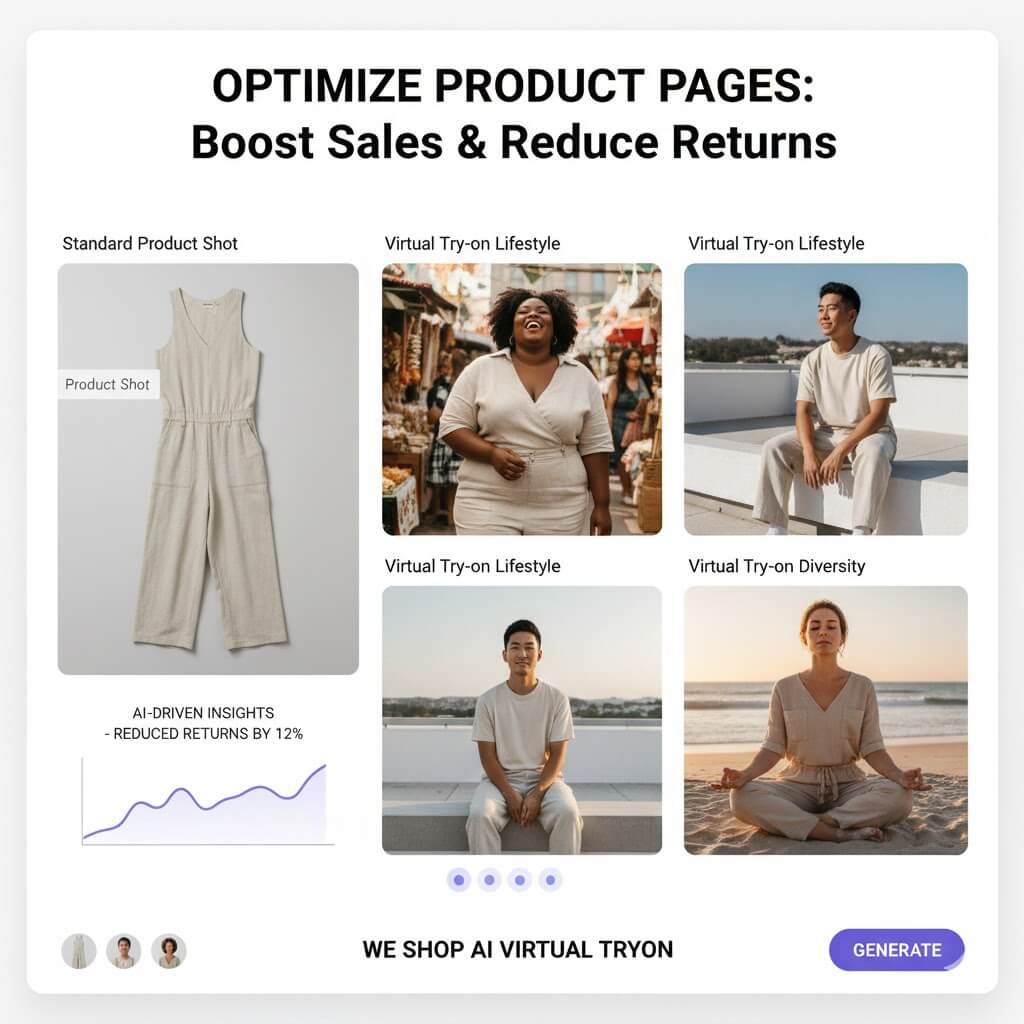
A/B testing isn’t just for ads. You should also test your product detail pages (PDP). Use Virtual Try-on to show the garment on different body types. This helps reduce “size anxiety” for the buyer. When a customer sees someone who looks like them, they buy.
- Standard Shots: Keep the clean product view.
- Lifestyle Shots: Add the AI-generated context shots.
- Diversity Shots: Show the item on various models. This variety keeps the customer engaged longer on your site.
Scaling Content Without Scaling Costs via Virtual Try-on
Producing 50 unique ad creatives used to take weeks. Now, it takes an afternoon. The Virtual Try-on task sidebar lets you batch-process images. While the AI generates one look, you can set up the next. This speed is a massive competitive advantage. You can react to trends as they happen. If an aesthetic goes viral on TikTok, you can match it instantly. You no longer need to wait for a photographer’s schedule.
Reducing Returns Through Better Virtual Try-on Visuals
Returns destroy your profit margins. Most returns happen because the item “looked different” online. Virtual Try-on provides a more realistic view than a flat-lay. It shows how the fabric drapes. It shows where the hemline falls on a human body. By providing better visual context, you set better expectations. Accurate expectations lead to happy customers. Happy customers don’t send clothes back.
How to Set Up Your First Virtual Try-on A/B Test
Start with your best-selling item. Upload a clear “Original” photo to WeShop AI.
- Version 1: Choose a Caucasian model in a city setting.
- Version 2: Choose a Latina model in a garden setting.
- Version 3: Choose an Asian model in a minimalist studio. Run these as a “Dynamic Creative” ad. Within 48 hours, you will see a winner. This data is gold for your next collection.
Conclusion
Fashion is no longer just about art. It is about the science of conversion. Tools like Virtual Try-on bridge the gap between creativity and data. You can now test every variable of your visual brand. This leads to smarter spending and higher profits. Stop letting your photoshoot budget be a gamble. Use AI to find what your customers truly love. The road to your next bestseller starts with a single “Generate” click.