When ecommerce teams look for AI tools to create product images, two names often appear in the conversation: WeShop AI and Adobe Firefly. Both platforms offer AI-powered image generation. Both support text prompts. And both promise faster visual creation.
However, once brands move from experimentation to real ecommerce workflows, the gap between these tools becomes obvious.
So instead of asking which tool generates prettier images, a better question emerges: which tool actually works for product images at scale?
Product Images Are Not Just “Images”
Before comparing tools, it’s important to define the problem.
Product images are not creative art. They are commercial assets. They need to sell, explain, and stay consistent across dozens—or even thousands—of SKUs.
That means product images must:
- Represent materials accurately
- Follow consistent lighting and framing
- Match brand standards across collections
- Work directly on product pages, ads, and catalogs
Because of these requirements, many general AI image generators struggle in ecommerce environments.
Adobe Firefly: Strengths and Limitations for Product Images
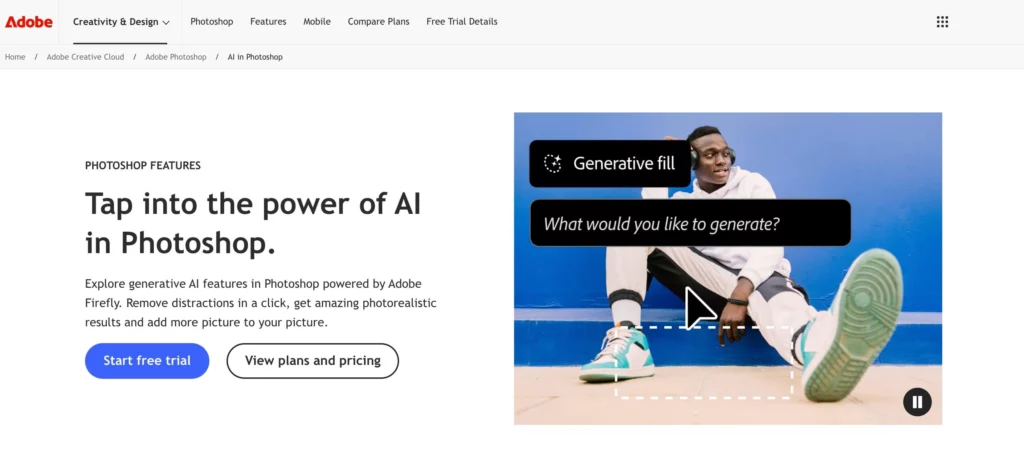
Adobe Firefly was built with a clear goal: safe, brand-friendly AI creativity.
It integrates tightly with Photoshop and the Adobe ecosystem. Because of that, designers often use Firefly to explore ideas, generate backgrounds, or assist with creative assets.
For product images, Firefly offers several advantages:
- Clean, visually appealing outputs
- Commercial safety aligned with Adobe’s licensing model
- Smooth integration with existing design workflows
However, Firefly still behaves like a design assistant, not a production engine.
In practice, ecommerce teams usually need to:
- Export Firefly images into Photoshop
- Adjust proportions and details manually
- Fix lighting inconsistencies
- Standardize outputs across products
As a result, Firefly works best when designers remain heavily involved throughout the process.
Why Firefly Struggles with Scale
At small volumes, Firefly performs well.
But as product catalogs grow, challenges appear.
Each new product requires:
- Prompt tuning
- Manual adjustments
- Design review
- Export and optimization
Over time, these steps slow teams down. They also increase costs. For brands that launch products frequently, this workflow becomes difficult to maintain.
Firefly excels at creativity. However, it doesn’t optimize for repeatable product image production.
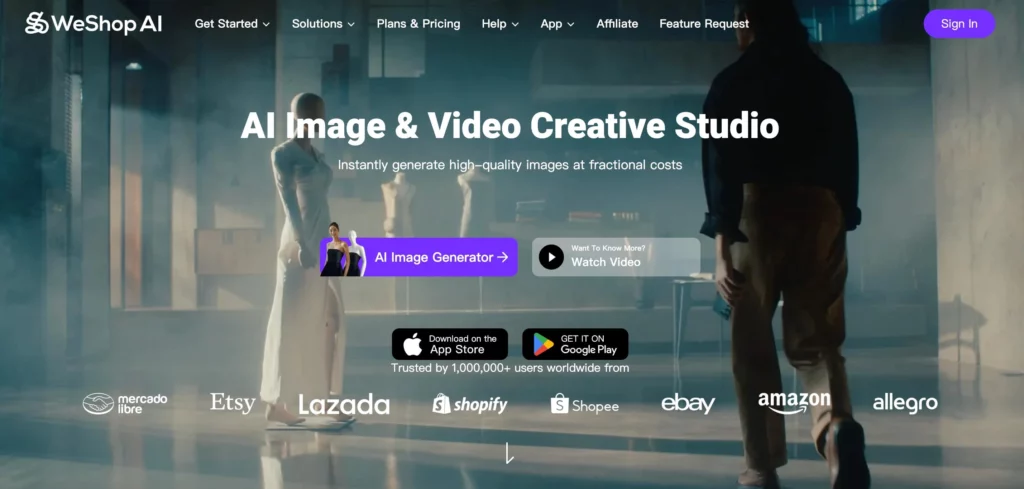
WeShop AI: Built Specifically for Ecommerce Product Images
WeShop AI approaches the problem from a different angle.
Instead of supporting creativity first, it supports commerce-first image creation. From the beginning, WeShop AI treats product images as structured outputs rather than artistic experiments.
This changes how the AI interprets prompts.
When teams use WeShop AI, the system considers:
- Product type and category
- Material and texture
- Lighting consistency
- Background relevance
- Presentation for ecommerce use
As a result, the generated images feel controlled, realistic, and ready to use.
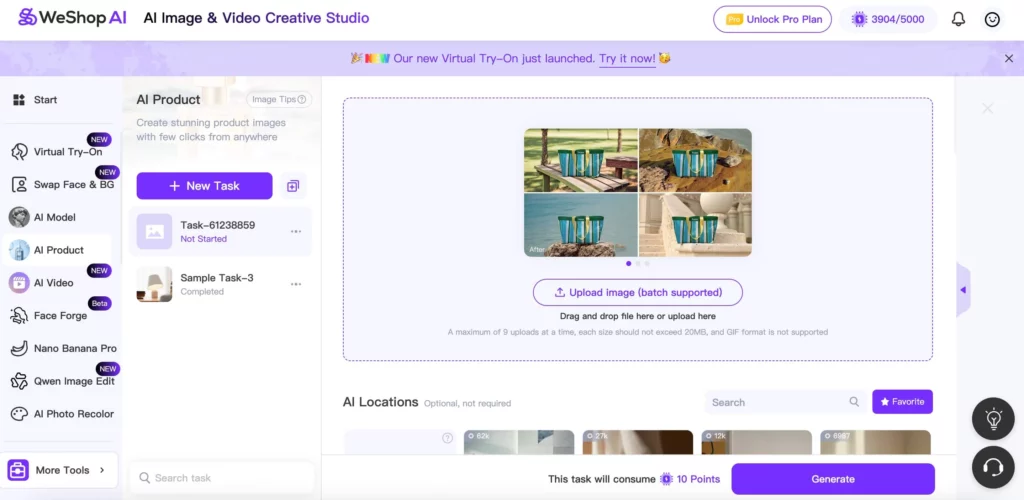
From Prompt to Product Page, Faster
One major difference between WeShop AI and Adobe Firefly is workflow speed.
With Firefly, teams often move between tools. They generate images, refine them, and then prepare them for ecommerce platforms.
With WeShop AI, teams shorten the process. They generate images that already align with ecommerce standards. That means fewer revisions and less manual cleanup.
As a result, images move faster from idea to product page.
Consistency Across Collections
Consistency plays a huge role in ecommerce.
Shoppers trust brands that present products clearly and uniformly. Inconsistent lighting or angles reduce perceived quality.
Adobe Firefly can create consistent visuals, but only with manual effort. Designers must carefully control prompts and editing steps.
WeShop AI prioritizes consistency by default. Once teams define a style, they can reuse it across products. This allows brands to scale without losing visual standards.
For growing catalogs, that difference matters.

When Adobe Firefly Makes Sense
Adobe Firefly still plays an important role.
It works best when:
- Creative teams need full design control
- Projects require artistic experimentation
- Brands already rely heavily on Adobe tools
In these cases, Firefly supports ideation and creative flexibility.
When WeShop AI Fits Better
WeShop AI fits better when:
- Brands need scalable product images
- Speed and efficiency matter
- Teams want images ready for ecommerce use
- Visual consistency matters across large catalogs
Instead of replacing designers, WeShop AI reduces repetitive production work. Designers can focus on strategy and creative direction, not manual cleanup.
Cost, Time, and Efficiency
From a business perspective, the difference becomes clear over time.
Adobe Firefly reduces creative friction, but it still requires human effort at each step. That effort adds up.
WeShop AI focuses on output efficiency. By producing images closer to final use, it saves time and reduces ongoing costs.
For ecommerce brands, that efficiency often translates into faster launches and better margins.
Final Comparison Summary
In short:
- Adobe Firefly supports creative workflows
- WeShop AI supports ecommerce workflows
Both tools generate images. However, only one focuses on turning text prompts into commercial-ready product images at scale.
Conclusion
Choosing between WeShop AI and Adobe Firefly depends on your goal.
If your goal is creative exploration and design support, Adobe Firefly fits naturally into that workflow. It helps designers experiment and refine ideas.
If your goal is scalable, consistent, and usable product images, WeShop AI offers a clearer path. It reduces editing, speeds up production, and aligns with real ecommerce needs.
For brands looking to grow without constant photoshoots, that difference becomes hard to ignore.