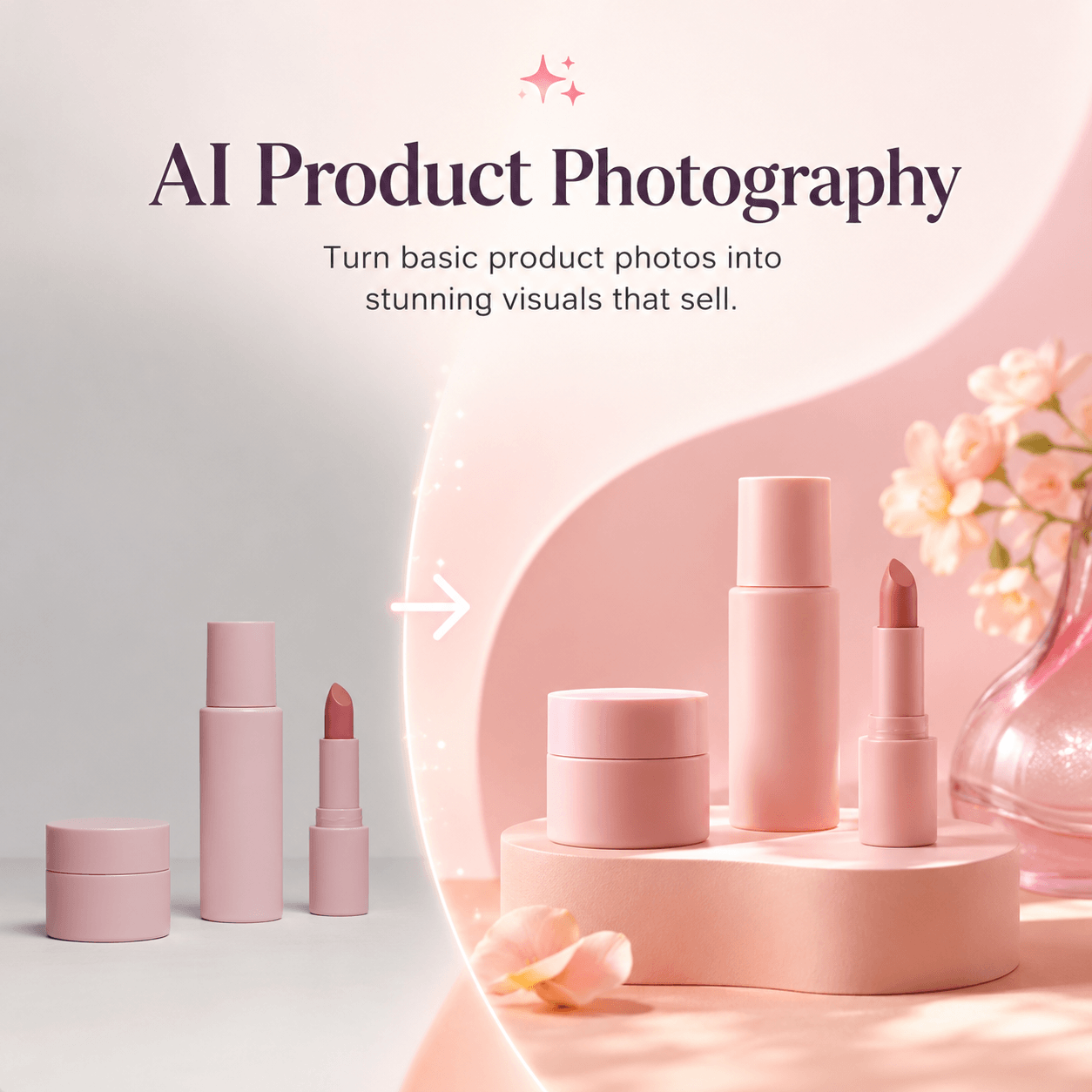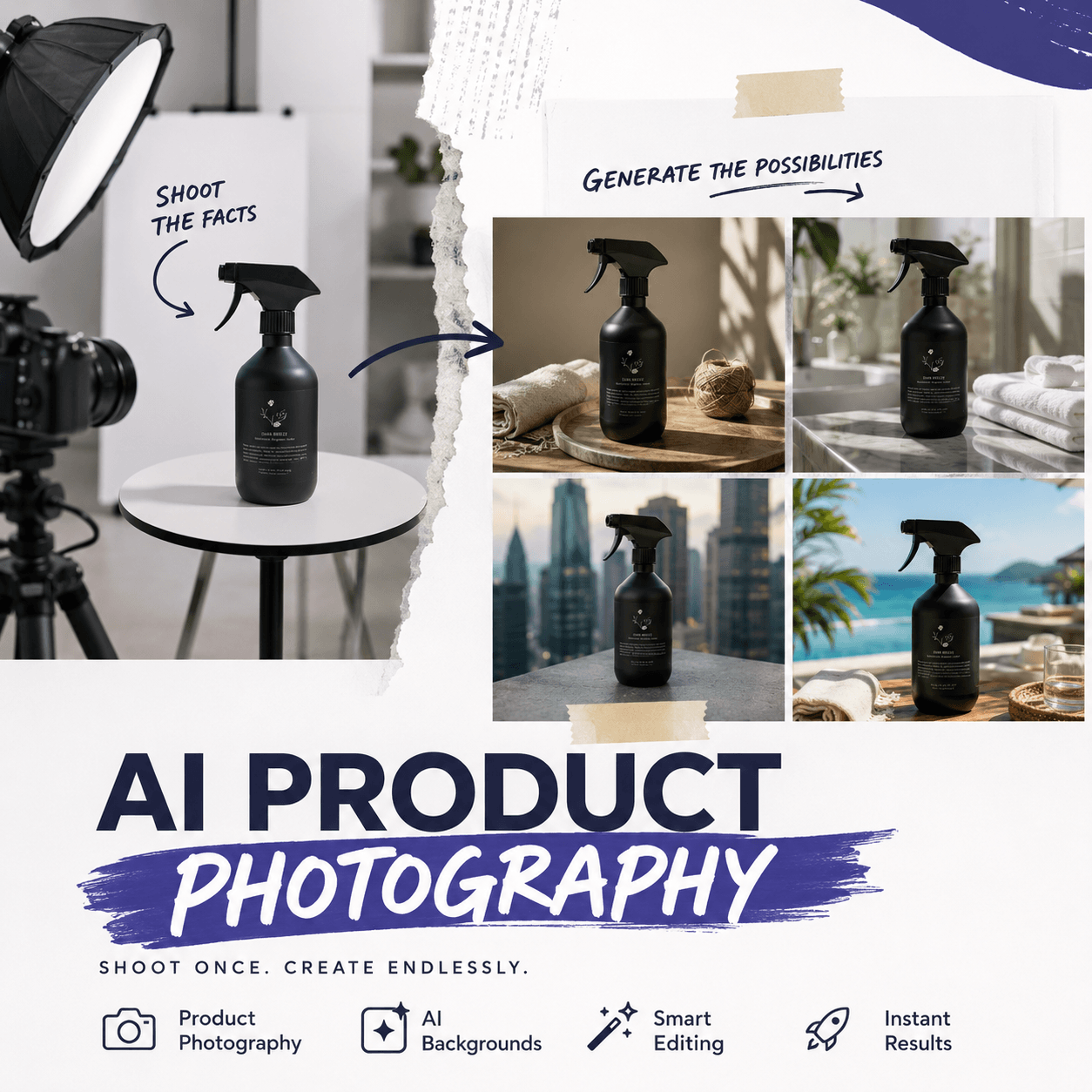

Picture generators from text are no longer just tools for creating AI art or experimental visuals. Today, they play a growing role in how brands create commercial-ready images for ecommerce, marketing, and digital storefronts.
Instead of organizing costly photoshoots or waiting weeks for new visuals, teams can now describe what they need in text—and generate images in minutes. However, not every picture generator from text is built for commercial use. Some produce eye-catching results that simply don’t work in real business settings.
So what separates usable, conversion-ready images from purely creative ones? Let’s break it down.
What Makes Picture Generators from Text Suitable for Commercial Use
Not all picture generators from text are created with business needs in mind. For an image to be commercially usable, it must meet a higher standard than artistic visuals.
Commercial-ready images typically share a few traits:
- They look realistic, not abstract or overly stylized
- They maintain visual consistency across multiple outputs
- They follow clean composition with intentional lighting and framing
- They can be used directly in ecommerce listings, ads, or catalogs
Many popular AI generators focus on creativity first. While impressive, those images often require extra editing—or can’t be used at all. That’s why businesses increasingly look for picture generators from text that are designed specifically for commercial workflows.
Why Many Picture Generators from Text Fall Short for Product Images
If you’ve tested general AI image generators, this might sound familiar.
The images look good at first glance. But once you zoom in or imagine placing them on a product page, issues appear: strange proportions, inconsistent lighting, or details that don’t hold up.
That’s because many picture generators from text are not optimized for:
- Product accuracy
- Reusable visual standards
- Scalable content production
For brands, these gaps quickly become bottlenecks. The result is more editing, more revisions, or a return to traditional photoshoots.
Tools Built for Ecommerce and Product Images
Once you start looking for picture generators from text, you’ll quickly notice how different the tools are in practice. Many popular AI generators can produce impressive visuals—but not all of them are suitable for commercial use.
Some tools are built primarily for creative exploration. Others are designed for general design workflows. A smaller group focuses specifically on product images and ecommerce needs.
Understanding these differences makes it much easier to choose the right tool.
Popular Picture Generators from Text (and Where They Work Best)
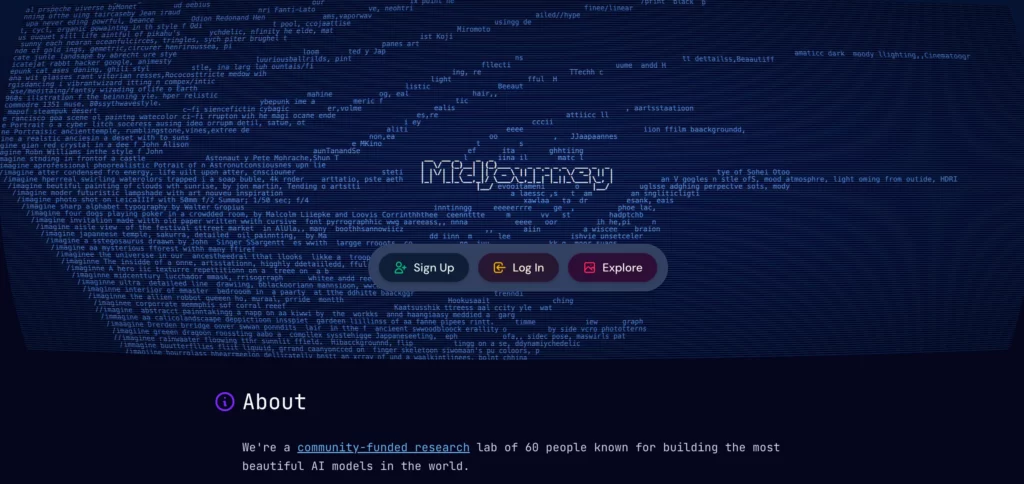
Midjourney is often the first name people think of when it comes to text-to-image generation. It’s powerful, flexible, and great for visual inspiration. However, Midjourney images are usually stylized and inconsistent. For product images, that often means extra editing—or results that simply can’t be used on a product page.
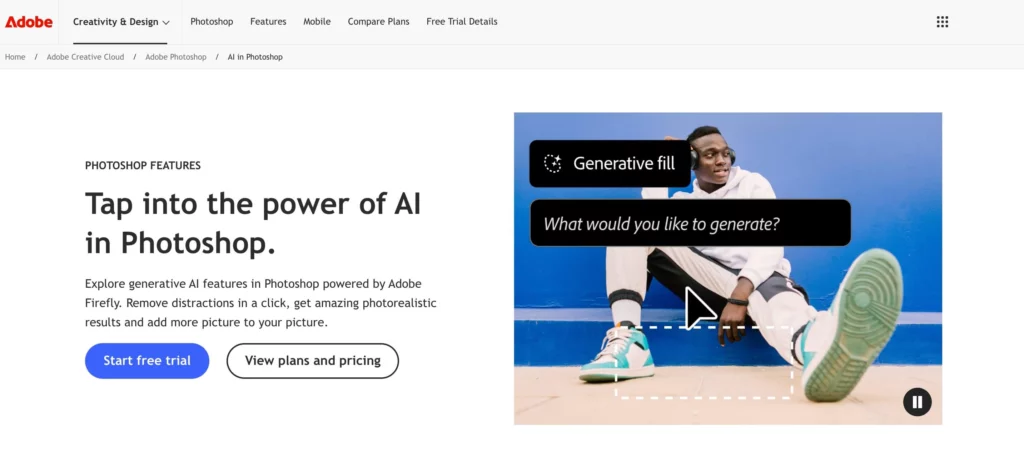
Adobe Firefly takes a different approach. It focuses on safe, brand-friendly image generation and integrates well with Photoshop. Firefly works well for creative assets and design support, but it’s still closer to a design tool than a product image generator. For ecommerce teams, it often requires manual steps to turn outputs into usable product images.
Canva AI makes text-to-image generation accessible to non-designers. It’s useful for marketing visuals, banners, and social content. However, when it comes to detailed product images—materials, proportions, and consistency—Canva’s AI tools are limited.
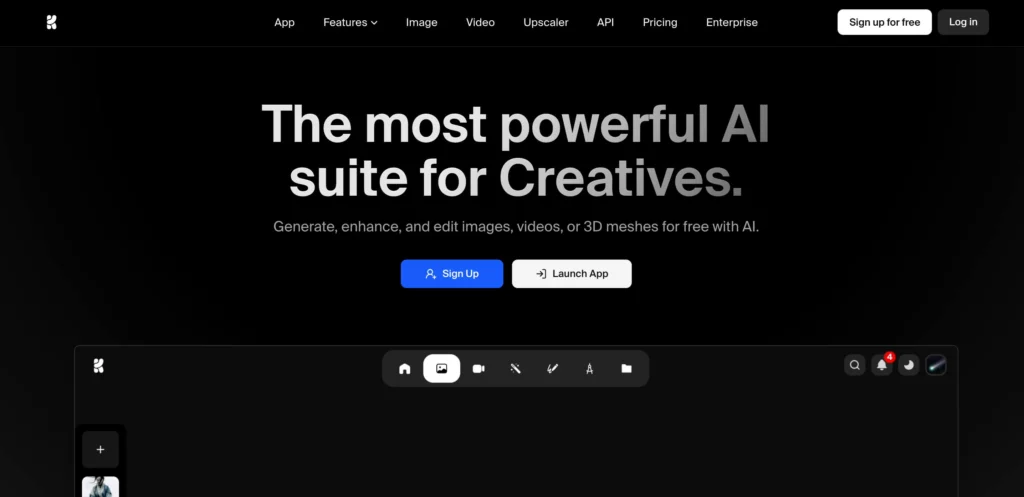
Other tools like Krea AI or Stable Diffusion-based generators are popular for experimentation and concept visuals. They’re flexible, but they usually require strong prompt skills and additional editing to reach commercial quality.
This is where ecommerce-focused tools start to stand out.
Where WeShop AI Fits into the Picture
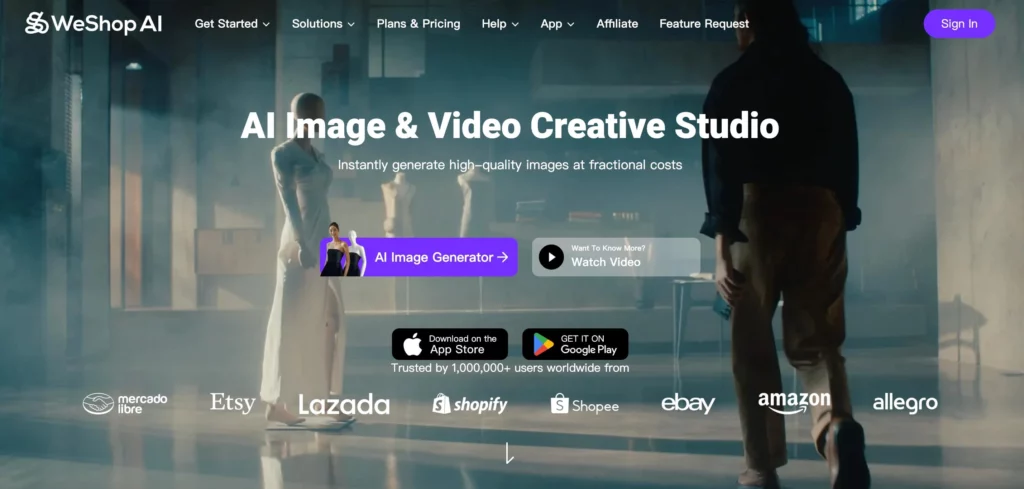
Unlike general picture generators from text, WeShop AI is built with product images in mind from the start.
Instead of asking the AI to “be creative,” WeShop AI is optimized to interpret prompts in a commercial context—product type, material, lighting, background, and presentation. This leads to images that feel more controlled and consistent.
In practice, brands use WeShop AI to:
- Generate product images from text prompts that match real ecommerce standards
- Create variations of the same product without reshooting
- Maintain visual consistency across collections
- Produce images that are ready for listings, ads, and catalogs
Because of this focus, WeShop AI often fits better into real production workflows than general-purpose AI generators.
From Text Prompts to Repeatable Product Images
One key difference between general AI tools and ecommerce-focused ones is repeatability.
With many picture generators from text, results vary widely from one generation to the next. That’s fine for creative art, but it becomes a problem when you need a consistent look across 20 or 200 products.
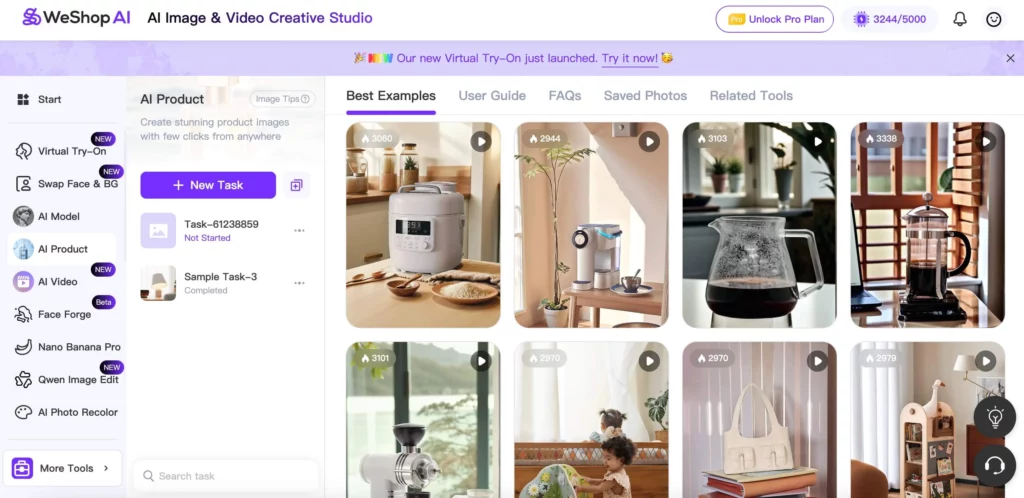
With WeShop AI, teams can reuse prompt structures and visual settings to generate product images that follow the same style. This makes text-to-image generation less experimental and more predictable—closer to a production process than a creative test.
As a result, image creation becomes something teams can rely on, not something they have to fix afterward.
Choosing the Right Picture Generator from Text
When comparing picture generators from text, the most important question isn’t how impressive the images look at first glance.
It’s whether the images can be used as-is in a commercial setting.
If a tool consistently produces images that work on product pages without heavy editing, it’s doing its job. Ecommerce-focused platforms like WeShop AI are designed for exactly that purpose.
Conclusion
Picture generators from text have moved beyond novelty. When used correctly, they’re powerful tools for producing commercial-ready images faster and more efficiently.
The key difference isn’t the technology—it’s the intent behind it. Tools designed for ecommerce, like WeShop AI, understand what product images need to do in the real world.
For brands looking to scale visuals without constant photoshoots, choosing the right picture generator from text can change how image creation works altogether.