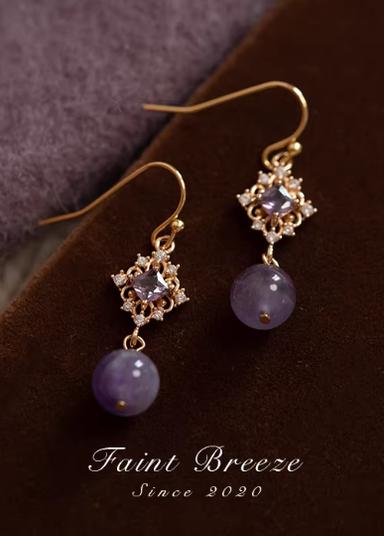
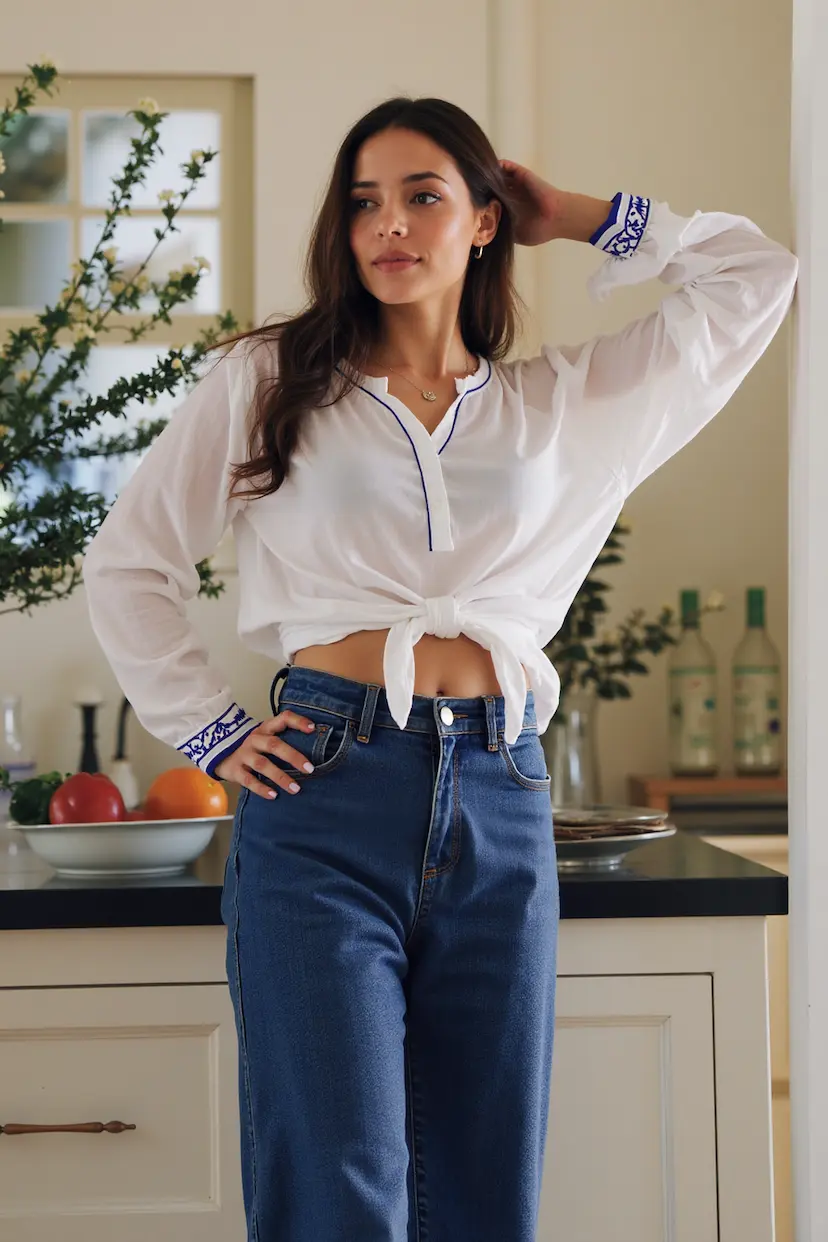
There’s a moment every online shopper knows. You stare at a white-background product photo — a beautifully draped silk blouse, a structured wool coat — and try to imagine it on your body. You fail. You add it to cart anyway. The package arrives. It goes back. The industry calls this the “imagination gap,” and it costs fashion retailers an estimated $550 billion in global returns annually. But something has changed. We tested the latest wave of AI virtual try-on tools, and for the first time, the digital fitting room doesn’t feel like a gimmick.
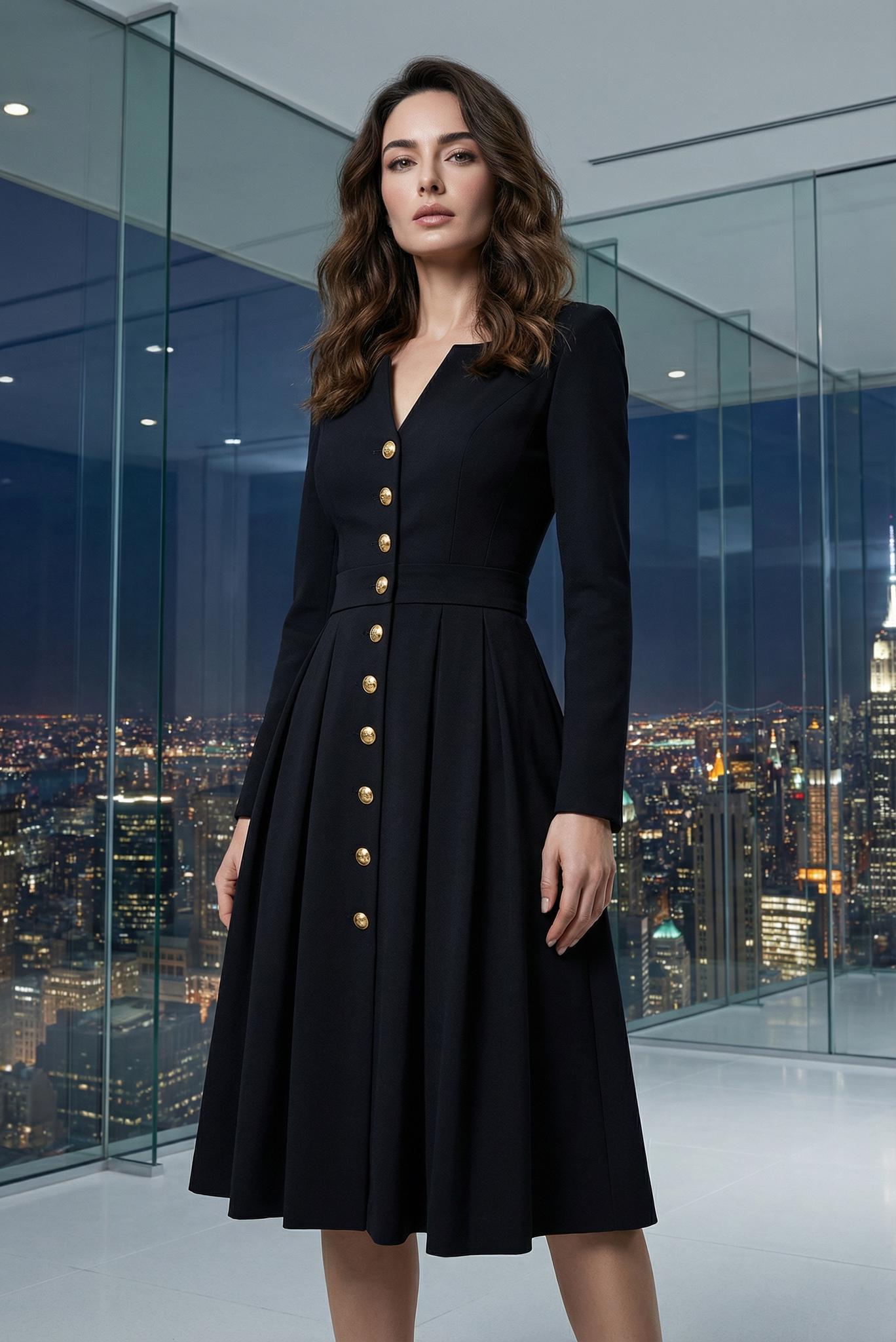
Left: Product flat-lay | Right: AI-rendered model styling
From Kolors to Production: How AI Try-On Crossed the Uncanny Valley
The breakthrough didn’t happen overnight. Early AI try-on systems — think 2023-era GAN-based models — produced results that were technically impressive but aesthetically disturbing. Garments floated on bodies rather than draping naturally. Skin tones clashed with fabric colors. Hands disappeared into pockets that didn’t exist in the original photo.
The Kolors Virtual Try-On system, launched on Hugging Face, represented a turning point. Built on a diffusion architecture rather than traditional GANs, it demonstrated something previous systems couldn’t: environmental awareness. The model understood that a garment worn outdoors should cast different shadows than one worn in a studio. It grasped that a silk blouse drapes differently on moving shoulders than static ones. These weren’t programmed rules — they were learned behaviors from millions of fashion photographs.
What makes the current generation compelling for fashion brands is the dramatic reduction in constraints. Earlier systems demanded pristine input: a perfectly lit front-facing model photo, a wrinkle-free flat-lay garment image, and matching resolution. Current tools accept messy, real-world inputs — a model photographed from the side, a garment with natural creases, even slightly blurred images — and still produce commercially viable output.
The Science Behind Digital Fabric Draping: Why Solid Colors Succeed and Prints Struggle
Every fashion professional who has tested AI virtual try-on has noticed the same pattern: a black sheath dress renders flawlessly, while a Liberty-print cotton shirt looks like a Monet painting had an argument with itself. Understanding why requires looking at how diffusion models process texture information.
Diffusion models operate in a latent space — a compressed mathematical representation of the image. During garment transfer, the model encodes the source garment into this latent space, applies geometric transformations to match the target pose, and then decodes back to pixel space. Solid colors survive this round-trip compression beautifully because they contain minimal high-frequency information. A navy fabric is navy in any latent encoding.
Printed fabrics, however, contain dense spatial information — every petal in a floral pattern, every stripe width, every logo curve must be preserved through encoding, transformation, and decoding. Current latent spaces lose fine detail during compression, and the diffusion model “hallucinates” plausible-but-incorrect details to fill the gaps. The result is a garment that reads as “floral” but isn’t your floral.
For brand-sensitive applications — where a proprietary print must be reproduced exactly — this remains a significant limitation. But for general merchandising, where the goal is to show customers how a style of garment looks on a body, the technology has crossed the threshold of commercial viability.
The Brand-Building Power of AI-Generated Lookbooks
Forward-thinking fashion labels have moved beyond seeing AI try-on as a cost-cutting measure. They’re using it as a creative amplifier. A mid-range womenswear brand recently generated an entire seasonal lookbook — 48 looks across four “locations” — in a single afternoon. The images maintained consistent brand aesthetic: same model, same lighting mood, same color grading. The entire project cost less than catering for a single real-world shoot.
The implications for inclusive marketing are equally significant. Generating the same garment on models of different ethnicities, ages, and body types was once prohibitively expensive. A single photoshoot might produce one or two size ranges at best. AI virtual try-on can generate a complete representation in minutes — from size XS on a petite frame to size 4XL on a plus-size model, with consistent lighting and styling throughout.
The softness of the shadow beneath the hemline, the natural fall of fabric across the collarbone, the subtle color interaction between the model’s skin and the dark textile — these are details that separate a compelling product image from a sterile cutout. Current-generation AI rendering handles these nuances with a sophistication that would have seemed impossible eighteen months ago.
Actionable Scene Guide: Styling AI Virtual Try-On for Maximum Conversion
For Casual and Streetwear
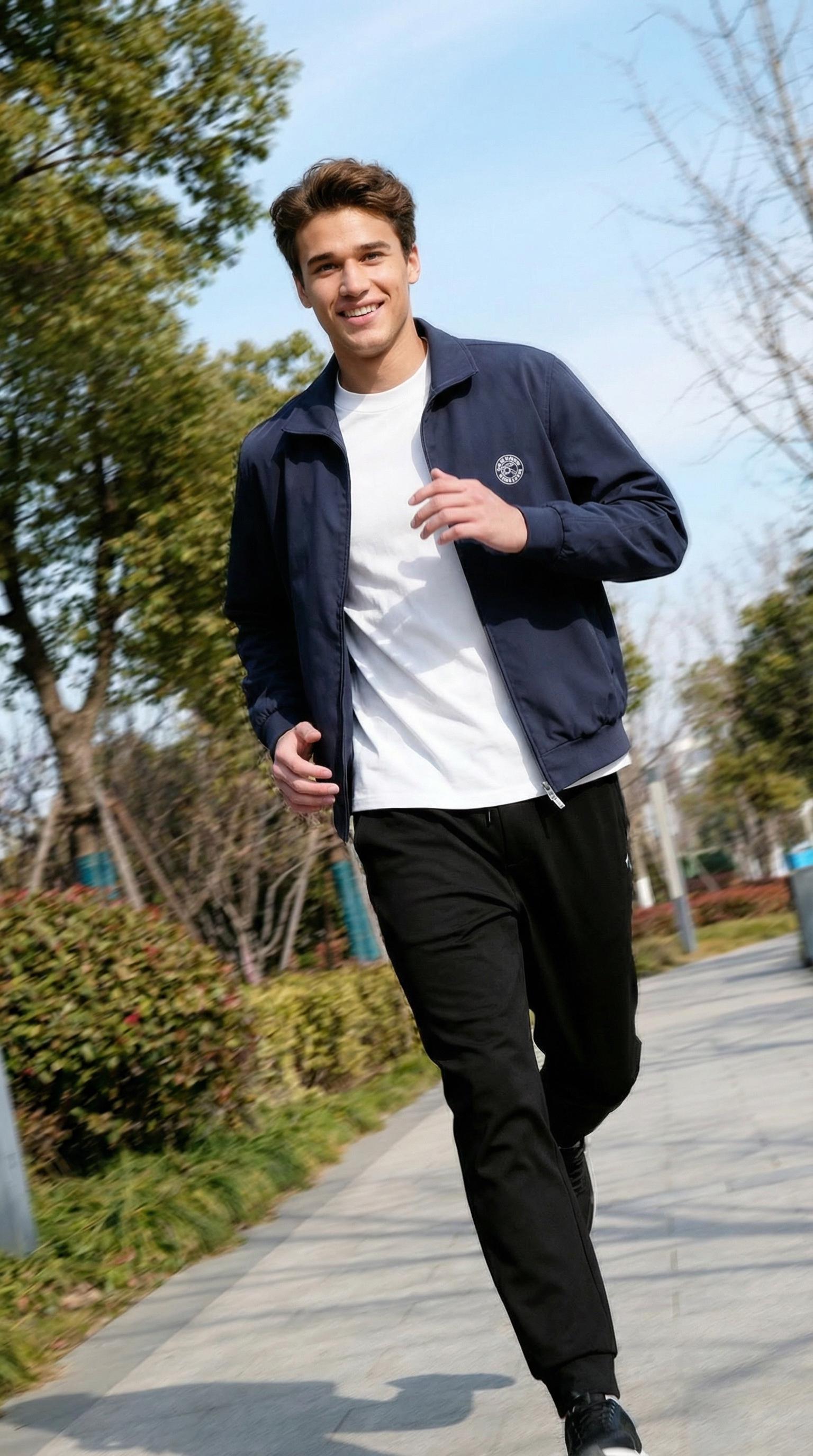
Use outdoor urban backgrounds with natural daylight. Select model poses with movement — walking, turning, reaching into a bag. The dynamism of the pose makes casual pieces feel aspirational rather than mundane. Shoot your flat-lay on a concrete or wooden surface rather than pure white to retain textural context the AI can build upon.
For Formal and Evening Wear
Dark, atmospheric studio backgrounds with single-point lighting create drama. Choose standing poses with minimal arm movement — let the garment’s silhouette do the talking. For translucent or sheer fabrics, ensure your source photo is shot against a dark background so the AI understands the fabric’s transparency properties.
For Activewear and Sports
Outdoor fitness environments — park paths, gym interiors, yoga studios — reinforce product utility. Action poses (mid-stride, stretching) showcase fabric stretch and breathability. Higher-resolution source images are critical here, as compression artifacts are more visible on tight-fitting athletic wear.
For Luxury and High Fashion
Art-directed studio environments with editorial lighting. Minimal, architectural poses that emphasize line and proportion. For luxury goods, generate fewer variants at higher quality rather than many at standard quality. Each image should feel curated, not mass-produced.
Expert Consulting FAQ: Fashion Meets AI
Q1: How do luxury brands maintain exclusivity with AI-generated imagery?
By treating AI as a styling tool rather than a replacement for creative direction. The technology generates the image; the brand’s art director curates which outputs align with the house aesthetic. Think of it as having an infinitely patient photographer who can shoot a hundred variations — the taste still comes from the human behind the brief.
Q2: Can AI virtual try-on handle accessories — bags, jewelry, scarves?
Current systems handle bags and large accessories reasonably well. Jewelry — particularly fine necklaces and earrings — remains challenging due to the small detail size and reflective surfaces. Scarves and draped accessories work if the source image clearly shows the intended styling.
Q3: What’s the ROI comparison between AI-generated and traditional product photography?
For a typical catalog shoot producing 100 SKU images: traditional photography costs $15,000-40,000 and takes 2-3 weeks. AI generation costs $200-500 and takes 1-2 days. The break-even point for most brands is around 10-15 SKUs per season — above that threshold, AI becomes decisively more economical.
Q4: How should brands disclose that product images are AI-generated?
The legal landscape is evolving. Currently, no major market requires explicit “AI-generated” labels on product photography. However, transparency builds trust. Leading brands include a subtle note: “Styled with AI technology” or “AI-enhanced product visualization.” This positions the brand as innovative rather than deceptive.
Q5: Will AI try-on eventually enable personalized shopping — seeing clothes on “my” body?
Technically, yes — the architecture supports it. The barrier is practical: consumers would need to provide a body scan or detailed measurements, and the system would need to generate images in near-real-time. We’re 2-3 years from this being seamless at scale, but early implementations using smartphone body scanning are already in beta testing.