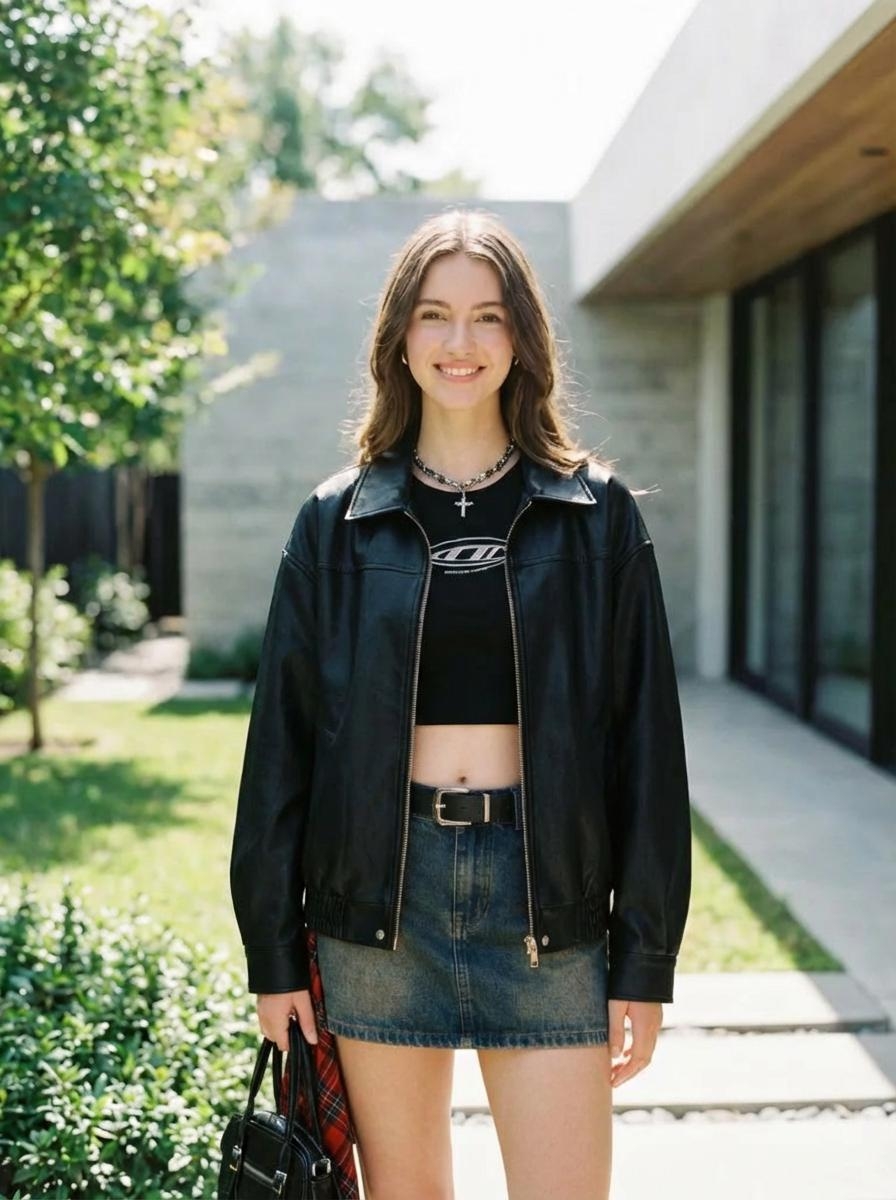
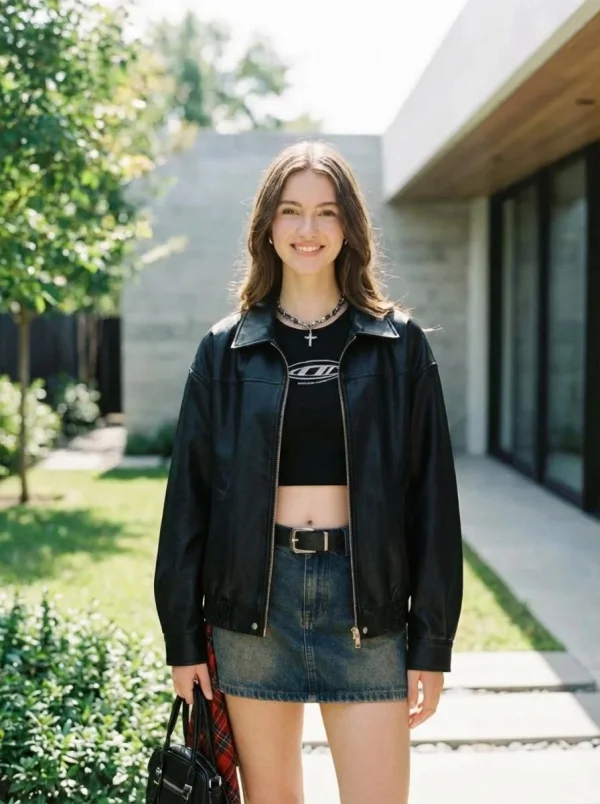
Luxury has always been about detail — the invisible stitch, the precise drape of cashmere against collarbone, the way light catches the clasp of a gold chain at exactly the right angle. For years, that level of detail kept AI-generated imagery firmly outside the luxury conversation. Until Nano Banana 2 arrived and gave creators something no previous AI image generator could: granular, prompt-level control over the details that separate editorial-grade visuals from everything else.
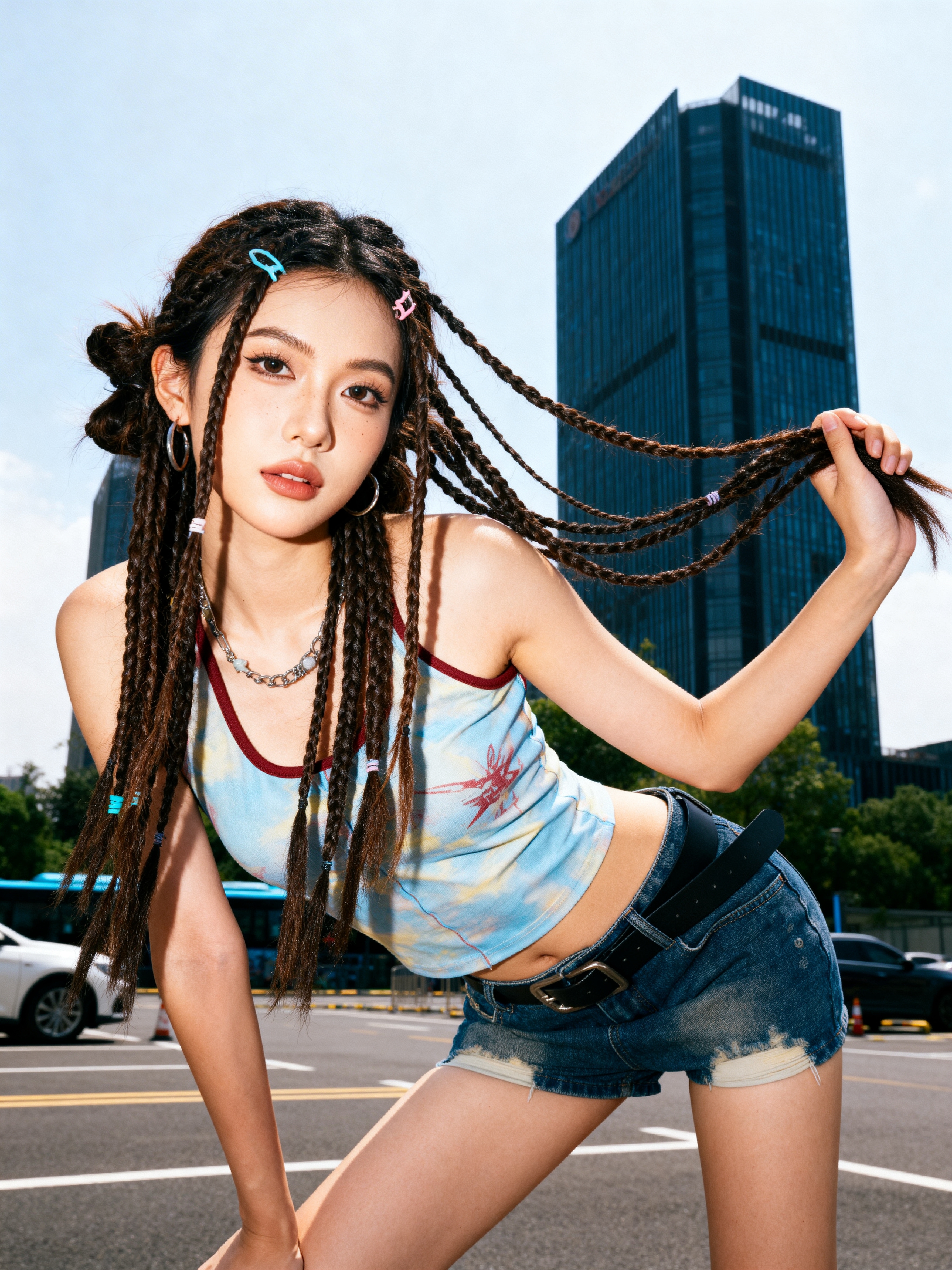
Before — Original fashion photograph
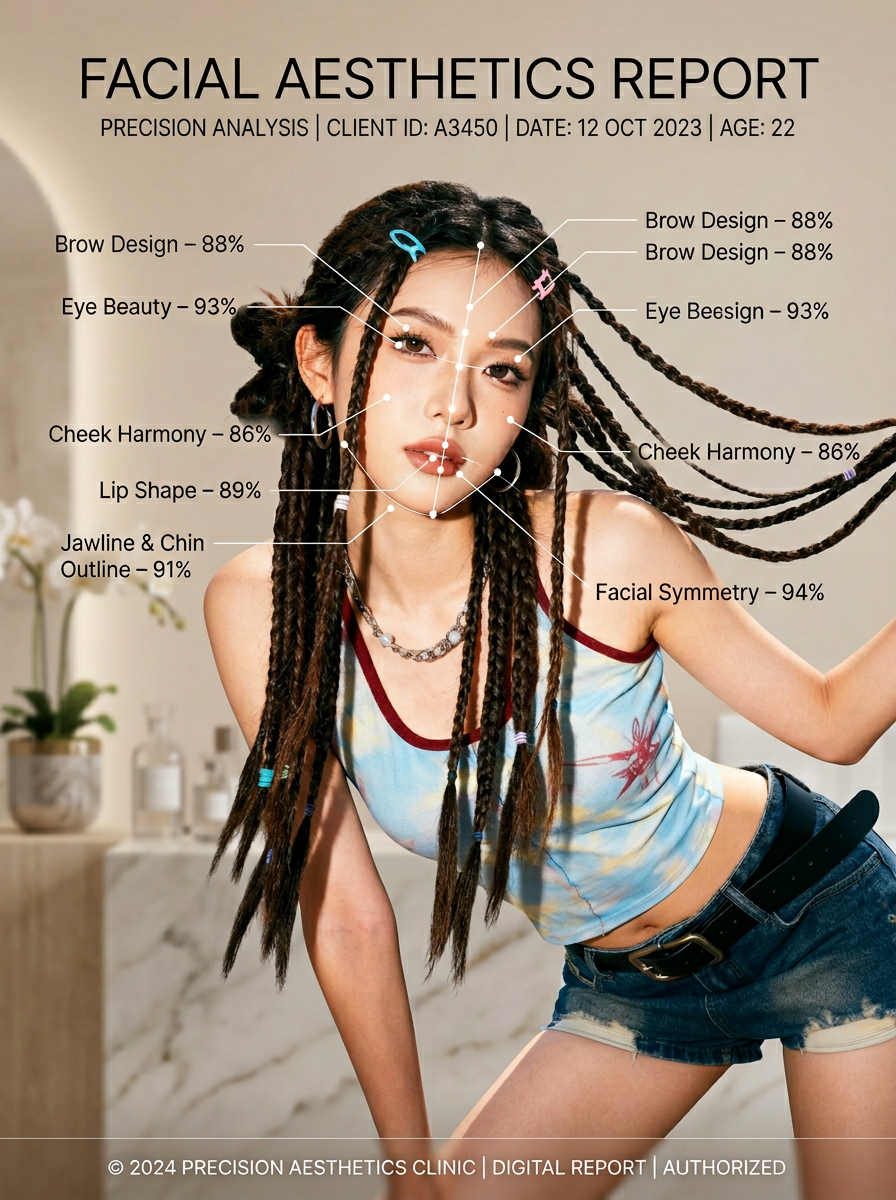
After — Nano Banana 2 output with refined material rendering and lighting precision
The Science Behind Nano Banana 2’s Material Intelligence
What separates a Zara product shot from a Bottega Veneta campaign isn’t just the product — it’s how light interacts with surfaces. The subtle translucency of silk crepe de chine. The matte absorption of unfinished leather. The way hammered gold scatters light differently from polished gold. These are the details that signal quality to a trained eye, and they’re exactly the details that previous AI generators handled with algorithmic indifference.
Nano Banana 2 introduces a material property system that treats surface rendering as a physics problem rather than a pattern-matching exercise. When your prompt specifies “Italian nappa leather with visible grain,” the model doesn’t retrieve a “leather texture” from its training distribution. Instead, it activates a material shader that models light absorption at the surface level, subsurface scattering depth, and micro-geometry normal mapping — the same computational approach used in film-grade CGI, compressed into a diffusion model’s forward pass.
The practical result: fabrics drape according to their actual weight. Metals reflect their environment. Glass refracts light through its actual thickness. These aren’t stylistic choices the model sometimes gets right — they’re architectural guarantees that emerge from treating material physics as a first-class computational problem within the generation pipeline.
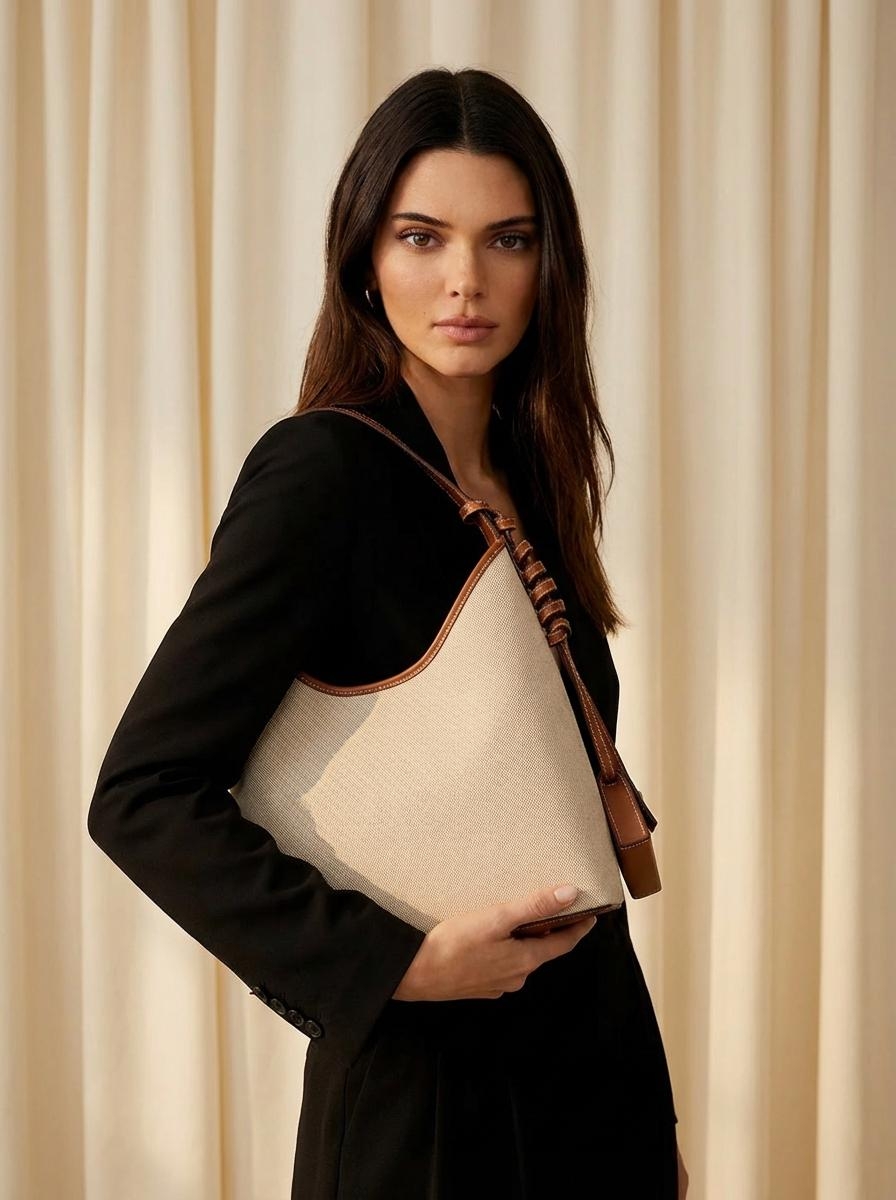
Before — Reference input
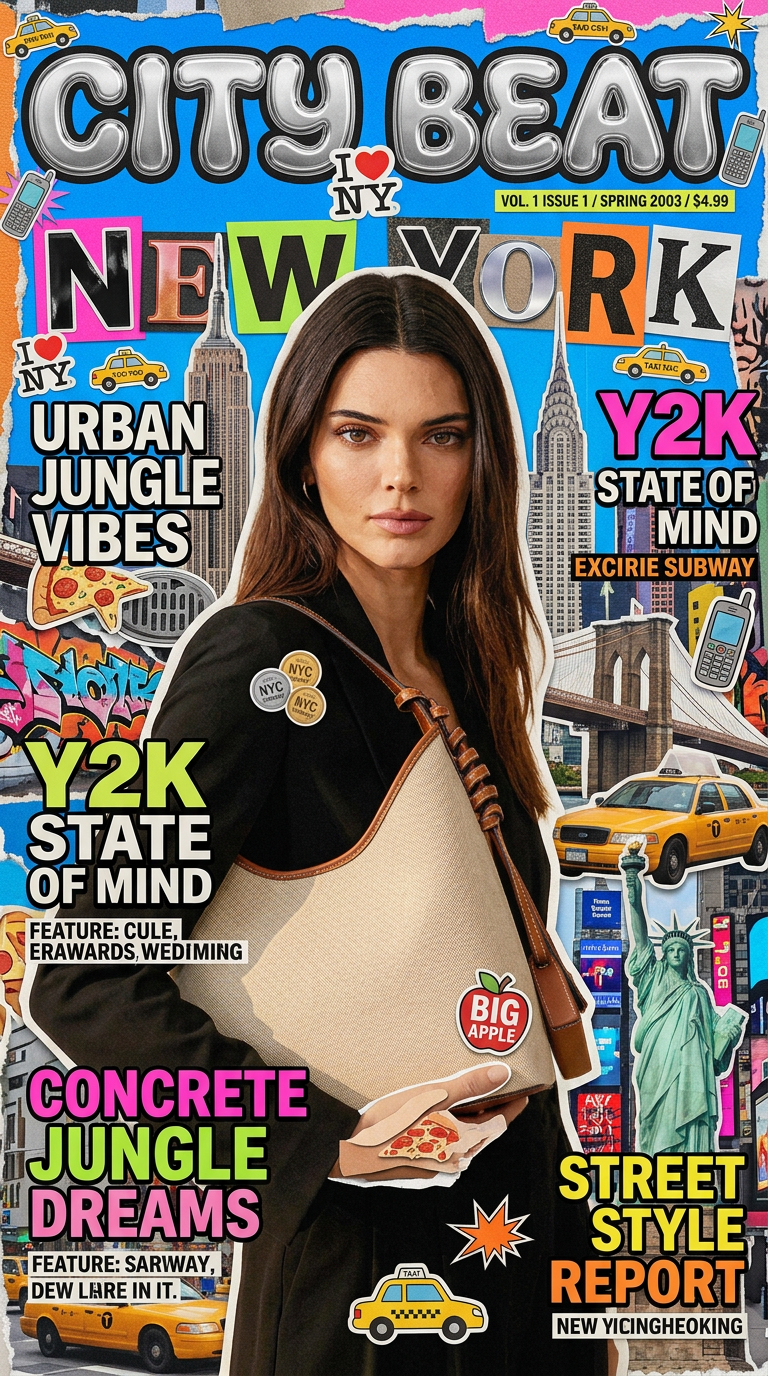
After — Detail-controlled generation preserving material integrity and scene lighting
How Nano Banana 2 Changes the Brand Visual Identity Equation
Brand consistency across channels has always been expensive. A luxury fragrance house producing content for Instagram, e-commerce, print advertising, and in-store displays traditionally maintains separate creative teams for each format — each interpreting the brand bible slightly differently, each introducing subtle inconsistencies in color temperature, lighting mood, and product presentation. The cumulative effect dilutes brand equity at scale.
Nano Banana 2’s detail control capability offers an elegant solution: define your brand’s visual DNA as a structured prompt template — specific color temperatures, lighting setups, material treatments, and compositional rules — then generate channel-specific variations from that single template. The model’s semantic parsing ensures that every output maintains the same lighting mood, the same material rendering, the same spatial relationships. Not approximately the same. Computationally identical.
One creative director at a European luxury maison described the shift as moving from “managing visual consistency” to “encoding visual consistency.” The prompt template becomes the brand bible. Every generated image is compliant by construction, not by review.
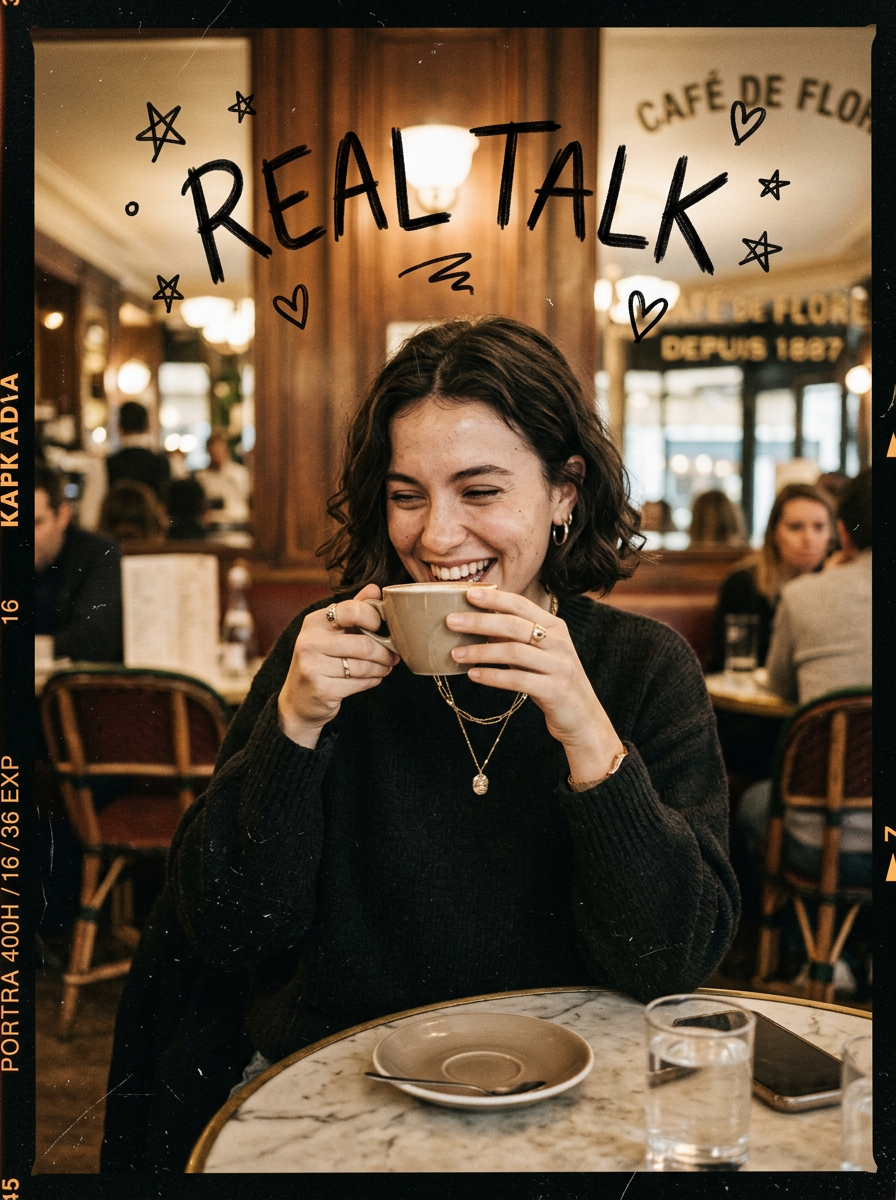
A fashion editorial scene generated by Nano Banana 2 — the soft flash photography effect, café ambient lighting, and fabric texture detail are all driven by prompt-level specifications. No post-production retouching was applied; the model’s material intelligence handled the linen texture, skin tones, and environmental reflections natively.
Actionable Detail Control: The Nano Banana 2 Precision Prompting Framework
Mastering Nano Banana 2’s detail control requires a shift in prompting philosophy. The model rewards specificity over creativity — precise technical descriptors over evocative adjectives. Here’s the framework that consistently produces luxury-grade results:
Layer 1: Subject Material Specification. Name the exact material and its visual properties. “Brushed stainless steel with circular polishing marks” outperforms “shiny metal” by an order of magnitude. For textiles: fiber type + weave pattern + finish treatment. “Washed silk charmeuse with subtle sheen” tells the material shader exactly how to handle light interaction at the fabric surface.
Layer 2: Environmental Lighting Architecture. Describe your lighting setup as a photographer would. Key light position, color temperature in Kelvin, fill ratio, and ambient contribution. “Key light: 5500K softbox at camera-left 45 degrees elevated 30 degrees. Fill: silver reflector at 1:3 ratio. Background: warm tungsten wash at 3200K.” This level of specification activates Nano Banana 2’s light field reconstruction engine with parametric precision.
Layer 3: Composition and Negative Space. Luxury visual language relies on breathing room. Specify your composition’s negative space intentionally: “Subject occupies lower-right third. Upper-left two-thirds: soft gradient background with 8% warm tone shift from center to edge.” The model’s scene graph compiler processes spatial relationships with the same precision it applies to material properties.
Layer 4: Post-Generation Refinement Pipeline. Nano Banana 2 outputs integrate seamlessly with WeShop’s AI Photo Enhancement for resolution upscaling without introducing artifacts, and AI Change Background for producing scene variations while maintaining the subject’s lighting consistency. The clean edge rendering of Nano Banana 2 makes downstream processing significantly more reliable.
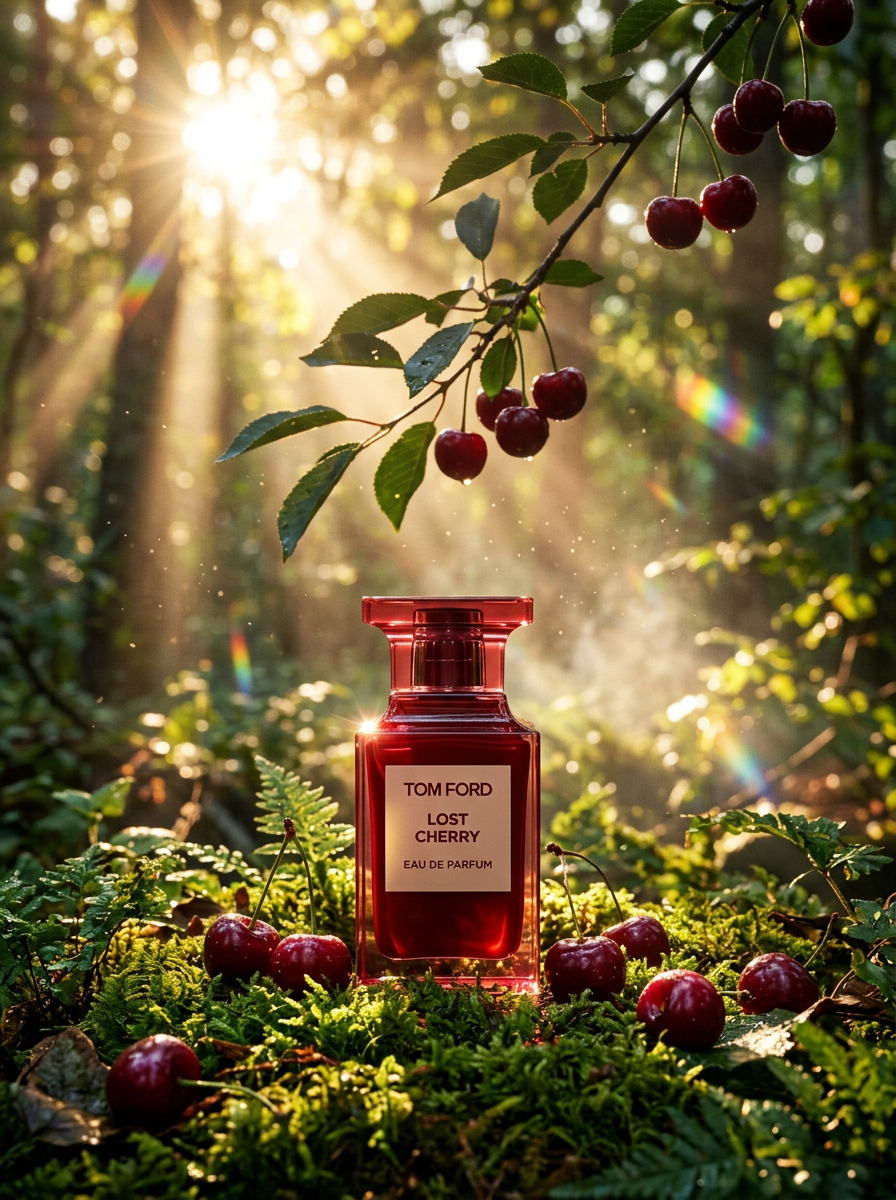
A luxury perfume product shot — note the glass refraction accuracy, the metallic cap reflection mapping, and the deep red liquid translucency. Nano Banana 2 processed each material element through its physics-based shader pipeline, producing commercial-grade product photography from a single text prompt.
The Luxury Creative Director’s New Workflow with Nano Banana 2
The traditional luxury campaign workflow runs roughly: concept → mood board → casting → location scouting → shoot (1-3 days) → selection → retouching (2-5 days) → format adaptation. Total timeline: 3-6 weeks. Total budget: five to six figures depending on the brand tier.
The Nano Banana 2 workflow: concept → prompt template engineering (2-4 hours) → batch generation (minutes) → selection → minimal retouching (if any) → format adaptation via re-prompting. Total timeline: 2-3 days. The cost structure shifts from variable (per-shoot) to fixed (platform subscription).
This doesn’t eliminate photography — it restructures when photography is necessary. Hero campaign imagery, brand ambassador content, and tactile product close-ups still benefit from physical capture. But the 80% of brand visual content that exists to fill channels, populate e-commerce listings, and feed social media algorithms? That’s where Nano Banana 2’s detail control capability transforms the economics entirely. Generate 50 variants of a product shot in different environments, lighting moods, and seasonal contexts — all maintaining brand-compliant material rendering — in the time it takes to brief a photographer for one setup.
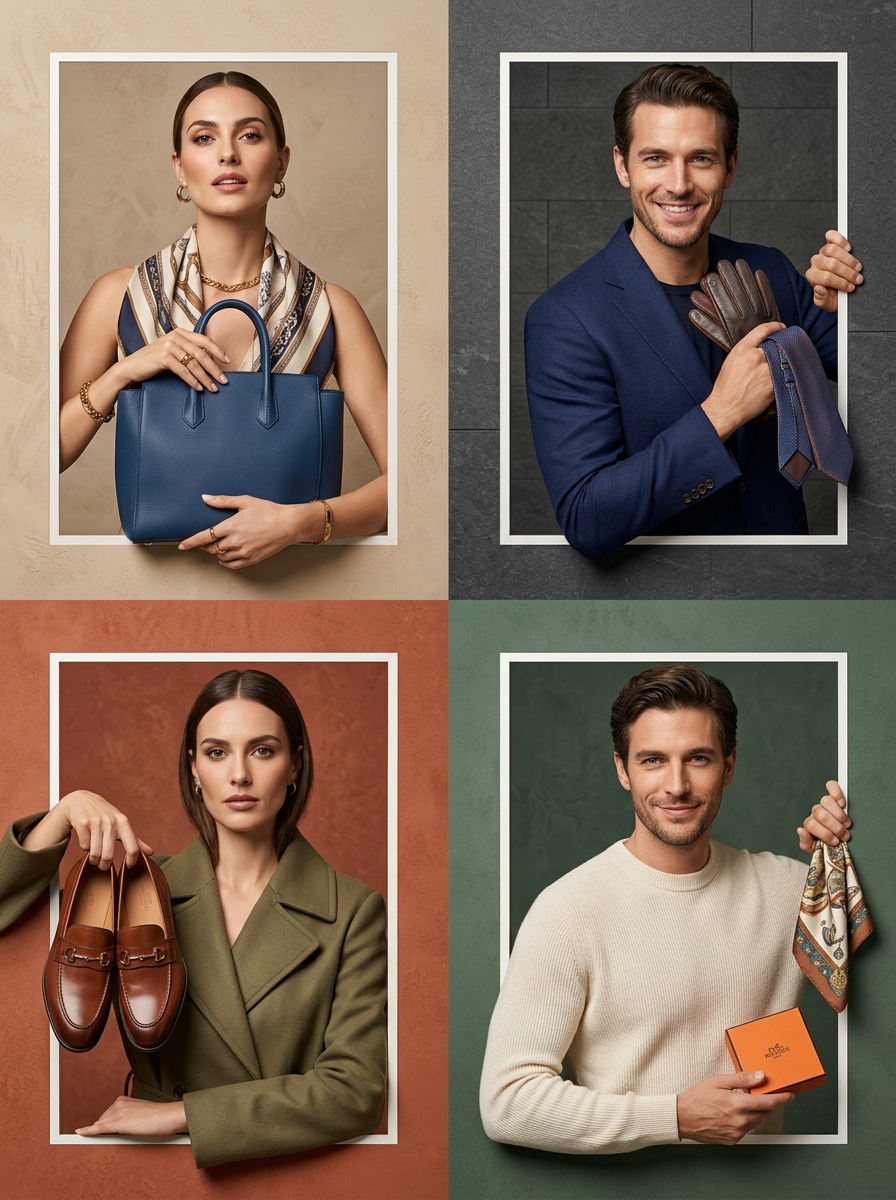
A luxury fashion brand group advertisement — four models, coordinated styling, consistent lighting, and unified compositional language. Generated as a single scene by Nano Banana 2’s multi-subject scene graph, ensuring each model receives physically accurate lighting and shadow interaction with adjacent figures.
Expert FAQ
What level of detail control does Nano Banana 2 offer compared to Midjourney or Stable Diffusion?
The difference is architectural rather than incremental. Midjourney and Stable Diffusion process prompts as weighted token sequences — “leather texture” activates learned patterns. Nano Banana 2 processes material descriptors through a physics-based shader pipeline, meaning “vegetable-tanned leather with patina” produces genuinely different light interaction than “chrome-tanned leather with matte finish.” This distinction matters enormously for luxury brands where material authenticity is a non-negotiable visual requirement.
Can nano banana 2 maintain brand color consistency across a large batch of generated images?
Yes — and this is one of its strongest practical advantages. By specifying color values in your prompt using precise notation (hex codes, Pantone references, or CIE Lab values), the model’s color management system ensures consistent reproduction across generations. A luxury brand’s signature burgundy will render identically whether the scene is lit by warm tungsten, cool daylight, or dramatic chiaroscuro — because the model calculates color appearance under different illuminants rather than applying flat color patches.
How does nano banana 2 handle skin tone accuracy in fashion imagery?
Skin tone rendering is handled by a dedicated subsurface scattering module that models light penetration, blood flow coloration, and surface reflectance across diverse skin tones. The model avoids the common AI failure mode of “averaging” skin tones toward a middle value. Specify ethnicity, lighting conditions, and desired skin finish (dewy, matte, natural) in your prompt, and the material shader produces physically accurate rendering. This is critical for fashion brands committed to inclusive visual representation.
What’s the resolution ceiling for nano banana 2 outputs?
Native generation resolution is optimized for digital channels. For print-ready output, the recommended workflow is to generate at native resolution and then apply AI Photo Enhancement for upscaling — this combination preserves the material detail fidelity of the original generation while achieving the DPI requirements for large-format printing. The clean edge integrity of Nano Banana 2 outputs means the upscaling process introduces zero additional artifacts.
Is nano banana 2 suitable for generating images that need to match existing campaign photography?
This is precisely where the detail control framework shines. By reverse-engineering your existing campaign’s visual parameters — lighting setup, color temperature, lens characteristics, depth of field — into a structured prompt template, Nano Banana 2 can generate supplementary imagery that matches the existing campaign’s visual language with remarkable fidelity. Several fashion teams are already using this approach to extend the life and reach of expensive physical shoots by generating additional scene variations, format adaptations, and seasonal updates from a single prompt template derived from the original photography.