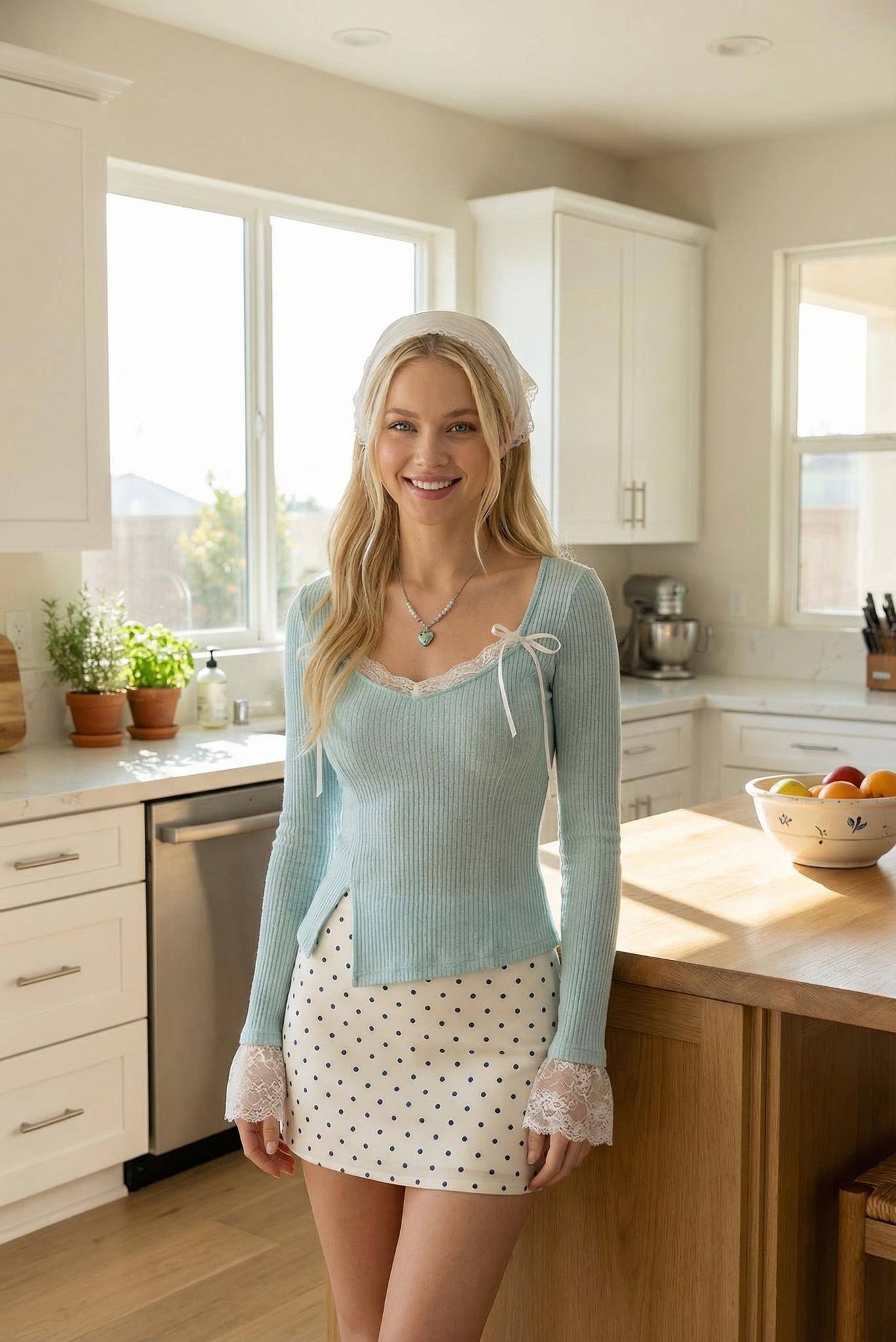
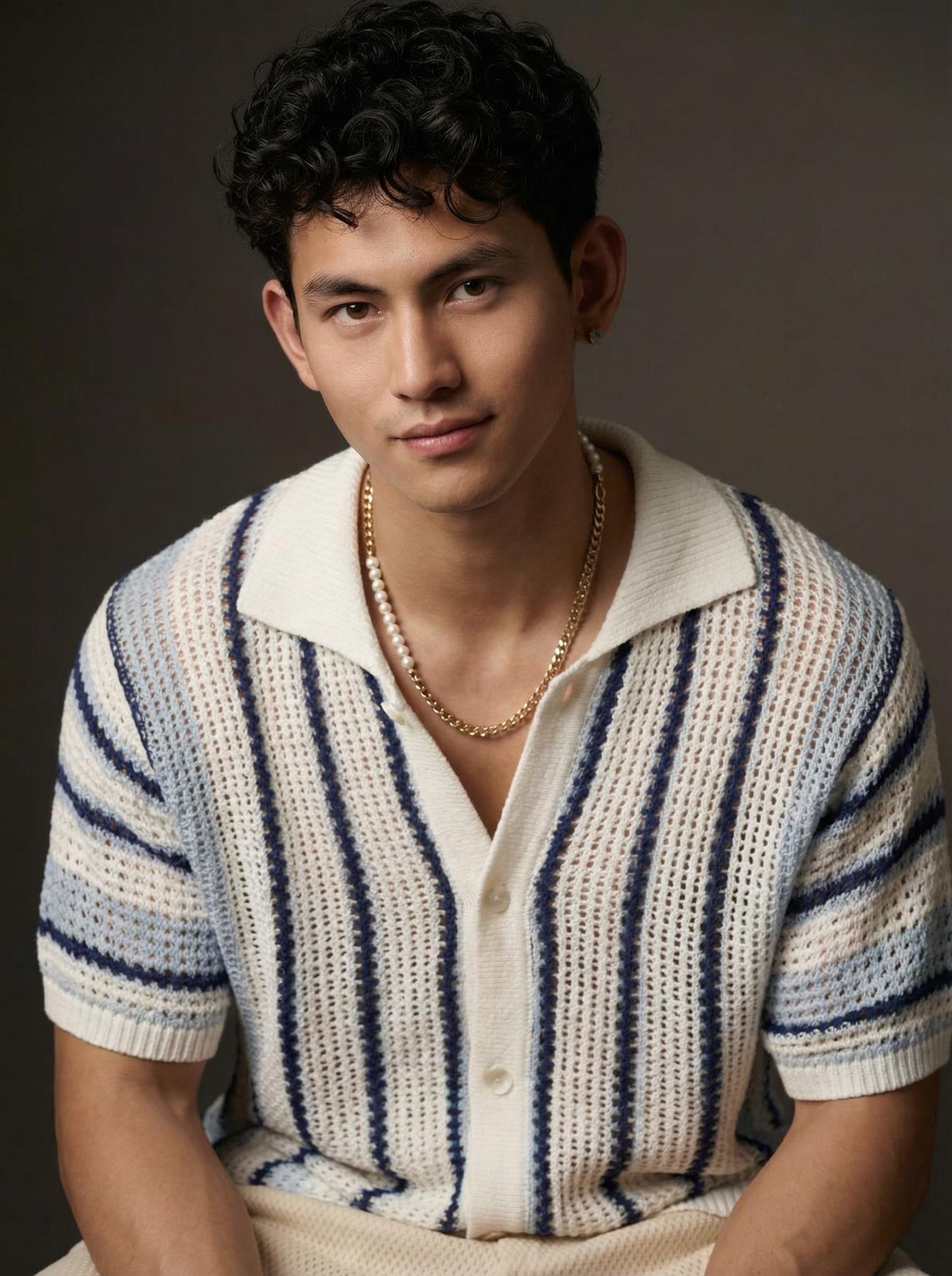
She discovered it on a Tuesday afternoon. Three taps — upload a garment photo, select a model, hit generate — and suddenly she had a professional-quality outfit-of-the-day image without a ring light, a tripod, or thirty minutes of posing in her apartment. “OOTD bloggers are in trouble,” she posted. The comment section exploded. She’d accidentally uncovered a truth the fashion content industry has been quietly panicking about: AI virtual try-on doesn’t just change how we shop. It changes who gets to be a fashion creator.
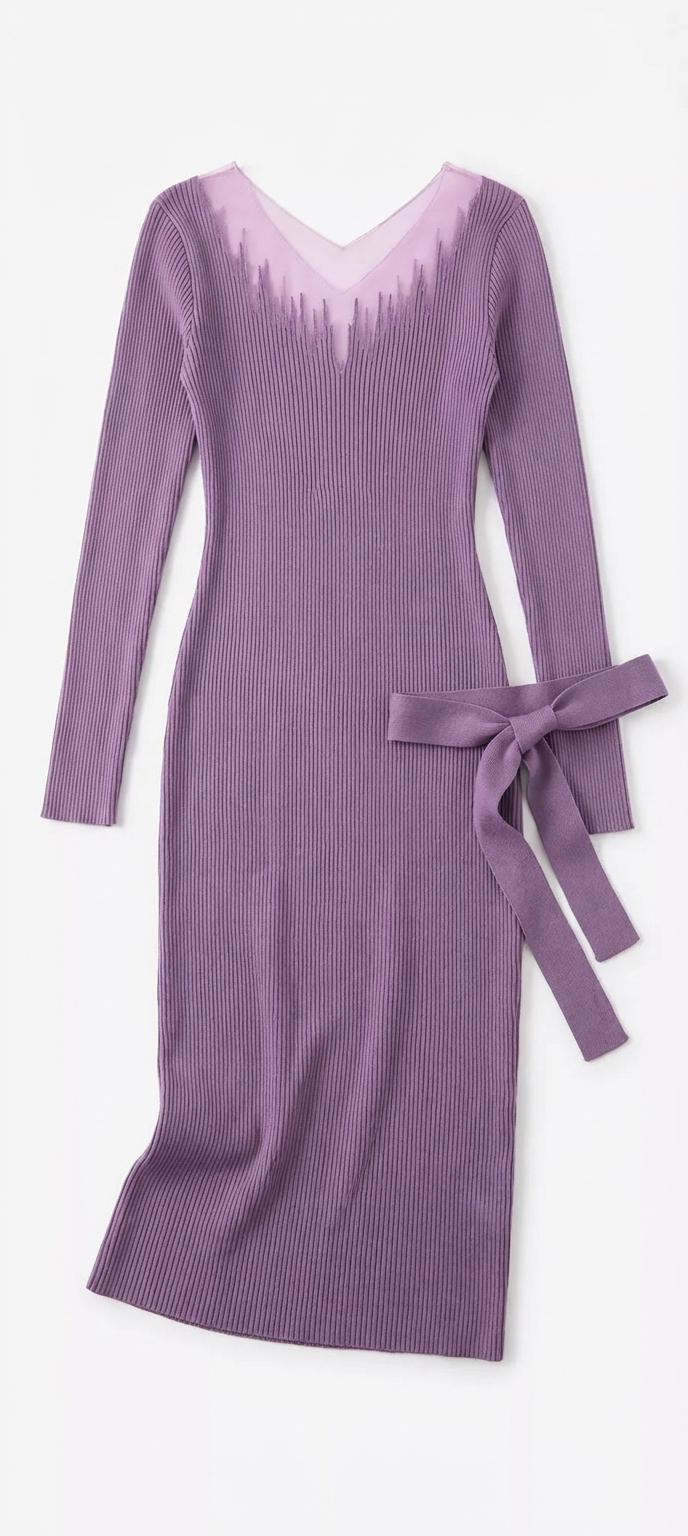
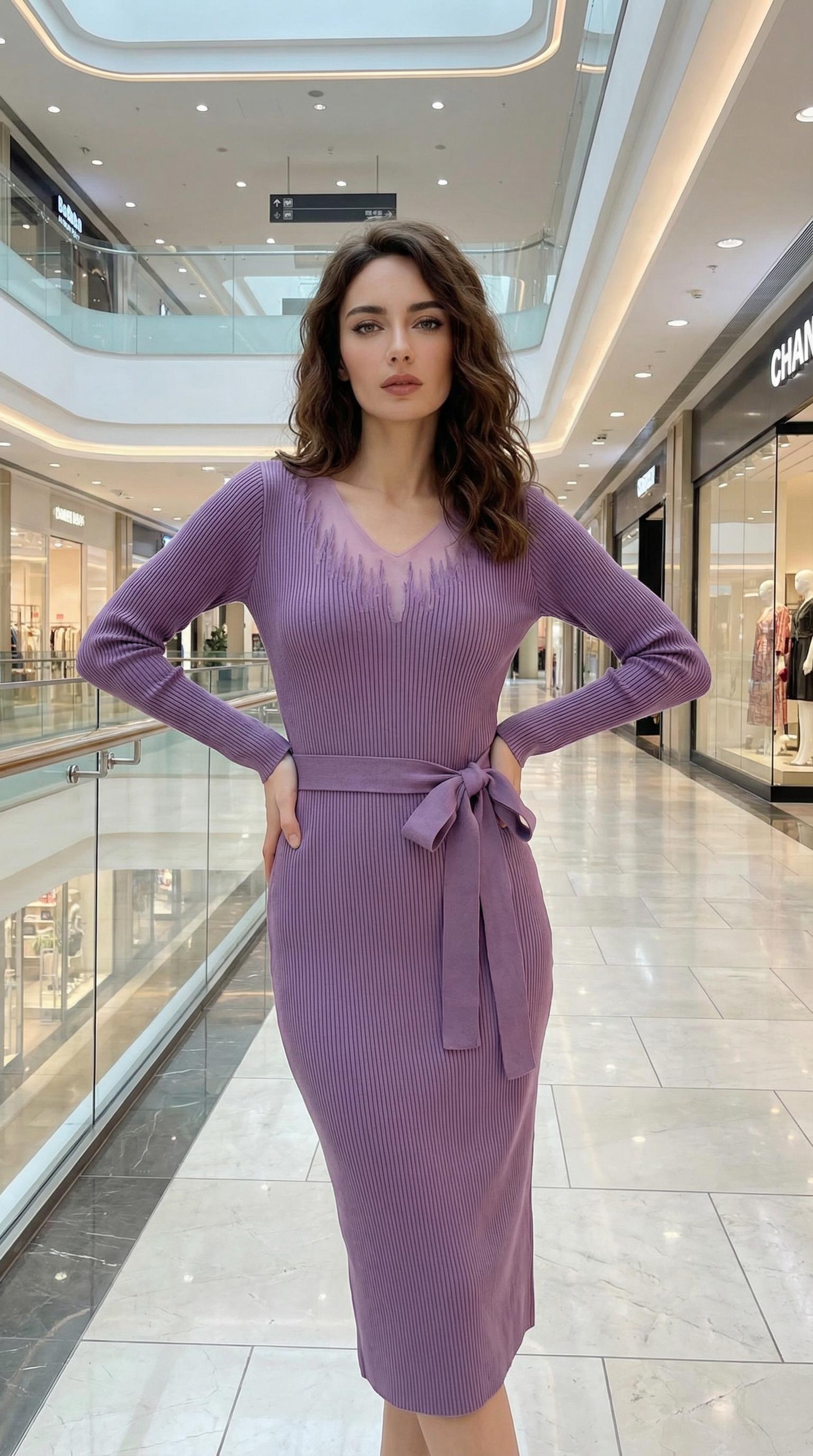
Left: Product image | Right: AI-generated street style — 3 steps, zero equipment
The 3-Step Workflow That’s Disrupting Fashion Content Creation
The workflow is almost offensively simple. And that simplicity is precisely what makes it disruptive.
Step 1: Capture the Garment (10 seconds)
Photograph the garment laid flat or hanging. Natural light, any background — the AI is forgiving. A smartphone camera at arm’s length produces sufficient quality. No styling, no steaming, no backdrop. Just the garment as it exists.
Step 2: Choose Your Model (5 seconds)
Select from a library of AI models — different ethnicities, body types, poses, and scenes. Or upload a specific model image if you have one. The model defines the aesthetic: urban streetwear, editorial minimalism, casual lifestyle.
Step 3: Generate and Download (15 seconds)
The AI processes the garment and model, synthesizing a realistic try-on image. Download it. Post it. It’s content-ready. The entire workflow takes 30 seconds. A traditional OOTD photo requires outfit assembly, location scouting, photography, and editing — minimum 30 minutes for experienced creators, often hours.
The Science Behind Instant Fashion Content: Real-Time Garment Synthesis
What happens in those 15 seconds of “processing” involves a remarkable cascade of neural computations. The garment image is parsed into semantic regions — bodice, sleeves, collar, waistband — each with its own material properties. The model image provides the target pose and body geometry. A specialized diffusion model then generates the composite, respecting both the garment’s physical properties and the model’s spatial configuration.
The speed comes from latent consistency models (LCMs), a recent architectural innovation that reduces the diffusion process from 50+ denoising steps to just 4-8 steps. This 6-10× speedup is what makes the “30-second workflow” possible. Earlier systems took 2-3 minutes per image — fast enough for product photography but too slow for content creation.
The quality trade-off is minimal. LCMs sacrifice some fine detail in exchange for speed, but for social media content — where images are viewed at phone resolution with fleeting attention — the output quality exceeds what most human-photographed OOTD content achieves.
Who Wins and Who Loses in the AI Fashion Content Economy
Winners: Small Brands Without Content Budgets
A one-person fashion brand can now produce Instagram-worthy lookbooks without hiring photographers, models, or stylists. The democratization is real: content quality is no longer gated by production budget.
Winners: Fashion Consumers Who Create
Anyone can now visualize and share outfit ideas without owning the garments. “Mood boards” become “outfit previews.” Shopping becomes a creative activity before it becomes a purchasing activity.
Losers: Mid-Tier OOTD Influencers
Influencers whose primary value proposition is “I show you how clothes look on a body” face direct substitution. If AI generates the same output instantly and freely, the human photographer adds less unique value. The survivors will be those who offer something AI can’t: genuine personality, creative styling advice, and authentic personal narratives.
Contested: Professional Fashion Photographers
High-end editorial photography remains safe — AI can’t replicate the creative vision of a top fashion photographer directing a live shoot. But catalog and e-commerce photography faces significant displacement.
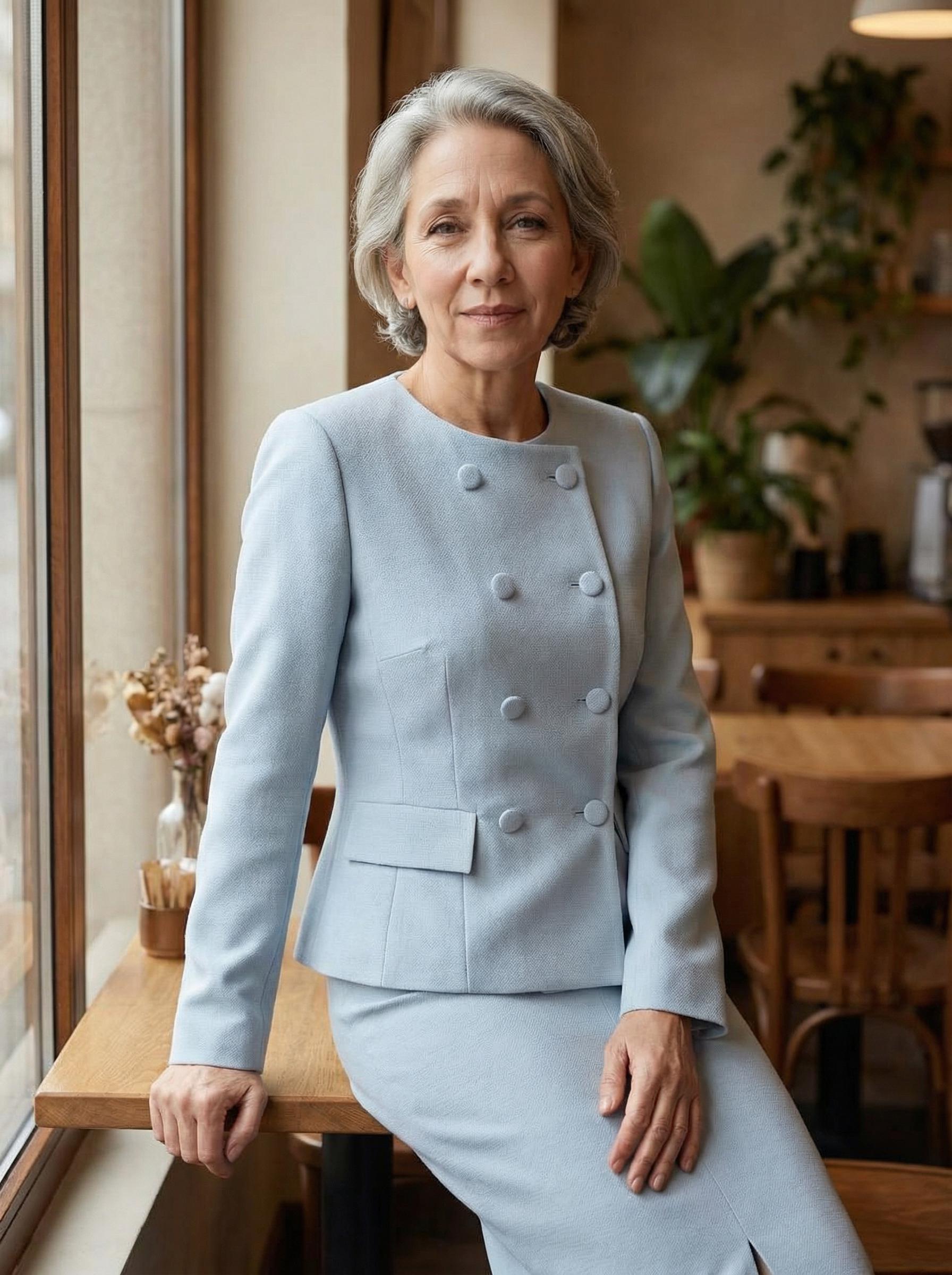
The warmth of the lighting, the intentional casualness of the pose — this reads as “lifestyle content” rather than “product photo.” That blurring of categories is what makes AI try-on a content creation tool, not just a commerce tool.
Actionable Scene Guide: Creating Scroll-Stopping OOTD Content with AI
For Instagram Feed Posts
Square or 4:5 aspect ratio. Choose lifestyle backgrounds that feel authentic — cafe terraces, park paths, apartment interiors. Avoid over-perfect studio shots, which read as “ad” rather than “personal.” The goal is “real enough to believe, polished enough to envy.”
For TikTok/Reels Style Content
Generate multiple outfits on the same model in the same location to create a “transition” sequence. Export as individual frames and edit into a slideshow with trending audio. This workflow produces content indistinguishable from filmed OOTD videos.
For Pinterest Boards
Vertical 2:3 ratio. Rich, aspirational backgrounds. Generate 10-15 outfit variations from the same garment to create a comprehensive style guide pin that drives saves and click-throughs.
For E-Commerce Product Listings
Clean white or neutral backgrounds. Multiple model variations showing the same garment on different body types. Include a flat-lay shot alongside AI model shots for maximum information density.
Expert Consulting FAQ
Q1: Can AI-generated OOTD content go viral the way real outfit photos do?
Yes — engagement metrics show no significant difference between AI-generated and real outfit content, provided the styling is good and the image quality is high. Audiences respond to aesthetic appeal, not image provenance.
Q2: Do I need to disclose that my fashion content is AI-generated?
Platform policies are evolving. Currently, most platforms don’t require AI disclosure for product visualization or styling content. However, if you’re impersonating a real person or implying personal ownership of garments you don’t have, ethical concerns arise. Transparency builds audience trust.
Q3: What garment types produce the best AI try-on results?
Structured garments (blazers, coats, dresses) produce the most reliable results. Flowy, layered, or heavily textured garments (tulle, fringe, heavy knitwear) are harder. Solid colors and simple patterns always outperform complex prints.
Q4: How many unique content pieces can I realistically generate per hour?
With an efficient workflow: 40-60 unique images per hour. Each generation takes ~30 seconds, but factor in image review, occasional re-generation, and download/organization time.
Q5: Will this replace the need for real fashion photography entirely?
For standard content production — catalog imagery, social media posts, listing photos — it already can for many use cases. For editorial work, brand campaigns, and content that requires genuine human expression and storytelling, real photography remains essential. The future is hybrid.