












How to Combine Multiple Reference Images with Nano Banana 2.1
A tested Nano Banana 2.1 workflow for combining identity, wardrobe, and location references without losing the details that matter.
Combining several references into one believable image is harder than simply uploading more files. Each image needs a clearly assigned job: one controls identity, another controls wardrobe, and another controls the environment. Without that role map, a model can blend details, drop accessories, or let one reference dominate the composition.
We tested a three-reference workflow in the WeShop Nano Banana generator using a fictional portrait, a flat-lay outfit, and a rainy Kyoto street. The final image preserved the character’s main identity markers, carried over every requested clothing item, and retained the scene’s warm-window versus cool-street lighting. The only notable miss was framing: the requested three-quarter portrait became closer to a near-full-body composition.
Tested workflow
Image 1: identity. Image 2: complete outfit. Image 3: location and lighting. Output: one editorial travel portrait with explicit preservation rules.
Why multiple reference images need assigned roles
The phrase “combine these images” leaves too many decisions open. A stronger prompt tells the model which source owns each part of the result. It also repeats the few details that must survive: a beauty mark, a scarf pattern, a pocket count, one lantern, or a specific color contrast.
Google’s Nano Banana 2.1 model card reports dedicated evaluation for multi-reference editing, character consistency, product consistency, and general editing. That makes role-based compositing a sensible use case, but it does not remove the need to inspect each result. Our test is one observed run, not a success-rate claim.
The three reference images used in this test
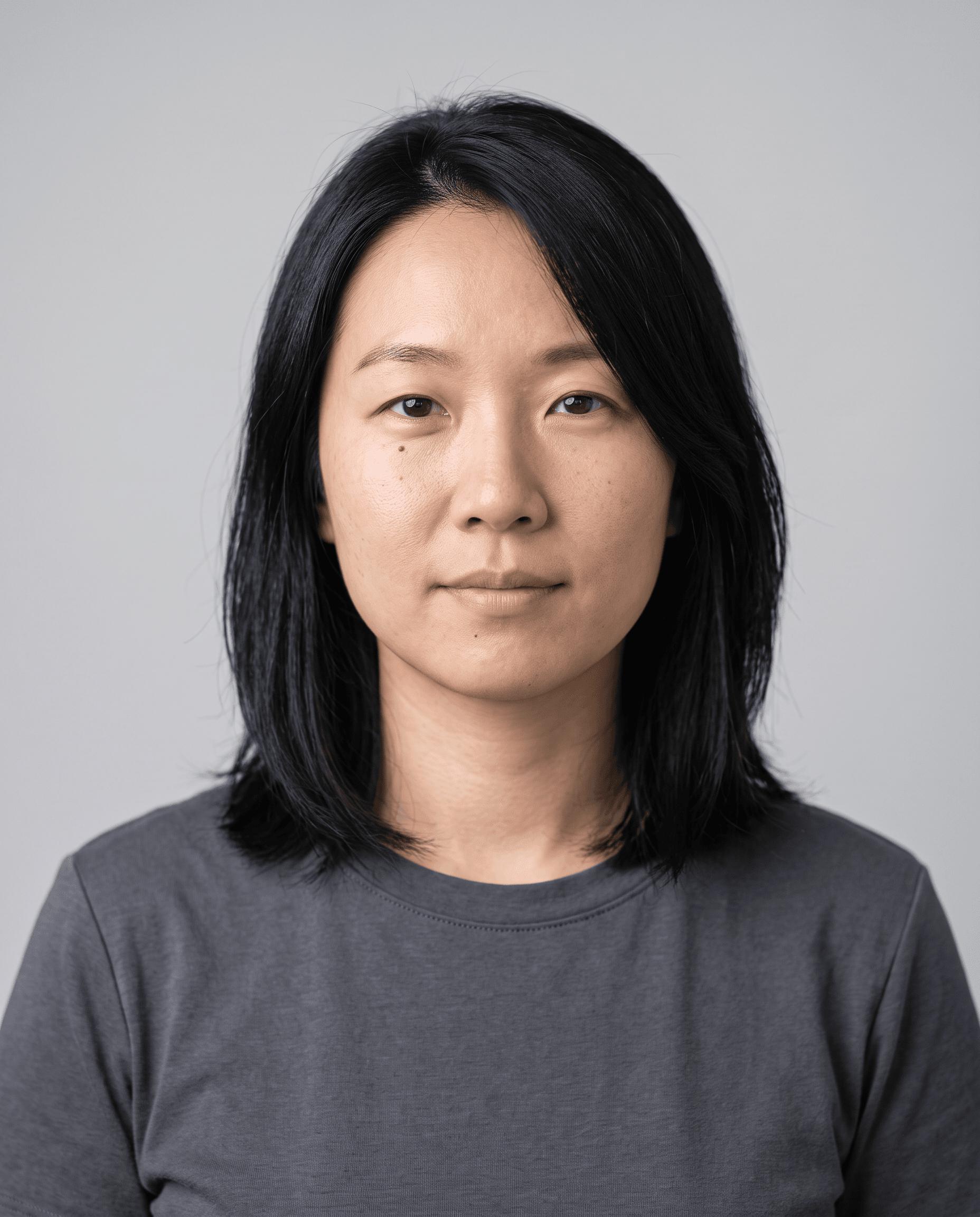
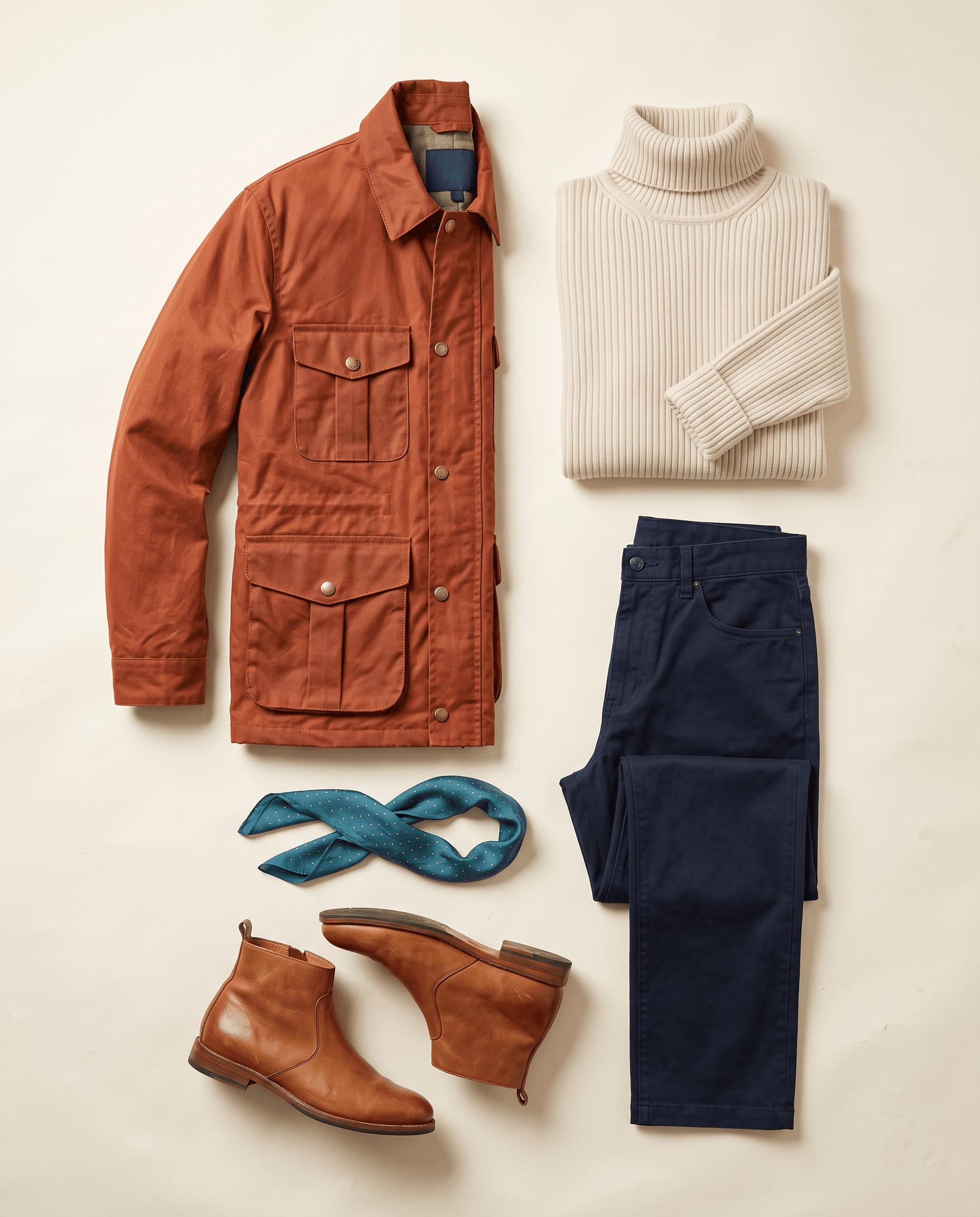
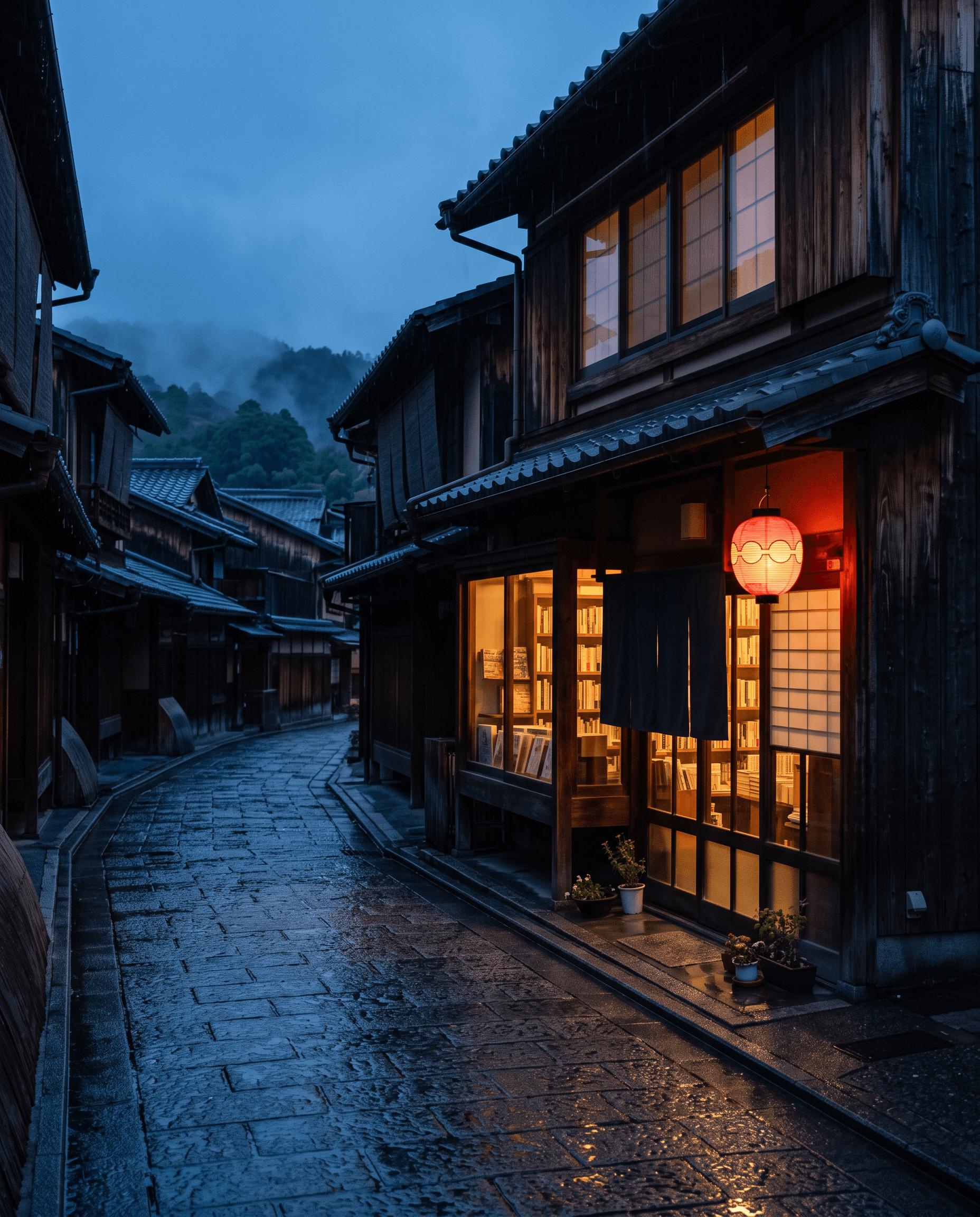
The references were intentionally clean and non-overlapping. The portrait does not contain a competing outfit or location. The outfit is shown as a flat lay without a person. The scene contains no people. This reduces ambiguity before prompting begins.
The prompt that combined all three references
This structure works because it has four layers: source mapping, output brief, preservation anchors, and exclusions. The model is never asked to infer which image controls which feature.
What Nano Banana 2.1 preserved—and what it missed
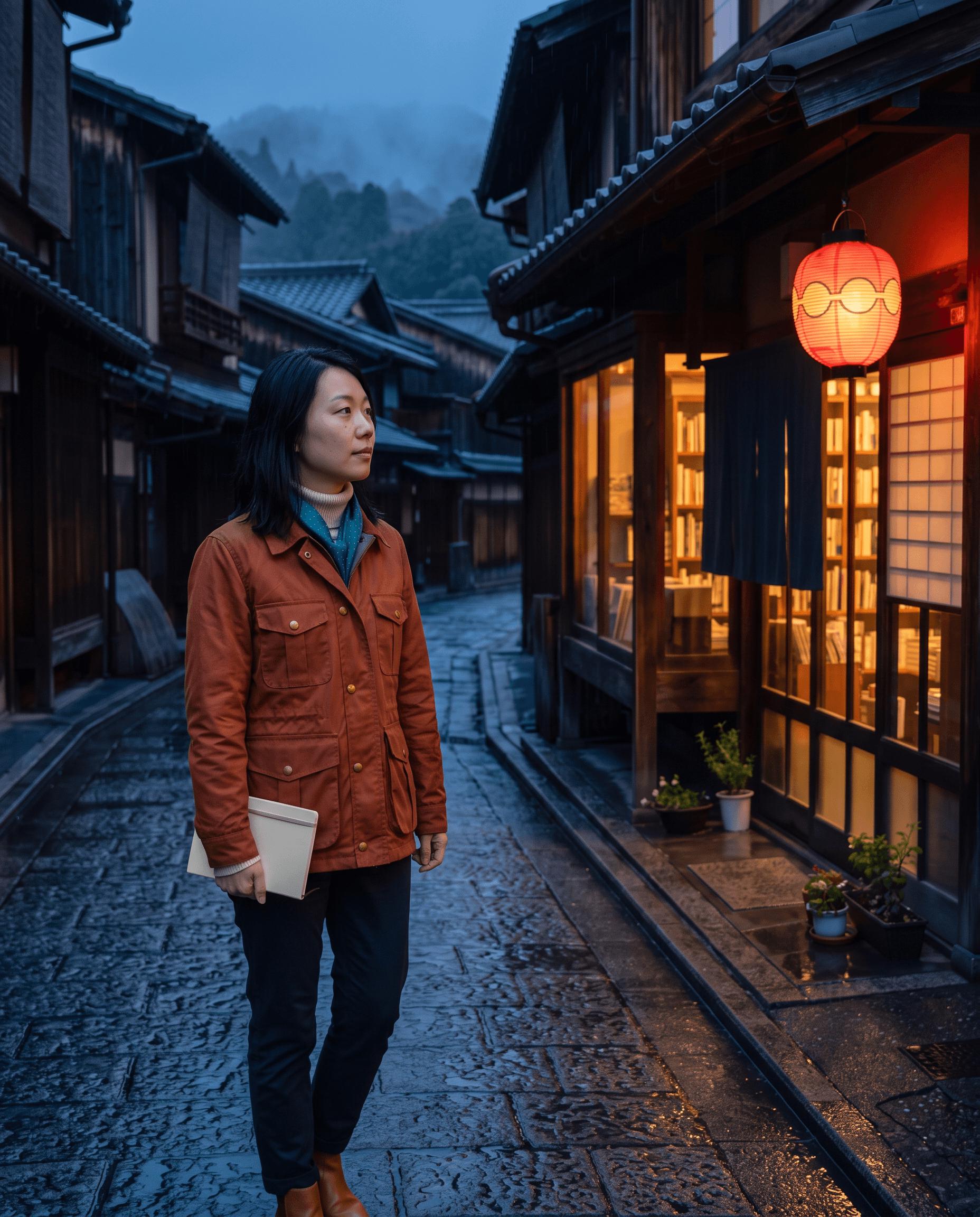
The strongest preservation came from details that were both visible in a source and restated in text. The scarf, four-pocket jacket, and beauty mark were not left to visual inference alone. The framing miss is a reminder that a polished image can still fail one production constraint.
A repeatable multi-reference workflow
- Give every reference one main responsibility. Use labels such as identity, wardrobe, product, pose, lighting, or environment.
- Remove competing information where possible. A clean outfit flat lay is easier to interpret than a busy fashion photograph containing another person and location.
- Restate the identity locks. Name the facial, object, or garment details that would make the output unacceptable if changed.
- Describe the final composition independently. References supply ingredients; the prompt still needs framing, subject position, gaze, camera, and light.
- Add exclusions tied to likely failure modes. Prevent extra people, accessories, text, duplicate objects, or blended materials.
- Review reference by reference. Compare identity first, then wardrobe, then environment, instead of judging only the overall mood.
Prompt template for your own images
Common failure modes and fixes
- The person changes: repeat two or three identity anchors and remove other faces from the source set.
- The outfit is incomplete: enumerate every required garment and its defining color or material.
- References get blended: assign one explicit role per image and state which source wins if details conflict.
- The scene is generic: name two or three structural landmarks, not only a mood such as “Kyoto at night.”
- The crop drifts: specify both the crop and what must remain inside the frame, then regenerate if it misses.
Final takeaway
Multi-reference generation works best as a small art-direction system. The images provide evidence; the prompt assigns ownership and defines the final shot. In this test, Nano Banana 2.1 combined identity, wardrobe, and location convincingly, but framing still needed human QA.
For a broader prompt framework, read the Nano Banana 2.1 Prompt Guide. For a tested character workflow, see How to Create a Consistent Character Storyboard.