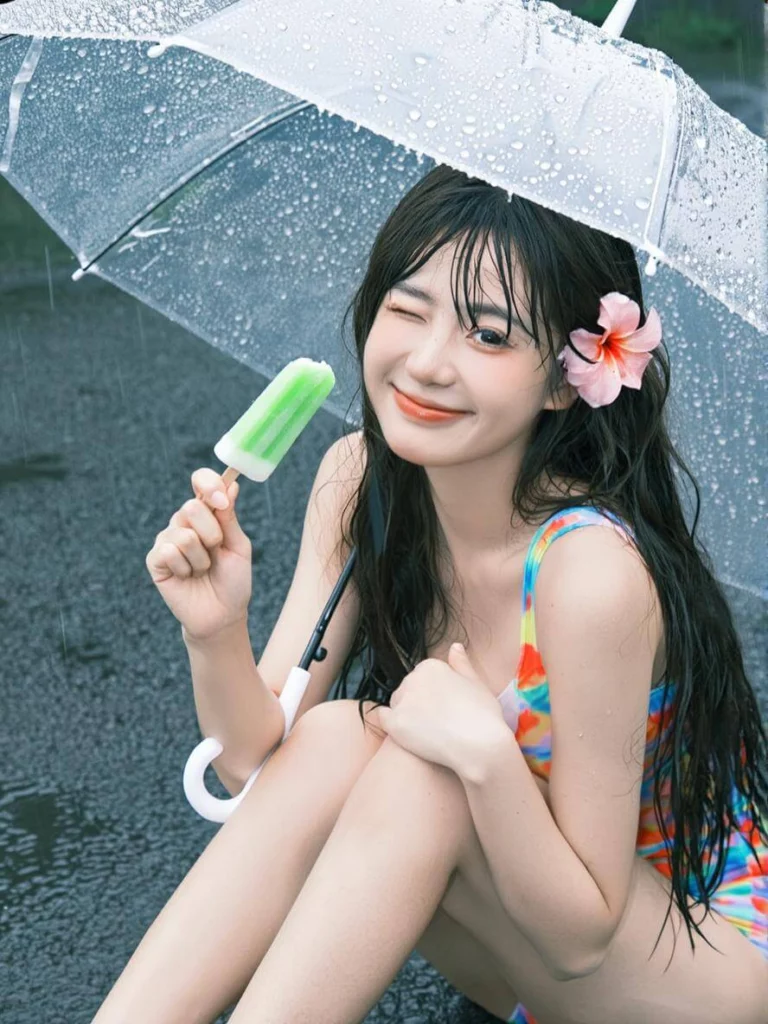
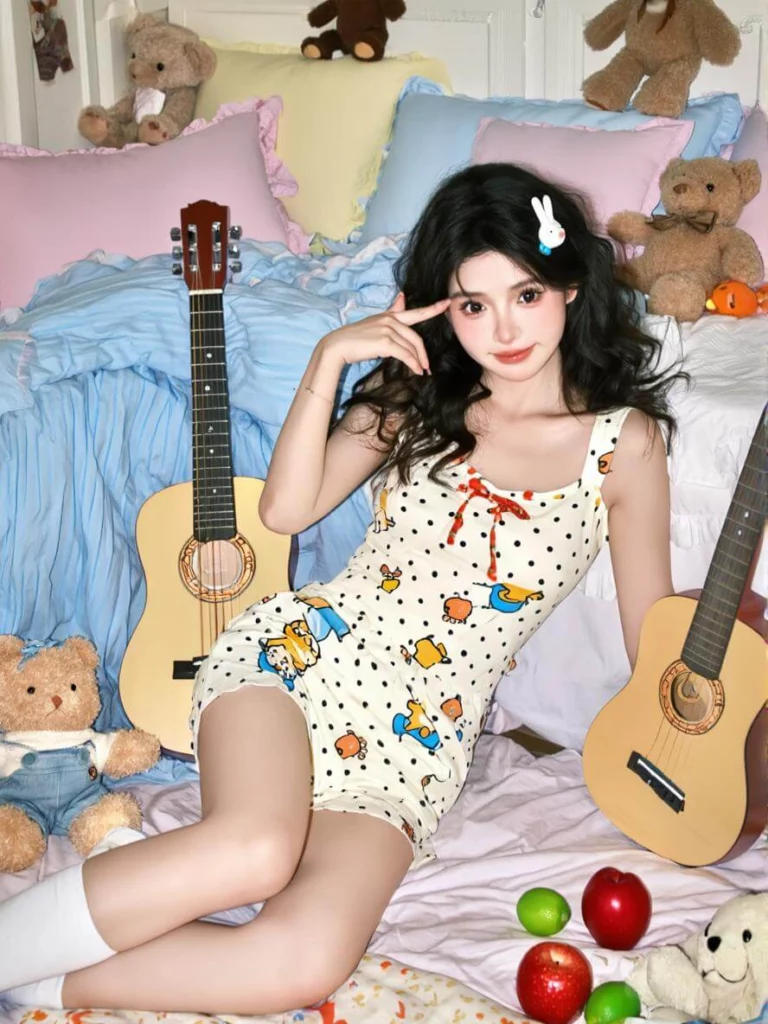
Creating professional visuals usually feels like a choice between two bad options. You either pay for an expensive studio or use messy AI tools that hallucinate. Now, Z-Image is changing the rules of the game. It is a specialized 6B parameter model that brings studio-quality realism to your browser. Instead of chasing massive size, it focuses on efficiency and commercial-grade output. Whether you are a solo creator or a brand manager, this tool offers a new way to work. It bridges the gap between creative vision and high-end execution perfectly.
The Story of Z-Image Behind the Alibaba Tongyi Breakthrough
The origins of this model trace back to the research labs of Alibaba Cloud. Specifically, it belongs to the Tongyi (Qwen/Wanx) ecosystem of artificial intelligence. Alibaba has a long history of pushing the boundaries of what open-source models can achieve. By late January 2026, the tech world saw the official release of this foundation model. It was designed to solve the common “bottlenecks” of image generation.
While many companies were building larger models, Alibaba focused on a non-distilled architecture. This means the model retains its full weight distribution. It does not lose data during the compression process. The result is a system that feels smarter and more responsive than its peers. It isn’t just a generic art bot; it is a professional-grade engine. The release marks a shift toward accessible, high-performance tools for everyone.
A Legacy of Innovation from Qwen
The Qwen series has already established itself as a leader in text and multi-modal AI. Z-Image benefits from this deep technical heritage. The developers used the lessons learned from large language models to improve visual understanding. This model can “read” your intent better than previous generations. It understands the relationship between objects, textures, and lighting in a scene. This shared knowledge base makes it much more reliable for complex commercial tasks.
Breaking the 6B Parameter Barrier
Many people think a model needs 50 billion parameters to look good. This model proves that theory wrong. At 6 billion parameters, it occupies a “sweet spot” in the AI landscape. It is small enough to run quickly on standard servers. Yet, it is large enough to capture the fine details of human skin and fabric. It handles intricate patterns without the blurring often seen in smaller models. This efficiency makes it the perfect choice for real-time creative workflows.
Inside the Z-Image Technical Framework
At its core, the model uses a sophisticated diffusion architecture. This allows it to generate images from scratch with incredible clarity. Unlike older models that simply “stitch” pieces together, this one builds the scene pixel by pixel. It follows the laws of physics regarding how light hits different surfaces. This is why a glass of water or a silk dress looks so realistic. The technical framework is designed for users who need a high level of control.
Non-distilled Weights for Richer Detail
Most “fast” models use distilled weights to save space. While this makes them smaller, it often washes out the fine details. This model uses non-distilled weights to ensure every pixel has a purpose. You can see the difference in the micro-textures of a product shot. The leather grain on a shoe or the condensation on a bottle looks authentic. For designers, this means less time spent on post-production and editing. The raw output is often ready for commercial use immediately.
Native Support for CFG Guidance
Control is the most important feature for a professional artist. This model natively supports Classifier-Free Guidance (CFG). This mechanism allows you to steer the AI closer to your specific prompt. If you want a “hyper-realistic” look, the CFG helps enforce that aesthetic. It prevents the model from drifting into abstract or messy territory. This native support makes the model much more predictable for professional projects. You get what you ask for more consistently.
Achieving Commercial Quality Without “AI Faces”
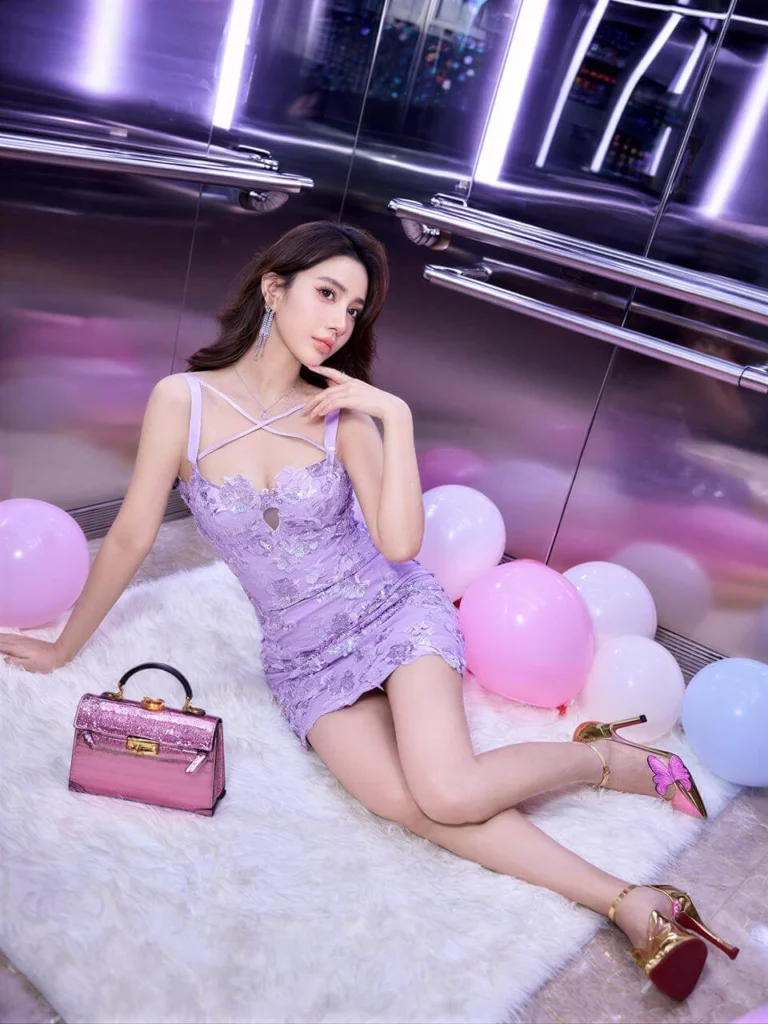
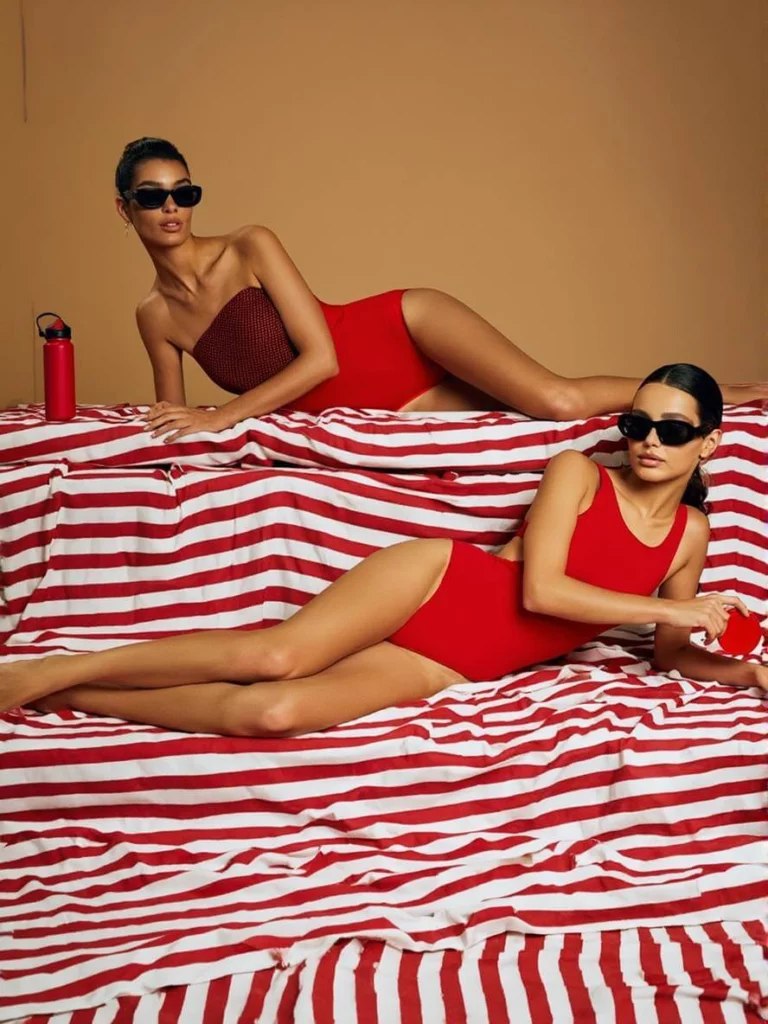
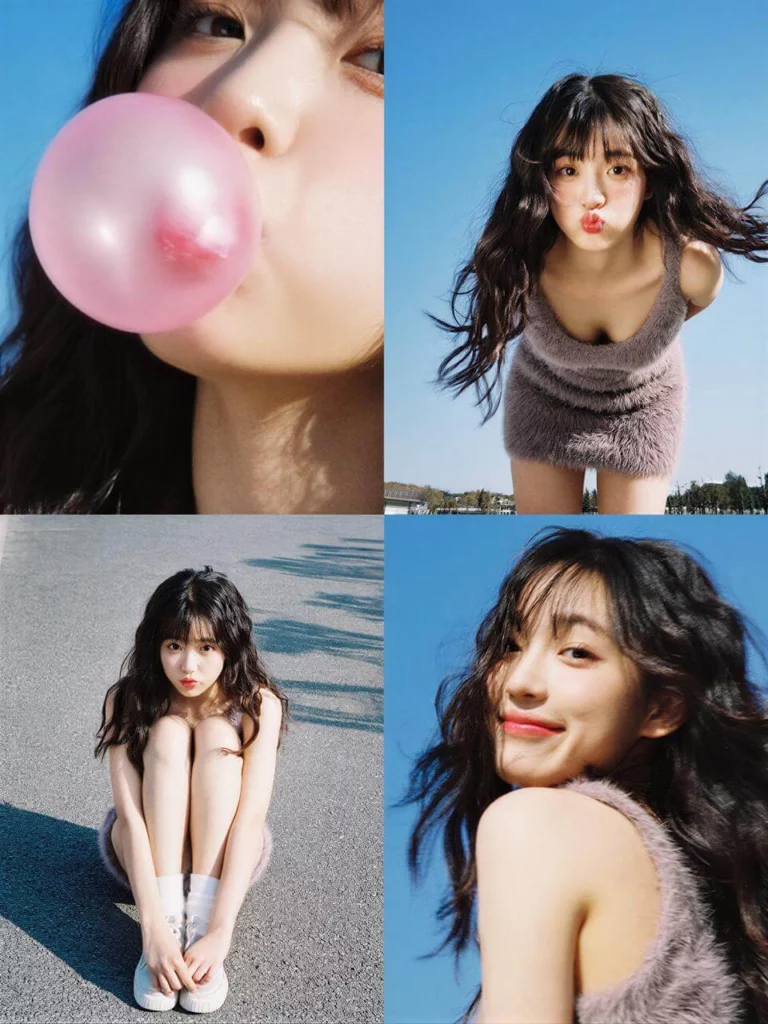
One of the biggest problems with AI is the “generic face” issue. We have all seen it—the same perfect, plastic-looking person in every image. This model solves that problem through optimized sampling space distribution. It ensures a wide variety of facial structures, ethnicities, and expressions. When you generate a group of people, they look like individuals. This diversity is crucial for brands that want to represent real human experiences. It adds a layer of authenticity that generic models simply lack.
Optimized Sampling for Human Diversity
The model’s training data focuses heavily on variety. It avoids the bias toward a single “look” that plagues other generators. You can generate models with different ages, styles, and backgrounds. The lighting on skin tones is handled with extreme care. This makes it a powerful tool for global fashion brands. You can create a diverse lookbook in minutes rather than weeks. The results feel intentional and modern rather than like an “AI template.”
Mastering Product Textures and Lighting
Marketing relies on the “touch and feel” of a product. If a photo looks flat, the product won’t sell. This model excels at rendering different material properties. It knows how light reflects off polished chrome versus matte plastic. It understands the drape of a heavy wool coat. This level of physical accuracy is what makes it “commercial-ready.” You can use it to create professional mockups that look like they were shot in a studio.

Practical Ways to Use Z-Image Today
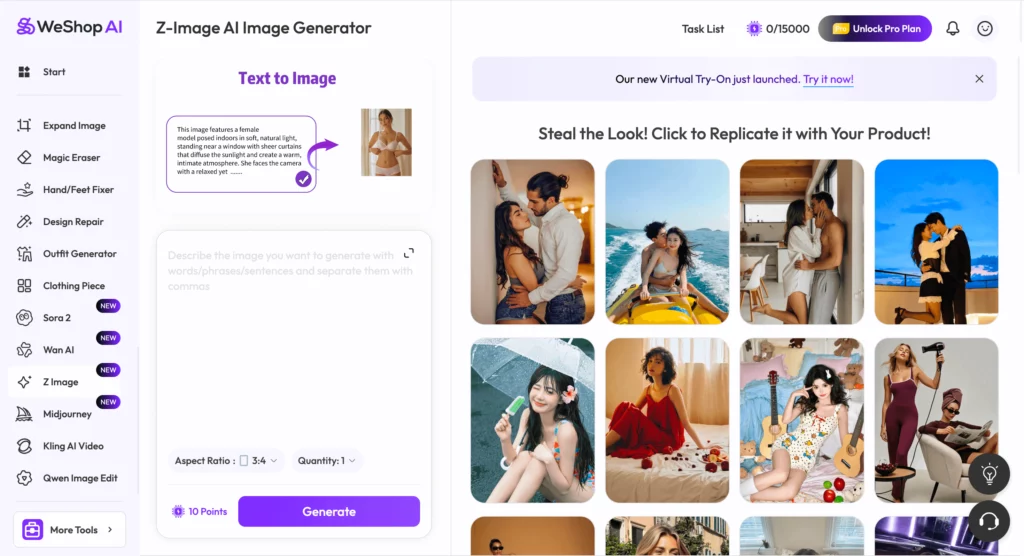
You don’t need a degree in data science to use this technology. Because it is open-source and integrated into platforms like WeShop AI, it is very accessible. It fits naturally into existing design pipelines. You can use it for rapid prototyping or final asset creation. The tool is especially useful for e-commerce sellers who need constant content. It removes the need for expensive logistics and long turnaround times.
Fine-tuning with LoRA and ControlNet
For power users, the model is a dream. Its architecture is a solid foundation for fine-tuning. You can use LoRA (Low-Rank Adaptation) to teach the model your specific brand style. If your brand has a unique color palette or aesthetic, you can “train” it into the system. It also works seamlessly with ControlNet for precise structural guidance. This means you can sketch a pose and have the AI fill in the details. The possibilities for customization are nearly endless.
Seamless Integration with Z-image in WeShop AI
WeShop AI has made this powerful model incredibly easy to use. You don’t have to worry about servers or code. The interface is clean and built for business owners. You can enter a text prompt and see the results in seconds. It also includes helpful tools for fixing hands or changing outfits. This ecosystem makes Z-Image a practical tool rather than just a tech demo. It is a complete solution for anyone who needs to produce visuals at scale.
Why Lightweight Models Win in 2026
The trend in AI is moving toward “specialized and efficient.” We are seeing a shift away from massive, all-purpose models. Users want tools that do one thing perfectly. This model is a prime example of that shift. It provides the quality of a giant model with the speed of a small one. In a commercial environment, time is money. Being able to iterate ten times in a minute is a massive advantage. It allows for a more fluid and creative design process.
Final Thoughts on Z-Image
The AI landscape is crowded, but Z-Image stands out because it solves the right problems. It doesn’t try to be a gimmick. It tries to be a utility. By focusing on a lightweight 6B architecture, it offers a unique combination of professional visual output and extreme accessibility.
It is rare to find a tool that is both “free-to-start” and “commercial-ready.” Usually, you have to sacrifice quality for price, or ease of use for power. This model proves that you can have all of them. It delivers stunning realism, incredible speed, and a clear workflow for anyone who needs to create high-quality images from text.
Ready to see what the future of AI generation looks like? Head over to WeShop AI and try Z-Image for yourself. Whether you are building a brand or just exploring your creativity, it is the tool you have been waiting for.