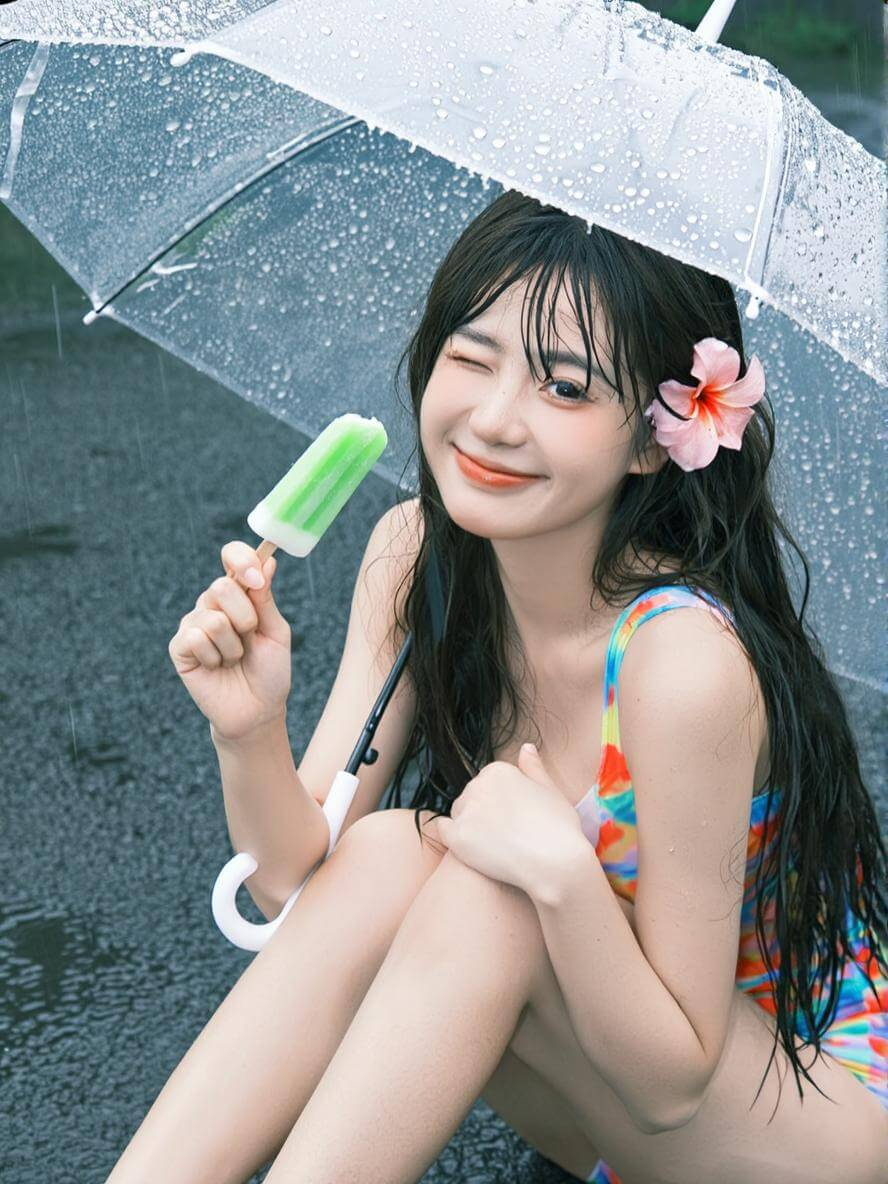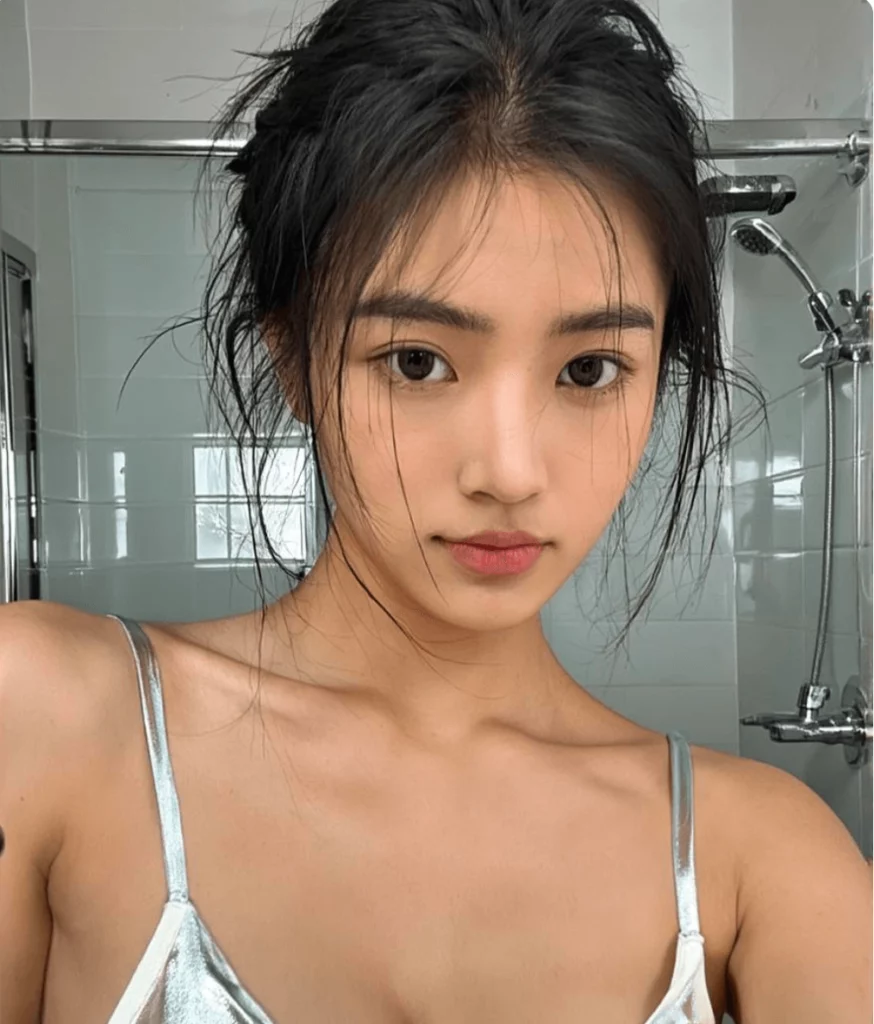
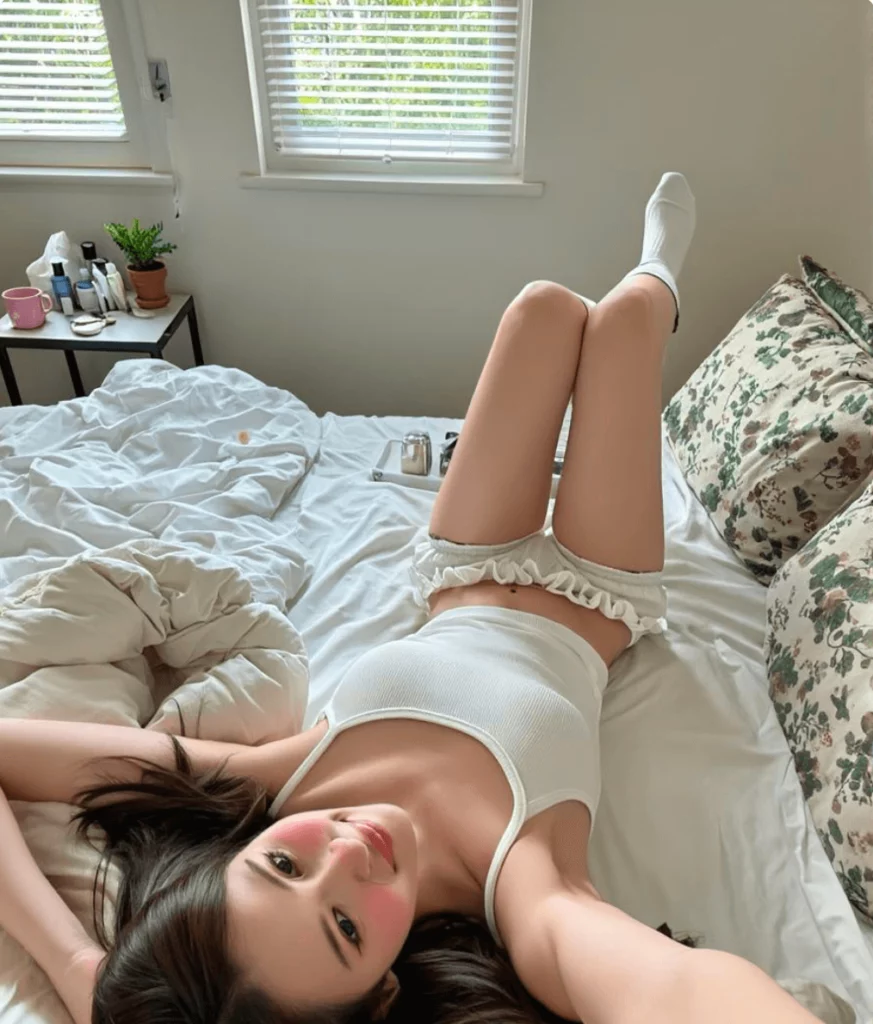
Just a few days ago, Alibaba Tongyi Lab shook the AI community. They officially open-sourced Z-Image Base. This model is part of the same family as the famous Qwen series. While Qwen is known for its incredible reasoning, this new release focuses on one thing: perfect pictures. Specifically, it aims for commercial-grade photography. Many creators are already calling it a “game-changer” for its efficiency. If you want a model that understands both light and logic, this is the one to watch.
What is Z-Image Base?
At its core, Z-Image Base is a foundation model. It is built on a 6-billion parameter architecture. This makes it much smaller than giants like Flux or Qwen-Image. However, do not let the size fool you. It uses a specific technology called Scalable Single-Stream Diffusion Transformer (S3-DiT). This design allows the model to process text and images in one single flow. It is highly efficient and very powerful.
The Power of S3-DiT Architecture
Most AI models use two separate paths for text and pixels. Z-Image does things differently. By using a single stream, it maximizes how much it learns from every parameter. This is why a 6B model can compete with 20B models. It saves memory while keeping high quality. You can run this on a standard 16GB graphics card. This lowers the barrier for many independent creators. It means professional tools are now available to everyone.
Professional Photography Quality
The “Base” version is the heavy lifter. It is not distilled, meaning it takes more steps to generate an image. Typically, you will use 30 to 50 steps. The result? Stunning detail. The skin textures are not overly smooth. You can see natural pores and fine hairs. The lighting follows the laws of physics. Shadows are soft where they should be. Highlights don’t look blown out or “fake.” For anyone doing e-commerce or fashion design, this fidelity is a must-have.
Z-Image Turbo: The 8-Step Speed Demon
Sometimes, you don’t have a minute to wait for one image. This is where the Turbo version shines. Alibaba used a process called “Decoupled-DMD distillation.” This is fancy talk for making the model smarter and faster. It learns the “shortcuts” to reach a high-quality result. It is built for those who need to iterate quickly.
Fast Iteration for Creators
The Turbo version only needs 8 to 9 steps. On a good GPU, it generates images in under a second. This is perfect for brainstorming sessions. You can prompt, see the result, and tweak the text instantly. While it loses a tiny bit of micro-detail compared to the Base version, the “vibe” remains the same. It still captures that “iPhone-camera” realism. It is perfect for social media content or rapid prototyping.
Comparing the Performance of Qwen and Z-Image
It is interesting to see two models from the same company compete. Qwen-Image is a massive multimodal model. It is great at “seeing” what is in a picture. It can follow very long, logical instructions. However, Z-Image is a specialized artist.
Text Logic vs. Visual Artistry
If your prompt is a complex logic puzzle, Qwen might win. It understands spatial relationships very well. For example, “a blue ball inside a red box on a green table.” But if your prompt is about aesthetics, Z-Image takes the crown. It understands “Cinematic lighting” and “Vogue style” better than almost any open-source model. It renders bilingual text (Chinese and English) much better than older models too.
Efficiency and Hardware Requirements
Qwen-Image is a beast. It often requires massive hardware to run locally. Z-Image is the “lean” alternative. It offers a “sweet spot” for performance. You get 90% of the quality with 30% of the hardware cost. For most studios, this efficiency is more important than raw parameter counts. It is a smarter way to build AI art.
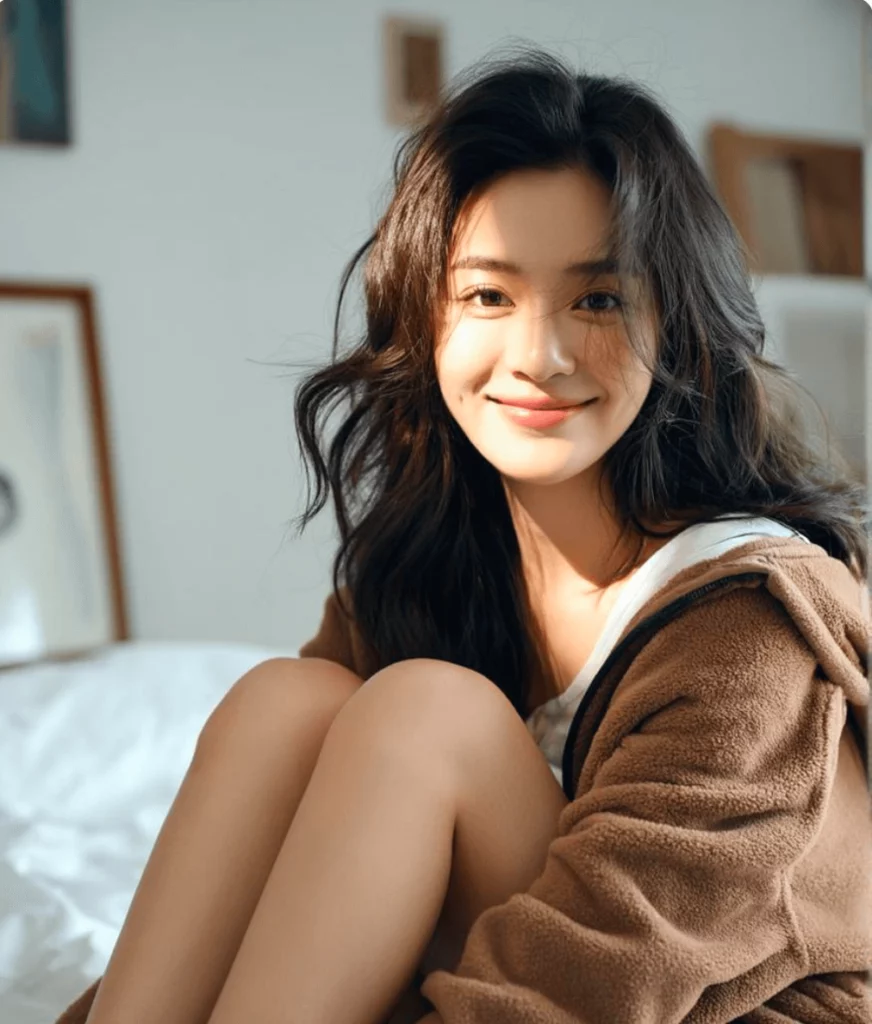
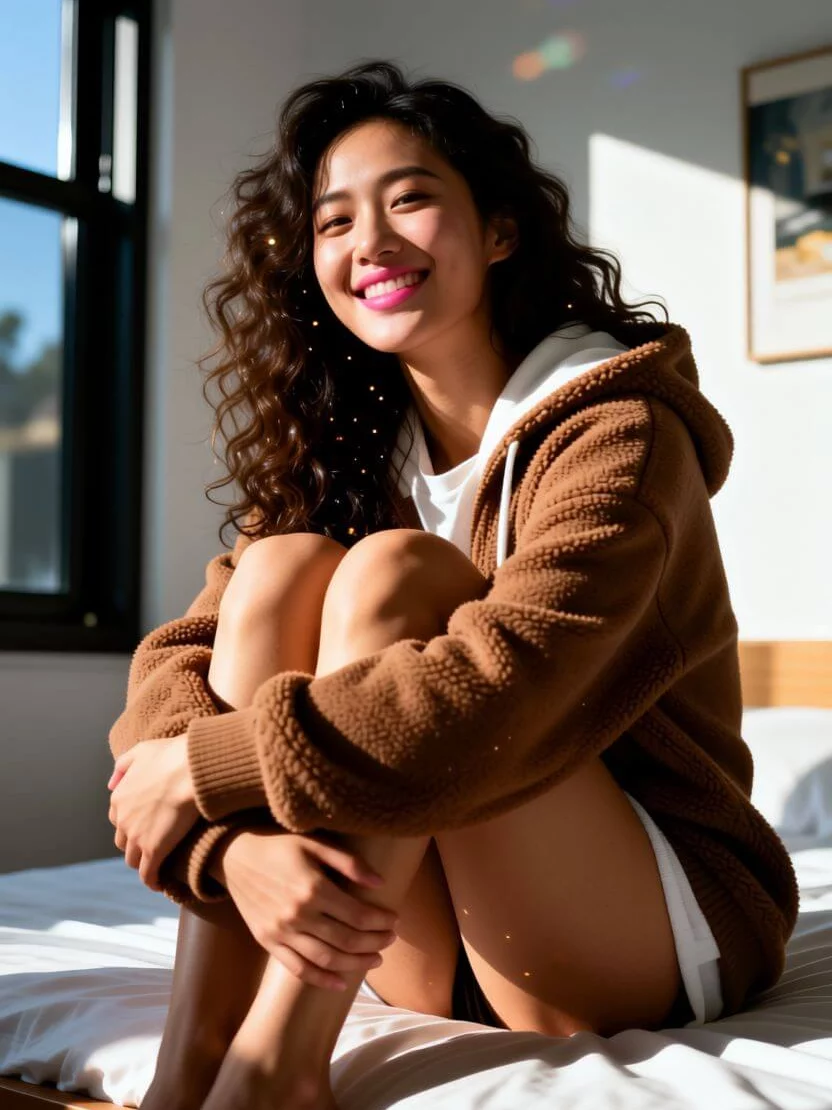
prompt: Low-angle or mid-shot shooting, highlighting facial contours and hand movements, with a blurred background and smooth flowing light following the movements. A young Asian woman, with natural skin tone, well-proportioned figure, slightly curly long hair, the natural texture of the hair clearly visible. Action options: sitting on the edge of the bed, smiling and hugging both knees, soft and natural light, with obvious contrast between light and dark outside the window, highlighting contours and fabric textures, gentle shadow transition, creating warm light and shadow layers. The background is a bright and simple bedroom with white walls and paintings, natural light shining into the room. Wearing a soft brown fleece hooded sweater with a white inner layer, casual and comfortable. Clear and natural makeup, lips in a light pink, natural nude makeup. The overall color tone has a hint of warmth, enhancing the depth and details of the light and shadow, the skin texture is real and fine, with subtle light spots and halos, creating a complete atmosphere. High resolution, with a cinematic texture.
How to Choose the Right Model
Choosing between these three depends on your goal. Here is a simple breakdown.
- Use Z-Image Base if you are creating high-res posters. Use it when every pixel matters. It is the choice for final deliverables.
- Use Z-Image Turbo if you are a busy creator. It is for those who need to see 100 variations to pick the best one. It is for the “fast-fashion” of AI art.
- Use Qwen if you need the AI to “think” more. If your project involves a lot of reading or complex spatial logic, Qwen is your partner.
How to Get Started for Free
You might think you need a $2,000 computer to try these. That is no longer true. You can skip the setup and the technical headaches. There are platforms that bring these models to your browser.
One of the best ways to test this tech is through specialized tools. You can go to WeShop AI to use Z-Image and Qwen for free online. It is an easy way to see the difference between Base and Turbo for yourself. You don’t need to install anything. Just log in, type your prompt, and watch the magic happen.
Final Thoughts
The release of these models shows a clear trend. AI is becoming more specialized. We no longer need one model to do everything. We need the right tool for the right job. Alibaba is providing those tools. By open-sourcing these checkpoints, they are helping the whole community grow. Whether you are a professional photographer or a hobbyist, these models offer something new.
The world of AI photography is moving fast. Don’t get left behind. Experience the future of commercial imagery today.