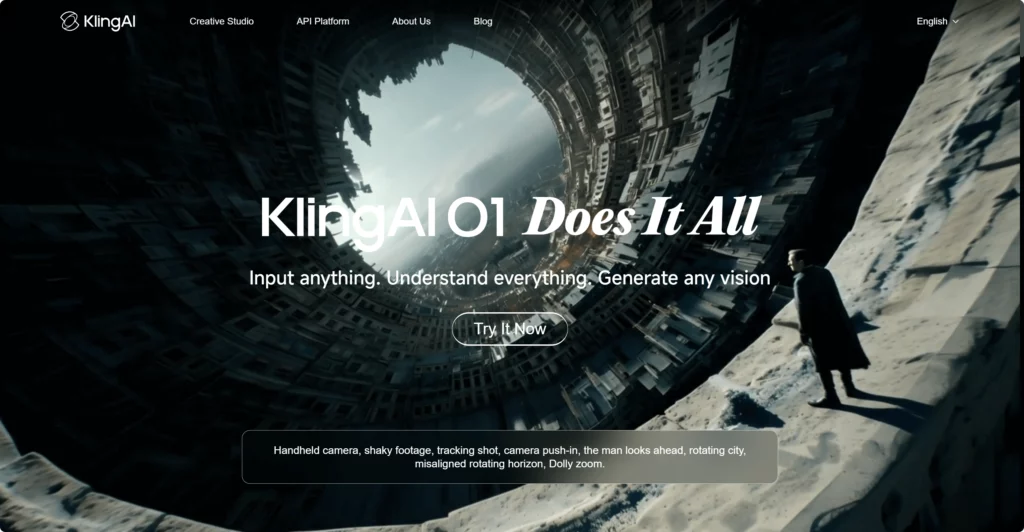
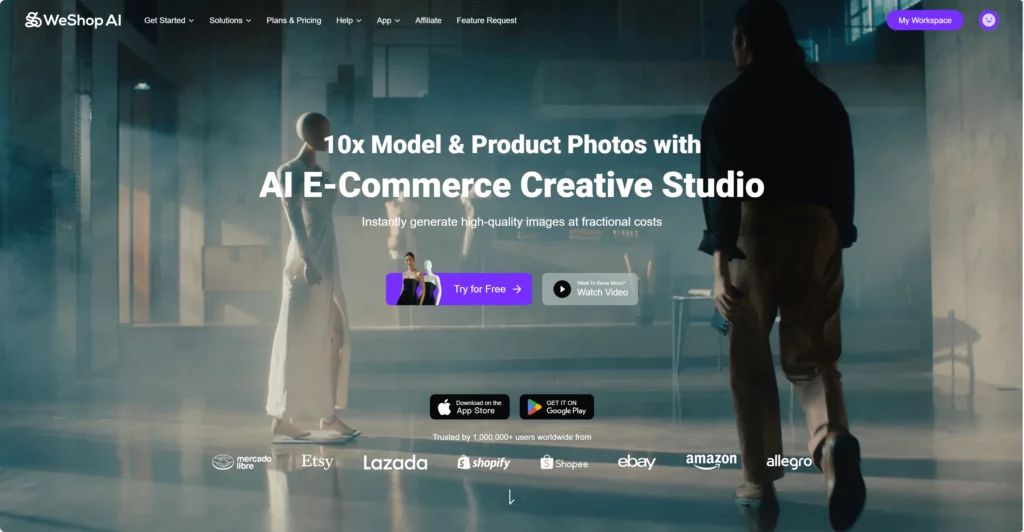
The AI creative world is getting busy fast, and two names you’ll often see are Kling AI and WeShop AI. They’re both powerful tools, yet they point in very different directions. One leans toward cinematic creativity, and the other focuses on practical e-commerce visuals.
Even though their paths cross here and there, each has a clear personality. So let’s walk through what they offer, who they’re built for, and how they stand apart — without getting overly serious.
What Kling AI Brings to the Table
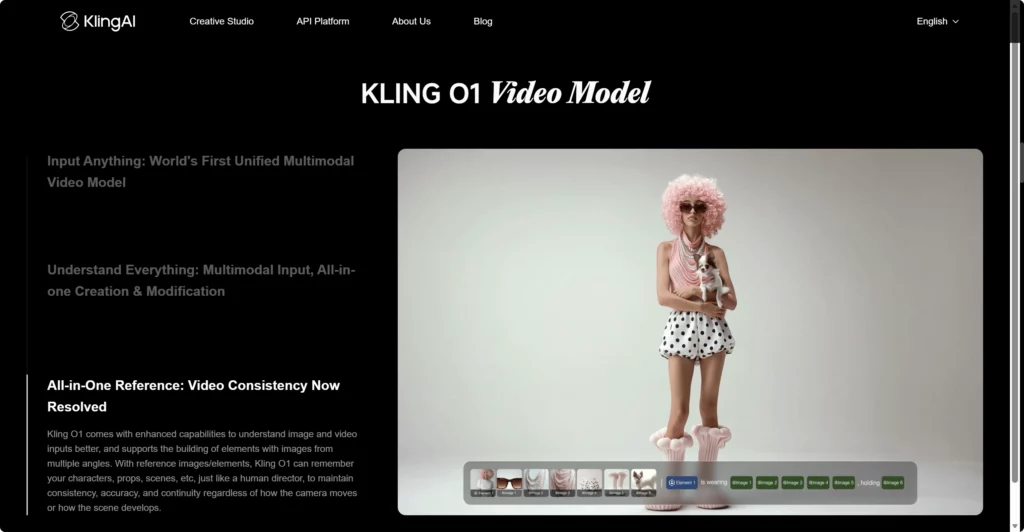
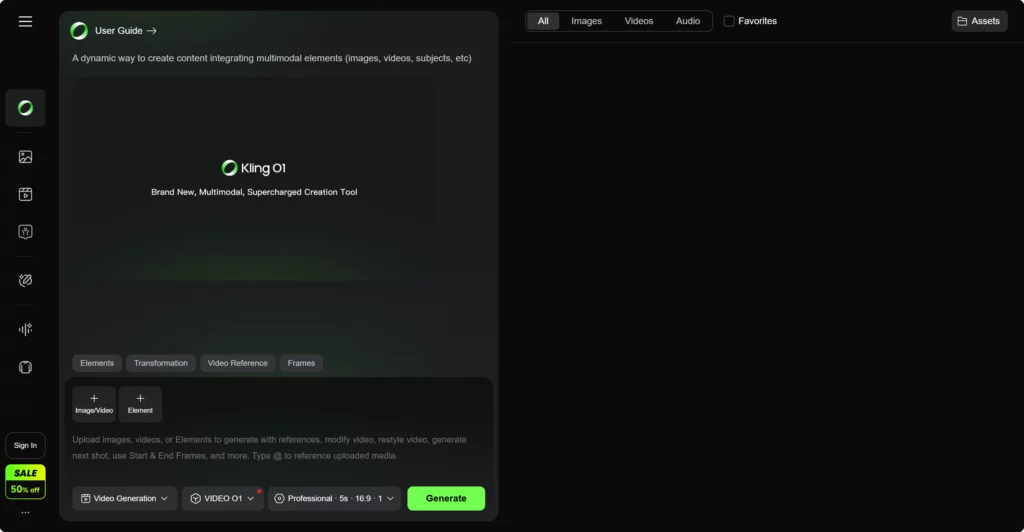
Kling AI is all about video and image generation. Give it a prompt, or upload an image, and it can turn your idea into a short, cinematic clip. That’s its main magic.
What It Does Well
- It can turn text or images into short, dynamic videos.
- Clips often feel cinematic, with motion, camera movement, and lighting baked in.
- It’s now available globally, which makes it easier to access and use.
- It cuts down the time and cost of making creative content, especially for small teams or solo creators.
- It works across many areas — ads, storyboards, mood boards, concept art, social content, and more.
Where It Still Struggles
- It’s not a full editing platform. You may still need traditional tools for polishing.
- Long videos or complex multi-scene stories can still be tricky.
- Some prompts or sensitive content may simply not run.
- For commercial-level video production, human editing is often still needed.
Who Usually Uses Kling AI
- Content creators and influencers
- Designers and artists
- Marketers needing quick, dynamic visuals
- Filmmakers or small studios prototyping ideas
Basically, Kling AI is for people who want to create imaginative, moving visuals fast, without dealing with cameras, actors, lights, or editors.
What WeShop AI Offers
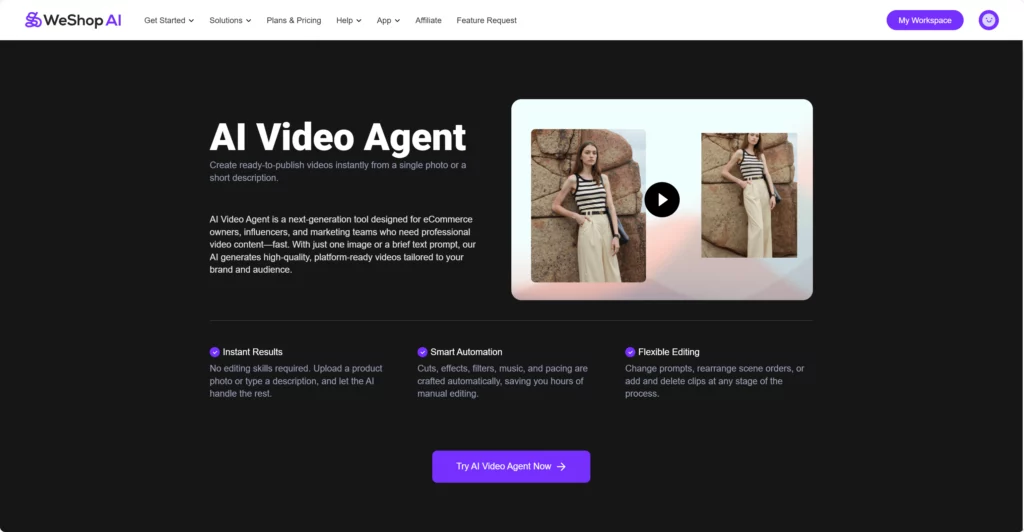
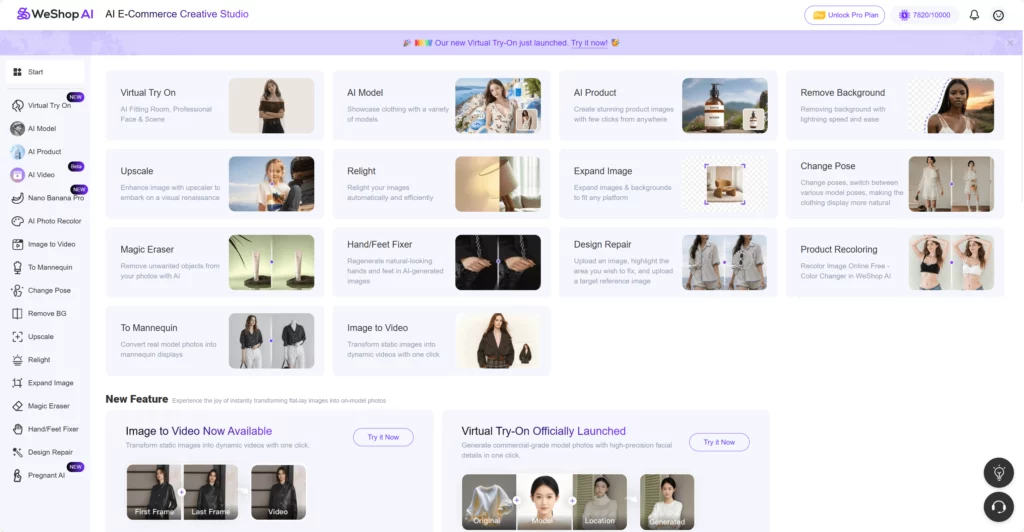
WeShop AI lives in a different world — the e-commerce one. Its specialty is turning product photos into realistic model images, virtual try-on shots, and clean product visuals. Think of it as a full content studio for online sellers.
What Weshop AI Does Well
- You can upload a flat-lay, mannequin, or product photo and generate a model wearing the item.
- It has a huge collection of AI models, body types, poses, and scenes.
- It lets you change poses, backgrounds, outfits, and lighting.
- It automates lots of steps — background removal, relighting, scaling, enhancing.
- It saves time and money for sellers who would otherwise do photoshoots.
Where It Has Limits
- If you need extremely specific scenes or highly stylized shoots, there may be limits.
- Some non-fashion products can be harder to render realistically.
- It focuses mainly on images, not cinematic video production.
Who Uses WeShop AI
- Small and mid-size online stores
- Fashion brands
- Social commerce sellers
- Marketing teams that need lots of product visuals fast
In short, WeShop AI is great for anyone trying to sell products online and keep everything looking clean, consistent, and realistic.
Kling AI vs. WeShop AI: Side-by-Side
| Category | Kling AI | WeShop AI |
|---|---|---|
| Main Focus | Creative video + image generation | E-commerce visuals + virtual try-on |
| Best Output | Short clips, concept art, creative scenes | Product photos, model images, lifestyle shots |
| Audience | Creators, artists, marketers | Brands, online shops, sellers |
| Strengths | Creative freedom, cinematic motion | Realistic product visuals, fast workflows |
| Weaknesses | Limited editing & long video support | Not ideal for highly artistic videos |
| Where It Shines | Storytelling, ads, concept work | Lookbooks, social commerce, product listings |
There’s some overlap — both reduce production time and help people create visuals fast — but their goals remain different. One tool inspires creativity; the other powers e-commerce.
Which One Should You Use?
Here’s the simplest way to choose:
- Pick Kling AI if you want dynamic and creative content — video ads, storytelling clips, cinematic scenes, or experimental ideas.
- Pick WeShop AI if you want product-focused visuals — model images, catalog shots, lifestyle photos, or anything you’d put on a store page.
- If you need both? Use both. Kling AI for video, WeShop AI for product listings. They actually complement each other well.
And if you’re building a brand identity online, having both types of content — cinematic storytelling and clean product visuals — can be a strong combination.
A Quick Take on the Bigger AI Trend
Tools like Kling AI and WeShop AI show how visual creation is shifting. AI isn’t just a fun toy anymore. It’s becoming part of real workflows — from indie creators making ads to small merchants running entire stores from a laptop.
There are still challenges: realism, consistency, and brand control all matter. But for everyday use, especially for fast-paced content needs, these AI tools already change the game. They help people tell stories faster, test ideas instantly, and push out content without heavy budgets.
Conclusion
Kling AI and WeShop AI may sit in the same AI era, but they serve different goals. Kling AI fuels imagination with moving visuals, while WeShop AI focuses on helping sellers show products clearly and attractively. Both are strong in their own spaces. If your work needs creativity and motion, Kling is your friend. If your work needs realism, consistency, and product clarity, WeShop AI fits better.
And of course, you can mix them. Many brands already do — cinematic videos from Kling and polished product images from WeShop AI. As AI evolves, using multiple tools together may become the new normal.