The creative world has shifted rapidly over the last two years. In 2026, we no longer just type prompts into a chat box. We build complex, intelligent workflows to get the job done. Flora AI has emerged as the leader of this new movement. It is not just an image generator. It is a full aesthetic design agent. This review will explore why it is changing the game for pros. We will look at its features and its new 2026 pricing. Let’s see if Flora AI fits your professional toolkit.
What is Flora AI and Who is it For?
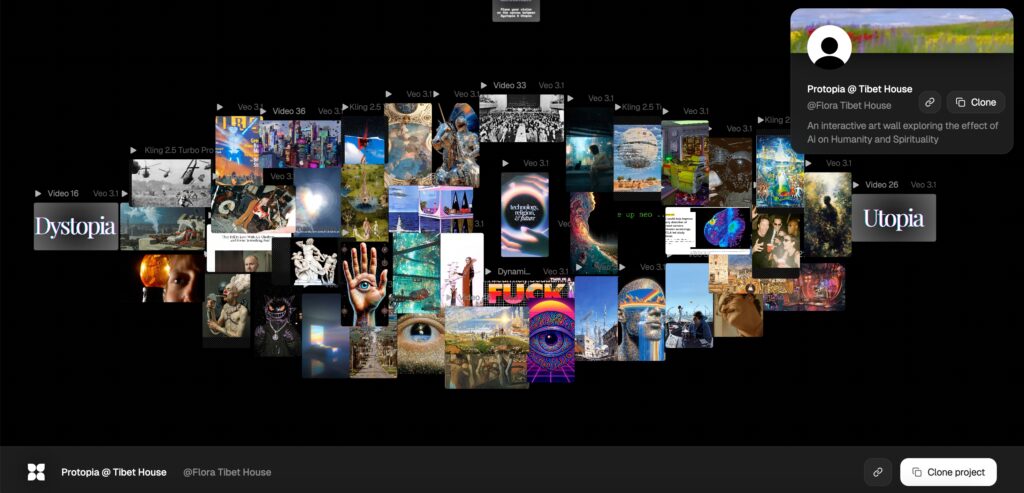
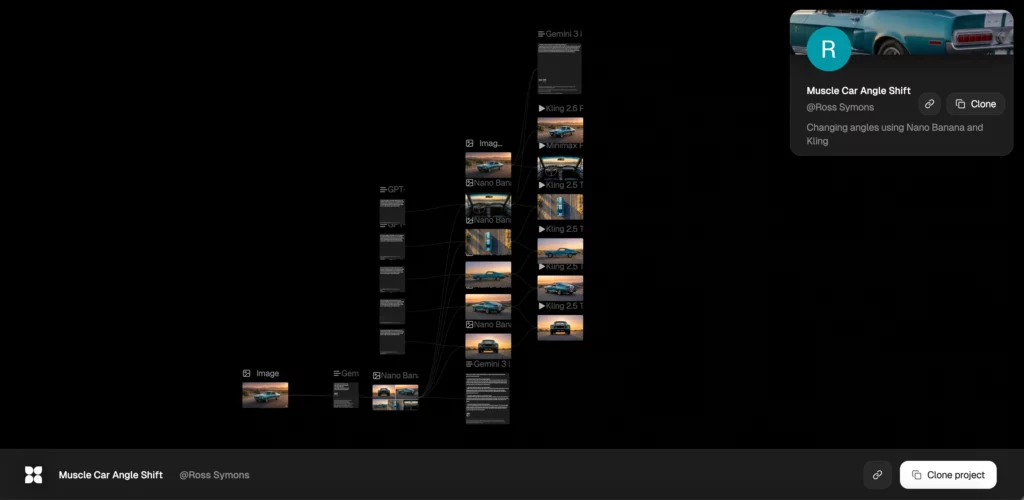
Many people call Flora AI a “creative sandbox.” It is built on an infinite canvas, similar to Figma or Miro. You do not just get one output at a time. Instead, you build a visual map of your ideas. You connect different steps of the creative process using nodes. This makes the platform feel more like a professional studio than a simple app.
This tool is designed for people who need total control. If you are an art director, you will love it. If you are a brand manager, it will save you time. It is perfect for teams who want repeatable results. Midjourney is great for luck, but Flora AI is built for a plan. It bridges the gap between raw AI power and human creative direction.
The Core Flora AI Features: Beyond the Simple Prompt
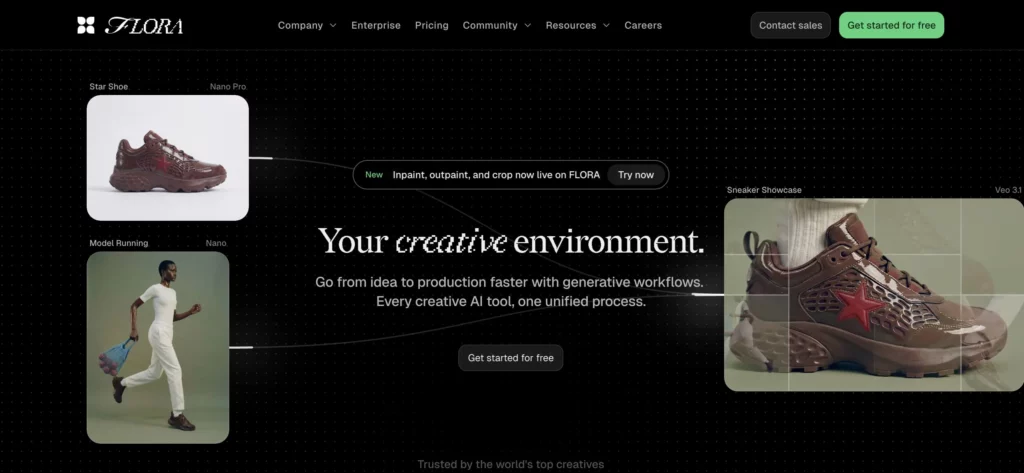
Most AI tools hide their settings from the user. Flora AI does the opposite. It gives you the keys to the engine. The node-based system is the heart of the experience. You can link a “Text Node” to an “Image Node.” Then, you can link that image to a “Video Node.” This chain allows you to see exactly how your idea evolves.
One of the best features is the Multi-Model Hub. In 2026, you can access several top-tier models in one canvas. You can use Flux 2 Pro for realism. You can use Seedream 4.5 for cinematic lighting. You can even use Veo 3 for high-end video clips. You do not need five different subscriptions. Flora AI brings them all into one workspace for you.
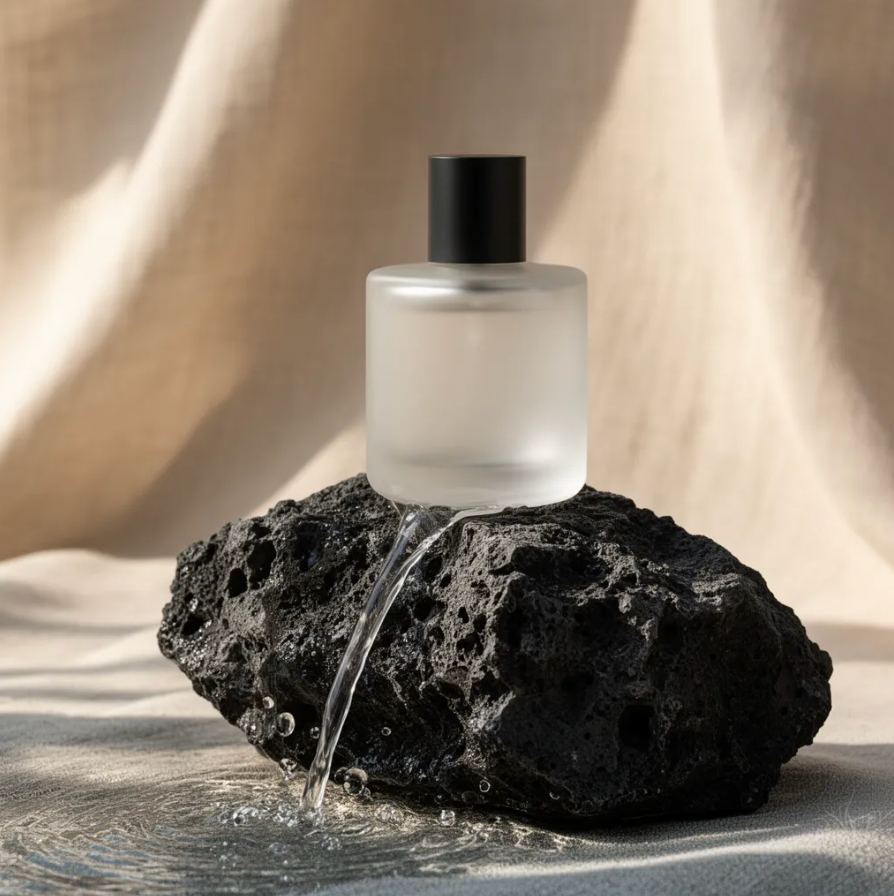
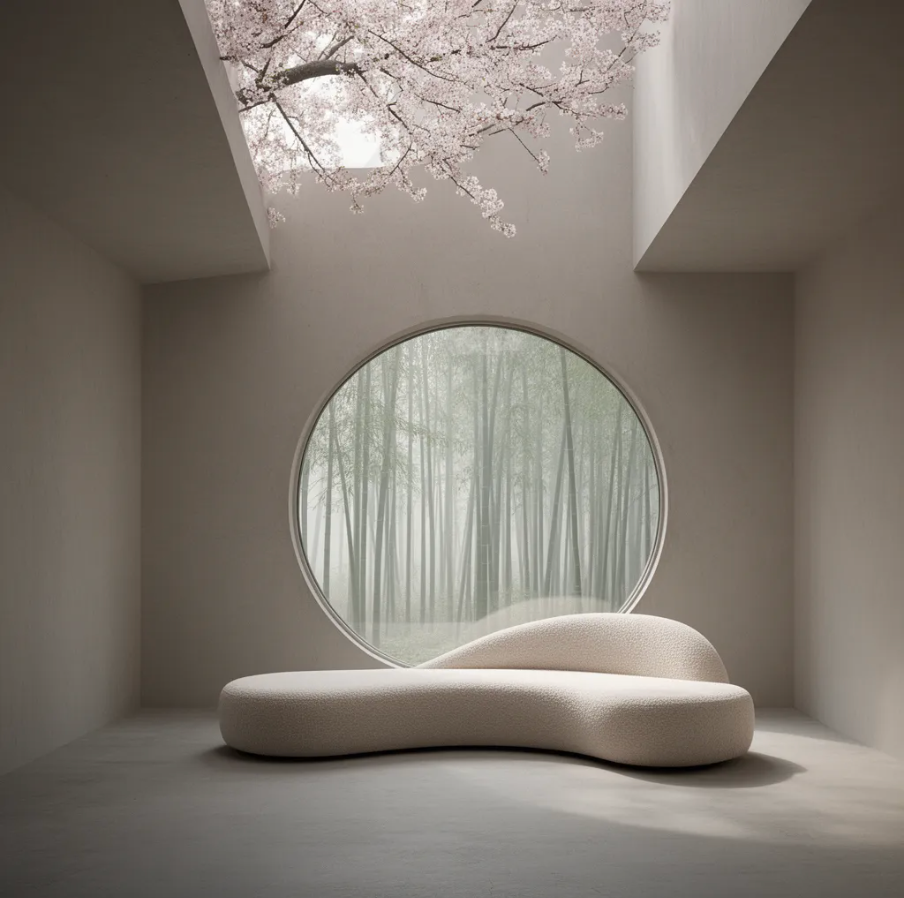
The “Organic Composition Engine” is another major update for 2026. It helps you place objects naturally in a scene. It understands depth and weight better than older tools. This is very useful for interior designers and product photographers. Your images will look like a human styled them, not a machine.
Mastering the Flora AI Style DNA System
Consistency is the biggest challenge in AI art. Flora AI solves this with its Style DNA feature. This is essentially a custom LoRA training tool. You upload 15 to 20 reference images that define your look. This could be a specific color palette or a texture. The AI then “learns” this specific aesthetic.
Once your DNA is trained, you can apply it to any node. If you want a 1970s film look, just activate that Style Node. Every image generated in that chain will follow the same rules. This is a massive win for brand consistency. It prevents the “random” look that plagues other AI generators. You can even share these DNA kits with your whole team.
Analyzing Flora AI Pricing: Which Plan Fits You?
Pricing in 2026 is based on how much power you need. Flora AI has simplified its tiers to match different workflows. Paying annually is the smartest way to save money. You can get up to 25% off with a yearly commitment.
| Plan Tier | Annual Monthly Cost | Fast Credits | Key Features |
| Free Starter | $0 | 500 (One-time) | Basic Canvas Access |
| Personal | $14 | 2,500 | Style DNA Lite |
| Professional | $32 | 8,000 | 4K Upscaling & Video |
| Studio | $58 | 25,000 | Team Collaboration |
| Enterprise | $135 | 60,000 | API Access & Training |
The Professional Plan is the best value for solo pros. It gives you enough credits for heavy daily work. It also unlocks the high-end video nodes like Kling and Veo. If you work at an agency, the Studio Plan is better. It allows your whole team to work on the same infinite canvas.
Flora AI vs Midjourney: A Battle of Style
The choice between these two depends on your goal. Midjourney V7 is still a king of artistic “happy accidents.” It creates beautiful images with very short prompts. But it is a “black box” system. You cannot easily change one specific detail without starting over. It is for inspiration, not for precise production.
Flora AI is a production powerhouse. It is built for the “final mile” of design. Because it is node-based, you can fix small parts of an image easily. You can swap a character’s clothes in one node. You can change the lighting in another. Midjourney is a camera; Flora AI is the entire film set. In 2026, designers are moving toward Flora for its reliability.
Real-World Workflow: Using Flora AI for Luxury Branding
Let’s look at how a luxury brand uses this tool. They start with a Style Node. They upload photos of their actual products and store interiors. The AI analyzes the soft lighting and the marble textures. This becomes the brand’s “Style DNA.”
Next, the team uses a GPT-4o Text Node. They feed it the brand’s marketing brief. The AI generates five different visual concepts. Each concept is then wired into an Image Node. Because the Style DNA is active, all five concepts look cohesive. They all match the brand’s luxury feel.
Finally, they add a Video Node. They turn the best image concept into a five-second social media ad. They use the Upscale Node to reach 4K resolution. This whole process takes less than an hour. Before 2026, this would have taken a week of photoshoots.
The Pros and Cons of the Flora AI Platform
No tool is perfect. Flora AI is very powerful, but it has a learning curve.
The Pros:
- Total control over every step of the creative chain.
- Access to multiple top-tier models in one place.
- Excellent character and style consistency features.
- The infinite canvas is perfect for visual brainstorming.
The Cons:
- The node-based system can be confusing for beginners.
- It requires a more technical mindset than simple prompting.
- Some high-end video nodes are expensive in terms of credits.
If you enjoy the “slot machine” style of AI, you might find Flora too complex. But if you are a professional, the complexity is an advantage. It allows you to deliver exactly what a client wants.
A Simple Guide to Your First Flora AI Project
If you are ready to start, follow these three steps.
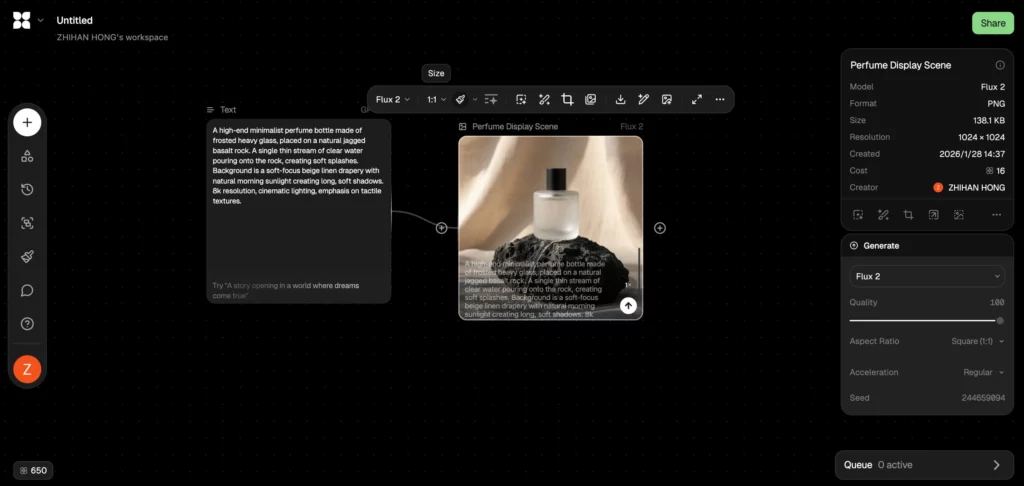
- Initialize the Canvas: Open a new project and add your first Text Node. Describe your core idea in simple terms.
- Add a Model Node: Connect your text to a model like Flux 2. Run the generation to see your first draft.
- Refine with Style: Create a Style Node and upload a reference image. Watch as your draft transforms into a polished brand asset.
Don’t be afraid to experiment with the connections. The best results often come from mixing different models together.
Final Verdict: Is Flora AI the Right Partner?
In 2026, Flora AI is a top-tier choice for creative professionals. It provides a level of structure that other tools lack. It respects your creative process. It gives you the tools to scale your ideas without losing your unique style. For anyone doing branding, film pre-viz, or complex marketing, it is a must-have.
It is a fantastic tool for general aesthetic branding. However, some niches require even more focus. If your daily work is strictly about E-commerce photography, you should also look at specialized agents. While Flora is great for art, Weshop AI is often better for high-conversion retail shots. It focuses specifically on product accuracy and realistic model placement for web stores.