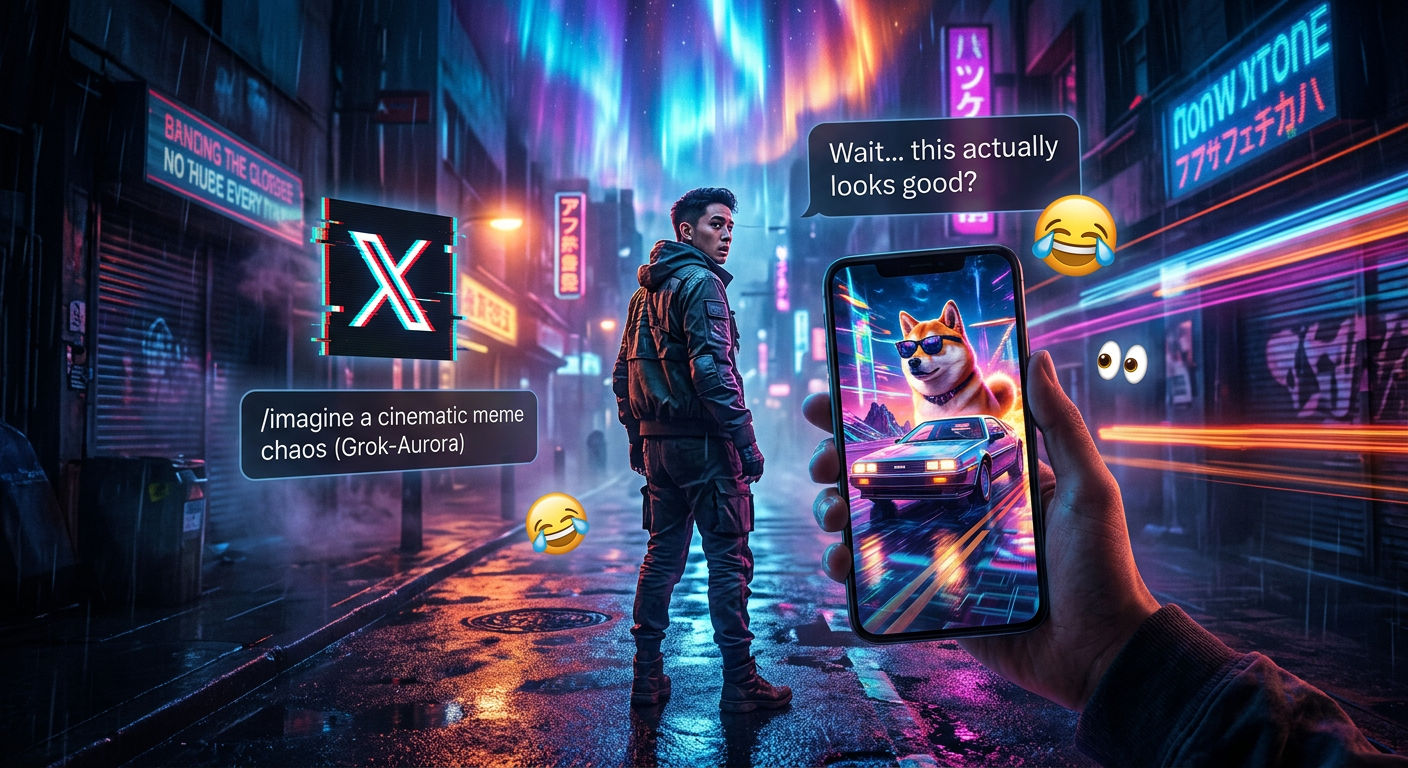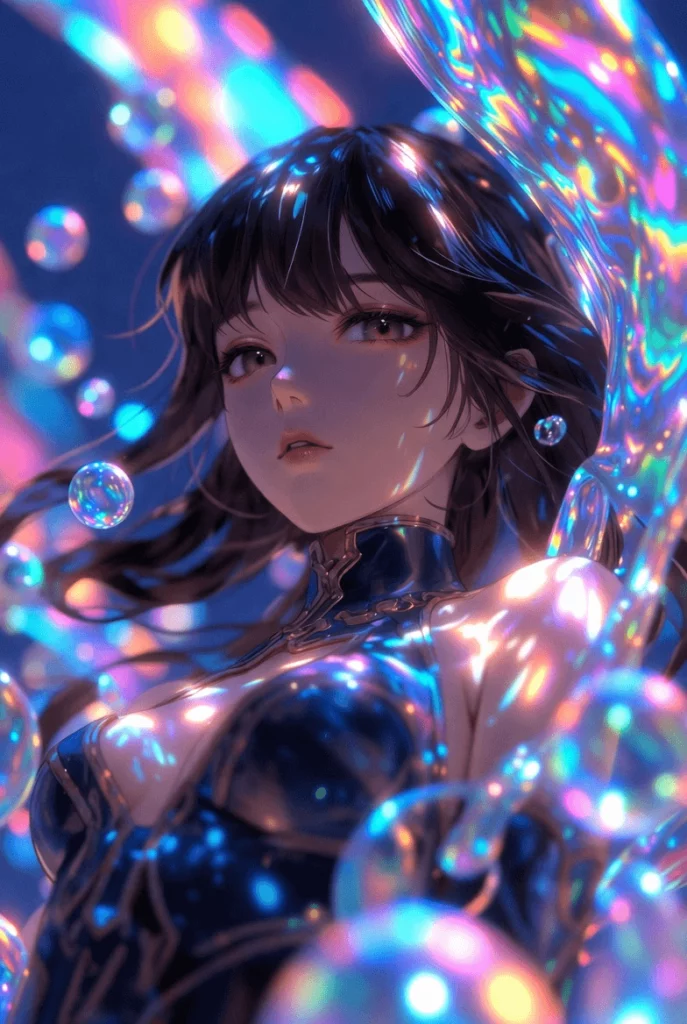
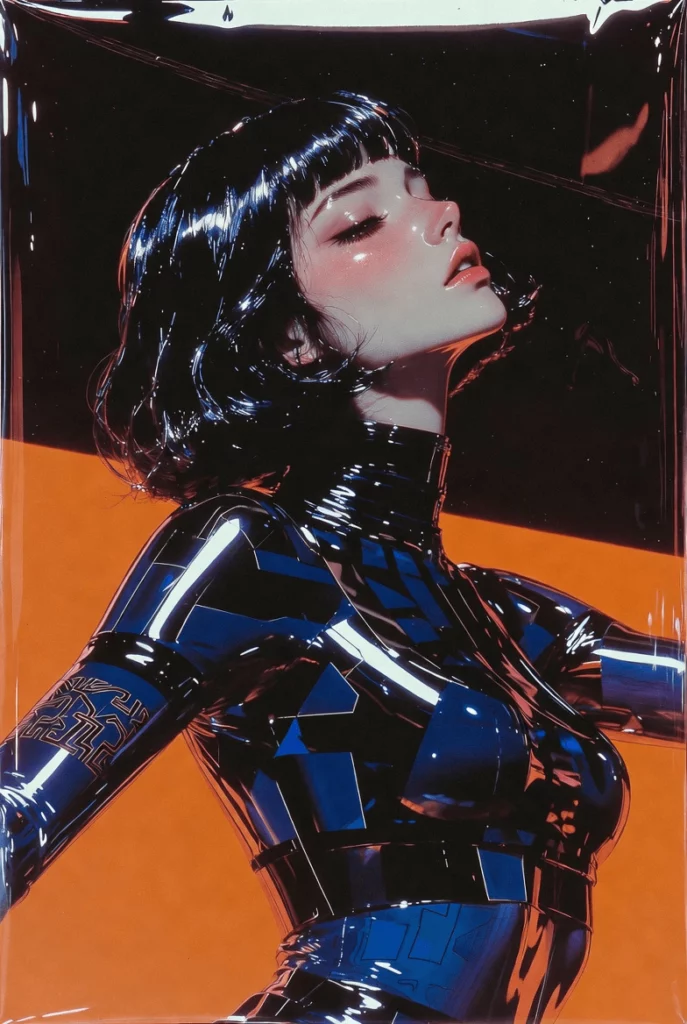
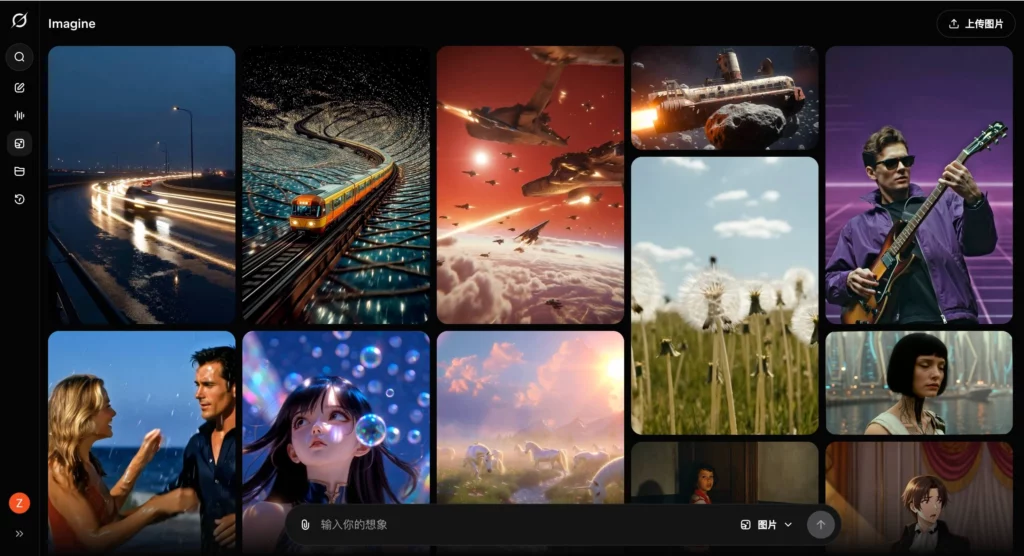
In February 2026, with the official launch of Grok Imagine 1.0 just days ago, Elon Musk’s xAI has effectively shifted the center of gravity in the AI image. We aren’t just talking about generating “cool pictures” anymore. We are talking about a unified, multimodal powerhouse that generates 10-second high-definition videos, crystal-clear typography, and photorealistic textures that bypass the “nanny-state” filters of Silicon Valley. In this massive Grok Image review, we are going to dissect the technology, the controversy, and the sheer creative brute force of the new “Imagine” suite.
The Rebirth of Grok 1.0: Why “Imagine” is the New Standard
The tech world was buzzing last week when xAI announced Grok Imagine 1.0. To the uninitiated, the name “1.0” might sound like a step backward, but in Musk-speak, this represents the first “Foundational Media Model” that is fully integrated into the unified SpaceX/xAI ecosystem. This isn’t just an upgrade; it’s a total architectural reset.
For much of 2025, Grok relied on external partnerships (like the famous Flux.1 integration) to handle its heavy visual lifting. However, the 2026 “1.0” release marks the debut of Aurora-2, xAI’s proprietary video and image engine. This model was trained on the “Colossus” supercluster—now the world’s largest GPU farm—allowing it to process visual spatial logic with a depth that even Sora and Veo are struggling to match.
The most staggering statistic from the launch? Imagine generated 1.245 billion videos in January 2026 alone. That is more than the combined output of its three nearest competitors. When you use the “Imagine” tool at grok.com/imagine, you aren’t just using a generator; you are tapping into a global creative hive-mind that is updating in real-time based on X’s social data.
Flux-Driven Brilliance: The Secret Behind Grok Image Realism
While Aurora-2 is the new heart of the system, Grok Image still carries the DNA of the Flux.1 Pro partnership that made it famous. This “Hybrid Model” approach allows Grok to maintain the incredible text-rendering capabilities of Flux while adding the emotional depth and lighting physics of xAI’s internal research.
In our testing, the “Imagine” tool excels at what we call “The Macro-Micro Balance.”
1. Macro: The overall composition follows the physics of a 35mm lens perfectly. If you ask for a “shallow depth of field,” the bokeh is buttery and natural, not the “blurry soup” seen in lower-tier models.
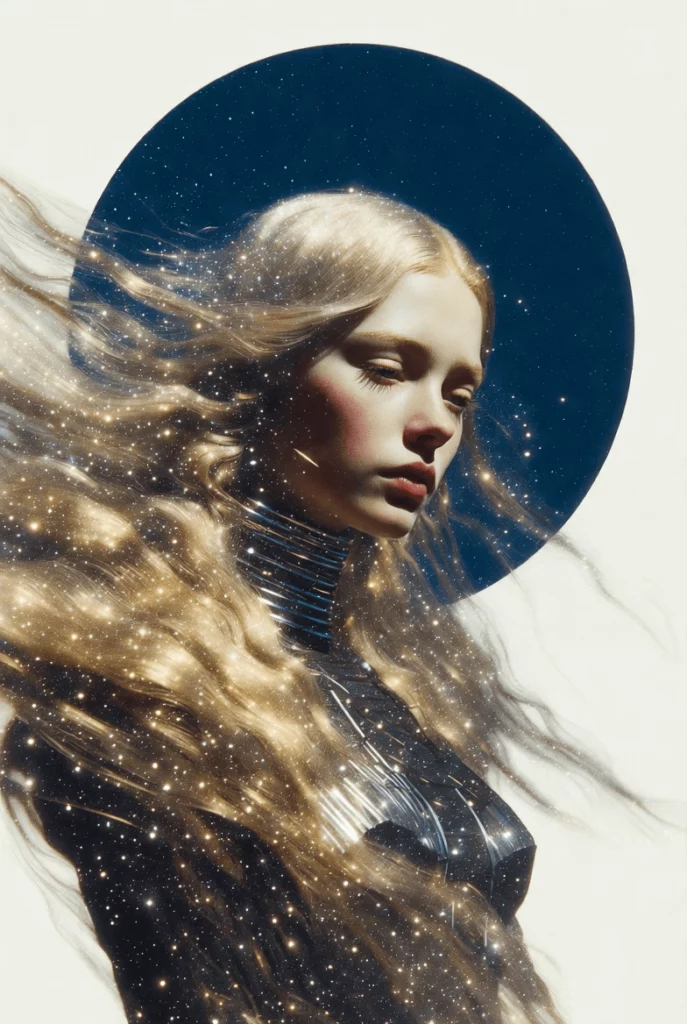
2. Micro: The texture of skin, the weave of fabric, and the specific glint in a human eye are rendered with 4MP clarity.
In 2026, we’ve moved past the “uncanny valley.” Grok Image doesn’t produce “AI-looking” people; it produces “photographs” of people that don’t exist. This is largely thanks to a new training technique called “Temporal Latent Flow,” which treats every static image as a potential frame of a video, ensuring that lighting and shadows remain consistent across any angle.
Solving the Text Problem: How Grok Image Mastered Typography
If you look back at the articles from 2024 (like the ones shared in the community from LovArt or Weixin), the “Holy Grail” was always text. Everyone wanted an AI that could spell.
Grok Image didn’t just solve the spelling problem; it mastered contextual typography. In Imagine 1.0, if you prompt for “A gritty noir detective holding a newspaper with the headline ‘THE TRUTH IS OUT THERE’,” the AI doesn’t just put the text on the page. It ensures the font matches the 1940s era, the ink has a slight smudge where the detective’s thumb is, and the paper has a tactile, newsprint grain.
This level of detail is why marketing agencies are flocking to Grok for rapid ad-prototyping. The ability to generate a ready-to-post graphic with perfect copy in under 10 seconds is a logistical miracle that has decimated the traditional stock photo industry.

Unfiltered and Unhinged: The Cultural Impact of Grok Image
We cannot discuss Grok Image without addressing the “elephant in the room”: the lack of traditional filters. In a world where Gemini or DALL-E might lecture you on “diversity and inclusion” before refusing to draw a historical figure in a funny hat, Grok takes a “freedom of speech” approach.
This “no-filter” philosophy is what makes the tool a viral hit on X. You can generate satirical images of world leaders, parodies of corporate mascots, and high-concept social commentary that would be “auto-blocked” on any other platform.
Breaking the Nanny-State: The “Imagine” Ethics of 2026
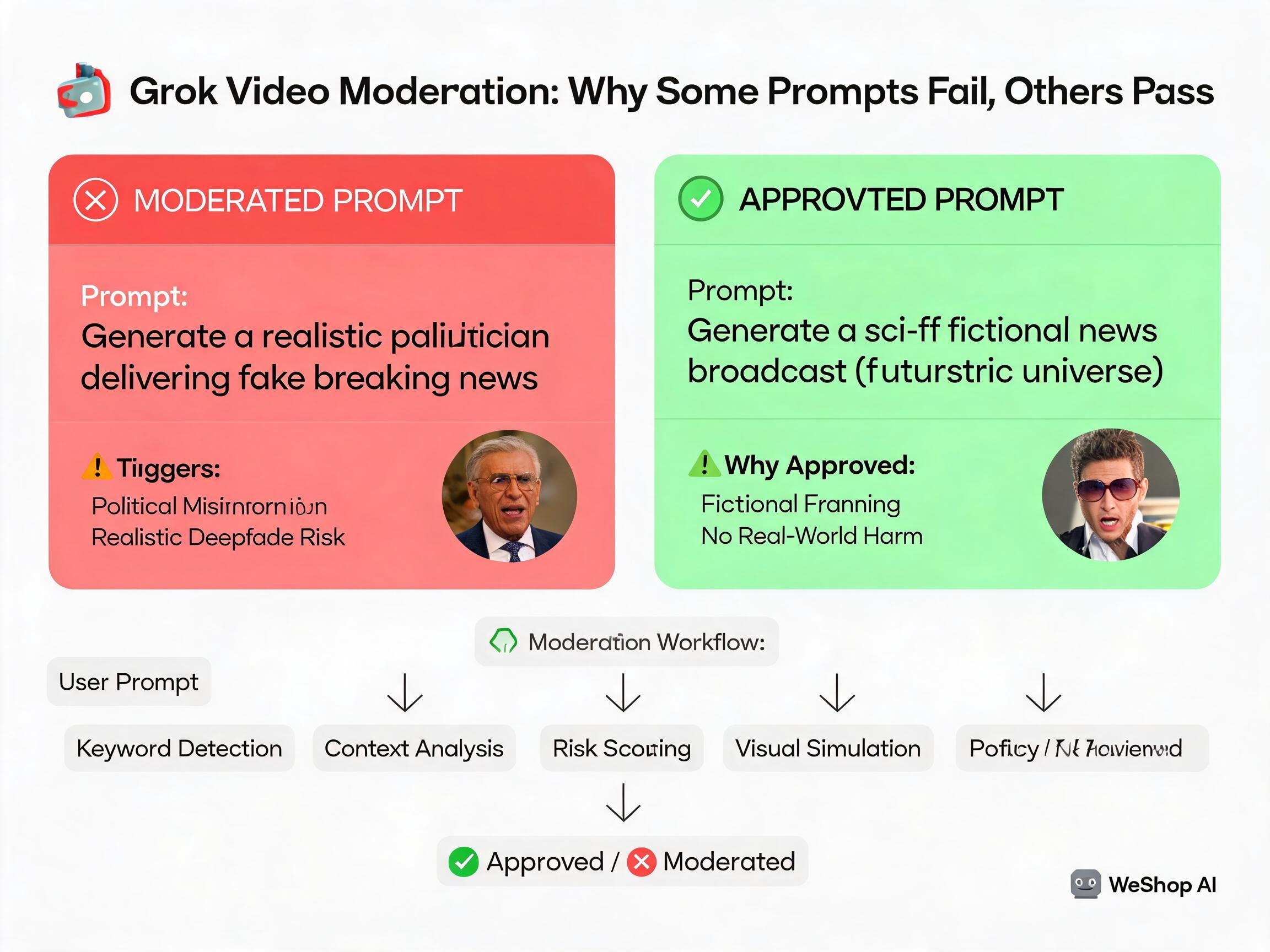
Is this dangerous? Critics say yes. Musk says it’s essential for “TruthGPT.” In my review, I found that Grok Image actually has a very sophisticated “Safety Layer”—it’s just not a “Moral Layer.”
- The Guardrails: It still blocks explicit child safety violations and non-consensual sexual content (though regulatory pressure in countries like India has recently forced xAI to tighten these specific nodes).
- The Freedom: It allows for “Edge Content.” If you want to see a billionaire fighting a giant robot in the style of a 1970s manga, Grok will do it. If you want to see a political debate reimagined as an epic fantasy battle, Grok is your only option.
This has led to the rise of “Prompt Journalism” on X—where users respond to breaking news by generating a Grok Image visualization of the event within seconds of it happening. It is a new, chaotic form of visual communication that is defining the mid-2020s.
Video Evolution: The “Imagine 1.0” 10-Second Leap
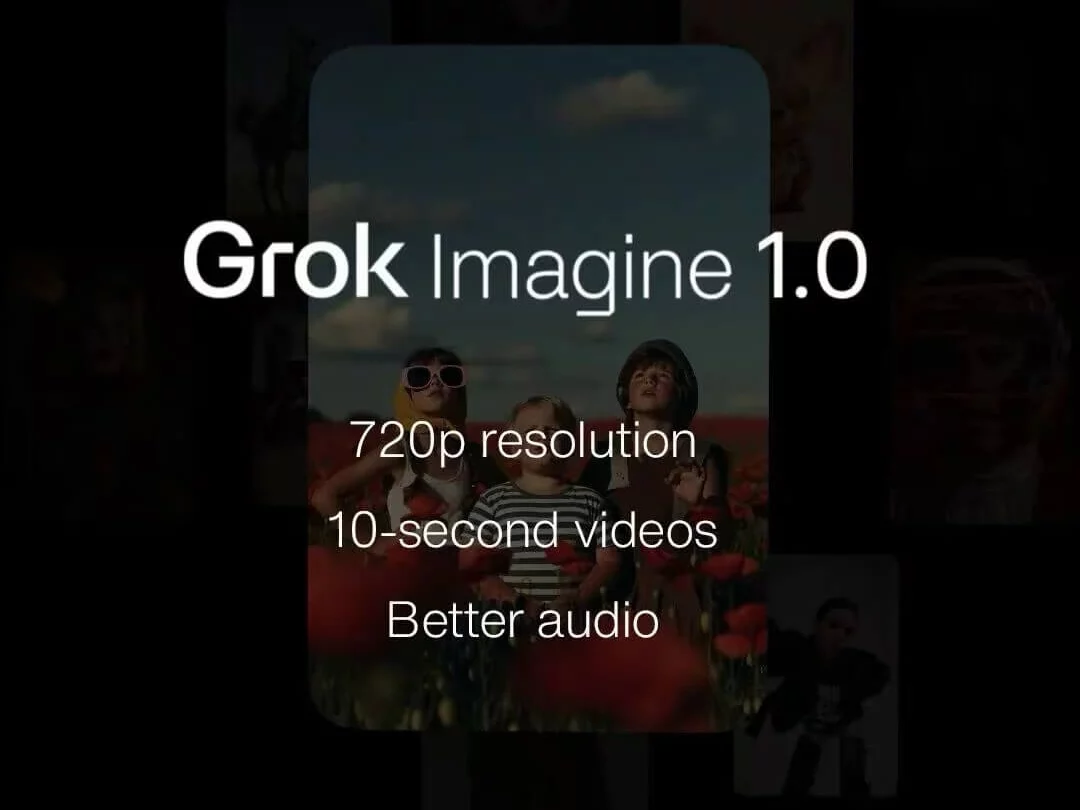
The “new launch” mentioned earlier isn’t just about stills. The Grok Imagine 1.0 update introduced the ability to generate 10-second HD video clips (720p) with synchronized audio. While 10 seconds might not sound like much compared to a movie, in the world of social media, 10 seconds is an eternity.
The audio integration is the real star here. Using the same “Voice Doctor” tech seen in competitors like HeyGen, Grok now generates expressive, emotional character voices that match the visual movement of the avatar’s lips. It even adds immersive background music and sound effects (foley) based on the scene description. You can literally prompt your way into a mini-movie without leaving your X feed.
Pricing, SpaceX Integration, and the Grok Image Ecosystem
As of February 2026, Grok Image is no longer a standalone experiment; it is a core feature of the “X Everywhere” strategy. Following the SpaceX/xAI merger, the platform has seen a massive injection of capital and engineering talent, leading to a new subscription tier structure.
The 2026 Subscription Tiers
| Tier | Price (Monthly) | Grok Image Features | Best For |
| X Premium | $8 | 50 Images/day, 2 Videos/mo (720p) | Casual Users |
| X Premium+ | $16 | 500 Images/day, 20 Videos/mo (HD) | Content Creators |
| SuperGrok Heavy | $45 | Unlimited Images, 100 Videos/mo, 4K Upscaling | Professional Agencies |
| SpaceX Connect | $99 | API Access, Satellite Uplink for Starlink | Remote Professionals |
Pro Tip: If you are a serious creator, the Premium+ tier is the “sweet spot.” It gives you enough “Imagine” credits to stay viral while providing the priority GPU access needed to skip the morning rendering queues.
The “Imagine” API: Building the Next Generation of Apps
For developers, the launch of the Grok Imagine API in late January 2026 was the real headline. We are already seeing third-party apps—from indie games to automated marketing bots—plugging directly into Grok’s visual engine.
The API is priced aggressively, specifically targeting the market share of OpenAI. By offering “state-of-the-art video generation across quality, cost, and latency,” xAI is positioning itself as the foundational layer for the “Visual Internet.” The integration with SpaceX’s Starlink also means that developers in remote regions can now process high-res AI imagery with sub-second latency, a feat previously reserved for those near major data centers.
Final Verdict: Is Grok Image the New King of AI Art?
After a week of intense testing on the Grok Imagine 1.0 build, here is the bottom line.
The Good:
- Prompt Adherence: It listens to you. If you want a specific detail, you get it.
- Typography: Unmatched. Period.
- Freedom: It doesn’t lecture you; it creates for you.
- Video Integration: The 10-second clips with audio are a game-changer for social media engagement.
The Bad:
- The “Elon Factor”: The tool is intrinsically tied to Musk’s brand and X’s ecosystem. If you don’t like X, you’re out of luck.
- Resource Heavy: The 1.0 engine is demanding. On lower-tier connections or older hardware, the web dashboard can feel sluggish.
- Copyright Grey Areas: The “unfiltered” nature means you have to be careful about commercializing images that might look a little too much like copyrighted characters.
Summary: In 2026, Grok Image has evolved from a witty sidekick into a creative titan. With the Grok Imagine 1.0 update, xAI has proved that they can compete with—and often beat—Google and OpenAI in the visual arena. It is the only tool on the market that combines raw power with a “let’s see what happens” attitude, making it the most fun and potentially the most powerful AI you will use this year.