










Seedance 2.5 Micro-Expressions: Can an AI Face Feel Real?
Can an AI-generated face show emotion before it smiles? This case study breaks down a 20-second Seedance 2.5 micro-expressions performance, its timed prompt, and a smaller text-only test using a minimal prompt.[
Seedance 2.5 Micro-Expressions: Can an AI Face Feel Real?
Seedance 2.5 micro-expressions can turn a still portrait into more than a moving face. In the right sequence, a pressed lip, faster blink, tightening jaw, or half-hidden smile can carry an entire story. This case study examines a 20-second image-to-video test built around one difficult performance: a woman trying not to laugh.
The source came from a Reddit experiment rather than a polished ad campaign. That makes it useful for creators, social teams, and ecommerce marketers. The clip tests whether subtle emotion can remain readable while the face, hair, lighting, and camera position stay consistent.
The Challenge Behind Realistic AI Face Animation
Large expressions are easy to describe. A prompt can ask a character to smile, cry, or look surprised. However, believable acting happens between those labels. The viewer notices the effort to hide an emotion before the emotion itself appears.
That is why this Seedance 2.5 facial expression test uses suppression as its central action. The performance develops in waves: control, leakage, release, recovery, and a final wordless apology. Each stage gives the model a clear emotional cause and a set of visible facial cues.
The camera also stays locked. Therefore, motion cannot hide behind cuts, zooms, or dramatic angles. The face has to do the work.
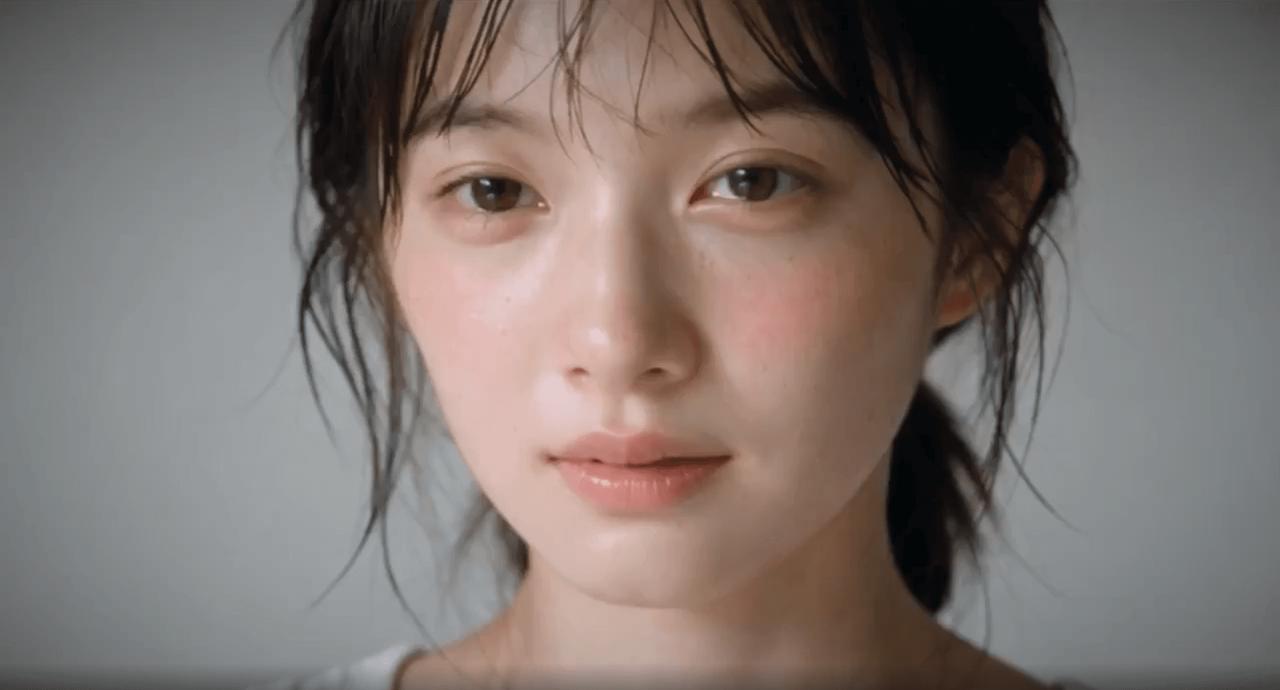
Original Reference for the Seedance 2.5 Micro-Expressions Test
The starting image uses a centered, front-facing portrait with soft daylight and a simple background. The subject’s eyes, mouth, jawline, and stray hairs are all clearly visible. This gives Seedance 2.5 micro-expressions a stable identity anchor and leaves enough detail for small movements to register.
Watch the Published Seedance 2.5 Micro-Expressions Result
Three Frames That Reveal the Expression Progression
The change becomes easier to read when the clip is paused. These three frames show that the performance does not jump directly from a neutral face to open laughter. Instead, control weakens in visible stages.
| Suppression | Leakage | Release |
|---|---|---|
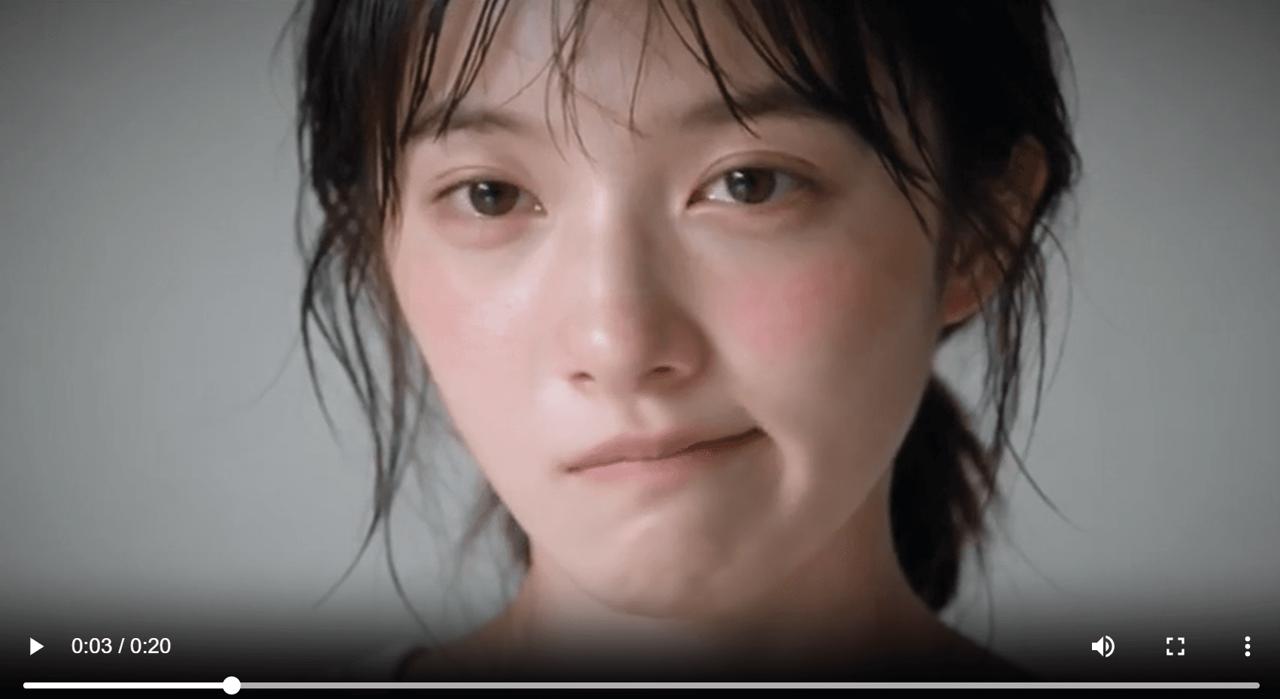 | 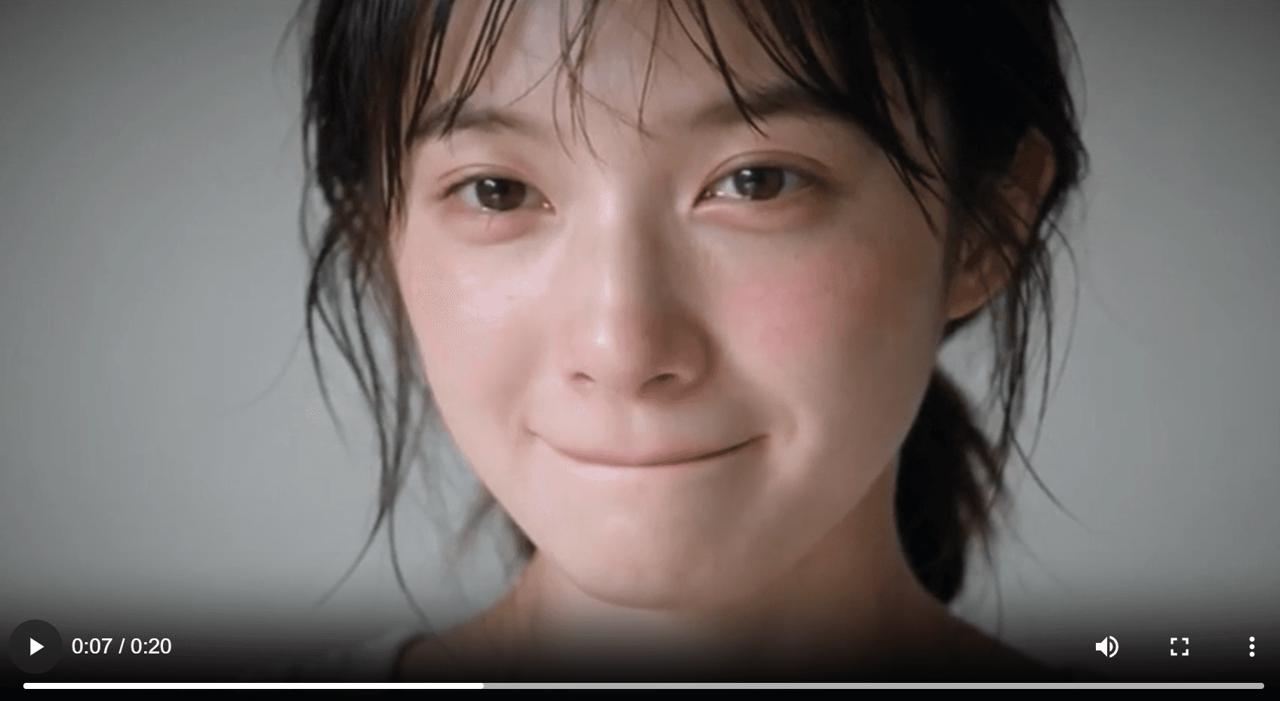 | 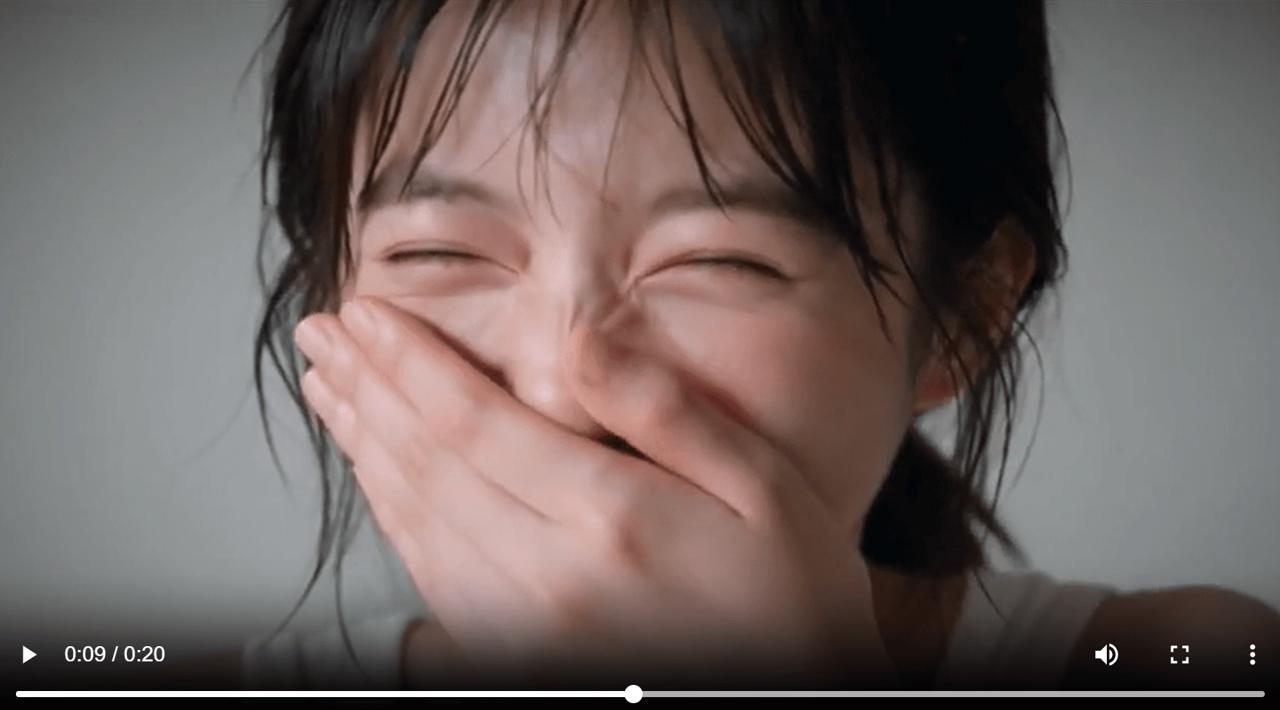 |
| Her lips press together while her gaze remains controlled. | Her eyes brighten before the smile fully forms. | The laughter breaks through and her hand rises to cover her mouth. |
The strongest part of the Seedance 2.5 micro-expressions result is not the largest smile. It is the transition into it. Her lips press together, her eyes begin to brighten before her mouth changes, and the attempt to stay composed remains visible. Later, the hand covering her mouth, lowered head, moving hair, flushed cheeks, and damp eyes extend the same emotional logic.
The result is not perfect evidence that every portrait will behave the same way. Still, it is a useful example of how timed direction can make AI portrait animation feel less mechanical.
The Prompt Structure That Drives the Performance
The original test does not rely on a short command such as “make her laugh.” Instead, it directs a sequence of causes and reactions. The shared motion sequence begins at the four-second mark:
4s-8s: The laughter starts rising against her will. She keeps her face still, but the effort shows in small places: her lips press together a little too firmly, her jaw tightens, her blinking speeds up. She exhales a slow, careful breath through her nose to steady herself. It almost works — then a single faint tremor crosses her lower lip and her eyes start to smile before her mouth does, warmth leaking into her gaze while the rest of her face fights to stay flat.

8s-12s: The dam breaks. A tiny snort escapes through her nose, and that sound itself finishes her — silent laughter erupts, her whole face crumpling with joy, eyes squeezing into crescents, nose scrunching, shoulders bouncing. She claps her palm fully over her mouth and ducks her head, ponytail swinging, trying to hide below the frame while her shoulders keep shaking.

12s-16s: She surfaces back into frame, breathless, fanning her flushed face with one hand. Genuine tears of laughter glisten at the outer corners of her eyes. She takes an exaggerated deep breath, puffs it out through rounded lips, and forces her posture straight — but her lips keep twitching and one final broken silent giggle slips out, making her wince at herself.

16s-20s: The apology, wordless. Still fighting a residual smile, she brings both palms together in front of her chest in a small praying gesture, fingertips pointing up. She tilts her head slightly to one side, scrunches her nose in a sheepish, self-aware grin, and bows forward into a small, quick apologetic nod toward the lens — eyes closing softly as she bows, stray bangs falling forward. She rises back up with her hands still pressed together, lips closed in a warm sheepish smile, eyes still wet and shining, and settles with one last soft exhale through her nose.

[Quality & Visual Details]

Fixed front portrait framing, natural soft diffused daylight from the front, gentle shadow modeling on her cheekbones. Photorealistic skin texture with a faint flush spreading across her cheeks as she laughs, visible glisten of laughter-tears catching the light, highly detailed eyes with natural catchlights, natural teeth, fine stray hairs moving as she ducks and bows. Visible micro-movements of throat, jaw, lip corner, and brow throughout — every stage of suppression readable on her face. 8k resolution, masterpiece quality.

Cinematic emotional close-up portrait. The same woman from the input images, maintaining the exact fixed front camera angle and framing throughout the entire 20 seconds, as if seen through a webcam during a formal video call. Locked-off camera, static shot, no panning, no zoom, one continuous take. No music, quiet room ambience only — soft breathing, tiny suppressed nasal sounds, fabric rustle. No dialogue, no mouthed words, no lip movement resembling speech.

This is the hardest she has ever tried not to laugh in her life. The suppression builds slowly with a delayed onset, then comes in waves: she almost wins, then loses, then loses completely.
Why This Seedance 2.5 Micro-Expressions Prompt Works
First, it describes observable muscle behavior. “Sad” or “happy” is abstract. A tightened jaw or lower-lip tremor gives the model something visible to animate.
Second, every beat has a reason. She does not jump from neutral to laughter. She tries to suppress it, briefly recovers, loses control, and then composes herself. As a result, the expression has momentum.
Third, the prompt separates performance from cinematography. Facial actions appear in the timeline, while framing, lighting, continuity, and sound sit in their own section. This reduces conflicting directions.
Finally, the ending is directed. The small bow, closed eyes, pressed palms, and final exhale provide a clear resolution instead of leaving the last seconds undefined.
How to Create a Seedance 2.5 Micro-Expressions Video in WeShop AI
The shortest Seedance 2.5 micro-expressions workflow uses one clean portrait, one timed prompt, and one review pass.
-
Choose a readable portrait. Use a sufficiently large image with the full face in focus. Avoid hair, hands, or heavy shadows covering the eyes and mouth.
-
Open the AI Video Generator and select Seedance 2.5. Upload the portrait as the character reference rather than repeatedly describing features already visible in the image.
-
Write one emotional arc. Divide the duration into timed beats. Each beat should continue the same emotion instead of starting a new story.
-
Lock the camera logic. For a facial study, keep one angle and one framing. A static camera makes identity drift and facial artifacts easier to detect.
-
Direct motion, not beauty. Focus on blinking, breathing, gaze, jaw tension, lip movement, posture, and recovery. Avoid stacking unrelated style labels.
-
Review the base result. Check the eyes, teeth, hands, hairline, face shape, skin texture, and transitions between expressions. Generate variants only after the core performance works.
Prompting Seedance 2.5 Micro-Expressions More Reliably
Keep the number of major actions proportional to the clip length. A 10-second portrait test usually needs one emotional transition, not four separate scenes. In addition, repeat the same subject label throughout the prompt. Do not alternate between several character descriptions.
Sound should remain simple unless it is essential. Breathing, fabric movement, and room tone can support a close-up. Music, speech, camera moves, hand gestures, and background action all compete for attention and increase the number of details that must remain consistent.
A Small Text-Only Seedance 2.5 Micro-Expressions Test
The original case used a portrait as its First Frame. For this smaller test, no First Frame or character reference was added. The goal was narrower: find out whether a very short text prompt could produce a simple facial transition without the reference-image workflow.
The requested duration was 10 seconds. The returned clip is about eight seconds long and uses a 4:3 composition. Because the subject was created from text alone, this is not a character-consistency test. It is only a small check of expression timing, camera stability, and natural portrait motion.
The Short Text-Only Prompt
10-second portrait video. Fixed front-facing composition with soft daylight and a quiet indoor setting.

The subject looks toward the camera, blinks naturally, and makes a small gaze adjustment. The expression gradually changes into a gentle smile, followed by a brief downward glance and a subtle nod.

One continuous static shot with natural movement and quiet room ambience. No speech, music, camera movement, or on-screen text.
The result follows the simplified direction. The subject stays in a fixed portrait composition, makes small eye movements, and gradually develops a gentle smile. The performance is less layered than the original laughter case, but that is expected from a much shorter prompt.
More importantly, the successful run did not use a First Frame. This does not prove why earlier attempts failed. However, it shows that the text-only workflow succeeded in this specific test while the attempted First Frame workflow did not.
What the Two Tests Show
| Review point | Published laughter case | Small text-only test |
|---|---|---|
| Input type | Portrait First Frame plus prompt | Text prompt only |
| Returned duration | About 20 seconds | About 8 seconds, with 10 seconds requested |
| Emotional arc | Suppression to uncontrolled laughter | Calm expression to gentle smile |
| Prompt structure | Detailed timed progression | Short continuous direction |
| Main test | Reference-driven expression and identity | Basic facial motion without a reference |
| Current status | Result available | Result available |
The comparison is not about which face looks more realistic. Instead, it shows how the input method changes what can be evaluated. The original case tests whether a known portrait can sustain a complex performance. The smaller test checks whether Seedance 2.5 micro-expressions can emerge from a minimal text-only setup.
Where Realistic AI Face Animation Is Useful
Seedance 2.5 micro-expressions can support creator content, character teasers, fashion stories, product reactions, and short social hooks. For ecommerce, a restrained reaction can add human context to a beauty, wellness, jewelry, or lifestyle visual without turning the clip into a conventional talking-head ad.
However, subtlety is the point. The most useful output is not always the most dramatic one. A believable glance, breath, or delayed smile can make a short asset feel observed rather than staged.
Final Takeaway
This case shows a practical way to prompt Seedance 2.5 micro-expressions: build one emotional arc, translate emotion into visible physical cues, time each change, and keep the camera stable. The published laughter clip succeeds most clearly in the moments between expressions, when control begins to slip.
The smaller text-only test narrows the challenge further. Its gradual smile is simpler than the original performance, but it also shows that a long, highly structured prompt is not required for every useful portrait test.
Use the WeShop AI Video Generator to upload a clear reference, choose Seedance 2.5, and direct the performance beat by beat. Start with one emotion. Then refine only what the first result shows you.