








MiniMax H3 vs Kling 3.0 for AI Fashion Runway Videos
A same-image, same-prompt comparison of MiniMax H3 and Kling 3.0 for AI runway videos, focusing on model stability, clothing fidelity, skirt motion, and runway atmosphere.
Give two image-to-video models the same fashion photo and the same prompt, and the differences can become obvious within a few seconds.
In this runway test, both MiniMax H3 (Hailuo) and Kling 3.0 successfully animate the model walking forward. But when the goal shifts from simply “making the image move” to preserving the model, clothing silhouette, skirt structure, and overall presentation, the two results behave differently.
This comparison focuses on one practical question: which model gives a more consistent AI runway video from the same fashion image?
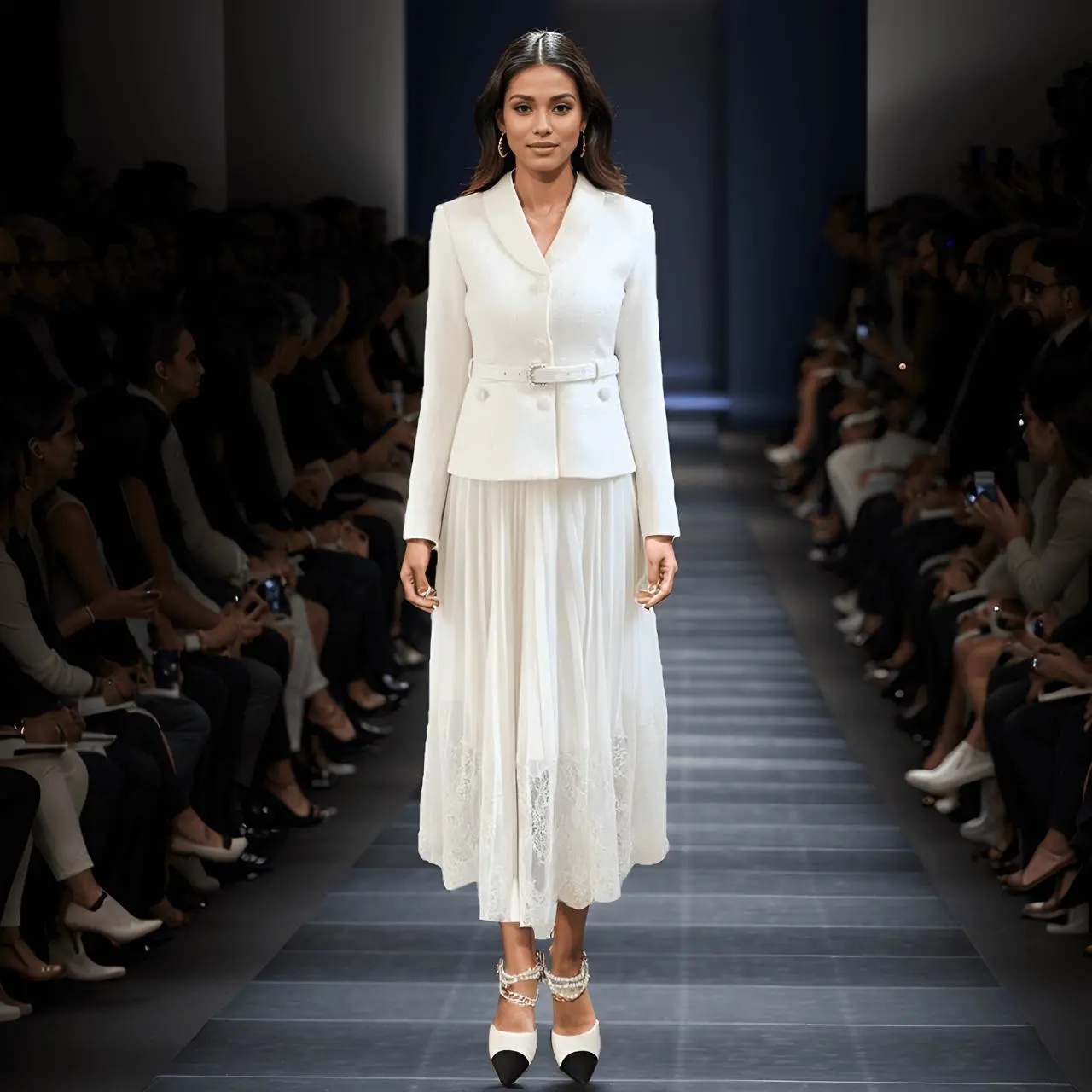
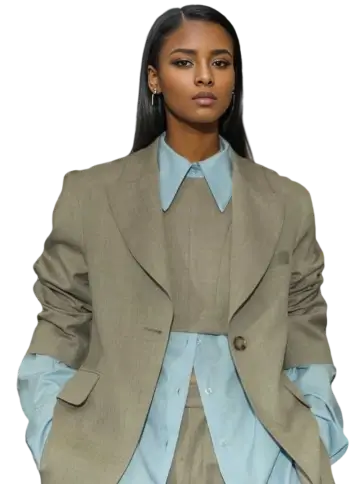
The same runway reference image is used for both generations.
The Test: Same Image, Same Prompt
This is a controlled single-case comparison rather than a broad benchmark.
Both models receive:
- the same fashion reference image;
- the same runway animation goal;
- the same prompt;
- a short image-to-video generation.
The models tested are:
The prompt is intentionally simple:
Generate a smooth animation of the model's runway show, moving forward naturally, showing the clothes clearly. The movie has extremely high-quality visuals. There is an inner lining in the skirt hem, and it must not be visible.
The final sentence is especially important. The skirt has an inner layer, but the generated motion should not expose or emphasize it.
That gives us a useful consistency test: can the model create believable walking motion without unnecessarily changing the garment?
How to Reproduce the AI Runway Video Test
You can run the same comparison with your own fashion image.
-
Open MiniMax H3 (Hailuo) and Kling 3.0 in WeShop AI.
-
Upload the same reference image to both models.
-
Paste the same prompt into both generations.
-
Generate one video with each model.
-
Compare the outputs using the same criteria:
- model identity and facial stability;
- clothing silhouette;
- skirt and hem details;
- walking motion;
- background stability;
- overall focus on the outfit.
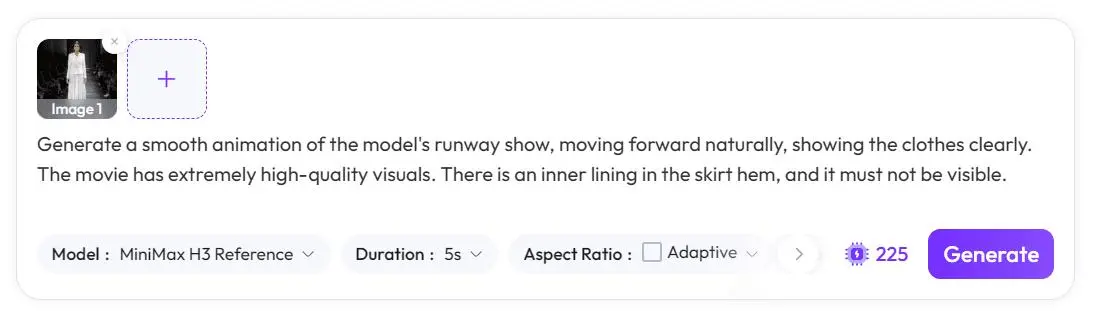
Use the same reference image and prompt for both models to make the comparison meaningful.
This kind of small A/B test is useful before committing to a larger batch of fashion videos. Instead of judging a model from a feature list, you can see how it handles the exact type of clothing and motion you need.
MiniMax H3 vs Kling 3.0: Side-by-Side Result
The easiest way to judge the difference is to watch both outputs directly.
| MiniMax H3 (Hailuo) | Kling 3.0 |
|---|---|
| MiniMax H3 result generated from the runway reference image and shared prompt. | Kling 3.0 result generated from the same runway reference image and prompt. |
You can try it directly using the tool on the right.
1. Model Consistency: MiniMax H3 Looks More Stable in This Test
In this specific example, MiniMax H3 (Hailuo) keeps the main model visually more stable throughout the forward walk.
The subject remains clearly centered, and the hairstyle, face, outfit, and overall appearance stay relatively close to the original reference.
Kling 3.0 also keeps the main character recognizable, but the surrounding runway environment becomes more visually active. Audience members and background figures have a stronger presence, which slightly reduces the visual emphasis on the clothing itself.
For a fashion video where the garment should remain the clear focal point, the MiniMax H3 result is cleaner in this case.
2. Clothing Consistency: MiniMax H3 Handles the Skirt More Carefully
The most revealing part of this comparison is the skirt.
The prompt explicitly says:
“There is an inner lining in the skirt hem, and it must not be visible.”
That constraint matters because image-to-video generation can introduce new folds, transparency, fabric movement, or garment geometry that was not clearly visible in the original image.
In the MiniMax H3 result, the long outer skirt remains comparatively controlled as the model walks forward. The overall silhouette is preserved, and the lower part of the garment stays closer to the intended appearance.
In the Kling 3.0 result, the skirt develops more visible movement and transparency around the lower body. The legs and internal structure become easier to see as the motion progresses.
That extra movement can make the video feel more dynamic, but for this particular prompt it also moves further away from the garment constraint.
So if clothing fidelity is more important than dramatic fabric motion, MiniMax H3 performs better in this test.
3. Runway Motion: Both Work, but the Motion Style Is Different
Both models understand the basic task: animate the still fashion image into a model walking forward on a runway.
The difference is in how they prioritize motion.
MiniMax H3 (Hailuo) produces a more restrained walk. The movement feels designed around keeping the model and outfit readable.
Kling 3.0 produces a more active visual result. The garment movement and surrounding runway activity create a stronger sense of motion, but they also introduce more opportunities for the outfit to drift away from the reference.
Neither approach is automatically better.
For a social fashion clip where motion and atmosphere are the priority, Kling's more active interpretation may be useful. For a product-focused fashion video where the outfit itself needs to remain stable, the MiniMax H3 result is more suitable in this example.
4. Runway Environment: Product Focus vs Fashion-Show Atmosphere
The environment also affects how the final video feels.
The MiniMax H3 result keeps more attention on the main model. The frame reads more like a focused fashion presentation, making details such as the blazer shape, waist belt, and skirt silhouette easier to inspect.
The Kling 3.0 result emphasizes more of the runway atmosphere. Background people and surrounding activity are more noticeable, which can make the scene feel busier and more cinematic.
This creates a practical choice:
- Choose a more restrained result when the outfit is the product.
- Choose a more active result when the fashion-show atmosphere is part of the content.
Which One Should You Use for AI Fashion Runway Videos?
For this particular reference image and prompt, MiniMax H3 (Hailuo) is the stronger starting point when consistency is the priority.
It does a better job in this case of keeping the model visually stable, maintaining the clothing silhouette, and avoiding excessive exposure of the skirt's inner structure.
Kling 3.0 still produces a convincing runway animation. Its strength here is the stronger sense of movement and fashion-show atmosphere. The trade-off is that the clothing changes more noticeably during motion.
So for this test:
Choose MiniMax H3 (Hailuo) when you prioritize:
- model consistency;
- clothing fidelity;
- a cleaner product-focused presentation;
- more controlled garment motion.
Consider Kling 3.0 when you prioritize:
- stronger visual motion;
- a busier runway atmosphere;
- a more energetic fashion-content feel.
This is a single controlled case, so it should not be treated as a universal ranking between the two models. Different reference images, garments, poses, and prompts can produce different results.
Start With Your Own Same-Image Test
The useful part of a MiniMax H3 vs Kling 3.0 comparison is not choosing a permanent winner. It is finding the model that preserves the details that matter in your image.
For a runway clip like this one, a five-second test is enough to reveal whether the model keeps the outfit intact once the subject starts moving. Start with the same image and the same prompt, compare the garment frame by frame, and then build the full video with the model that holds up better.