


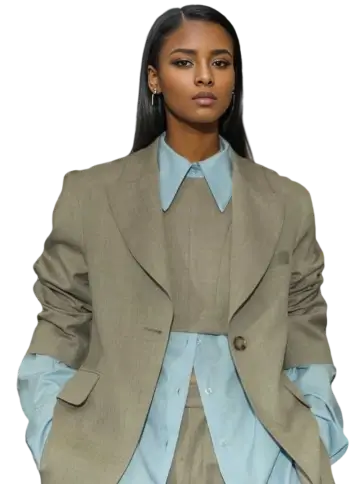









What Is MiniMax H3? A Complete Guide to the Native Multimodal AI Video Model
MiniMax H3 brings text, images, video, and audio into one unified multimodal workflow, making it easier to control what should be preserved, what should be used as a reference, and what the final content should communicate.
Traditional AI video workflows have often been fragmented into isolated tasks—such as text-to-video generation, image animation, motion referencing, background replacement, and the use of separate tools for voiceovers and sound effects. Creators have had to switch constantly between different models and software applications, a process that often leads to image quality degradation or the loss of asset details during transfers.
MiniMax H3 aims to solve precisely this problem. Instead of treating image, video, and audio generation, as well as reference inputs and localized editing, as unrelated functions, it integrates text, images, video, and audio into a unified multimodal context. This allows the system to understand what the creator intends to preserve, what to use as a reference, and the ultimate message to be conveyed.
From Single Generation Tasks to a Unified Creative Context
“Native multimodality” is about more than simply being able to upload different types of files. What really matters is whether the model can understand the role each piece of reference material plays in the creative process. For example, a single generation task can include a character image to define how the person looks, a dance video to guide movement and performance rhythm, an environment image to set the scene, an audio clip to reference voice, music, or overall mood, and text instructions to describe the story, camera shots, and any changes you want to make. MINIMAX H3 treats all of these inputs as part of one unified creative task, rather than simply combining different pieces of media together.
Three Core Capabilities of H3
1. Native Multimodal Understanding and Generation
H3 can work with text, images, video, and audio in the same generation task. It can understand characters, objects, actions, sounds, emotions, camera movements, visual styles, and editing rhythms across different reference materials, then bring them together into one coherent piece of audiovisual content.
2. Precise Multimodal Editing and Control
H3 is not limited to generating videos from scratch. It can also edit existing footage—for example, replacing a person or object, adding new subjects, changing backgrounds or lighting, replacing dialogue, transferring a voice style, or adjusting only one part of a video while keeping the rest as consistent as possible.
3. Commercial-Ready Content Creation Across Different Scenarios
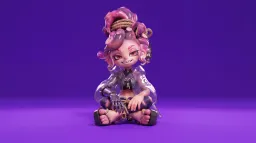
H3 can be used across a wide range of creative and commercial scenarios, including brand ads, movie trailers, motion graphics, AR content, short-form dramas, ecommerce marketing, web and game UI, industrial demonstrations, and stylized animation. It can support both final content production and earlier creative stages such as concept testing, storyboard previews, visual proposals, and ad creative testing.
|

|
Where Can H3 Be Used?
H3 is useful for more than just generating a good-looking video. It can support a much wider range of content creation needs:
- Brand and film: TV commercials, trailers, fashion campaigns, and title sequences.
- Storytelling content: vertical short dramas, character performances, animated shorts, and voiceovers. Social media creative: music videos, trending content, motion graphics, and AR-style large-scale marketing visuals.
- Ecommerce marketing: product showcases, feature demonstrations, and performance ad creatives.
- Digital products: website UI, game UI, product demos, and interface animations.
- Industrial and hardware: robotic arms, product structures, physical devices, and embodied AI
- Video post-production: editing people, objects, backgrounds, lighting, audio, and dialogue.
Which Teams Can Benefit from H3?
For brand and advertising teams, H3 can make it easier to test visual ideas and create dynamic campaign concepts without producing a full shoot first. For film and short-form drama teams, it can help quickly explore characters, environments, camera movements, and editing rhythm.

|

|
For ecommerce teams, static product images can be turned into video ads and marketing content in different formats and aspect ratios. And for design and product teams, H3 can also be used to explore UI animation, concept videos, product demonstrations, and other visual ideas before moving into full production.

|

|
The biggest change with MiniMax H3 is that AI video creation is no longer just about generating a single clip. It brings multimodal reference understanding, audiovisual generation, and ongoing video editing into one connected workflow.