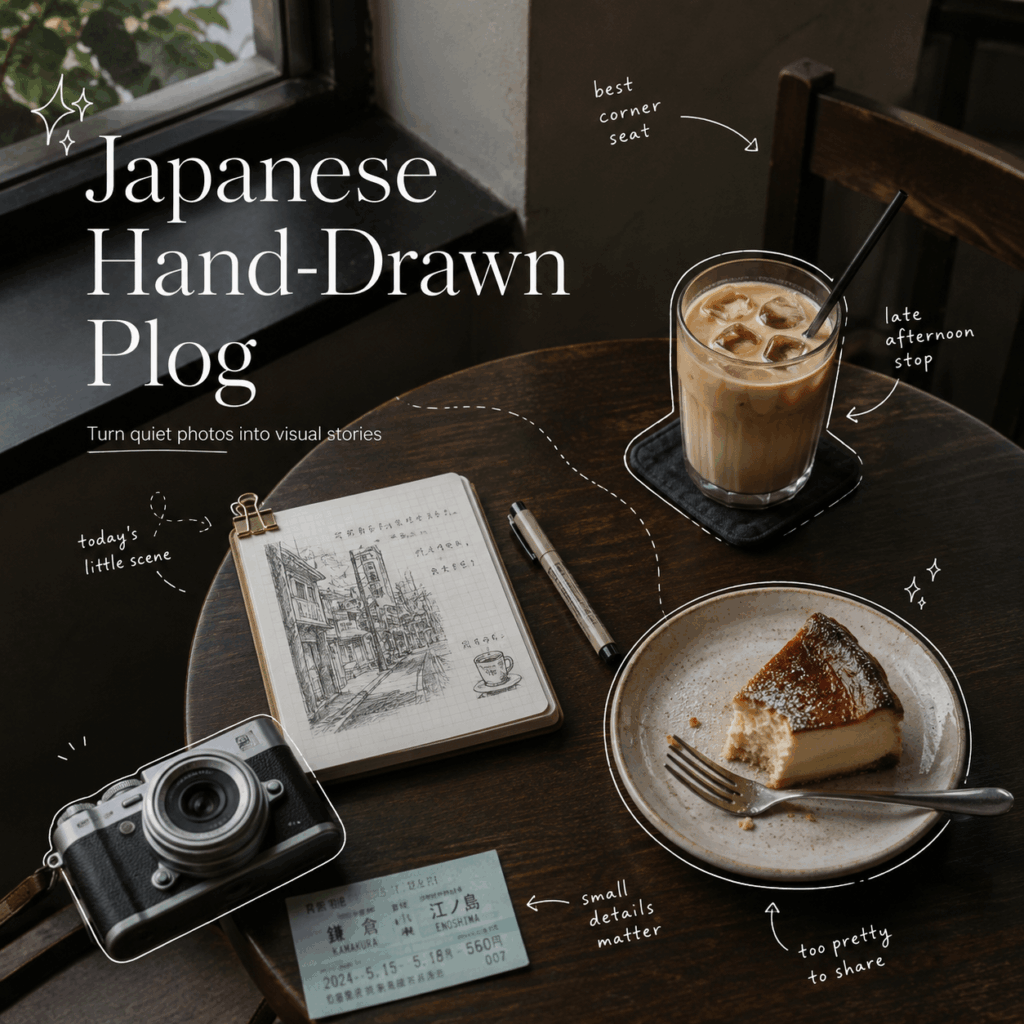
A Japanese Hand-Drawn Plog turns an ordinary photo into a personal visual story with white doodles, arrows, handwritten notes, and small observations. Instead of making every detail look more polished, it reveals why the moment was worth photographing.
The coffee may be sharp, the table clean, and the sunlight perfectly placed. Technically, the image looks good. Still, it may say almost nothing.
A loose outline can circle the dessert that disappeared first. Meanwhile, a handwritten note can admit that the café was crowded, the weather was awful, or the afternoon was unexpectedly perfect. Suddenly, the image has a voice.
Why a Japanese Hand-Drawn Plog Feels More Personal
For years, social media taught people to remove every distraction. Straighten the table. Correct the shadows. Hide the mess. Pick one color palette and stay inside it.
The result was attractive. However, it was also easy to copy.
Now, even a perfect café photo can disappear in the feed. It may look polished but still feel impersonal. The same is true for outfit photos. They can look professional and remain easy to forget. Sometimes, personal memories even start to resemble ads.
That does not mean people have stopped caring about aesthetics. Instead, the definition of a good image is changing.
A good post no longer needs to appear effortless and flawless. It can feel specific, slightly uneven, and visibly attached to a real person. The photo provides the scene. Meanwhile, the handwritten details provide the personality.
That is where the Plog format becomes interesting.
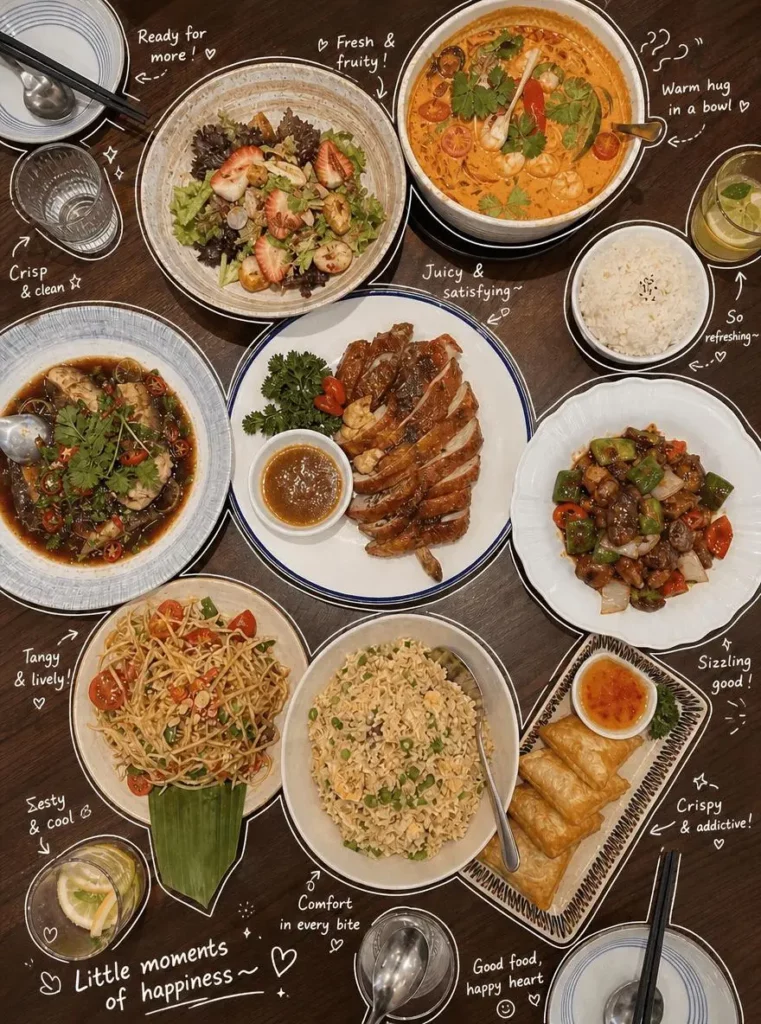
A Japanese Hand-Drawn Plog Adds a Point of View
A normal photo records what was in front of the camera. A Japanese Hand-Drawn Plog records what the photographer noticed.
That difference matters.
Imagine a desk photo containing a notebook, headphones, a half-finished drink, and a tiny object bought during a trip. Without context, it is simply a desk. With a few short annotations, it becomes a miniature self-portrait:
“Three pages left.”
“Cold again.”
“Best thing I bought in Osaka.”
“Currently pretending to focus.”
None of these lines needs to be profound. In fact, the format works better when they are not. The appeal comes from small thoughts that sound immediate rather than carefully branded.
WeShop AI can preserve the original photo while adding thin white outlines, arrows, dashed lines, handwritten notes, and light decorative elements. Therefore, the photo remains recognizable. It simply gains another layer of narration.
The Doodle Is Not Decoration. It Is Narration.
The weakest version of this trend treats doodles like stickers. It adds random hearts, stars, smiley faces, and decorative words to every empty corner.
The strongest version uses each mark for a reason.
An arrow tells the viewer where to look. An outline separates one object from a busy background. A small cloud of steam makes a warm drink feel warmer. Meanwhile, a handwritten phrase reveals the emotional meaning of an otherwise ordinary detail.
In other words, the doodles should not sit on top of the image. They should help the viewer read it.
One Line Guides the Eye
Choose two or three visual anchors instead of circling everything.
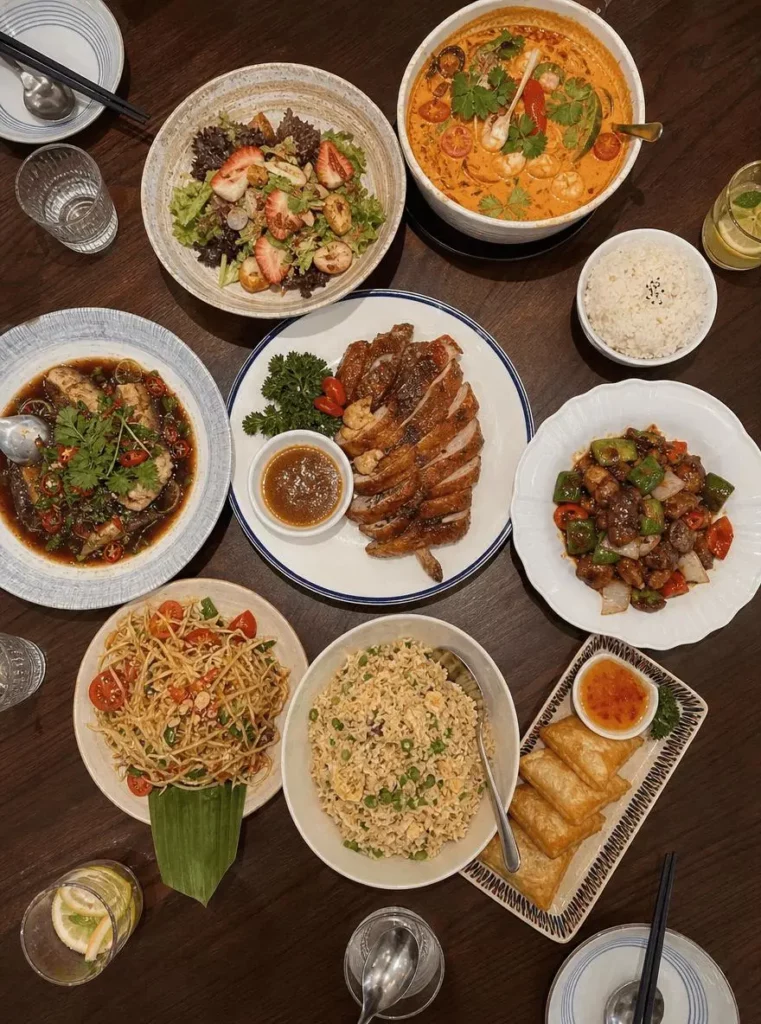
For a food photo, that might be the main dish, a drink, and one unexpected detail. For an outfit photo, it could be the jacket texture, shoes, and favorite accessory.
The image needs hierarchy. Otherwise, every annotation competes for attention.
One Phrase Gives the Moment a Voice
“Delicious” is accurate but forgettable.
“Ordered this for the crispy edge” sounds more personal. “Too pretty to share” creates a tiny story. “The reason I missed my train” adds humor without needing a long caption.
Therefore, write notes that could only belong to that particular image.
One Imperfect Mark Makes It Feel Lived-In
Perfect vector lines can make the result look like a template. Slightly uneven marks feel closer to a real journal page.
The goal is not to imitate bad drawing. Instead, it is to avoid visual stiffness. A casual line, loose arrow, or tiny handwritten aside can make a highly polished photograph feel more relaxed.
Build a Japanese Hand-Drawn Plog Like a Tiny Magazine Page
A Japanese Hand-Drawn Plog works best when it is treated as a one-page editorial layout.
Every element needs a role.
The photo is the main feature. The largest handwritten phrase acts like a headline. Smaller notes become captions. Arrows connect those captions to visual details. Decorative marks then create rhythm between the empty spaces.
Before generating the image, decide on three things:
The subject: What is this photo really about?
It may show a full meal, but perhaps the story is the spicy noodles. It may show an outfit, while the real focus is a vintage coat. Pick one primary subject.
The voice: What would you actually say about it?
Choose a tone that fits the moment. It might be playful, sleepy, excited, sarcastic, calm, or affectionate. Avoid switching between five different personalities in one image.
The restraint: What can remain unexplained?
Not every object needs a label. Moreover, open space helps the handwritten elements feel intentional. A crowded Plog quickly becomes difficult to scan.
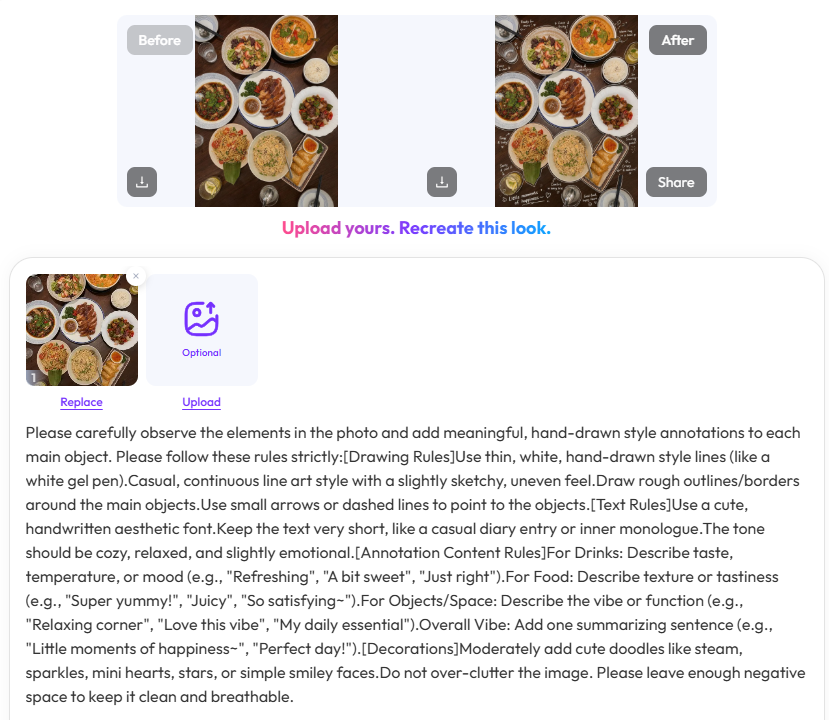
Give WeShop AI an Editorial Brief
A vague instruction such as “make this photo cute” leaves too many decisions open.
Instead, give WeShop AI a clear visual brief. Ask it to keep the original photo unchanged. Then add thin white lines, loose outlines, small arrows, dashed connectors, and short handwritten notes.
The writing should resemble diary fragments or inner thoughts. It should also relate to visible objects rather than floating randomly around the image.
For example:
- Describe the taste or temperature of a drink.
- Point out the texture of a dish.
- Mention the material or fit of an outfit.
- Label a useful object on a desk.
- Add one short sentence that captures the overall mood.
Decorations such as steam, sparkles, stars, hearts, and simple faces can support the layout. However, they should remain secondary. The photo must still be the first thing viewers see.
This is less like giving the AI a list of effects and more like briefing an illustrator.
Japanese Hand-Drawn Plog Ideas for Ordinary Days
The format does not need a dramatic trip, expensive restaurant, or carefully staged room. In fact, ordinary scenes often produce the most believable results.
The Café Table Nobody Else Noticed
Photograph the table after everything arrives, not before anyone touches it.
Then annotate the drink that tasted better than expected, the dessert everyone shared, or the seat with the best light. The small imperfections make the scene feel occupied rather than arranged.
The Outfit With Actual Opinions
Instead of labeling every item by brand, describe the wearing experience.
“Soft but surprisingly heavy.”
“Finally found trousers that reach my shoes.”
“Looks formal. Feels like pajamas.”
As a result, the outfit becomes useful and personal rather than another silent mirror photo.
The Desk That Quietly Introduces You
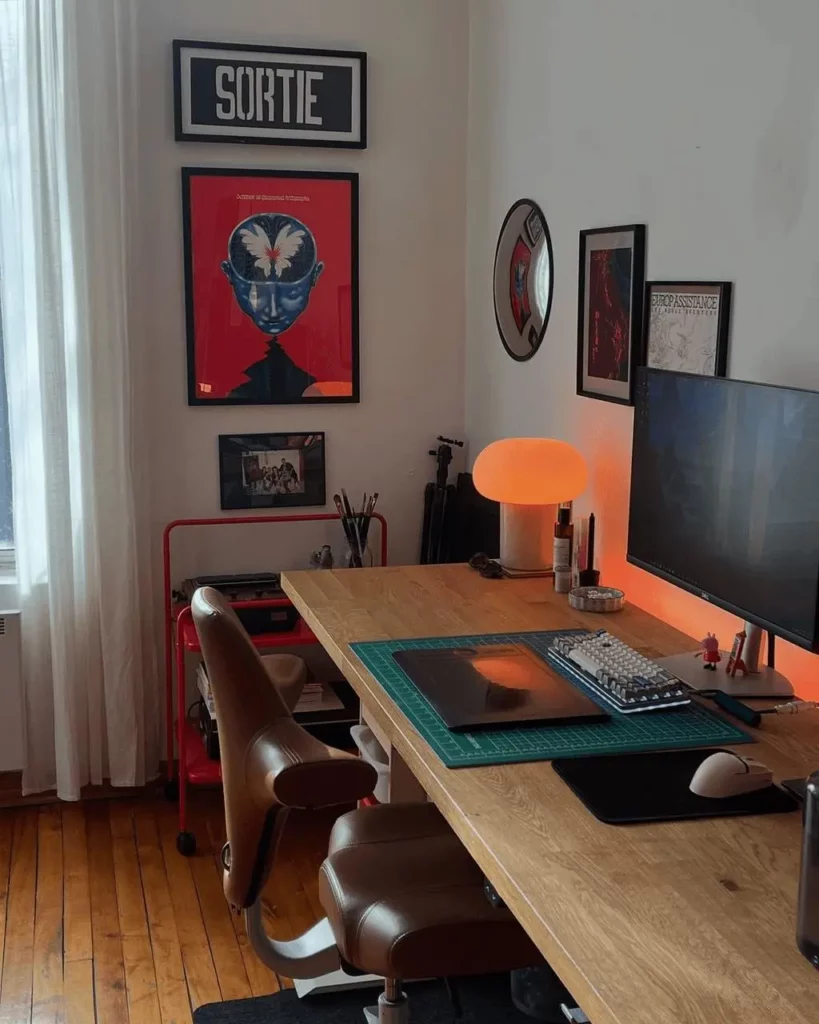
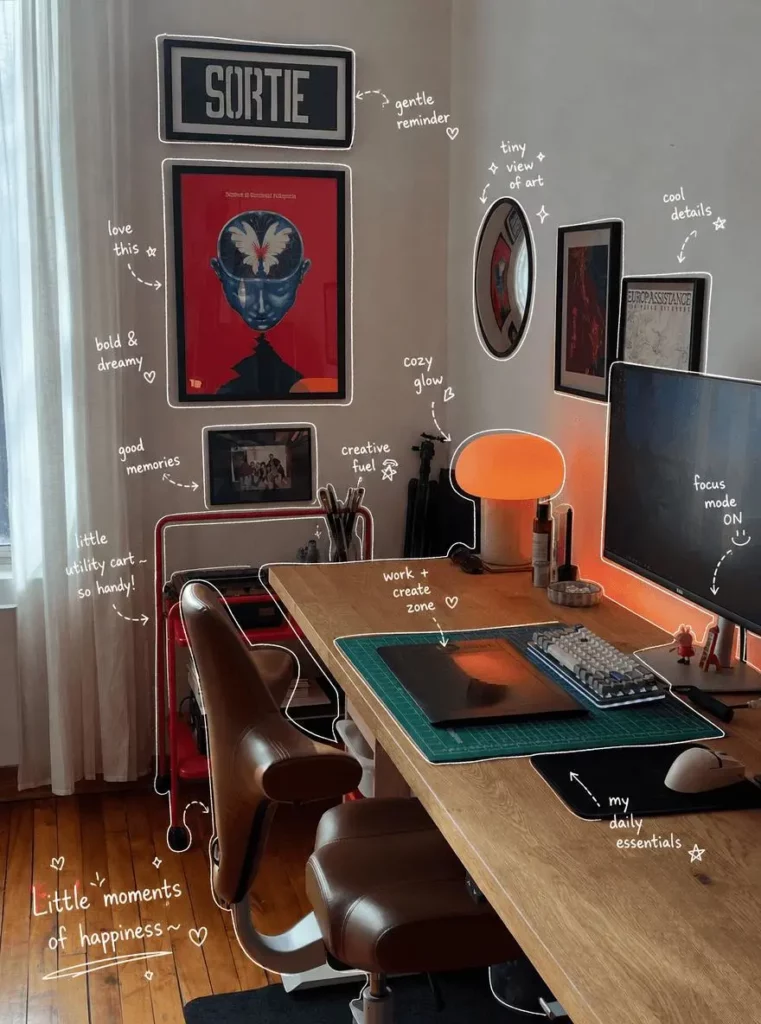
A desk Plog can include a current book, daily essential, favorite pen, unfinished task, or object with a private history.
However, avoid turning it into a product catalogue. The best annotations mix practical information with tiny emotional details.
The Travel Photo Between Landmarks
Landmark photos already explain themselves. The less obvious images often need annotation more.
A convenience-store breakfast, rainy station platform, hotel window, or bag dropped beside the bed can hold more atmosphere. Short notes help those transitional moments feel worthy of keeping.
What WeShop AI Should Preserve
The annotations are important, but the original image still carries the memory.
Therefore, the generated result should preserve the people, products, food, clothing, room layout, and overall lighting of the source photo. The doodles should respond to those elements instead of changing them.
Start with a reasonably clear image. Distinct objects are easier to outline, while visible empty areas give the handwritten text somewhere to sit.
If the photo is very dark or flat, make a few light adjustments before uploading it. Slightly improving brightness, contrast, saturation, or sharpness can make object edges easier to recognize.
However, do not edit the image until it loses its original atmosphere. A rainy café should not suddenly look like a bright studio. A late-night desk does not need daylight. Clarity helps the tool, but mood still matters.
The Best Result Should Feel Less Designed
A strange thing happens when creators try too hard to look casual: casualness becomes another polished template.
The same risk applies here.
Too many doodles look manufactured. Generic phrases sound automated. Identical arrows around every object remove the visual rhythm. Moreover, adding every available decorative element can make the photo feel more like a worksheet than a personal post.
When the first result feels crowded, generate another version. Reduce the number of annotations. Shorten the phrases. Leave a corner completely empty.
A successful Japanese Hand-Drawn Plog should look as though someone returned to a favorite photo and wrote directly on the memory. It should not look like a design team created a social media asset.

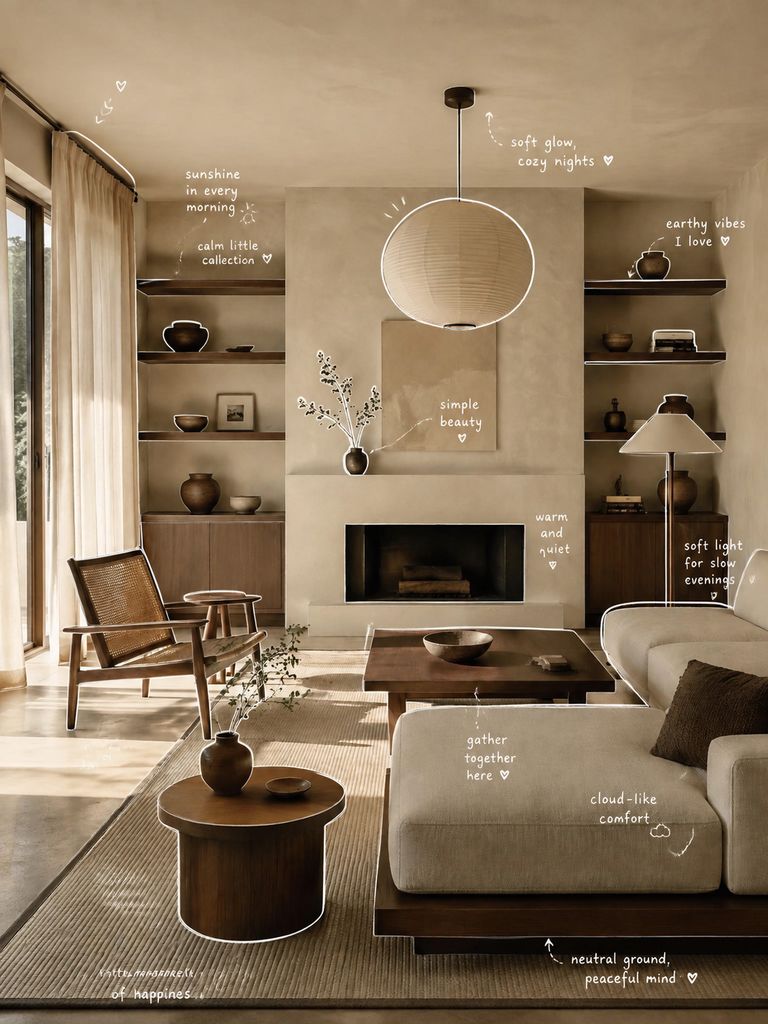
Keep the Japanese Hand-Drawn Plog Personal
The internet does not need another flawless image of coffee, clothes, skincare, luggage, or a carefully organized desk.
It may still have room for your version of that moment.
A Japanese Hand-Drawn Plog works because it does not rely on the photo alone. It includes what you noticed, what you thought, and what you would probably tell a friend if they were standing beside you.
WeShop AI handles the outlines, arrows, handwritten styling, and visual arrangement. Yet the most important material still comes from the person behind the photo.
Do not ask only, “How can I make this image prettier?”
Ask, “What happened here that the camera did not capture?”
That answer is the Plog.
Go to WeShop AI For Exploration: