











Turn One Portrait Into a Retro Halloween Movie Poster Trilogy With Seedream 5.0 Pro
Use one adult portrait to cast a consistent hero across three original retro horror-comedy posters with exact titles and taglines.
Retro movie posters are useful when a Halloween campaign needs a story rather than a costume. A fictional title, one strange everyday location, and a deadpan hero can turn a portrait into content that feels like a lost cult film. The format is ideal for social series, themed announcements, editorial covers, or playful brand storytelling.
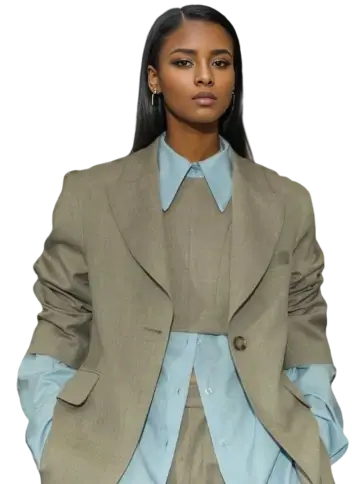
Here, one adult casting portrait becomes the lead of three unrelated-but-connected horror comedies. Identity, bob haircut, moss sweater, dry expression, analog grain, and limited typography hold the trilogy together.
The casting anchor
| Original portrait |
|---|
 |
Mini pitch 1 — Night Shift
Logline: A midnight laundromat develops an appetite.
| Poster |
|---|
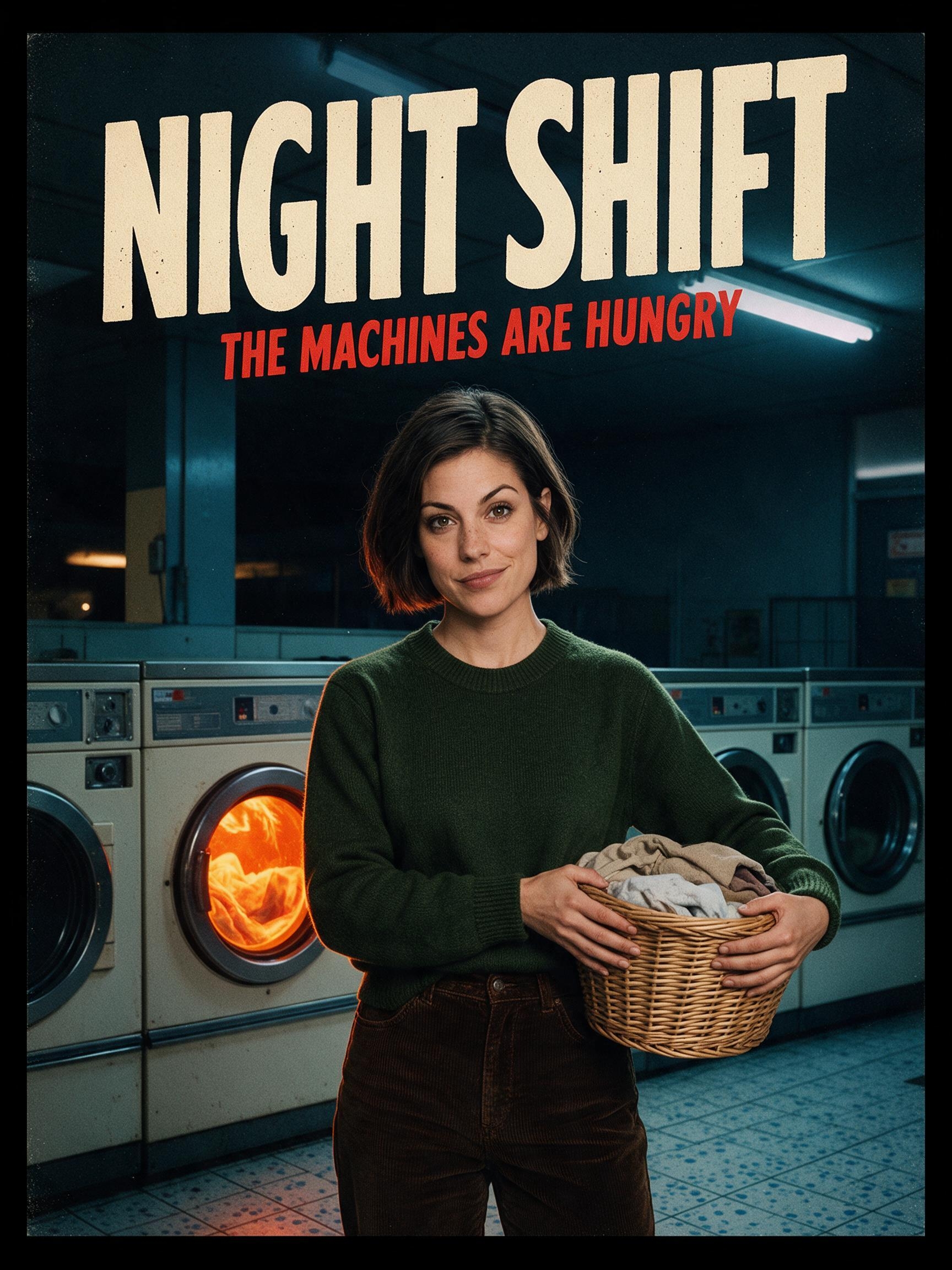 |
The fluorescent laundromat is ordinary enough to feel familiar; one pumpkin-orange machine creates the supernatural hook. The distressed cream title and black border sell the late-1970s print language.
Mini pitch 2 — Exact Change
Logline: One roadside vending machine refuses to give refunds.
| Poster |
|---|
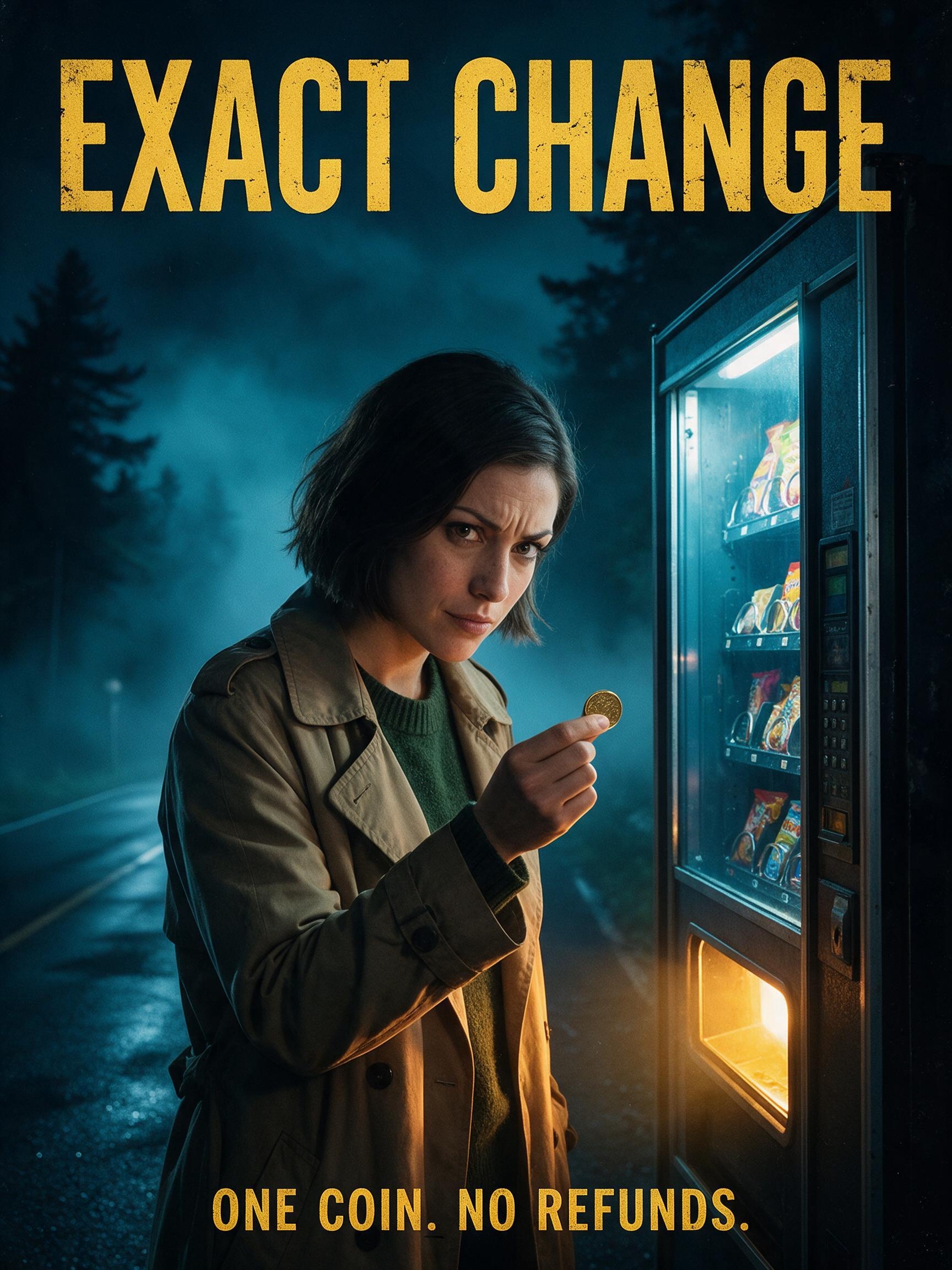 |
This route uses teal night, amber practical light, mist, and a suspicious glance. The coin becomes the story prop, and the vending machine stays generic so the concept does not depend on a brand.
Mini pitch 3 — Floor Thirteen
Logline: She only wanted the lobby.
| Poster |
|---|
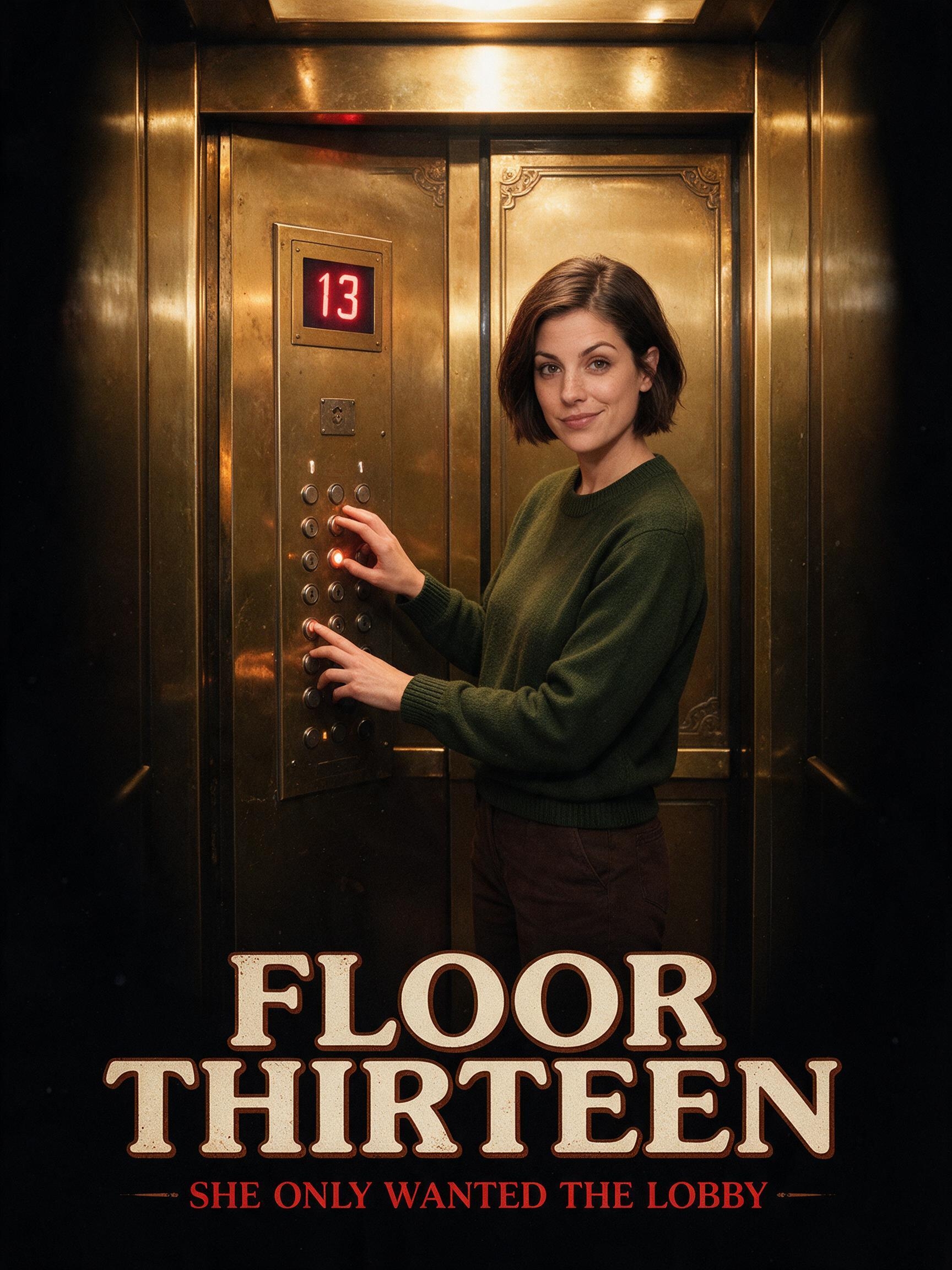 |
Warm brass, deep black corners, and one impossible red floor indicator create a compact supernatural premise. The character’s amused expression keeps the tone closer to cult comedy than graphic horror.
Step 1 — Generate or upload a simple portrait
Use even lighting, a clean background, visible hair shape, and an expression with personality. Avoid an elaborate outfit; a simple garment is easier to carry into several locations.
Step 2 — Write a one-sentence movie premise
Do not begin with visual adjectives. Begin with what is strange: a hungry washing machine, a hostile vending slot, or an impossible elevator floor. That premise tells the model which object deserves emphasis.
Step 3 — Add era, palette, title, and tagline
Use the uploaded adult portrait as the only identity reference. Create an original vertical late-1970s horror-comedy movie poster photograph. She stands alone in a fluorescent laundromat at midnight wearing a moss-green sweater and high-waisted brown trousers, holding a laundry basket while one washing machine behind her glows pumpkin orange. Preserve her face and bob. Add a large slightly distressed cream title at the top reading exactly “NIGHT SHIFT” and a small red tagline below reading exactly “THE MACHINES ARE HUNGRY”. Screen-printed grain, imperfect color registration, black border, no real film credits, no logo, no gore, no extra person, no watermark.
Step 4 — Keep trilogy rules stable
For every sequel concept, repeat the exact identity instruction, retain the moss-green wardrobe cue, limit readable text to a title and tagline, and preserve the analog finish. Change the location, prop, palette emphasis, and plot device. This creates continuity without making every poster look identical.
Step 5 — Proof the typography and face
Check the title and tagline letter by letter. Compare eyes, nose, mouth, jaw, hair length, and expression with the source portrait. Finally, make sure the poster contains no invented credits or logos that compete with the central idea.