








Choreograph a Continuous Action Scene with Kling 4.0
Plan a continuous action scene in Kling 4.0 Reference with separate character and lobby images. Use sequential beats and inspect contact and continuity.
An action prompt becomes easier to evaluate when it describes one approach and response at a time. This Kling 4.0 Reference test combines a heroine portrait with a hotel-lobby reference, then requests a continuous staged rehearsal. The result keeps the central heroine and lobby readable while showing approach, arm-redirection and evasive movements.
New AI-generated result
Separate the heroine reference from the location reference
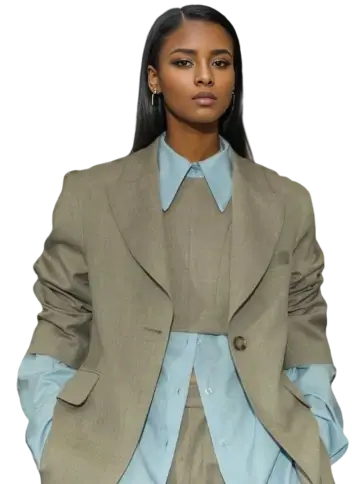
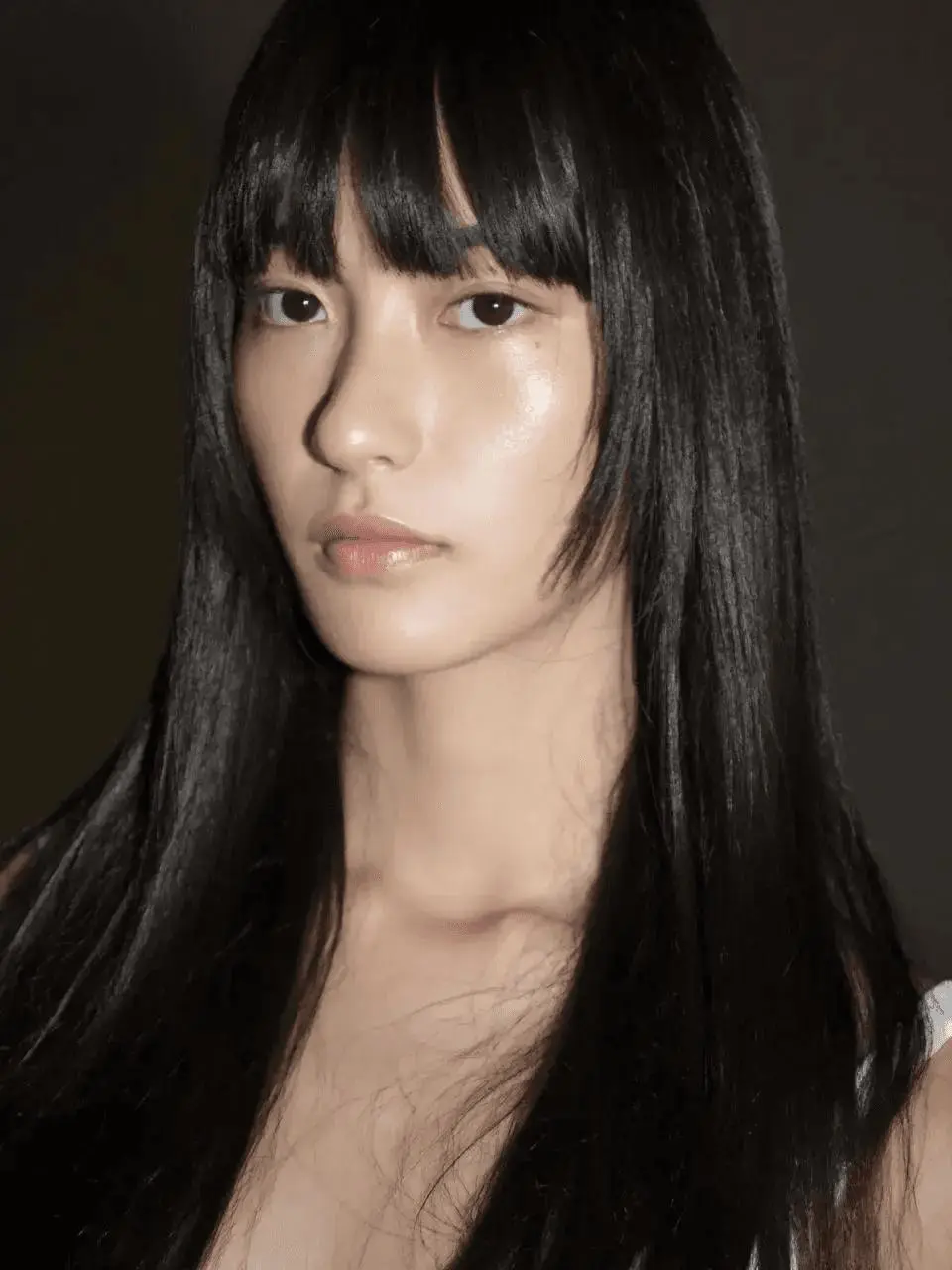
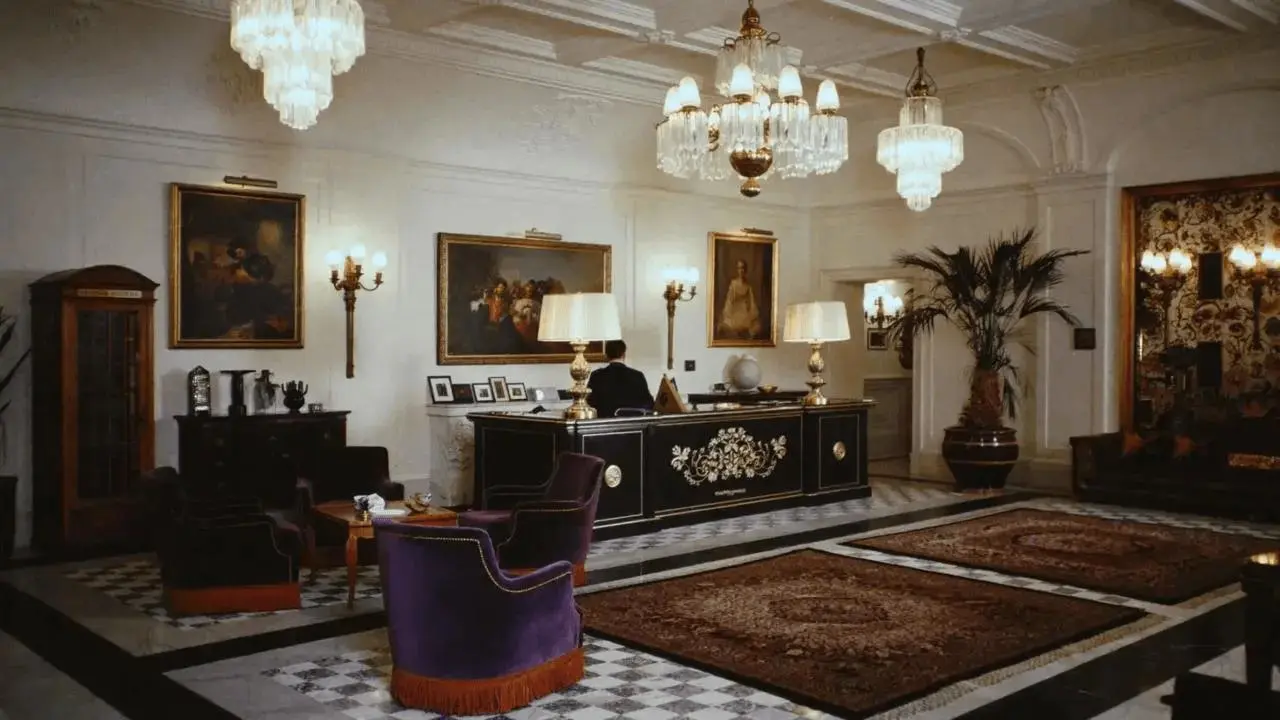
Image 1 supplies the adult heroine’s appearance. Image 2 supplies the lobby architecture, furniture, warm light and colors. Naming those responsibilities prevents the portrait background from competing with the intended location. The prompt asks for a staged, non-graphic sequence with no weapons or injuries.
The reference materials are distributed with the WeShop Kling 4.0 examples and Kling’s official demonstrations. The result above is a new generation made for this tutorial on November 11, 2026. Use references you are authorized to use when adapting the workflow.
Write the roles and action order before generating
Break the movement into sequential beats: approach, redirect, withdraw, next approach, evade, ready stance. A single phrase such as “an intense fight” does not establish who moves first or when the next performer enters. The tested prompt requests three performers, but their exact count and distinct identities are not reliably established by the selected output. Treat precise cast counting as a separate check.
Use Image 1 only for the adult heroine appearance and Image 2 for the hotel lobby architecture, furniture, colors and warm lighting. Create one continuous wide-to-medium tracking shot of a staged non-graphic action rehearsal. Exactly one heroine and three adult male stunt performers. The first performer approaches alone; she steps aside and redirects his arm. The second approaches only after the first has moved back; she ducks under his arm and steps around him. The third stops a few feet away as the heroine finishes in a balanced ready stance. Keep these events sequential and readable, not a simultaneous crowd fight. Maintain the same lobby geography, grounded footwork and camera direction. No weapons, blood, injuries, extra people, fused limbs, sudden teleports, scene cuts, logos or captions.Load the references in Kling 4.0 Reference
Select Kling 4.0 Reference. Upload the heroine as Image 1 and the lobby as Image 2, then paste the prompt. Choose ten seconds, 720p and 16:9. Keep the camera instruction limited to one wide-to-medium tracking view so the location remains available as a continuity reference.
Open Kling on WeShop and use the tested settings:
| Setting | Recorded value |
|---|---|
| Model | Kling 4.0 Reference |
| Image references | 2 |
| Video references | 0 |
| Duration | 10s |
| Resolution | 720p |
| Aspect ratio | 16:9 |
| Quantity | 1 |
Inspect the complete generated sequence
The selected output shows:
- One central heroine stays within the same warm hotel lobby
- Approach, arm redirection and evasive body movements are visible
- The camera moves from wide to closer framing
- The output is staged non-graphic action rather than a reference collage
Watch the entire clip rather than choosing it from a single attractive frame. This test used one selected output and does not measure repeatability across multiple runs.
The exact count and distinct identity of three performers are not reliably established by this output. Some overlapping arms and close contact need frame-by-frame inspection. Do not present this as precise stunt timing or a literal choreography simulation.
Refine the part that did not follow the prompt
If everyone attacks simultaneously, shorten the choreography and require each performer to withdraw before the next approach. If contacts become tangled, ask for more space between bodies and fewer limb interactions. The selected clip has overlapping arms during close contact, so inspect those moments more densely than the opening pose. If exact performer count is essential, simplify to one opponent and verify that smaller scene first.
Reuse the example with your own references
Use the example to plan sequential action, then refine the specific contacts you need. This is generated staged movement, and the selected result does not verify precise stunt timing, three reliably distinct performers, or exact physical choreography.
You can try it directly using the tool on the right.