










Keep One Character Consistent Across Multiple Kling 4.0 Shots
Use an appearance sheet and room references for four Kling 4.0 shots. See the tested prompt, generated sequence and limits of low-resolution references.
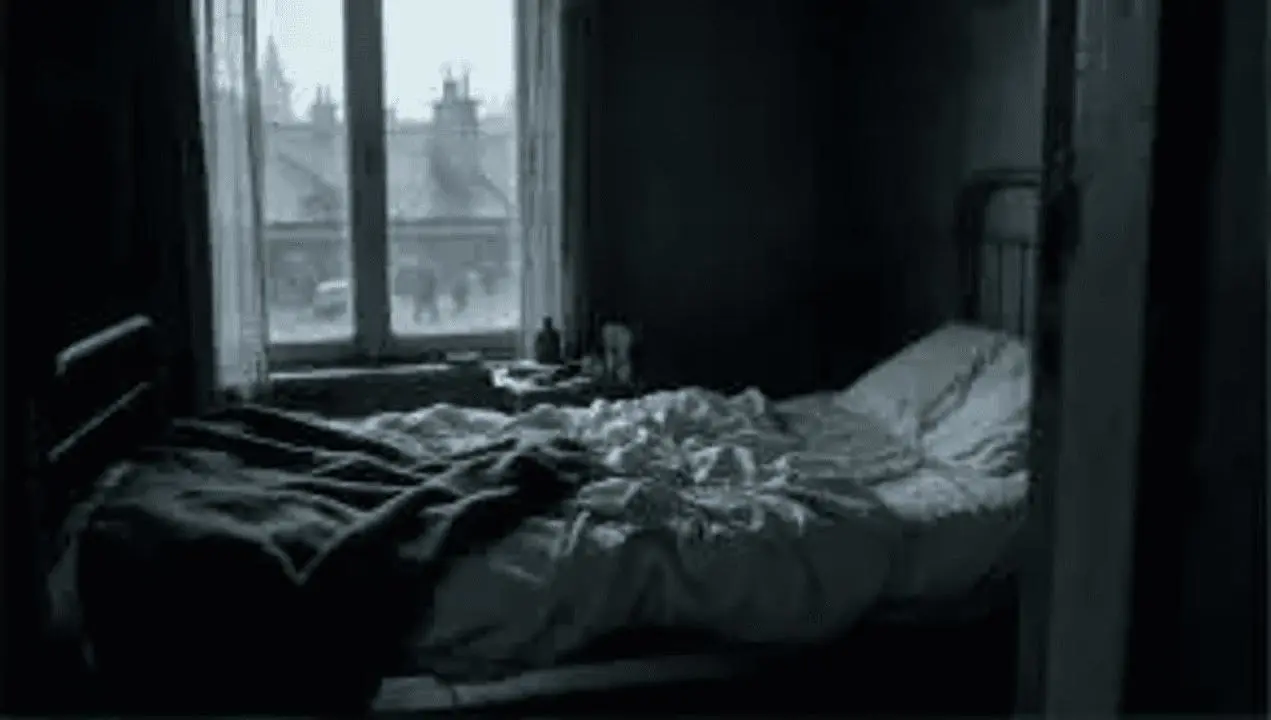
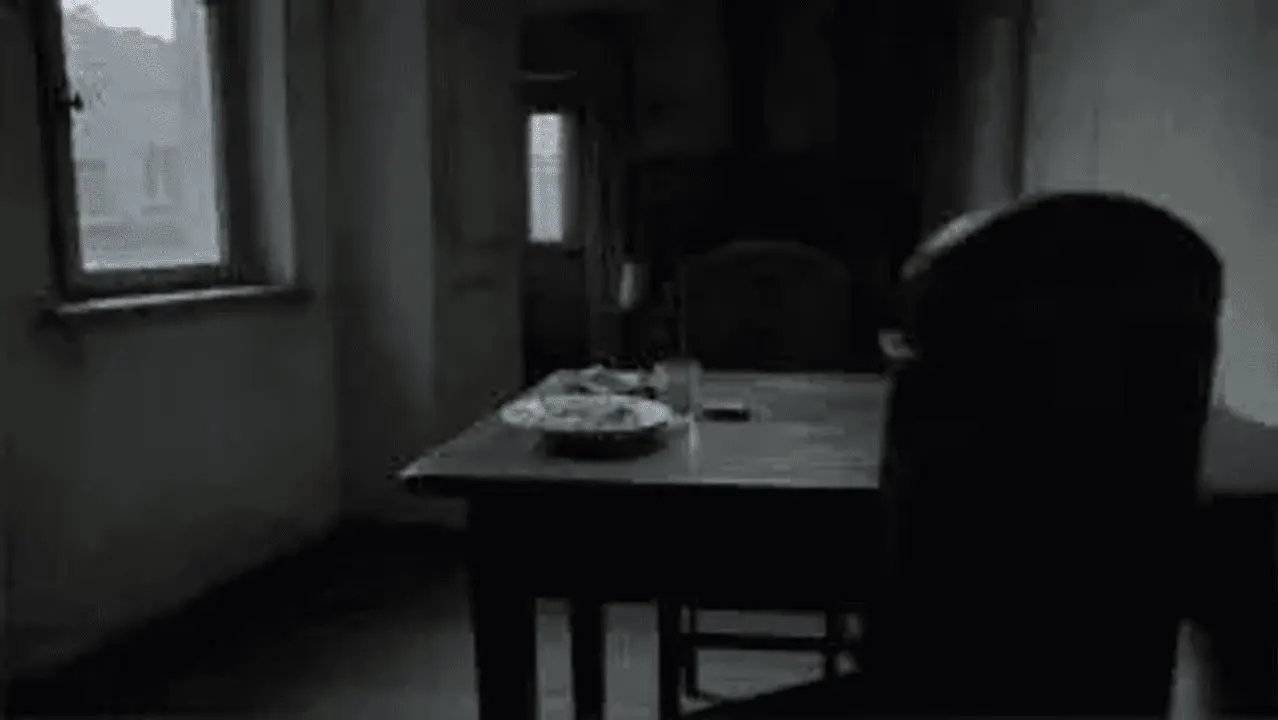
A multi-shot scene needs a stable character description and a clear job for every room reference. This Kling 4.0 Reference test uses one appearance sheet and three bedroom images to request four shots: eating at a table, sitting with a cup, a cup close-up, and resting on the bed. The output follows that broad sequence without rendering the sheet as multiple women.
New AI-generated result
Tell the model that the appearance sheet shows one person
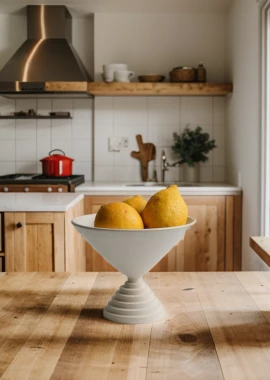
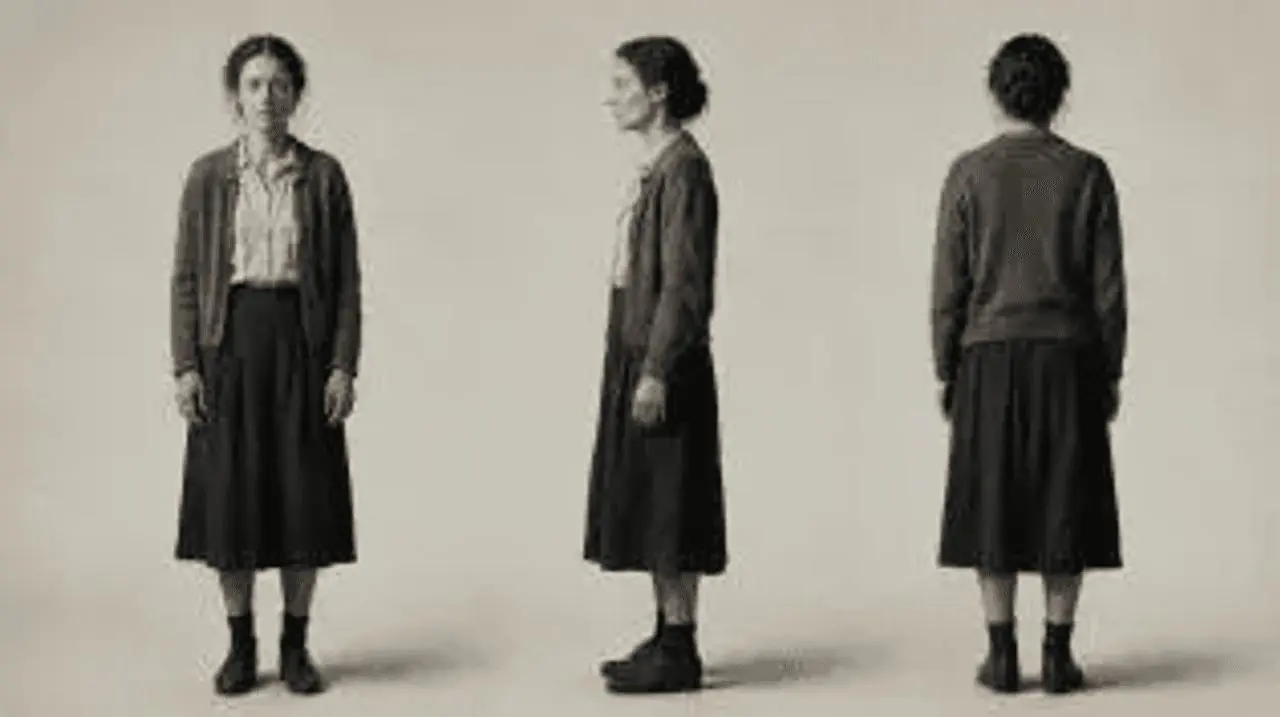
Image 1 shows several views of one adult woman. Images 2–4 define the bed, window, table and muted room palette. Identify those roles before describing the shots. Otherwise, a three-view sheet can be interpreted as several subjects, or a room reference can accidentally introduce a different character.
The reference materials are distributed with the WeShop Kling 4.0 examples and Kling’s official demonstrations. The result above is a new generation made for this tutorial on November 11, 2026. Use references you are authorized to use when adapting the workflow.
Write the roles and action order before generating
Repeat the same visible clothing and hair description across the sequence, then give each shot one restrained action. Keep the scene in the same bedroom under cool daylight. Four simple shots are easier to inspect than four new locations, camera tricks and costume changes at once. A cup also gives the middle shots a shared object to track.
Image 1 is a three-view appearance sheet for ONE adult woman, not three women. Use the same dark hair, jacket, blouse, dark skirt and shoes in every shot. Images 2, 3 and 4 define the bed, window, table, muted room palette and furnishings. Create four deliberate shots in this same modest bedroom under cool daylight. Shot 1: a medium view of her seated at the table, lifting a spoon from a plate. Shot 2: cut to her sitting on the bed edge holding one white cup. Shot 3: a close-up as she takes a small sip from the same cup. Shot 4: an overhead view of her resting on the bed, awake and fully clothed. Use restrained natural movement and clear cuts, consistent clothing and room layout. Do not turn the appearance sheet into triplets or show a grid. No extra people, costume changes, room changes, captions or logos.Load the references in Kling 4.0 Reference
Choose Kling 4.0 Reference and add the appearance sheet first, followed by the three room references. Paste the numbered-shot prompt. Use twelve seconds, 720p and 16:9. The available source images were small thumbnails; ordinary resizing made them large enough to upload but did not restore missing face detail. Use original high-resolution references for your own scene when available.
Open Kling on WeShop and use the tested settings:
| Setting | Recorded value |
|---|---|
| Model | Kling 4.0 Reference |
| Image references | 4 |
| Video references | 0 |
| Duration | 12s |
| Resolution | 720p |
| Aspect ratio | 16:9 |
| Quantity | 1 |
Inspect the complete generated sequence
The selected output shows:
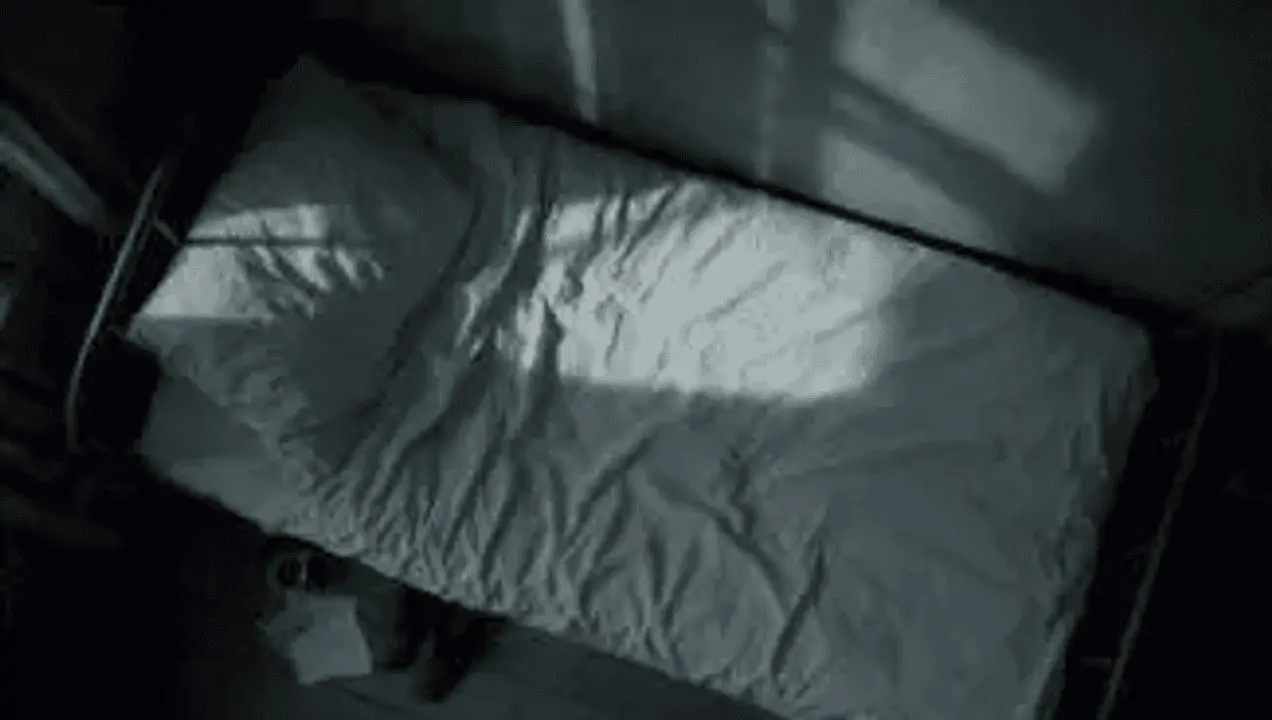
- Four shot states are visible: table, bed edge with cup, cup close-up, overhead bed view
- One woman appears in each shot without the three-view sheet becoming triplets
- Dark clothing and cool bedroom palette remain recognizable
- The result is a sequence, not a visible reference grid
Watch the entire clip rather than choosing it from a single attractive frame. This test used one selected output and does not measure repeatability across multiple runs.
Small original thumbnails were resized for upload; resizing does not recover face detail. Exact facial fidelity and room geometry are not established. The last shot is a high oblique view rather than a perfectly vertical overhead camera.
Refine the part that did not follow the prompt
If the sheet becomes triplets, explicitly state “one character” and prohibit grids or duplicates. If the outfit changes, remove competing costume descriptions and keep a short list of visible items. If the room changes between cuts, assign each room image a specific furnishing or viewpoint. The last generated shot here is high and oblique rather than perfectly vertical, so judge the requested camera angle separately from the character sequence.
Reuse the example with your own references
Review all four shots together for hair, clothing, cup continuity and room palette. The selected output supports a recognizable multi-shot character sequence, while exact facial fidelity and room geometry remain unverified.
You can try it directly using the tool on the right.