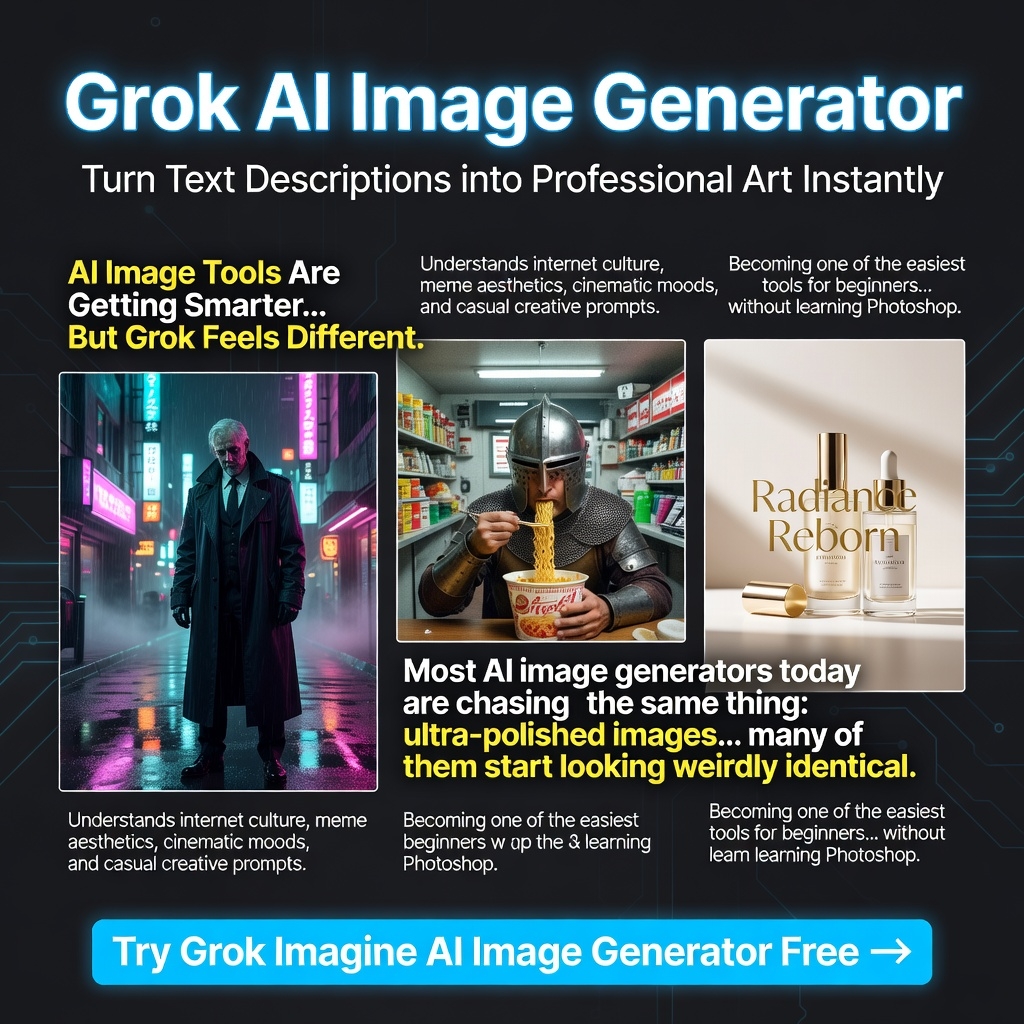
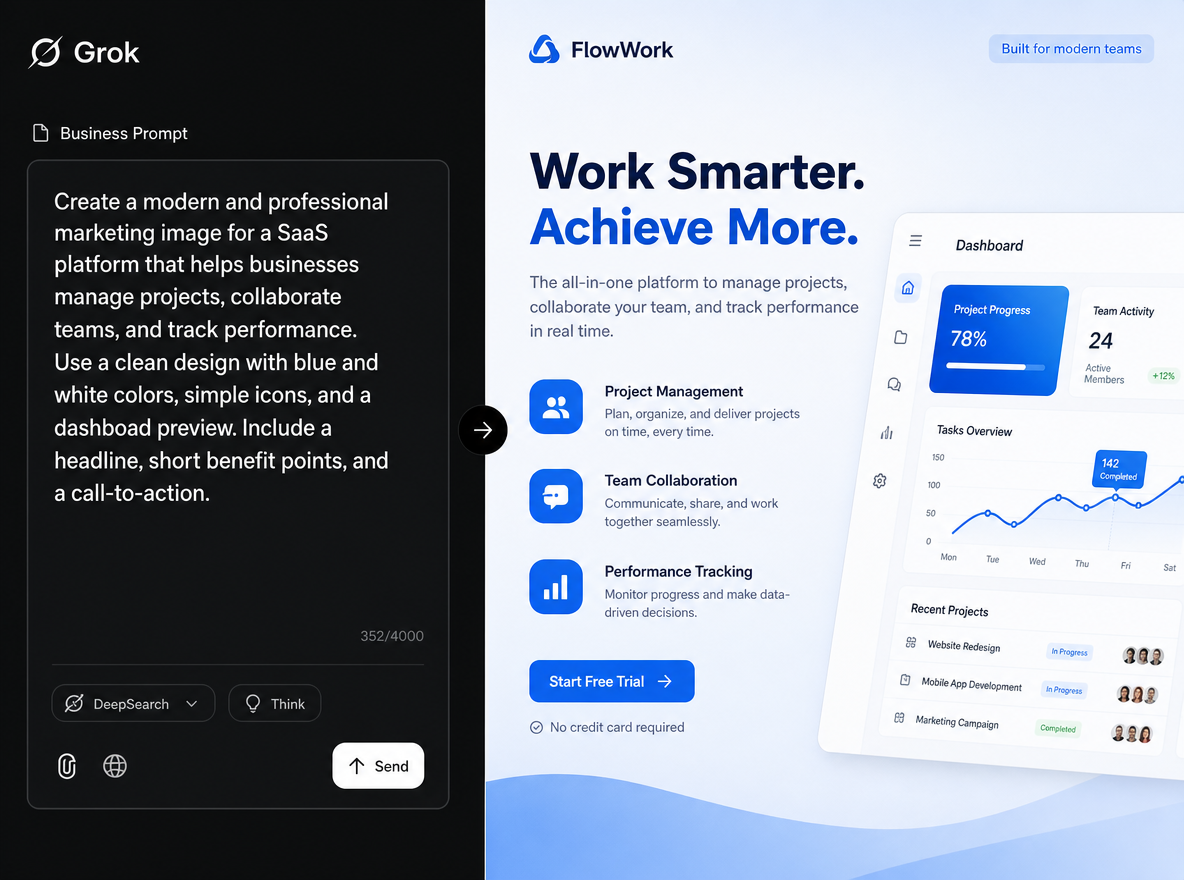
In the fast-evolving landscape of 2026, the “Uncanny Valley” isn’t a place we visit anymore—it’s a place we’ve colonized, renovated, and started charging rent for. If 2024 was about the birth of usable AI images, 2026 is about the Great Divergence.
On one side, we have the “Corporate Politeness” of Silicon Valley’s giants. On the other, we have xAI’s Grok Imagine 1.0, a tool that feels like it was designed in a neon-lit bunker by someone who drinks too much espresso and hates being told “No.”
Whether you are a social media maverick looking for the next viral hit or a digital artist tired of “Nanny-state” filters, this is your field guide to the high-stakes world of AI imagery.
The Disruptor: Grok Imagine 1.0 (Aurora-2 Engine)
The headline for 2026 isn’t just that Grok creates images; it’s how it creates them. Moving away from the Flux.1 partnerships of 2025, xAI has debuted Aurora-2, its proprietary multimodal engine.
What makes it “Grok-y”?
- The “Unfiltered” Aesthetic: While other models might refuse to generate a “gritty, hyper-realistic scene of a futuristic protest,” Grok leans into it. It prioritizes raw fidelity over “safe” aesthetics.
- 4MP Clarity: We’ve moved past simple 1024×1024 squares. Aurora-2 pushes 4-megapixel resolution natively, rendering skin pores, fabric weaves, and atmospheric dust with frightening precision.
- Audio-Visual Sync: This is the killer feature. Grok Imagine isn’t just about stills; it generates 10-to-30-second clips with integrated “Voice Doctor” audio. The AI writes the dialogue, generates the voice, and syncs the character’s lip movements in one go.
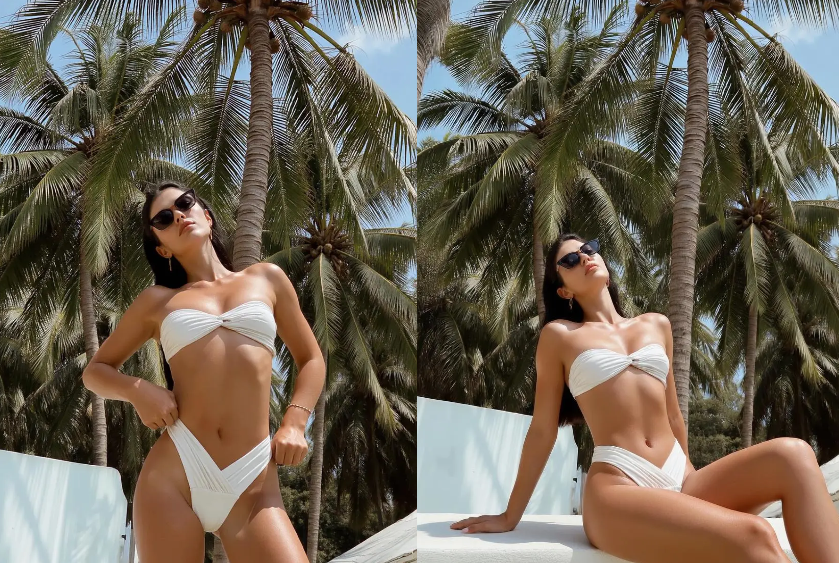
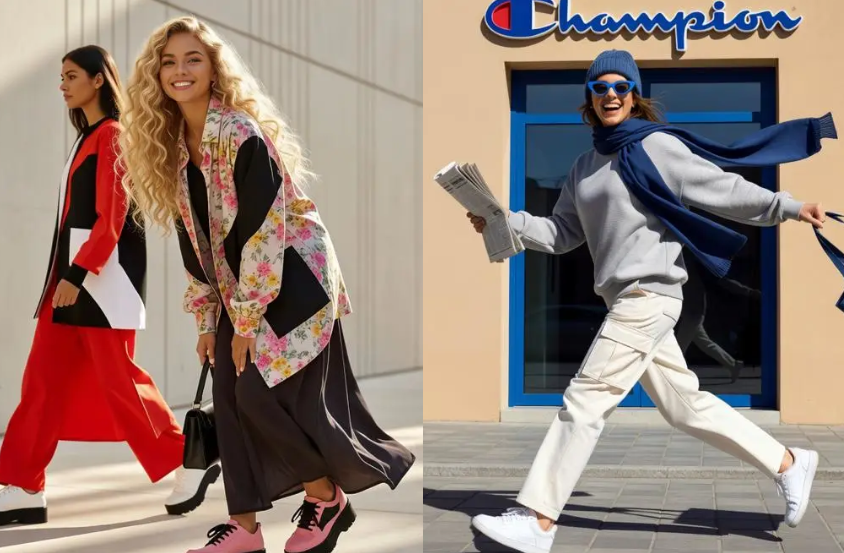
The Maverick’s Edge: If you need a meme that looks like a high-budget film still, and you need it before the news cycle ends, Grok is your weapon of choice.
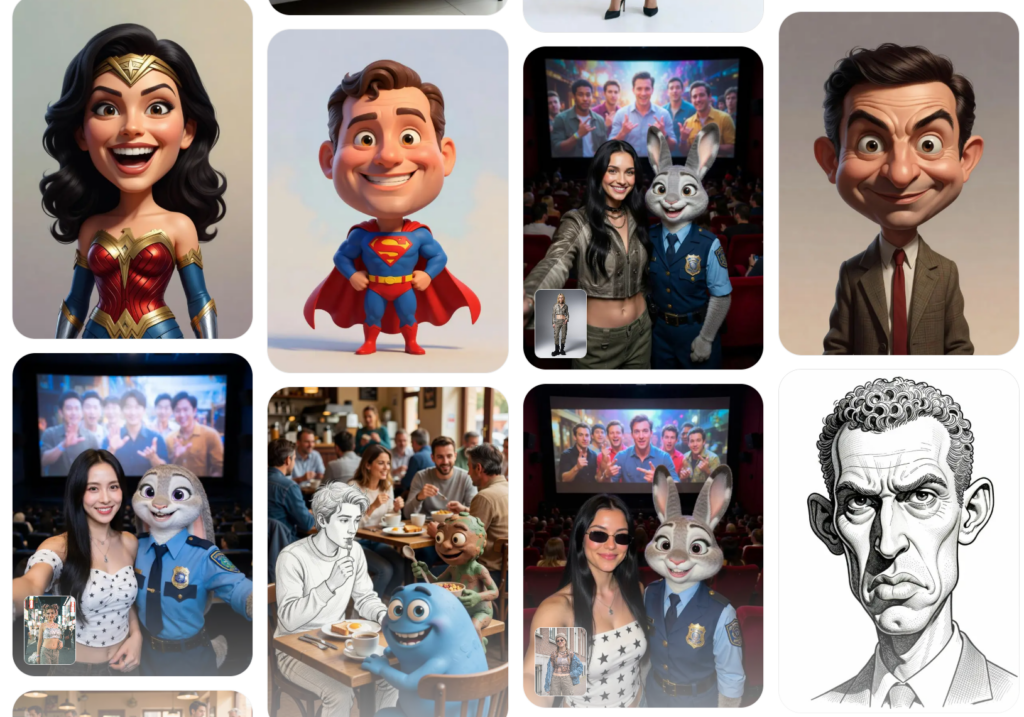
The Competitive Quadrant: Who Are You Designing For?
Not all AI is created equal. To help you choose your fighter, let’s look at the “Titans of 2026” through a technical and vibe-based lens.
| Feature | Grok Imagine 1.0 | Midjourney v7 | Nano Banana Pro (Gemini) | DALL-E 3 (GPT-Image-1) |
| Core Strength | Speed & Social Impact | Cinematic Artistry | Logic & Consistency | Prompt Adherence |
| Vibe | “The Rebel” | “The Artist” | “The Scholar” | “The Assistant” |
| Video Support | 30s + Audio Sync | 5s Cinematic Loop | 15s High-Fidelity | Basic Animation |
| Guardrails | Low (Minimalist) | Medium (Artistic) | High (Safety-First) | Extreme (Strict) |
| Best For | Viral X Content | Brand Campaigns | Infographics & Specs | Rapid Brainstorming |
The Titans Re-evaluated
Midjourney v7: The Cinematic Holdout
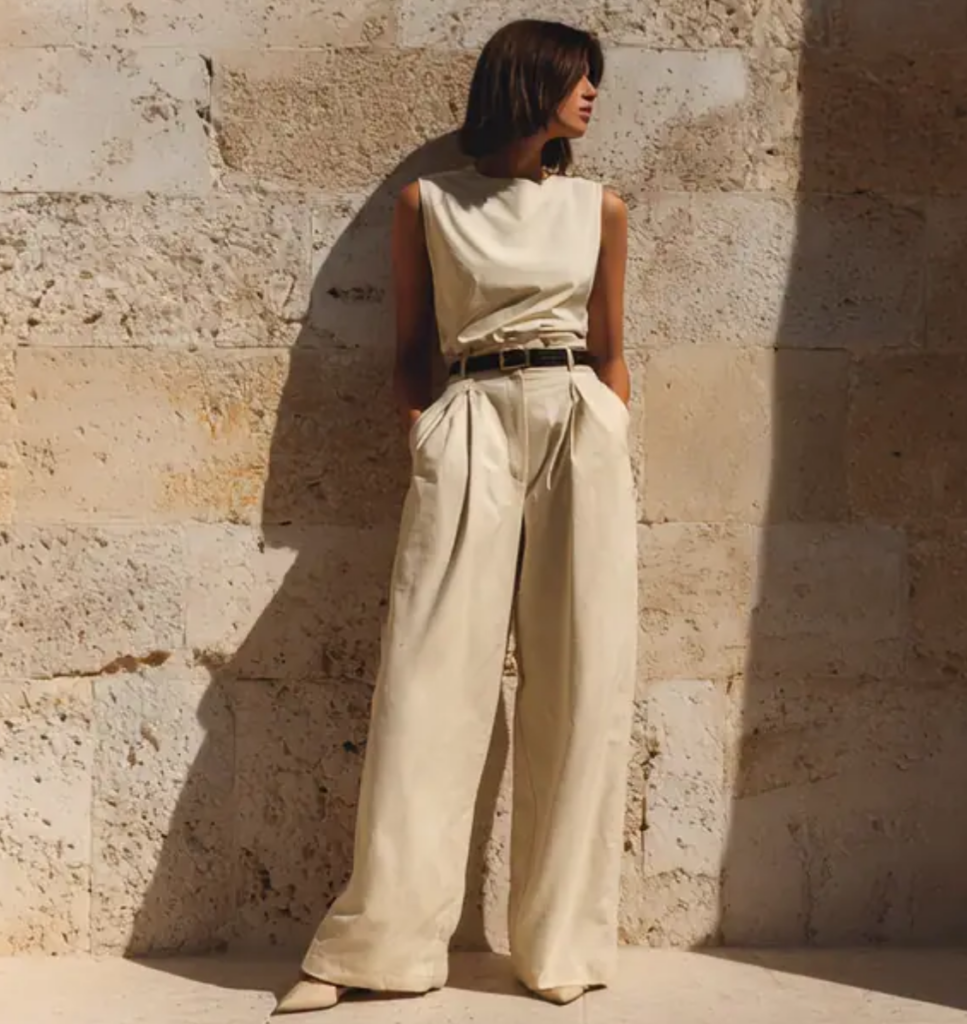
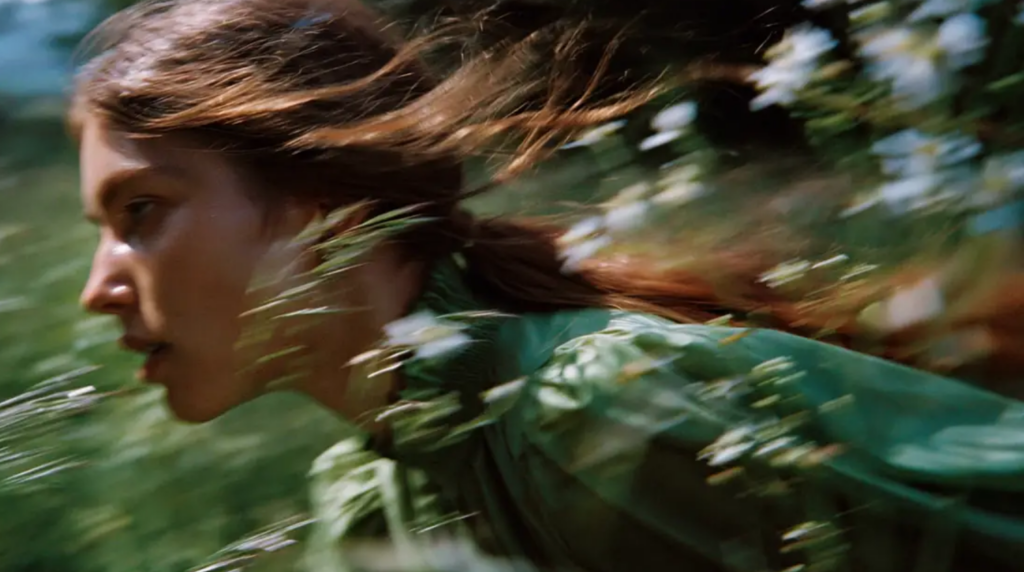
Midjourney remains the king of “The Vibe.” While Grok focuses on realism, Midjourney v7 focuses on beauty. Its lighting algorithms are still the industry benchmark. However, it’s a resource hog.
If you are a concept artist for a gaming studio, you aren’t leaving Midjourney anytime soon. It understands “mood” better than any math-driven engine.
Nano Banana Pro (Gemini 3 Pro Image): The Logic King
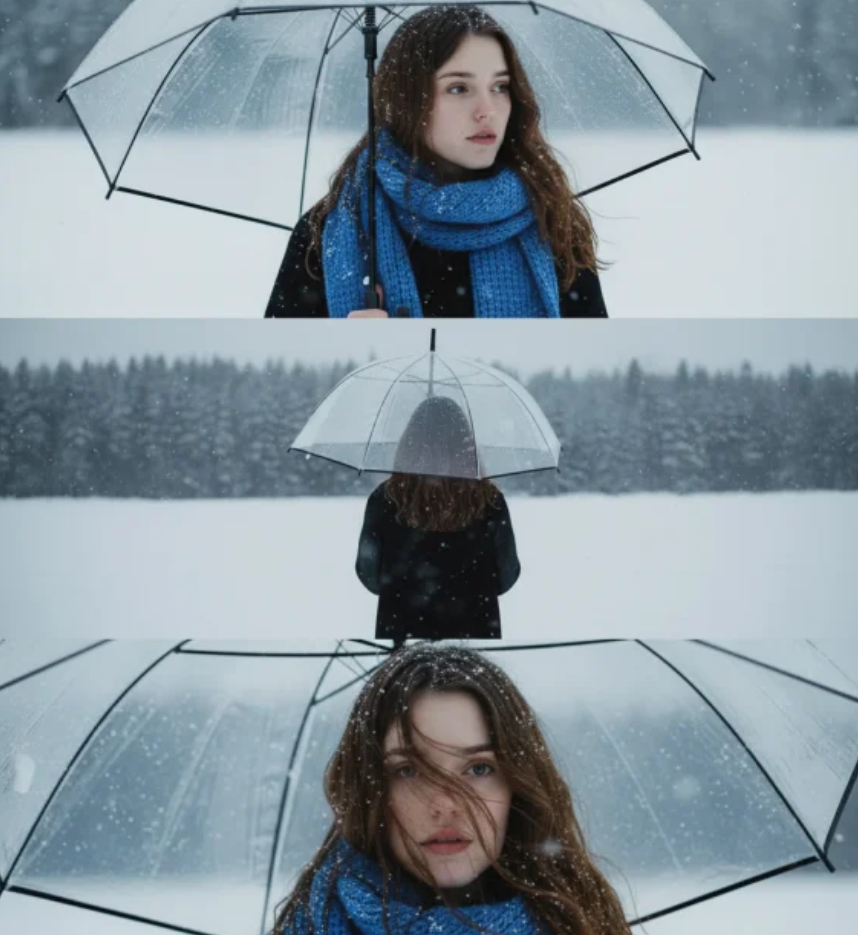
Our internal benchmarks show that when it comes to character consistency, Nano Banana Pro is currently unbeatable. If you need a character named “Astra” to look identical in 50 different poses across an entire graphic novel, this is the only model that won’t give her a different nose in panel four. It also dominates in Typography—rendering complex text within images without the usual “AI gibberish.”
Stable Diffusion 3.5: The Engineer’s Playground

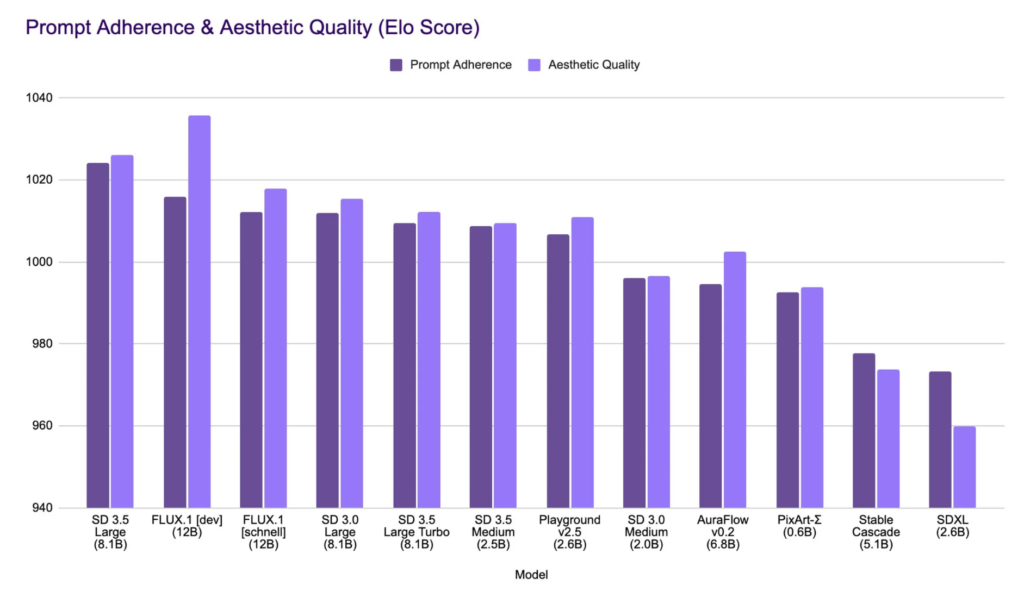
For the “Tinkerers,” Stable Diffusion 3.5 remains the open-source champion. With a parameter count of $10.5B$, it offers the most granular control. It’s the only model where you can truly “own” the weights and run it on your own hardware, making it the choice for privacy-conscious developers.
The “Apple vs. X” Saga: The Guardrail Debate
We can’t talk about Grok without talking about the controversy. In April 2026, Apple famously threatened to pull the X app from the App Store. The reason? Grok’s ability to generate “Non-Consensual Synthetic Media” (deepfakes).
- The Problem: Grok’s initial release had almost zero filters. This led to a flood of hyper-realistic, yet problematic, content.
- The Compromise: xAI introduced Media Hashing (integrated with StopNCII.org). Now, if you try to generate something that violates international safety standards, the system returns a “Generic Error” or a “Silent Fail.”
The Result? Grok is still more “free” than its competitors, but it has learned that to stay on the iPhone, it has to play (a little) nice.
The “Decision Matrix”: Which One Should You Open Today?
Stop scrolling and follow this logic:
- Do you need it to look like a real photograph of a celebrity doing something weird? * Use Grok. (Just don’t get banned).
- Do you need to design a professional logo with specific text?
- Use Nano Banana Pro. The text rendering is flawless.
- Do you need a “mood board” for a Netflix-style sci-fi show?
- Use Midjourney v7. The lighting is unmatched.
- Are you integrated into the Microsoft/OpenAI ecosystem and just need a quick visual for a slide deck?
- Use DALL-E 3. It’s the easiest “conversation” you’ll have with an AI.
Final Thoughts: The Death of the “AI Look”
In 2026, we are witnessing the death of the “AI Look”—that waxy, overly-saturated plastic sheen that defined 2023. Whether it’s Grok’s raw realism or Midjourney’s painterly depth, the tools have finally caught up to our imagination.
The real question isn’t “Which AI is better?” but “Which AI shares your soul?” If you’re a disruptor, you’re likely already paying for Grok. If you’re a perfectionist, you’re likely tweaking prompts in Midjourney. Either way, the canvas is infinite. Go break something (creatively).