There is a very specific kind of visual upgrade that makes people stop scrolling.
It is not louder color. It is not more text. It is not a complicated design trick that only professionals understand.
It is depth.
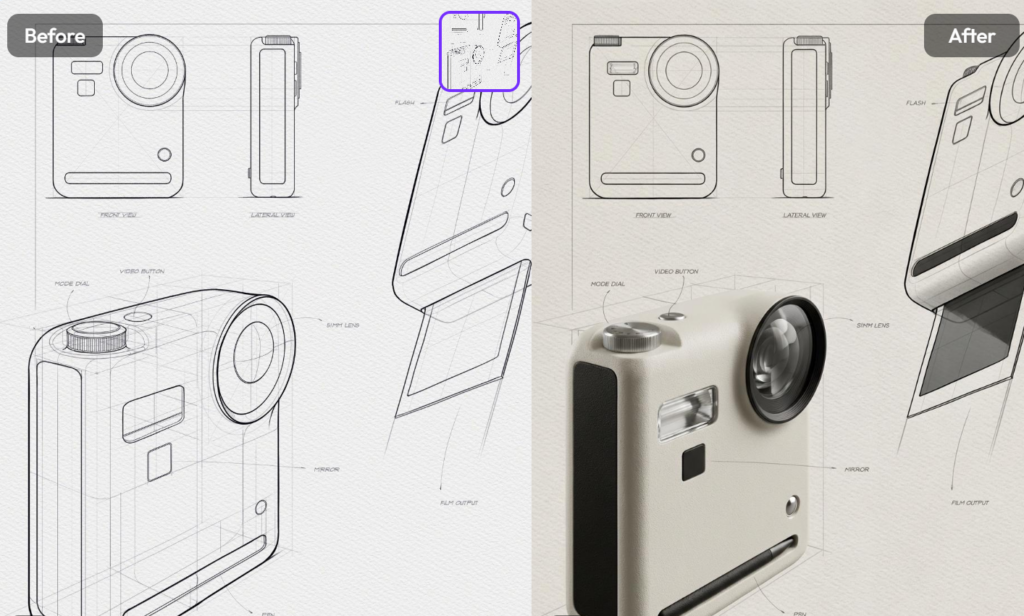
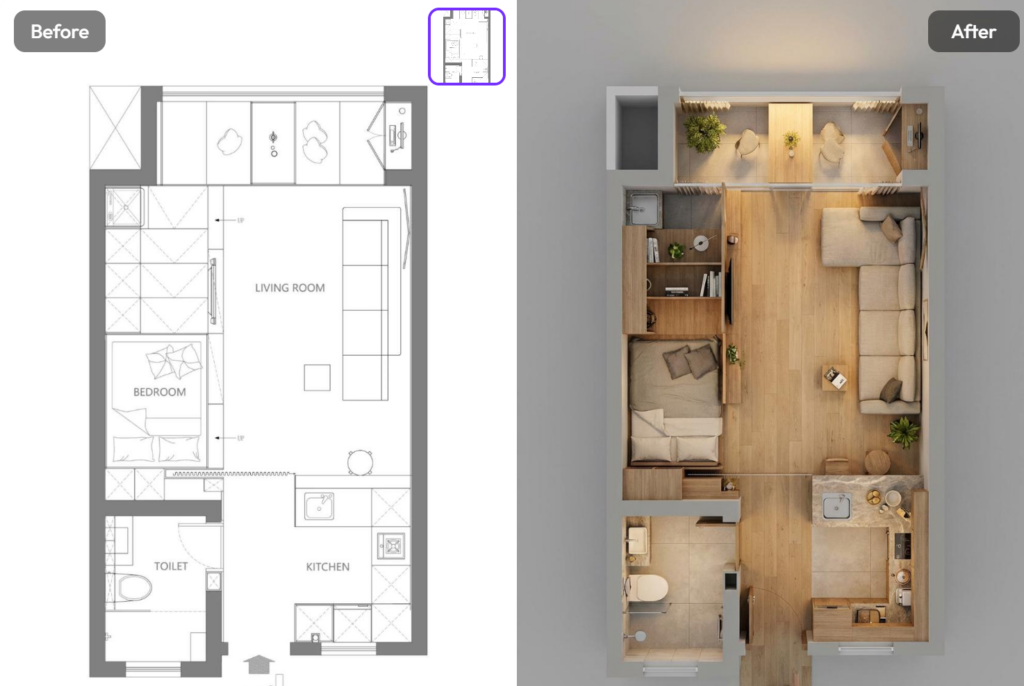
A flat image can tell a story, but a 3D version makes that story feel closer, richer, and more alive. That is exactly why the 2D to 3D Image Converter trend is getting so much attention. With WeShop AI, a single JPG or PNG can be turned into vivid 3D artwork in seconds, using AI depth analysis to create more dimensional visuals with realistic perspective and texture. Even better, you do not need design experience to get started.
Why the internet keeps rewarding depth
The modern feed is crowded. Every platform is full of polished content, fast content, and content that tries very hard to be noticed. So what actually stands out?
Usually, it is the image that feels like it has more presence.
That is the quiet power of a 2D to 3D Image Converter. It gives familiar visuals a second life. A logo feels more dimensional. A character feels more tangible. A product concept feels more premium. Suddenly, something that looked ordinary starts feeling ready for a campaign, a pitch, or a post that deserves a second look.
A flat image is not bad. It is just unfinished
Most 2D visuals are not weak. They are just waiting for one more layer of impact.
That is why this kind of tool works so well for creators, marketers, and brand builders. It helps bridge the gap between “good idea” and “visual that actually lands.” And because WeShop AI works online, the process stays light and approachable instead of turning into a long technical project.
What WeShop AI’s 2D to 3D Image Converter actually does
The experience is refreshingly simple.
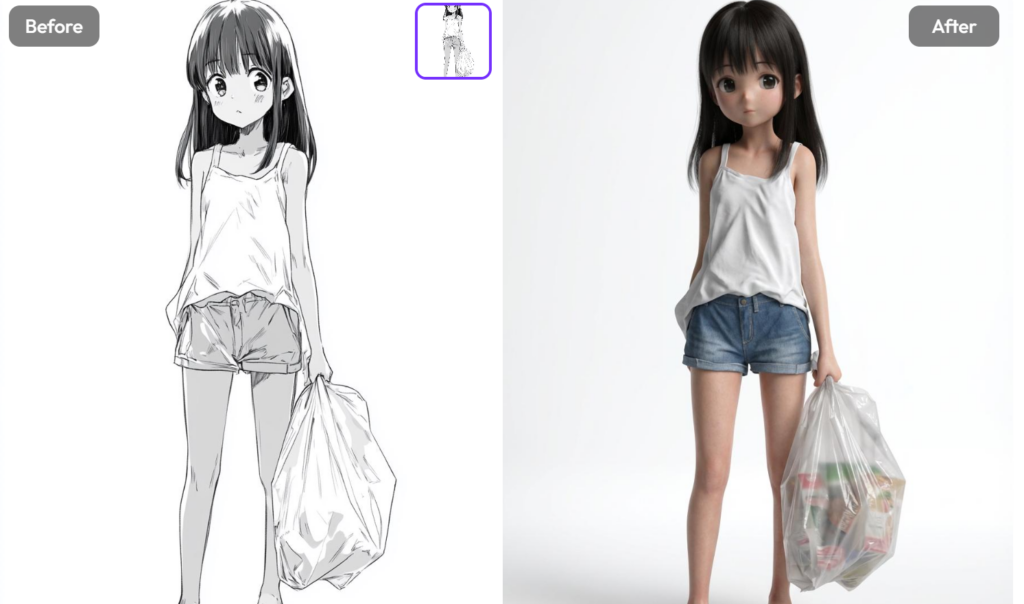
You upload a source image in a common format like JPG or PNG. Then the AI analyzes the image and transforms it into a 3D-style visual with stronger depth and texture. The result is not just a gimmick. It is meant to be a usable 3D asset that feels more vivid and visually engaging.
The product is built for users who want speed without sacrificing quality. That means creators can move from idea to result quickly, then refine the output online without needing a full design background. In other words, it is built for momentum.
Upload one image and let the AI do the heavy lifting
That is the part people usually love most.
There is no complicated setup. No intimidating software. No steep learning curve just to test one idea. The workflow is intentionally easy, which makes it useful for anyone who wants to explore 3D visuals without slowing down their creative process.
It is friendly for beginners, but useful for serious creators too
This is not just a toy for casual experimentation. It works well for people who need quick visual iteration, too.
If you are building brand assets, testing concepts, or refining a visual direction, the converter gives you a fast way to see how depth changes the emotional feel of an image. That kind of feedback is valuable long before a final design is locked in.
Where this kind of transformation shines most
The best use of a 2D to 3D Image Converter is not random conversion for the sake of it. The magic happens when the image already has a strong idea inside it.
Logos that need more personality
A flat logo can be clean and effective. But a 3D version can feel more modern, more premium, and more campaign-ready. That makes it especially useful for social posts, brand exploration, and creative presentations.
A simple shape can suddenly look like a design decision with much more personality.
AI-generated characters that need more presence
AI characters often look interesting right away, but adding depth can make them feel much more complete. The image gains weight, form, and a stronger visual identity. That is a big win for concept work, game ideas, and creative storytelling.
Product ideas that need a stronger first impression
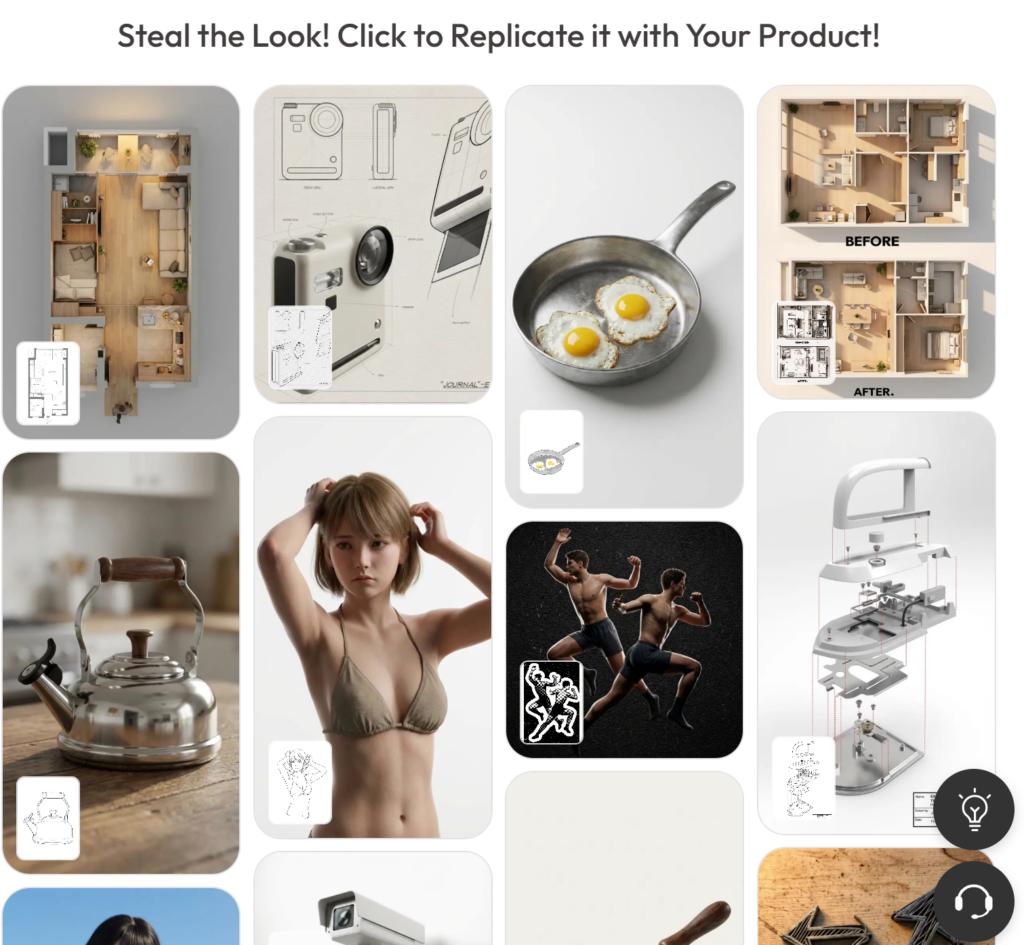
Sometimes the idea itself is already good. It just needs a better visual format. Turning a 2D concept into a 3D-style asset can make it easier to present, easier to pitch, and easier to remember.
That is why this tool fits so naturally into modern creative workflows. It gives your idea a little more gravity.
Why this feels easier than the old way
Traditional 3D workflows can be powerful, but they are rarely fast. They usually ask for time, technical skill, and a lot of patience.
WeShop AI takes a different path. It keeps the process online, quick, and approachable. That matters because most creators are not looking for a full 3D production pipeline. They are looking for a cleaner way to move from one image to a more expressive version of that image.
Faster testing means better ideas
When it is easy to try a concept, people try more concepts.
That alone is a huge advantage. A lightweight workflow makes experimentation feel natural. And when experimentation feels natural, better creative choices start happening faster.
Free trial energy matters
The “free online” angle is not just a marketing line. It lowers the barrier to trying the tool at all. That is important because people are much more likely to explore a visual tool when they can test it without friction.
The new creative default
The most interesting thing about the 2D to 3D Image Converter is not that it changes one file type into another.
It changes the way an image feels.
A flat picture can become something more atmospheric. A simple logo can become more brandable. A character can become more memorable. A concept can move from “nice idea” to “I want to look at this again.”
And that is the real reason tools like WeShop AI matter. They do not just save time. They help ideas land harder.
Ready for the scroll-stopping version?
If your image already has a story, depth is what makes people stay with it a little longer. WeShop AI’s 2D to 3D Image Converter gives you that depth quickly, easily, and in a way that feels made for modern content creation.
One upload. One conversion. A much stronger first impression. ✨