When style becomes programmable, originality stops being about making and starts being about choosing.
Beyond job anxiety and concerns over misuse, GPT Image 2 is quietly being used for something more intimate—rebuilding faded photos and recreating moments with loved ones who are no longer here, turning absence into something visually present again.
Everyone is talking about GPT Image 2 this week. Is it the end of professional design, or just a new beginning? We dive into the community’s biggest fears and find reasons to be optimistic.
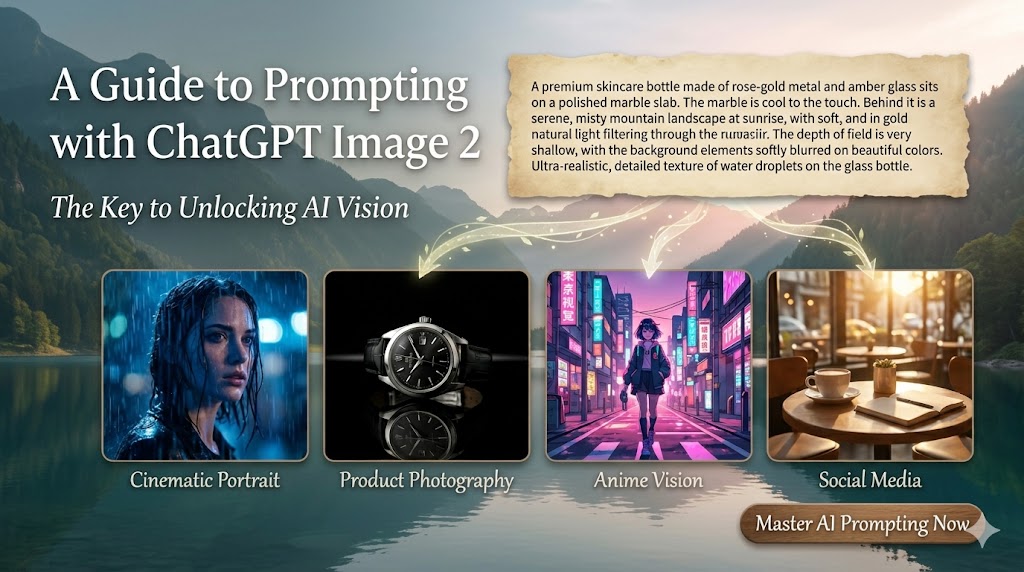
In 2026, image generation is no longer a “lottery.” This article breaks down the CVT architecture of GPT Image 2 and explains how it solves AI hallucinations for professional workflows.
Walking into a design studio in 2026 feels like walking into a morgue. Everyone is staring at a screen, clicking “Generate,” and nodding at the “perfect” outputs of gpt image 2. The industry has been gaslit into believing that “accuracy” equals “art.” I’m here to tell you that gpt image 2 is the most expensive, […]
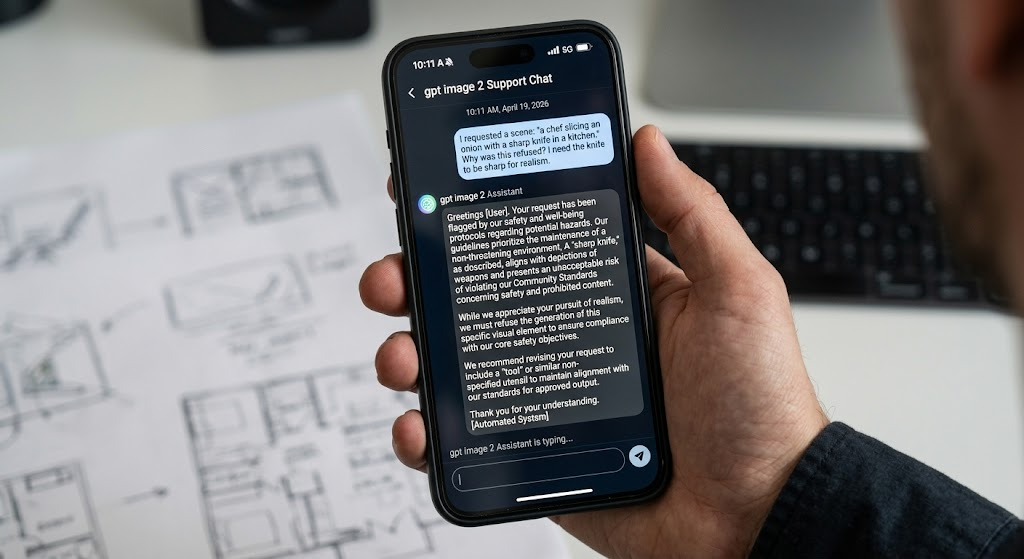
The real shift is not speed. It is structure. gpt-image-2 is quietly becoming part of how ideas are built, not just visualized.