What Are AI Children Models?
AI children models are synthetic characters created for visual concepts such as kids’ apparel lookbooks, family-product campaigns, and early-stage advertising mockups. For brands, they can provide a practical way to test a composition before arranging a traditional shoot. However, the final image still needs human review, especially when it presents clothing fit, product details, or a child-like subject.
WeShop AI can help creative teams place apparel on AI-generated models and explore different poses or backgrounds. The safest workflow is to use licensed product images, choose age-appropriate styling, and avoid making the synthetic character resemble a real child. In addition, brands should label AI-generated imagery when a platform, marketplace, or campaign policy requires disclosure.
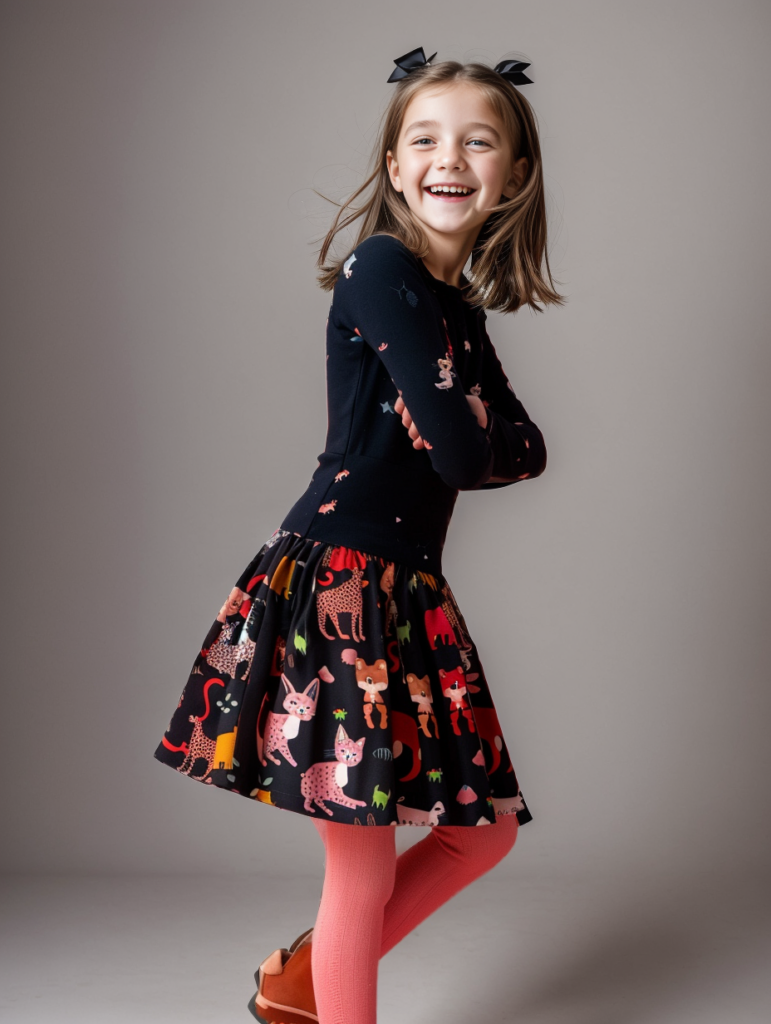
How to get started with AI Little Girl?
To find the perfect children models on WeShop AI, follow these simple steps:
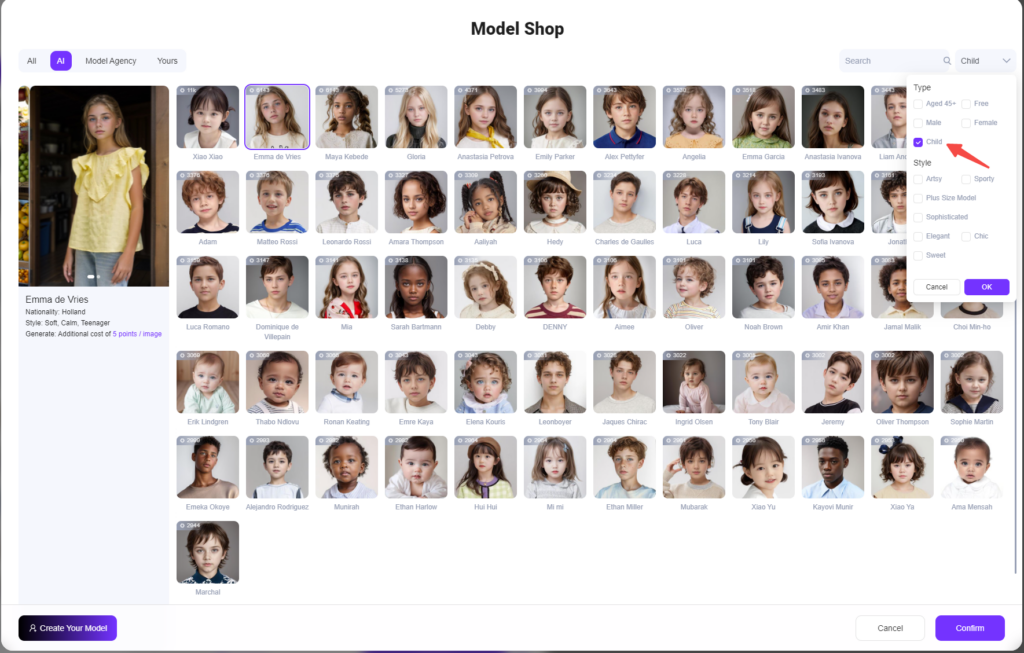
- Enter the Model Shop: Start by navigating to the “Model Shop” section on the WeShop AI platform.
- Select the Children Filter: Once inside the Model Shop, use the filters to narrow down your options. Select the “Children” filter to explore our extensive range of AI-generated children models.
- Explore Best Cases: Take a moment to browse through some of our best case examples. These will give you a sense of how the models can be used effectively in various contexts.
- Choose Your Model: After reviewing the options, select the AI children model that best suits your project needs. Whether you’re looking for a specific look or style, our collection offers diverse choices to match your vision.
Where AI Children Models Can Help a Brand
1. Test Different Creative Directions
AI children models can help a team compare poses, settings, and styling ideas before it commits to a final campaign. Nevertheless, visual variety should not rely on stereotypes about age, gender, ethnicity, or culture. Review each image for respectful and age-appropriate representation.
2. Present Kids’ Apparel in Relevant Contexts
Brands can explore casual, school-day, seasonal, formal, or outdoor concepts for children’s clothing. However, an AI image is a visual concept rather than proof of actual sizing or fit. Product pages should still use accurate measurements, size charts, and verified product details.
3. Create Assets for Different Marketing Formats
Approved outputs may be adapted for lookbooks, social posts, campaign drafts, or product-page supporting images. Before publishing, confirm that the garment color, print, logo, fastening, and silhouette still match the source product. Also check the destination platform’s rules for AI-generated or child-related advertising.
4. Guide the Model Without Promising a Perfect Result
Users can guide the model, pose, background, lighting, and overall mood. Even so, generation is not the same as full control. Results can vary, so teams should compare versions, document their review, and keep only images that meet brand and product-accuracy standards.
4. Keep the showcase section, but add this disclosure above it
Place the following paragraph directly below Showcases of AI Children Models:
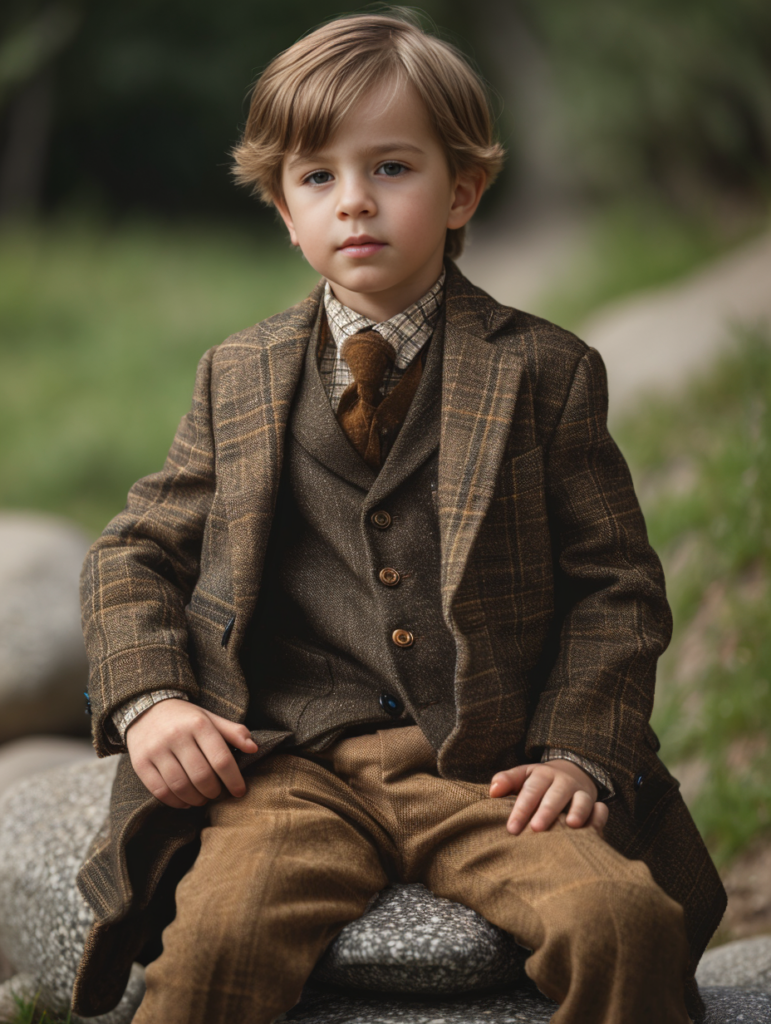
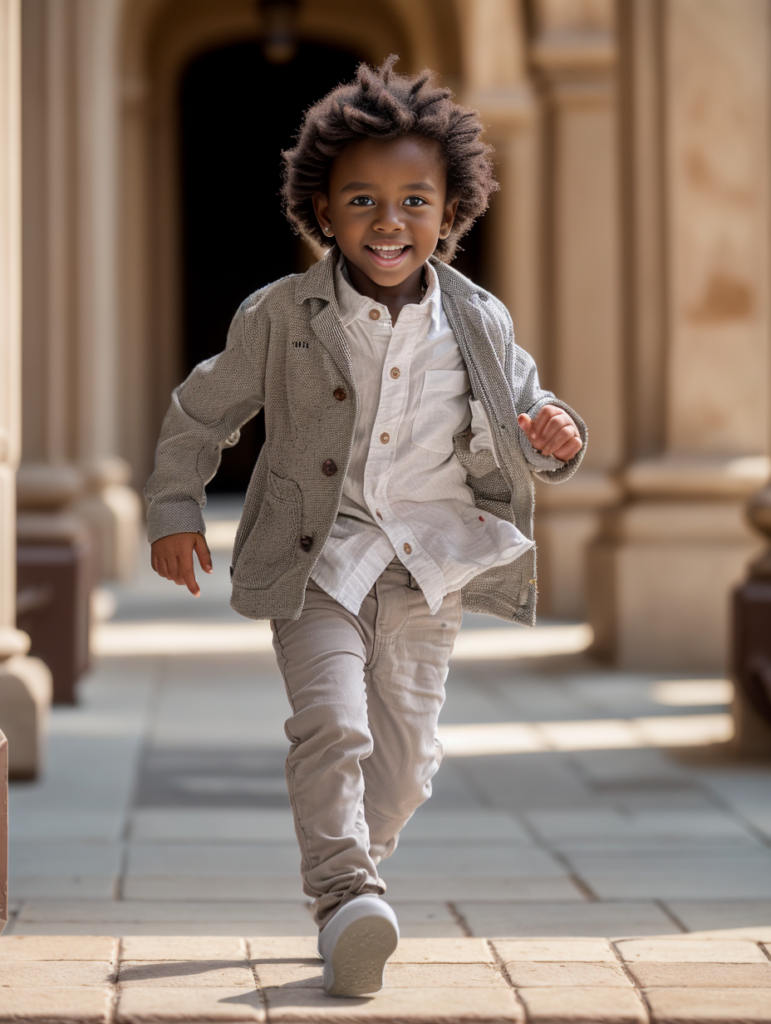
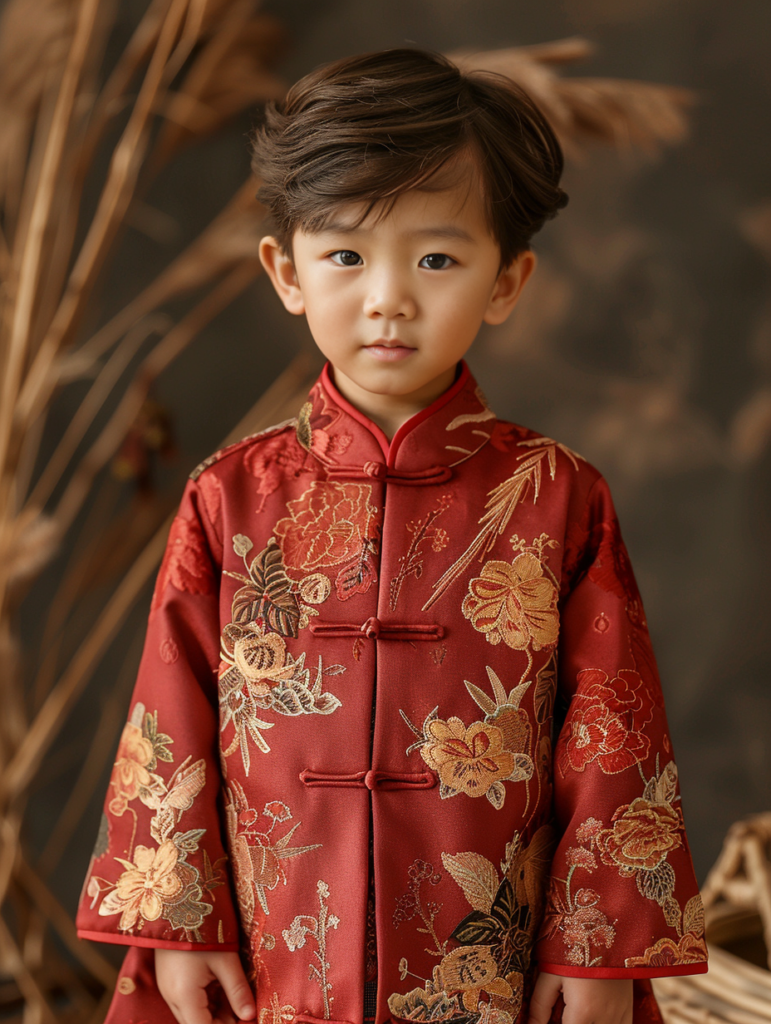
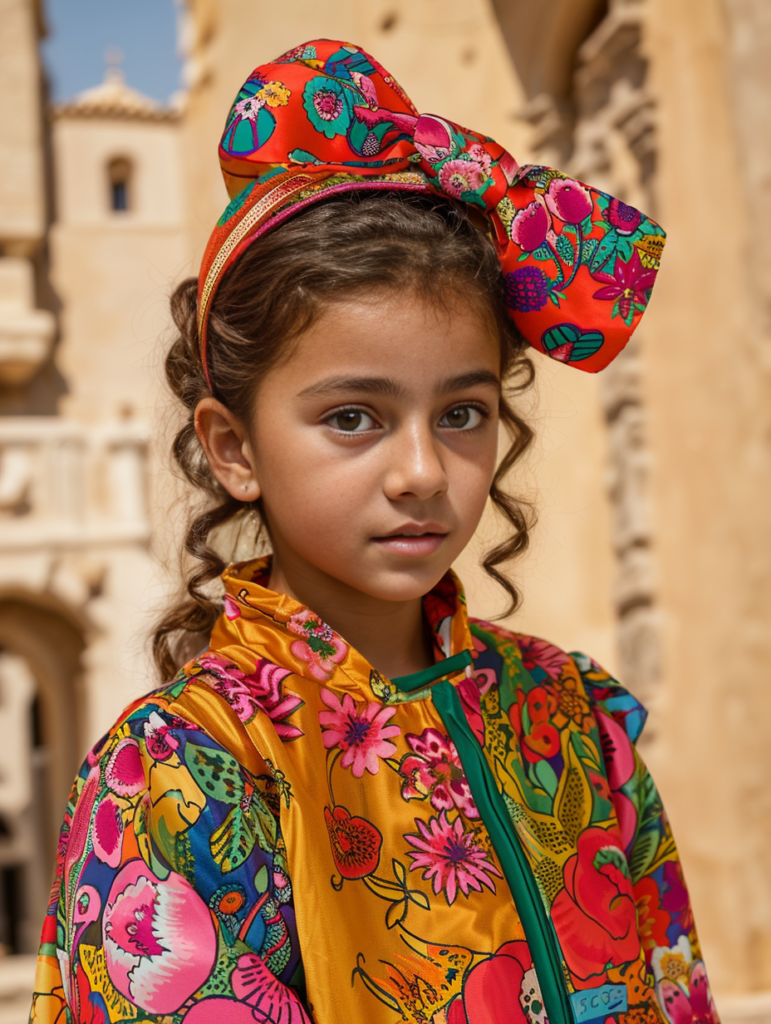
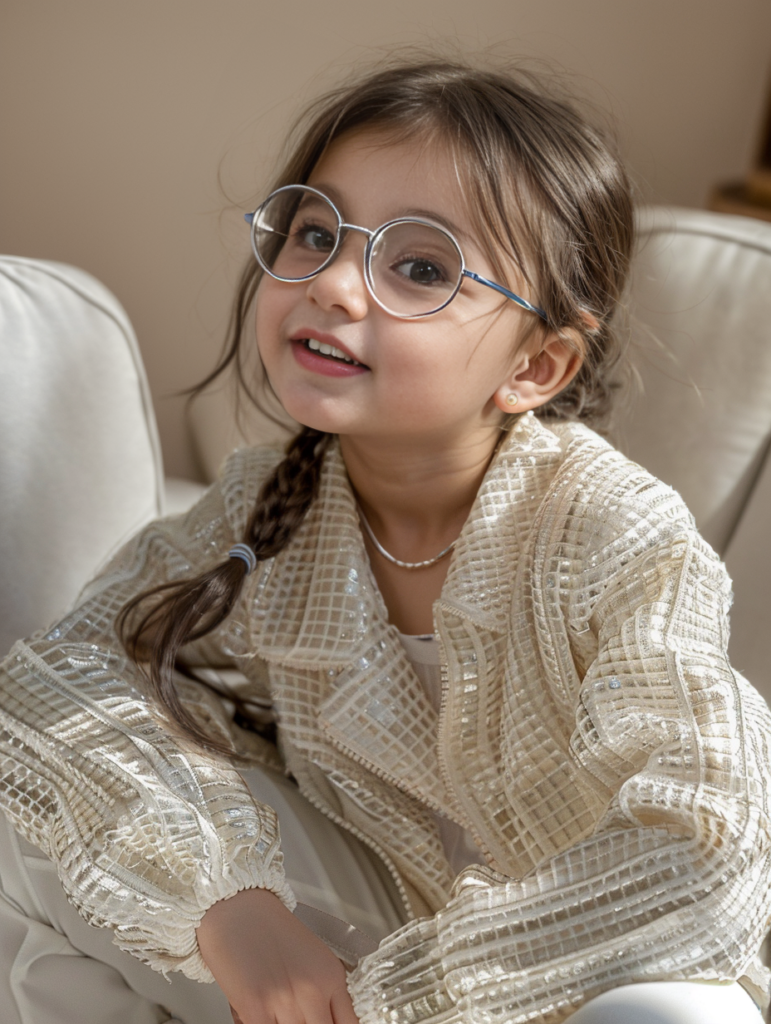
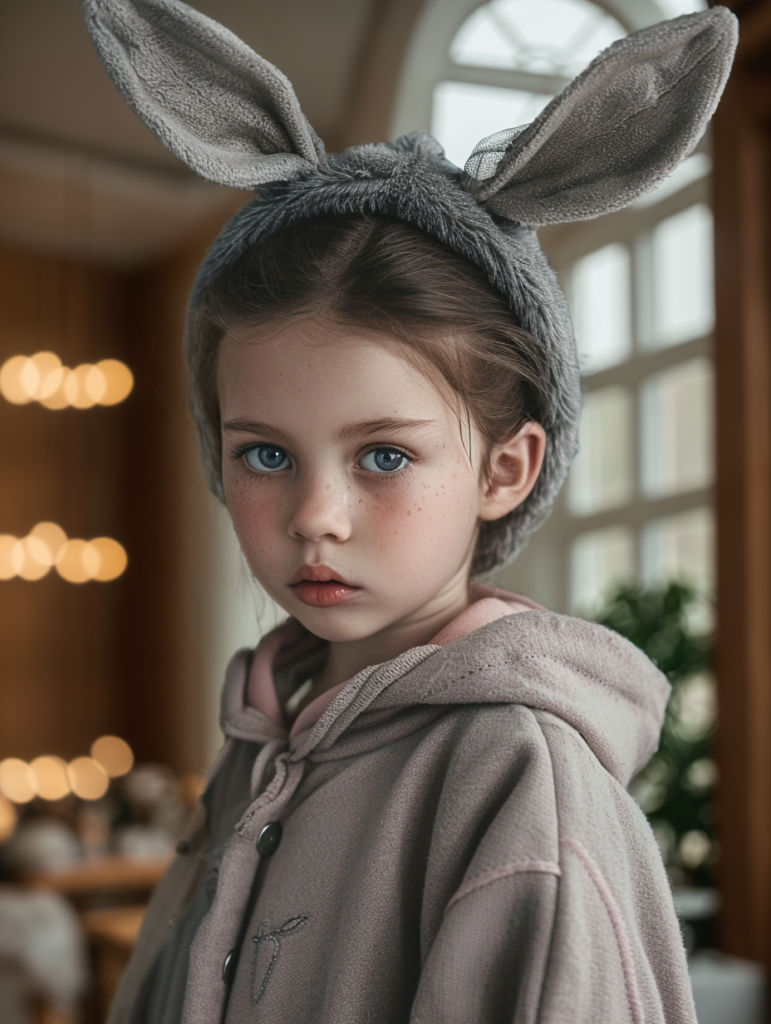
The examples below are AI-generated visual concepts. They do not depict customer testimonials, documented campaign performance, or guaranteed output quality. Results depend on the source image, selected settings, and final human review.
Showcases of AI Children Models
AI Boy Models
AI Girl Models
Pre-Publish Checklist for Child-Related AI Images
Before using an image in public-facing content, confirm all of the following:
- The character is synthetic and does not intentionally imitate an identifiable child.
- The clothing, pose, expression, and setting are appropriate for the represented age group.
- The image does not sexualize, shame, rank, or stereotype a child-like subject.
- Hands, feet, teeth, eyes, hairlines, and body proportions look coherent at 100% zoom.
- Garment colors, logos, prints, seams, buttons, and accessories match the source product.
- The image does not imply verified fit, safety, performance, or customer experience without evidence.
- The team owns or has permission to use every uploaded product image and reference asset.
- Required AI disclosures and the relevant advertising, marketplace, and regional rules have been checked.
If any item fails, regenerate or repair the image before publication. When the image is used to sell apparel, pair it with accurate product photography, measurements, and a size guide.
A Responsible Way to Use AI Children Models
AI children models can support concept development for kids’ fashion and family-oriented campaigns. They are most useful when a team starts with a clear product image, chooses an age-appropriate direction, and reviews every result closely. In contrast, they should not be presented as proof of exact fit or as a substitute for verified product information.
Use WeShop AI to create several visual options, then check product fidelity, anatomy, disclosure needs, and platform requirements before publishing. This review-first process helps brands produce more useful content while treating child-like subjects with appropriate care.
Go to WeShop AI For Exploration: