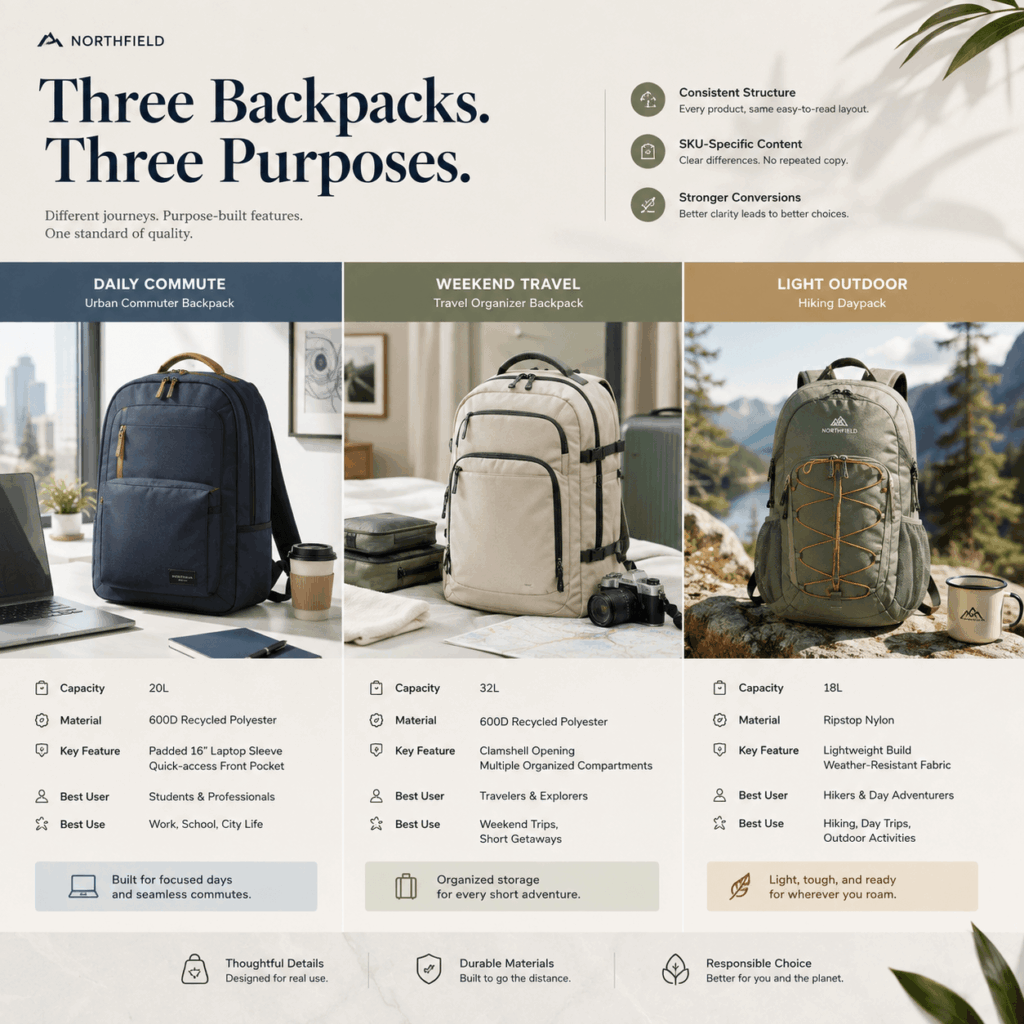
Creating one product page is easy. However, creating 100 is where the system often breaks. As catalogs grow, teams copy old descriptions. Then they replace a few details and publish the page.
AI Product Detail Page offers a better way to scale. It turns product URLs, photos, SKU data, supplier copy, and short notes into clear product page content.
The goal is not to make every page longer. Instead, each SKU needs a complete structure. At the same time, every product should still sound different.
A strong catalog should feel consistent. Yet each product also needs a clear reason to exist.

Why the 100-SKU Copy Problem Starts Small
Duplicate product copy rarely begins as a major mistake.
At first, a store may have only one commuter backpack. The team has time to check its material, size, pockets, straps, and best use. As a result, the page feels useful and specific.
Then the catalog grows.
A travel bag arrives. Next comes a laptop backpack. Later, the store adds a light outdoor model. These products may share similar colors and materials. Therefore, the team copies the first page to save time.
Soon, every description includes the same sentence:
Lightweight, durable, and ideal for everyday use.
The claim may be true. Still, it does not help shoppers choose. It could describe almost any bag in the category.
Meanwhile, more pages enter the catalog. The products look different, but the copy gives shoppers the same reason to buy each one.
What began as a small shortcut has now become a catalog-wide problem.
AI Product Detail Page Needs a Clear System
AI Product Detail Page works best inside a clear content system.
For example, the tool can create descriptions, benefit bullets, SEO titles, meta descriptions, specifications, FAQs, and image alt text. It can also help organize other product page sections.
However, teams should choose the page structure first. They should not generate 100 pages without a shared plan.
A useful structure may include:
- Product Summary
- Key Benefits
- Best For
- Specifications
- Materials
- Care Instructions
- FAQ
- Image Alt Text
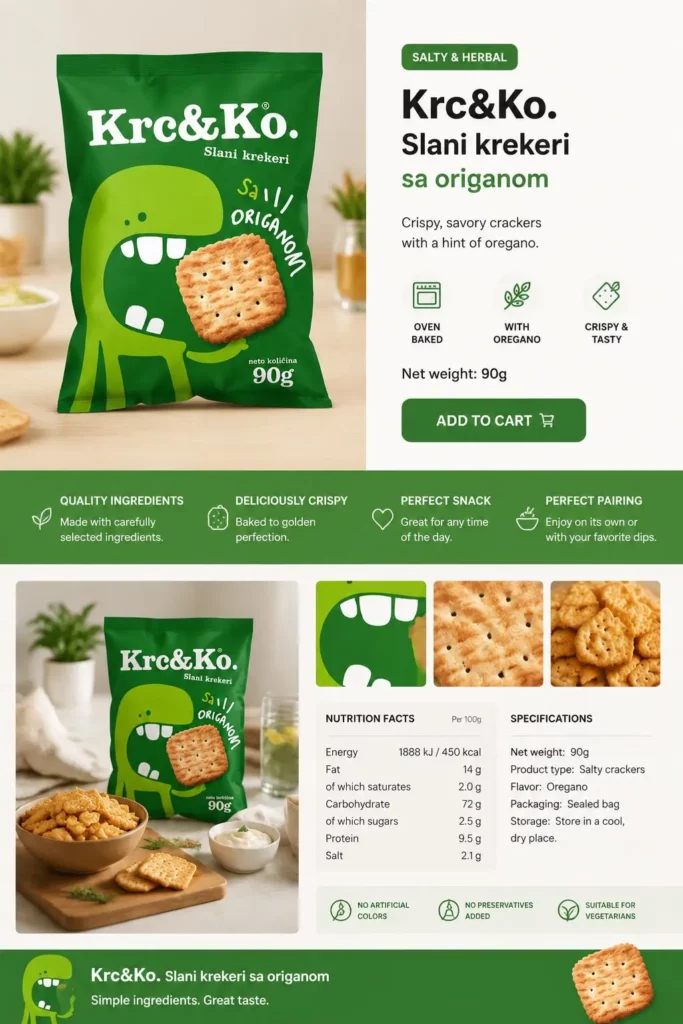
This format makes the store easier to browse. Shoppers know where to find key facts. Editors also know what every page must include.
Still, a fixed structure should not lead to fixed copy.
What AI Product Detail Page Should Keep Consistent
The page framework should stay stable across the catalog.
For example, every backpack page can follow the same order. The summary appears first. Benefits come next. Then the page shows specifications, use cases, care details, and FAQs.
The brand voice should remain stable too. A premium store may use calm and exact language. Meanwhile, an outdoor brand may sound practical and direct.
In addition, heading length, bullet style, product names, and image choices should follow one system.
As a result, shoppers can move between products with less effort. They do not need to learn a new layout on every page.
This type of consistency improves the shopping experience. It also makes the catalog easier for editors to manage.
What AI Product Detail Page Should Change by SKU
The product facts must change for every SKU.
For instance, these details may include:
- Capacity
- Materials
- Dimensions
- Compatibility
- Target user
- Main use case
- Included accessories
- Care requirements
- Product limits
Two bags may both use recycled polyester. However, one may include a padded laptop sleeve. The other may offer more space for travel items.
Therefore, the pages should not repeat the same benefits. Each page must explain the value of its own features.
The structure can stay familiar. The product story must remain specific.
Turn Raw SKU Data Into Shopper Language
Supplier data often contains useful facts. Yet those facts are not always easy to understand.
A raw product entry may look like this:
600D recycled polyester, 20L, water-resistant, padded rear panel.
The details matter. However, they do not show how the product fits into daily life.
A clearer paragraph may say:
A compact 20-liter backpack for daily commutes and short trips. Its water-resistant recycled fabric helps protect everyday items. The padded back panel also adds comfort during longer journeys.
The second version does not invent a feature. Instead, it links each real detail to a clear use.
Therefore, this is an important role for AI Product Detail Page. It can turn materials, features, customer needs, and use cases into useful product content.
However, the result still depends on the source data. If the SKU information is weak, the page may also lack detail.
For this reason, teams should provide accurate facts before generating the copy.
Give Similar Products Different Jobs
Similar products often create the most repeated copy.
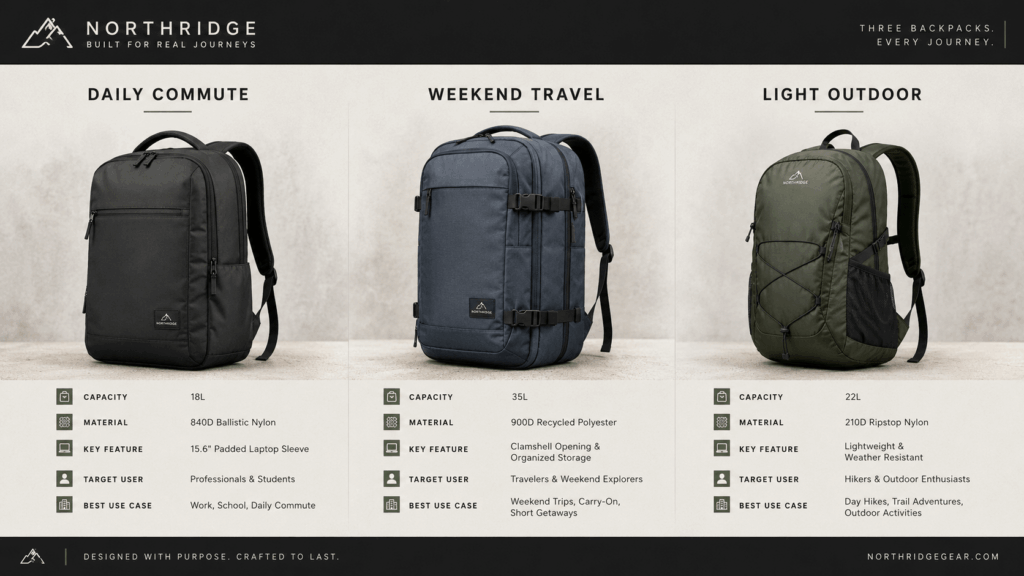
For example, imagine a store with three 20-liter backpacks. All three use strong fabric. They also have a zippered main section and padded straps.
If the team only describes these shared facts, the three pages will sound almost the same.
Instead, give each product a clear job.
The first backpack may suit Daily Commute. Its page can focus on laptop storage, office travel, and quick access.
The second may suit Weekend Travel. Therefore, its page can highlight packing space, inner dividers, and short trips.
The third may support Light Outdoor Use. Its content can focus on low weight, weather resistance, and easy movement.
The difference must come from real product value. It should not come from random synonyms.
Once each role is clear, the full page becomes easier to build. The headline, benefits, use cases, FAQs, and keywords can all support the same purpose.
Build a 100-SKU Workflow With AI Product Detail Page
A large catalog needs a process that teams can repeat. Otherwise, they may create pages quickly but review them poorly.
Collect the Source Material
First, gather more than a product name.
Collect product URLs, clear photos, supplier copy, specifications, materials, dimensions, target users, and use cases. Also add the preferred brand tone.
In addition, list any claims that the page must avoid. This step is important for health, safety, durability, performance, and sustainability claims.
Better source material leads to more useful copy. Weak source data, however, leaves the tool with less to work with.
Set the Page Structure
Next, choose the modules that every page needs.
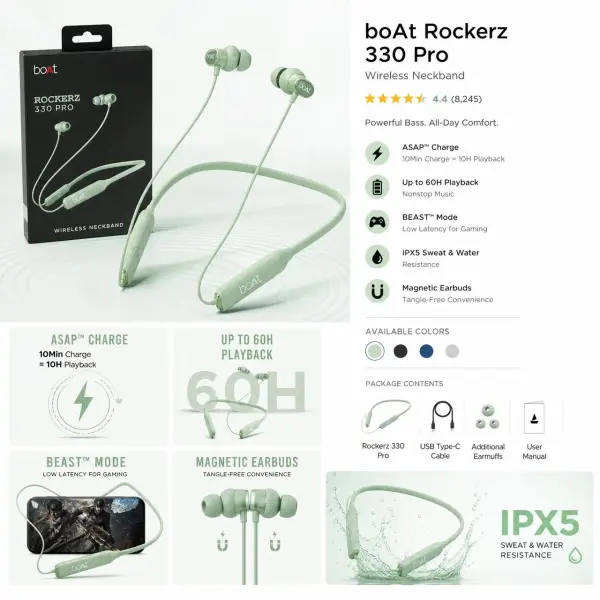
A fashion store may need fit notes and care instructions. A tech store may need compatibility, battery life, and package contents. Meanwhile, a beauty store may focus on ingredients, texture, use, and skin type.
Therefore, each template should match its product category.
The structure should stay stable across related pages. However, the content inside each module should reflect the real SKU.
Generate and Compare
Then use AI Product Detail Page to create SKU-specific descriptions, benefits, specifications, FAQs, SEO fields, and image alt text.
After that, compare related pages side by side.
Do not review each page alone. One description may look strong by itself. Still, it may repeat the same message as five other products.
A side-by-side review makes repeated claims easier to spot. It also shows whether each product has a clear role.
Review Before Publishing
Finally, check every product fact.
Review the size, material, ingredients, accessories, compatibility, price, and claims. Also remove phrases that appear too often across the catalog.
AI can organize and expand content. However, it should never guess missing facts.
If a product does not include a feature, the page should not imply that it does.
Run Three Catalog Checks
Before publishing, run three simple checks for each product category.
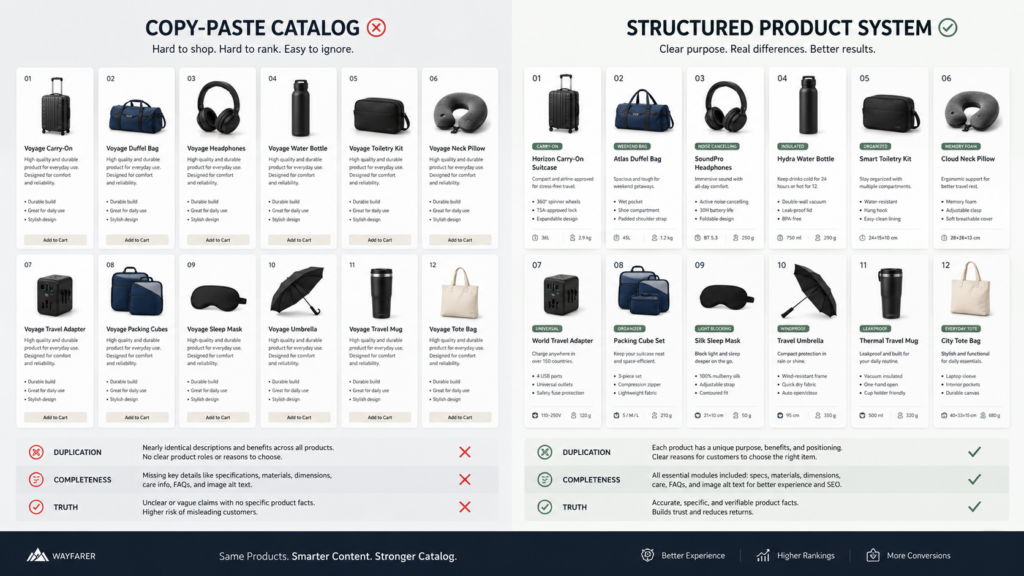
The Duplication Check
First, remove the product name and color from two related pages.
Do the remaining paragraphs still sound almost the same?
If so, the products may need clearer roles. Their benefits may also need stronger links to real features.
In addition, check whether several pages use the same opening sentence. Repeated introductions can make the whole catalog feel automated.
The Completeness Check
Next, compare the page sections across the category.
Does every page include a summary, benefits, specifications, care details, FAQs, and image alt text where needed?
A stable structure makes product comparison easier. It also stops some products from receiving far more detail than others.
However, not every category needs the same modules. The structure should match the product type.
The Truth Check
Finally, make sure every claim matches the product data.
In particular, pay close attention to materials, dimensions, compatibility, ingredients, safety, performance, and sustainability claims.
A sentence can sound polished and still be wrong.
Therefore, teams should treat generation and verification as two separate steps. The tool creates the content draft. The team confirms the facts.
Scale With AI Product Detail Page Without Losing the Brand
A 100-SKU catalog does not need 100 writing styles. It also does not need one description copied 100 times.
Instead, it needs one clear structure and many accurate product stories.
AI Product Detail Page helps turn product URLs, photos, supplier copy, SKU data, and notes into organized page content. It can also support a stable brand voice across SEO fields, FAQs, specifications, and image alt text.
However, the best results still need a clear system. Teams must decide what every page should keep. They must also decide what each SKU should change.
As the catalog grows, the workflow should become more organized. It should not become more repetitive.
A scalable catalog is not a folder full of longer descriptions. It is a system that gives every product the same care without making every page sound the same.
Go to WeShop AI For Exploration: