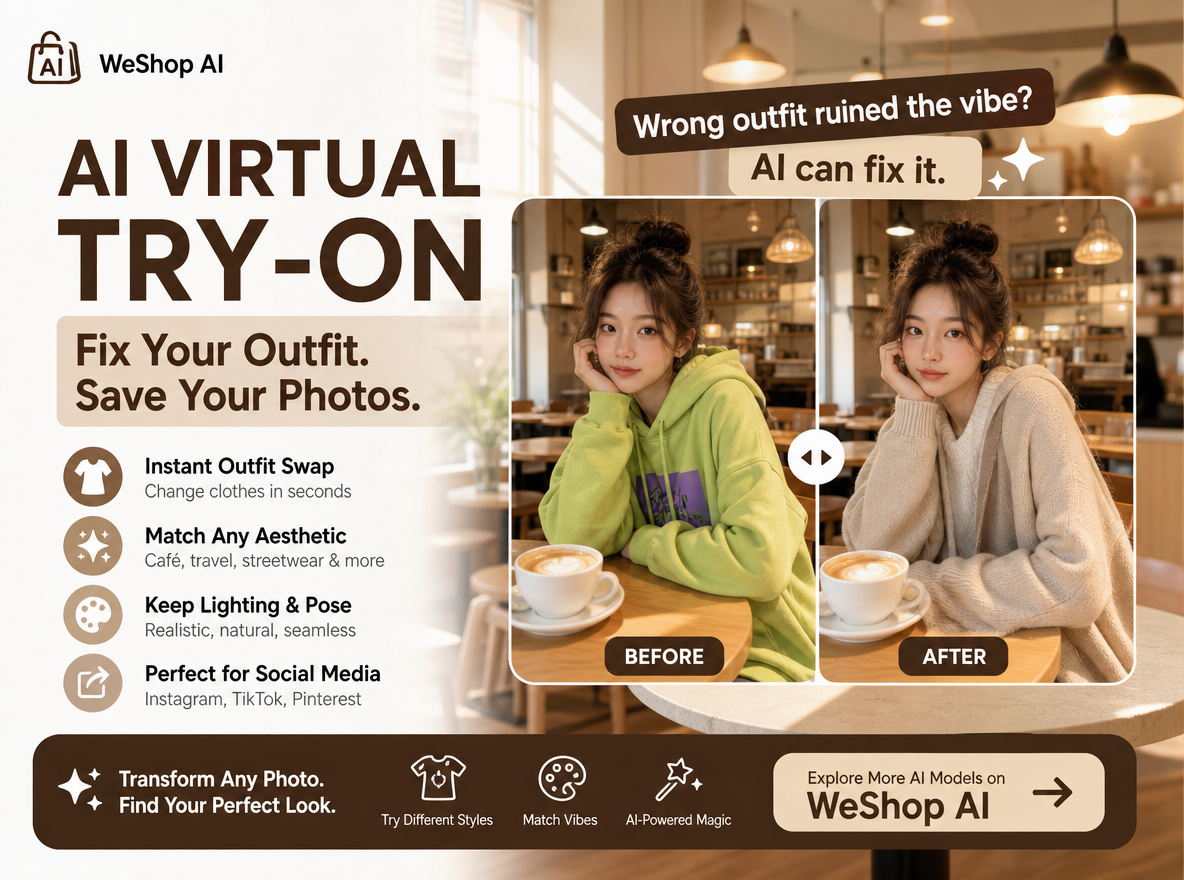
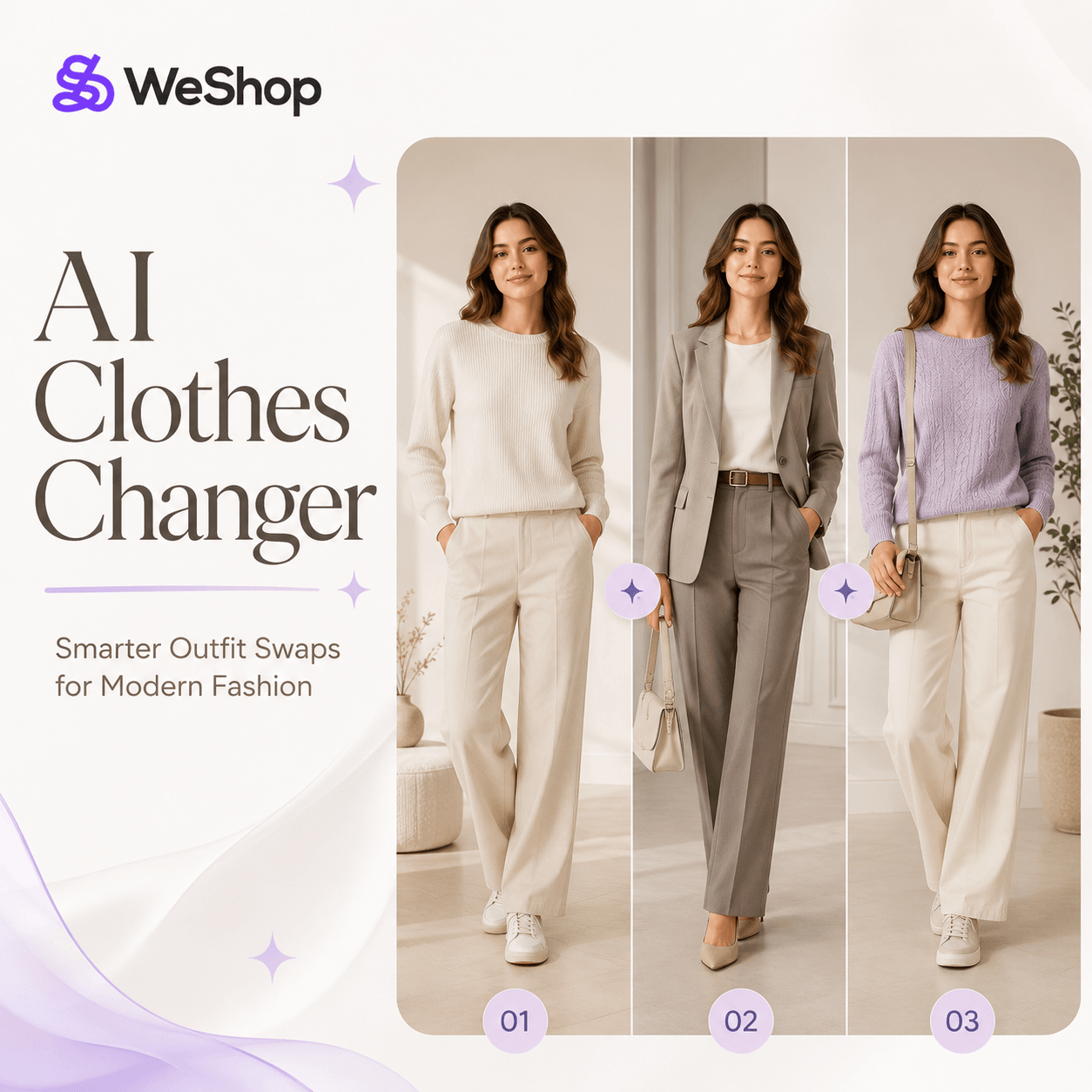
The fashion and social media world is changing fast. One of the biggest reasons is a single feature: AI virtual try-on. What used to require photoshoots, outfits, lighting setups, and influencers is now being replaced by a simple digital workflow that generates outfit previews instantly.
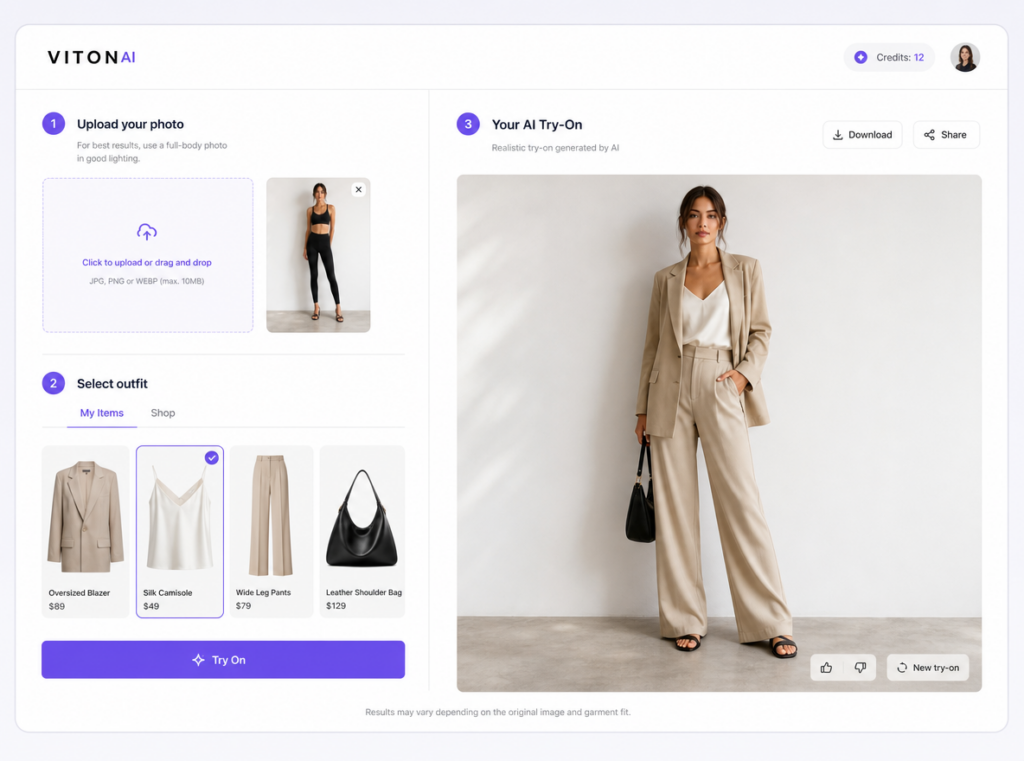
This shift is not just about technology. It is changing how fashion content is made, how brands promote clothing, and even how influencers build their identity online. The “outfit-of-the-day” style content, once dominated by creators posting daily looks, is now being challenged by AI-generated fashion visuals that are faster, cheaper, and easier to produce.
👗 What Is AI Virtual Try-On?
AI virtual try-on is a technology that allows users to digitally “try on” clothes using artificial intelligence. Instead of physically wearing an outfit and taking photos, users upload an image or select a model, and the AI generates how the clothing would look on a person.
Modern systems powered by companies like Google and other multimodal AI platforms can now simulate:
- clothing fit
- fabric behavior
- body alignment
- lighting consistency
- realistic outfit rendering
The result is a visual preview that looks increasingly close to real photography.
🚀 Step 1: Upload or Select a Base Model
The first step in AI virtual try-on is selecting a base image.
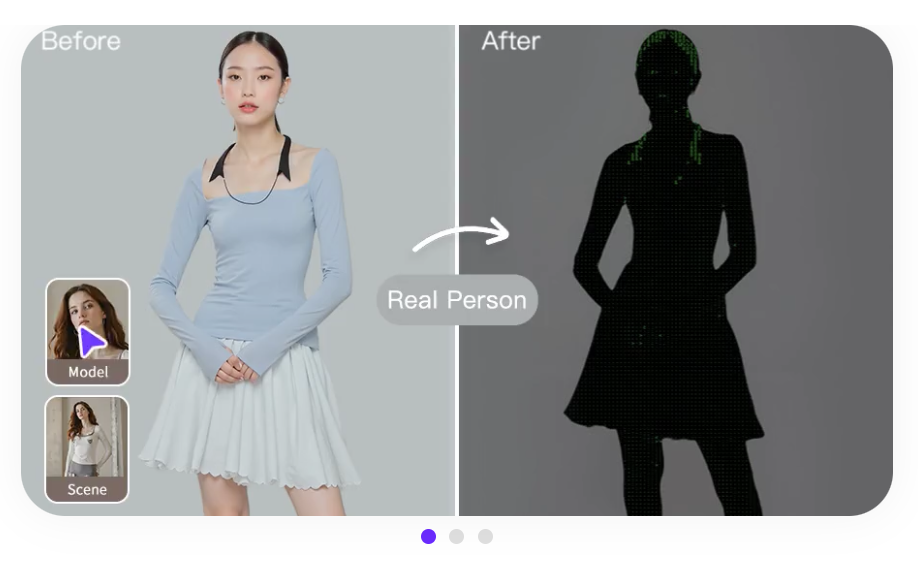
This can be:
- a personal photo
- a model image
- a digital avatar
- a brand template
The AI analyzes body shape, pose, lighting, and perspective before applying any clothing.
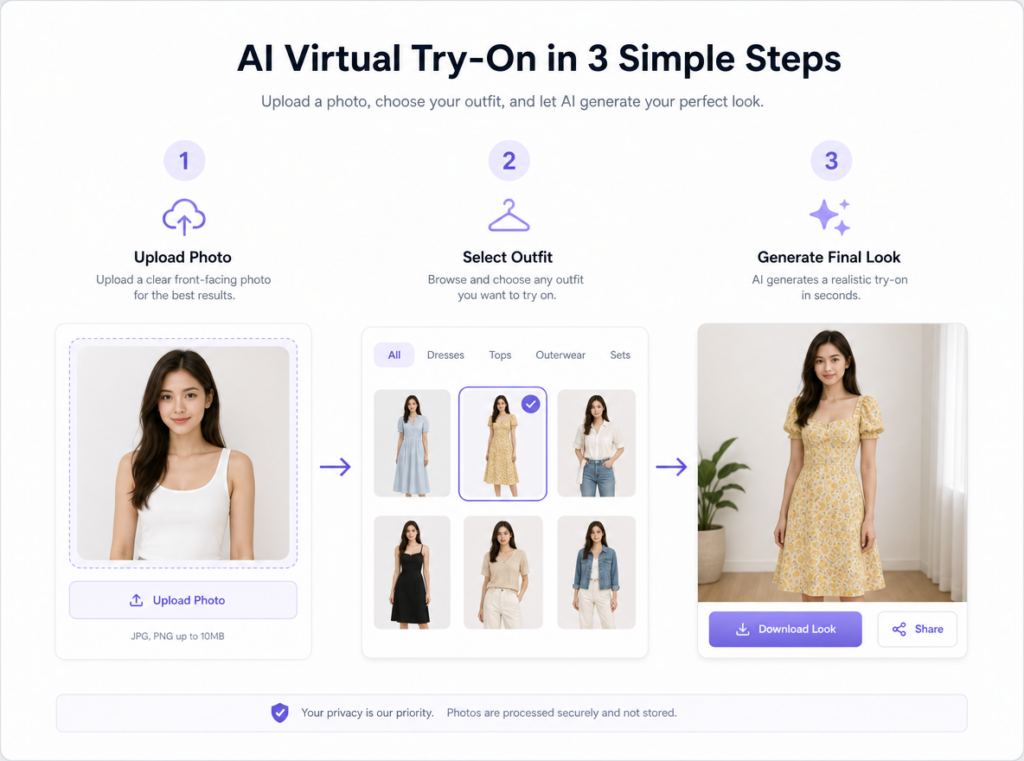
This step is important because it sets the foundation for how realistic the final outfit will look.
👕 Step 2: Add Clothing or Outfit Description
Next, the user selects or describes the outfit.
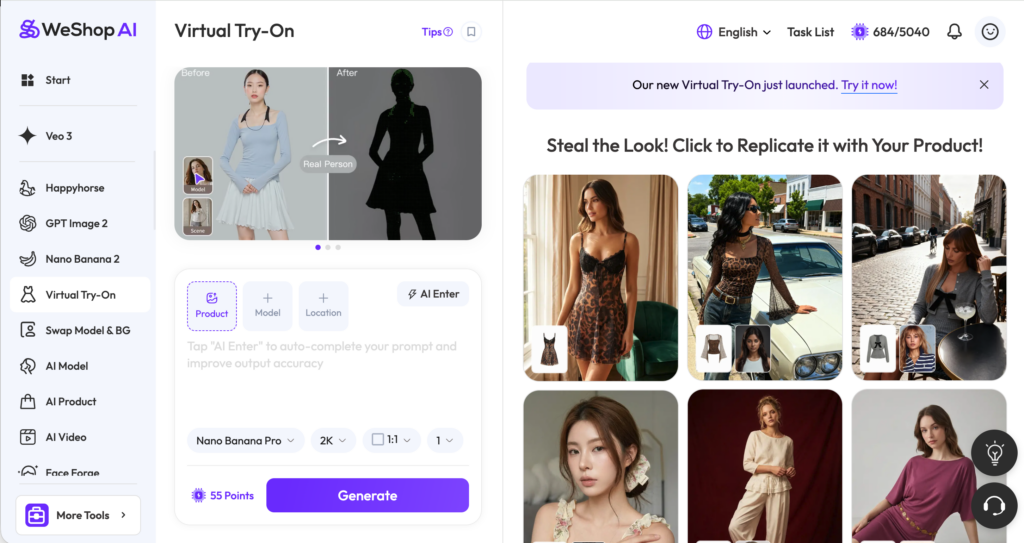
This can include:
- dresses
- streetwear
- formal wear
- luxury fashion pieces
- seasonal outfits
Some systems allow image-based clothing input, while others rely on text prompts.
At this stage, the AI interprets:
- fabric type
- color
- style category
- design details
and prepares how the clothing should interact with the body in the image.
This is where AI systems connected to platforms like OpenAI are becoming more advanced, especially in understanding visual and language combinations together.
✨ Step 3: Generate and Refine the Final Look
Once the model and outfit are processed, the AI generates the final try-on image.
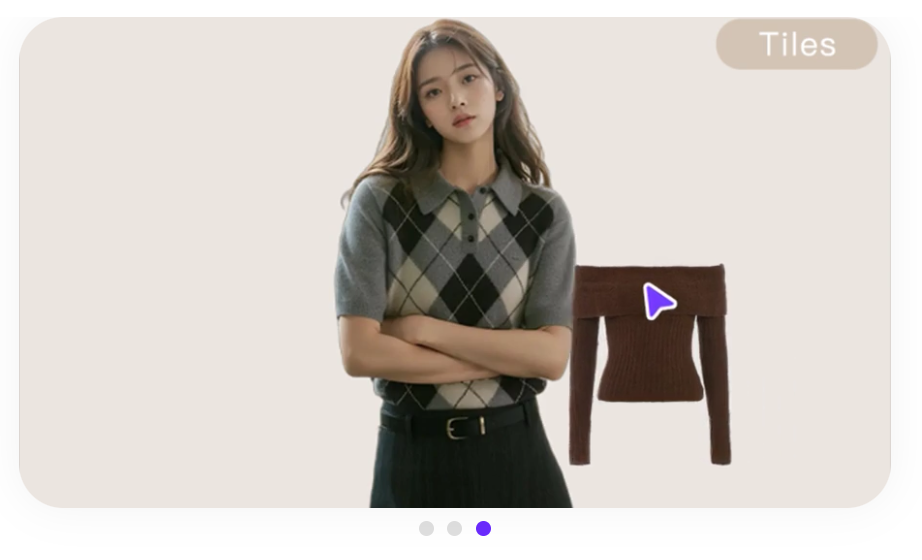
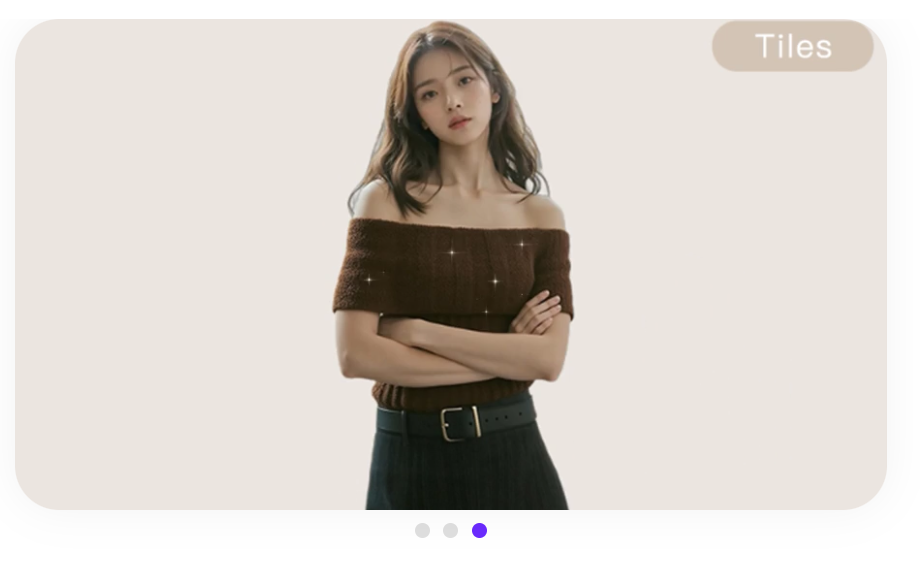
In more advanced systems, users can:
- adjust fit accuracy
- change lighting style
- refine body proportions
- regenerate variations
This step is where AI virtual try-on becomes powerful. Instead of producing one static image, users can iterate quickly until the result matches the desired aesthetic.
For fashion brands and content creators, this dramatically reduces production time.
💥 Why AI Virtual Try-On Is Disrupting Influencer Fashion
The rise of AI virtual try-on is starting to change the outfit-of-the-day (OOTD) ecosystem.
Previously, influencers needed:
- daily outfit planning
- photography sessions
- editing workflows
- consistent personal branding
Now, AI can generate multiple outfit variations instantly without physical shoots.
This does not completely replace influencers, but it changes expectations. Audiences now see more polished, more frequent, and more visually diverse fashion content than ever before.
That creates pressure for traditional creators to keep up.
💼 How Brands Are Using AI Virtual Try-On
Fashion brands are quickly adopting AI virtual try-on for practical reasons.
They use it for:
- ecommerce previews
- digital catalog creation
- advertising mockups
- social media campaigns
- product visualization
Instead of photographing every clothing variation, brands can generate multiple visual styles digitally.
This reduces costs and speeds up production significantly.
📱 Social Media and the Rise of AI Fashion Content
On platforms like Instagram, TikTok, and Pinterest, visual consistency matters more than ever.
AI virtual try-on allows creators to:
- test outfit aesthetics instantly
- generate multiple styling ideas
- produce consistent visual feeds
- experiment with fashion identity
As a result, fashion content is becoming more flexible and less dependent on physical clothing availability.
⚠️ Limitations of AI Virtual Try-On
Even though AI virtual try-on is improving quickly, it still has limitations.
Some common issues include:
- inaccurate fabric folding
- unnatural body alignment
- inconsistent lighting
- difficulty with complex clothing layers
AI is getting better, but it still cannot fully replace real-world fashion photography in every case.
Final Thoughts
AI virtual try-on is becoming one of the most important technologies in digital fashion 👗
By simplifying outfit visualization into a 3-step process, it is changing how clothing is designed, marketed, and shared online.
The influence of traditional outfit-of-the-day creators is not disappearing completely, but it is clearly evolving into a new AI-assisted fashion ecosystem.
And honestly, this shift is just getting started.
Go to WeShop AI For Exploration: